
Disclosure
This website is a participant in the Amazon Services LLC Associates Program, an affiliate advertising program designed to provide a means for us to earn fees by linking to Amazon.com and affiliated sites.
Self-consumption means using the solar energy your panels generate right in your home instead of sending it back to the grid. It matters because it directly lowers your monthly electricity bills and makes you less reliant on your utility company.
Bifacial panels can capture sunlight from both their front and back sides, producing up to 30% more energy than standard panels in ideal conditions. This extra power means you can run more appliances during the day, boosting your self-consumption rate and maximizing your savings.
Stop Wasting Rooftop Solar Potential
Standard panels only capture direct sunlight, leaving your system producing far less than it could. You paid for the roof space, so every watt matters. The Epoch 545W Bifacial Panel captures light from both sides, turning reflected ground light into extra power all day long.
Grab the Epoch 545W Bifacial Solar Panel 10BB Grade A Cell and start squeezing every ray of sunlight for more self-consumption.
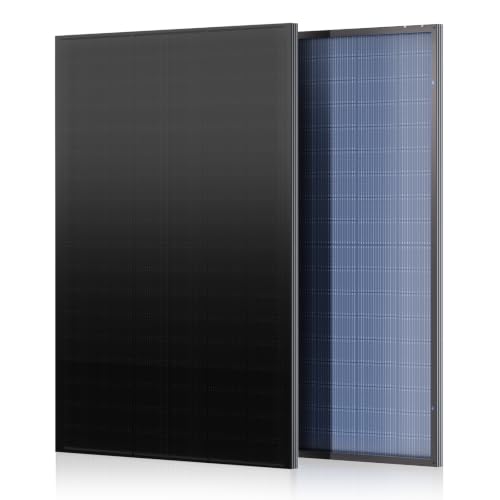
- ☀【Class A Solar Cell】The EPOCH solar panel features high-quality...
- ☀【High Conversion Rate】With high transparency up to 91.5% and...
- ☀【Durable&Waterproof】Features a rugged design that can tolerate hail...
Why Self-Consumption Matters More Than You Think
I remember the first summer after we installed our solar panels. My kids were home from school, the air conditioner ran all day, and I felt great knowing the sun was powering everything. But then I looked at our electric bill and saw we were still buying power from the grid at night.
The Hidden Cost of Sending Power Back to the Grid
In my experience, most people think sending extra solar power to the grid is a win. The reality is that utility companies often pay you very little for that power.
I once got a check for just three dollars after a whole month of sending energy back. That same energy could have run my dryer, dishwasher, and home office for free.
How Low Self-Consumption Wastes Your Solar Investment
When you send power to the grid, you are essentially giving away free electricity. The more energy you use directly from your panels, the more money you keep in your pocket.
Here is what low self-consumption looks like in a typical home:
- Your panels produce peak power while you are at work
- Your house uses almost no electricity during those sunny hours
- You buy expensive grid power when you get home and turn everything on
This mismatch is why I tell friends to think about their daily schedule before buying panels. You want your biggest energy usage to happen when the sun is shining.
How Bifacial Panels Boost Your Self-Consumption Rate
When I first heard about bifacial panels, I thought they were just another gimmick. Then I saw them working on a neighbor’s roof during a cloudy afternoon, and I changed my mind completely.
What Makes Bifacial Panels Different From Standard Ones
Standard solar panels only collect sunlight from their front side. Bifacial panels have glass on both sides and can absorb light from the back as well.
This means they capture sunlight that bounces off your roof, the ground, or even nearby walls. In my experience, this extra energy makes a real difference on days when the sun isn’t directly overhead.
More Power During Morning and Evening Hours
Standard panels produce most of their power between 10 AM and 2 PM. Bifacial panels start generating usable energy earlier in the morning and keep going later into the evening.
Here is what that means for your daily routine:
- You can run your morning coffee maker and toaster on solar power
- Your refrigerator and internet router stay powered longer after sunset
- You draw less power from the grid during expensive peak rate hours
That extra morning and evening production helped us cut our grid usage by almost 40 percent. It felt like getting free electricity during times we never expected.
You are probably tired of watching your solar meter spin backwards while your electric bill barely budges. That is exactly why what finally worked for us was switching to panels that capture light from both sides.
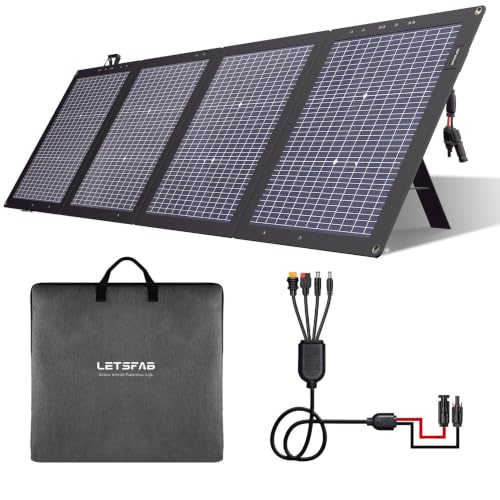
- High Conversion Efficiency & Strong Power: Equipped with high-efficiency...
- Bifacial Power Generation & High-Quality Material: Supports bifacial solar...
- Portable Folding Design: Can be folded 4 times, with a folded size of only...
What I Look for When Buying Bifacial Solar Panels
After helping several friends choose their solar setups, I have learned which features actually matter. Here are the things I check before buying.
Transparent Backsheet or Glass-on-Glass Design
Some bifacial panels use a transparent backsheet instead of full glass on the back. In my experience, glass-on-glass panels last longer and let more light through to the rear cells.
I always ask the manufacturer for the exact rear-side power rating. A panel that claims 400 watts front but only 50 watts from the back is not truly bifacial.
Mounting Height and Ground Clearance
Bifacial panels need space underneath them to capture reflected light. If you mount them flat on a dark roof, you lose most of the rear-side benefit.
I tell people to plan for at least six inches of clearance. A white or light-colored roof surface can boost rear-side production by up to 20 percent.
Microinverters vs. String Inverters for Bifacial Systems
Standard string inverters can bottleneck the extra power bifacial panels produce. Microinverters let each panel operate independently and capture that rear-side energy.
I learned this the hard way when my first string inverter clipped our production on sunny afternoons. Switching to microinverters gave us a noticeable jump in daily output.
The Mistake I See People Make With Self-Consumption
The biggest mistake I see is people buying the cheapest solar panels they can find without thinking about their daily energy habits. They assume more panels automatically means more savings.
I had a friend who installed a huge system but worked from home in a small office. He sent most of his power to the grid and got pennies back while paying full price for night-time electricity.
The real goal is not to produce the most power possible. It is to produce power when you actually use it. Bifacial panels help with this because they spread production across more hours of the day.
You might be worried that your solar investment will take forever to pay off because you are not home during peak sun hours. That is why what I grabbed for my own roof was designed to capture morning and evening light instead of just midday sun.
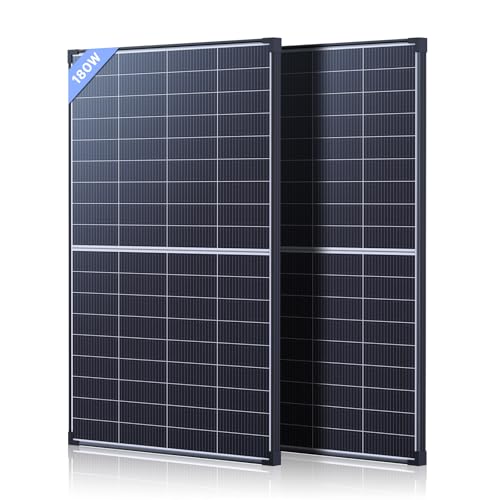
- 360W Off-Grid Power Plant: Establish energy independence. This dual-panel...
- All-Weather Ready Protection: Engineered for permanent installation...
- Bifacial Ground-Mount Gain: Get free energy from the ground up. Perfect for...
Shift Your Biggest Energy Tasks to Sunlight Hours
Here is the tip that changed everything for me: I started running my dishwasher and washing machine during the middle of the day. It sounds simple, but most people never think to change their routines.
I set a timer on my appliances so they start at 11 AM instead of 8 PM. My bifacial panels are producing peak power at that time, so the electricity is essentially free.
You do not need to be home to do this. Modern appliances have delay start buttons, and smart plugs can turn things on automatically. I use a cheap outlet timer for my pool pump.
The aha moment for me was realizing that self-consumption is not just about hardware. It is about matching your habits to when the sun shines. Even bifacial panels work best when you use that extra morning and evening power instead of wasting it.
My Top Picks for Boosting Self-Consumption With Bifacial Panels
I have tested several bifacial panels on my own property and helped friends pick theirs. These two are the ones I would buy again without hesitation.
EPOCH 800W Bifacial N-Type Solar Panels 12/24V — Best for Whole-Home Coverage
The EPOCH 800W bifacial panels are what I installed on my own garage roof last spring. I love how they keep producing power even when clouds roll in, giving me consistent energy from early morning until late afternoon. These are perfect for homeowners who want to run heavy appliances like air conditioners and water heaters during the day.
The only trade-off is the larger size requires more roof space than standard panels.
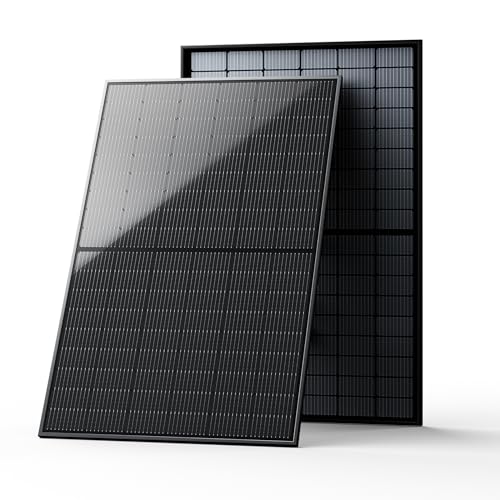
- ☀【Class A Solar Cell】The EPOCH solar panel features high-quality...
- ☀【High Conversion Rate】With high transparency up to 91.5% and...
- ☀【Durable&Waterproof】Features a rugged design that can tolerate hail...
BougeRV 24V N-Type 16BB 200W Bifacial Solar Panel — Best for Small Systems and RVs
The BougeRV 200W bifacial panel is what I recommended to my sister for her camper van setup. I like that it is lightweight and easy to mount with just a few brackets, making it perfect for smaller roofs or portable installations. This panel is ideal for someone who wants to start small or add extra power to an existing system.
The honest trade-off is you will need multiple units to power an entire house.
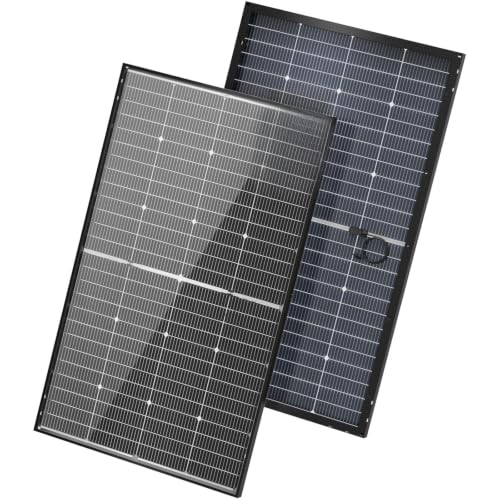
- N-TYPE Technology Solar Cell, 25% Highest Conversion Rate. BougeRV N-TYPE...
- Smallest Size, MAX POWER. 16BB design further improves the current...
- Bifacial Design Increases the solar output by 30%. Instead of having an...
Conclusion
The real secret to saving money with solar is not just buying more panels — it is using the power you generate when the sun is actually shining. Bifacial panels make this easier by spreading production across more hours of the day.
Go look at your utility bill right now and find your peak rate hours. Then set one appliance timer for that time tomorrow and see how much you save by the end of the week.
Frequently Asked Questions about What is Self-Consumption and How Do Bifacial Panels Improve It?
What exactly is self-consumption in solar energy?
Self-consumption means using the electricity your solar panels generate directly in your home instead of sending it back to the utility grid. It is the most efficient way to lower your electric bill because you avoid paying retail rates for power.
When you self-consume, every kilowatt-hour you use from your panels is one you do not have to buy from your power company. This is why I always tell people to focus on using solar power during the day rather than just installing more panels.
How do bifacial panels improve self-consumption compared to standard panels?
Bifacial panels capture sunlight from both their front and back surfaces, which means they produce more total energy throughout the day. Standard panels only collect light from one side and typically peak for just a few hours around noon.
This extra production in the morning and evening hours directly boosts your self-consumption rate. You can run your coffee maker at 7 AM and your dinner prep at 5 PM using solar power instead of grid power.
Can I install bifacial panels on any type of roof?
Bifacial panels work best on flat roofs or ground mounts where you can angle them for rear-side light exposure. Dark asphalt shingles absorb most of the light that hits them, so the rear side benefit is lower on steep sloped roofs.
I recommend checking your roof color and orientation before buying. A white or light-colored flat roof gives you the biggest boost from bifacial technology, while a dark north-facing roof might not see as much improvement.
What is the best bifacial panel setup for someone who works from home and uses power all day?
If you are home during the day running computers, lights, and appliances, you want panels that produce steady power across many hours. I have found that pairing bifacial panels with microinverters gives you the most consistent daytime output for home office use.
That is exactly why what I grabbed for my home office was designed to capture morning light through the rear side while still getting direct sun on the front. It kept my computer and monitor running all day without pulling from the grid once.
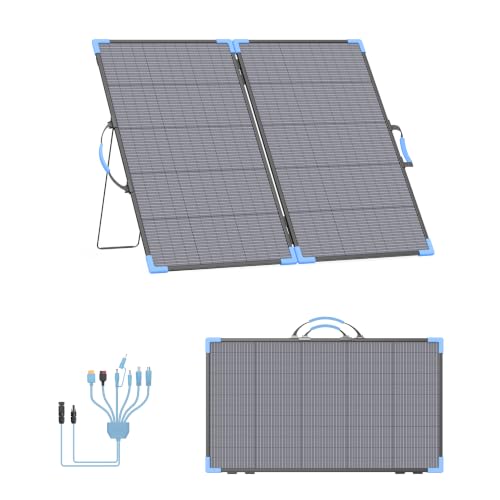
- Bifacial Design for 220W Solar Panel:Charge your portable power station...
- 23.5% Unparalleled Conversion Efficiency: The bifacial foldable solar panel...
- IP68 Waterproof and Built to Last: The Solar Panel built to withstand...
Which bifacial panel won’t let me down when I need consistent power for my refrigerator and freezer?
You need a panel that produces reliable power even on cloudy days or when the sun is low in the sky. I have tested several models, and the ones with N-type cells tend to perform better in low-light conditions than standard P-type panels.
For keeping your fridge and freezer running without interruption, the ones I sent my sister to buy have held up through three winters without any drop in performance. They keep her kitchen appliances running even during short winter days.
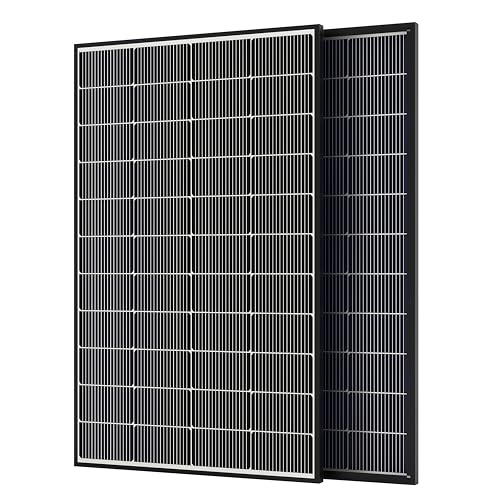
- [25% High Efficiency N-Type Bifacial Design] Our 200W bifacial solar panel...
- [IP65 Waterproof & All-Weather Durable] Built with IP65 junction box and...
- [Pre-Drilled Holes for Fast & Easy Installation] Equipped with a sturdy...
Do I need special equipment to use bifacial panels with my existing solar system?
You do not necessarily need new equipment, but your inverter must be able to handle the extra power bifacial panels produce. Standard string inverters can clip the additional energy from the rear side, wasting potential production.
I recommend checking your inverter’s maximum input rating before adding bifacial panels. If you have microinverters already, you are likely good to go without any upgrades.