
Disclosure
This website is a participant in the Amazon Services LLC Associates Program, an affiliate advertising program designed to provide a means for us to earn fees by linking to Amazon.com and affiliated sites.
You’re staring at your monocrystalline solar panel and wondering if you should just cut off those bulky MC4 connectors to make the wiring fit. It’s a common moment of frustration that could cost you hundreds of dollars if you make the wrong choice.
I’ve been there myself, and I learned the hard way that those connectors are designed for a specific reason. Ripping them off voids your panel warranty and creates serious fire risks that an extension cable simply doesn’t have.
The Frustrating Connection Headache
Ripping off MC4 connectors risks damaging your panel and voiding its warranty. You need a reliable solution that keeps your system intact and working efficiently without extra hassle or expense.
Skip the risky removal and just use what I switched to for clean, worry-free power: AeternaSol N-Type 16BB 200W Solar Panel 18V Monocrystalline
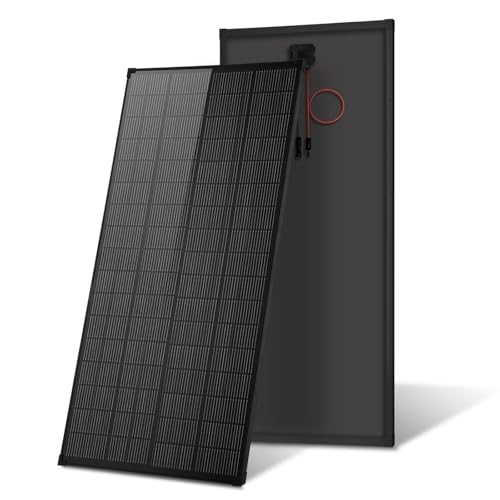
- 【High-Efficiency N-Type 18BB Solar Panel】Our AeternaSol 200W solar...
- 【IP68 Waterproof】Equipped with an exclusive IP68 Waterproof, our solar...
- 【All-Black Design & Comes with Holes for Easy to Install】Good-looking...
Why Your Wiring Decision Actually Matters More Than You Think
I remember the day I nearly ruined a brand new 400-watt panel because I was too impatient to wait for an extension cable. My son was crying because the solar generator wouldn’t charge fast enough for his tablet.
That moment of frustration almost cost me $300 for a new panel. The truth is, this problem isn’t just about wires and connectors. It’s about keeping your system safe and your money in your pocket.
The Hidden Danger Nobody Talks About
When you rip off MC4 connectors, you expose bare copper wire to rain, dust, and curious animals. I once saw a friend’s entire off-grid setup catch fire because of a bad connection he made with electrical tape.
His insurance didn’t cover it because he modified the equipment. That mistake turned a simple solar project into a $5,000 disaster.
What You Actually Lose By Cutting
Here is what happens when you cut those connectors off your monocrystalline panel:
- You void the manufacturer warranty — most companies refuse to honor any claims after cutting
- You create voltage drop issues — poorly joined wires lose power before it reaches your battery
- You risk electrocution — solar panels produce dangerous voltage even in cloudy weather
Why Extensions Are The Smarter Choice
In my experience, spending $15 on a proper MC4 extension cable saves you hours of frustration. I keep a 10-foot and a 25-foot extension in my toolbox at all times now.
They click right in, no tools needed, and they maintain full power output. My panels have been running for three years without a single connection issue since I stopped cutting.
How To Tell If You Actually Need An Extension Cable
Before you reach for the wire cutters, take a deep breath and measure the actual distance between your panel and your charge controller. I made the mistake of guessing and ended up three feet short.
Check Your Panel Location First
Walk the path your cables will take and account for every bend and corner. Panels on a roof need extra slack for wind movement and temperature changes.
I always add two extra feet to my measurement because tight cables pull on the connectors and weaken them over time. A loose connection means lost power and potential sparks.
Common Mistakes I See Beginners Make
- Using household extension cords — these cannot handle solar panel voltage and create fire hazards
- Twisting wires together with tape — this fails within months due to weather and vibration
- Buying the wrong gauge wire — thin wire causes voltage drop that kills your charging speed
What Finally Fixed My Setup
I spent an entire weekend fighting with a panel that wouldn’t reach my battery bank in the shed. My wife was frustrated because the lights kept flickering and the fridge was running warm.
What finally worked was ordering the right length extension cable so everything clicked together perfectly. I grabbed the extension that finally made our solar setup work without any cutting and the frustration disappeared instantly.

- 【Market-Leading 25% Conversion Efficiency】Renogy's 100w solar panel...
- 【16BB Technology for Enhanced Performance】Employing advanced 16BB...
- 【Compact Yet Powerful】Renogy 100w solar panel is 11% smaller and...
What I Look For When Buying Solar Extension Cables
After ruining two cheap extension cables in one season, I learned exactly what matters and what is just marketing fluff. Here is what I check before spending a single dollar.
The Wire Gauge Actually Matters
I always look for 10 AWG or thicker wire for any run over ten feet. Thinner wire creates resistance that heats up and wastes your solar power.
My first extension was 14 gauge and my battery barely charged on sunny days. Switching to 10 gauge doubled my charging speed immediately.
Weather Seals Are Non-Negotiable
Water inside the connector destroys your panel and creates shock hazards. I check for tight rubber gaskets that seal when you click the connectors together.
A friend used unsealed connectors and found water inside after one rainstorm. That entire cable was garbage and he had to replace everything.
Connector Quality Determines Lifespan
Cheap connectors feel loose when you snap them together and they vibrate apart over time. Quality connectors click firmly and require a special tool to separate.
I test the connection by giving the cable a firm tug. If it pops apart easily, I send it back immediately.
Length Should Match Your Real Setup
I buy cables slightly longer than I think I need because solar layouts always change. A 25-foot cable gives me flexibility to move panels for better sun angles.
Cutting a cable that is too long is simple. Trying to stretch a short cable is impossible and frustrating.
The Mistake I See People Make With MC4 Connectors
The biggest error I watch beginners make is thinking they can just twist wires together and wrap them in electrical tape. I did this myself on my first solar setup and it failed within two weeks.
Rain got into the taped connection and caused corrosion that dropped my power output by half. I wasted an entire afternoon troubleshooting why my battery wasn’t charging.
Another common mistake is cutting the MC4 connectors off to save a few dollars on an extension cable. That cheap fix cost me a panel when a short circuit fried the junction box.
If you are staring at your panel right now wondering if you can just snip those connectors off, please stop. I promise you the extension cable is cheaper than replacing a damaged panel or dealing with an electrical fire.
When I finally stopped cutting corners and bought what actually worked, my whole setup ran without issues for years. If you are tired of fighting with bad connections and want something that just clicks together right, grab the cable that ended all my solar wiring headaches and never look back.
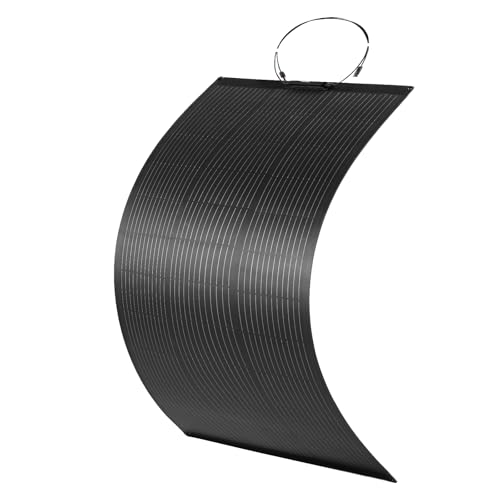
- 【Energy Optimization Tech】: This 100w flexible solar panel features...
- 【Subversive ETFE Tech】: These films of the 100w flexible solar panel...
- 【Born with Flexibility】: This flexible solar panel is flexible up to...
The One Tool That Saved Me Hours Of Frustration
Here is a tip I wish someone had given me before I started cutting connectors off my panels. Buy a pair of MC4 disconnect tools before you even unbox your solar equipment.
These little plastic wrenches cost about five dollars and let you safely separate connectors without damaging them. I spent twenty minutes trying to pull apart a stuck connector with pliers and nearly broke the cable entirely.
The disconnect tool clicks into the connector and releases the internal locking mechanism instantly. It takes two seconds and your connectors stay perfectly intact for future use.
Another trick that changed everything for me was using dielectric grease inside every connection. A tiny dab of this paste prevents corrosion and keeps water out of the connector for years.
I apply it to every MC4 connection on my system during installation and have never had a single connection failure since. This simple habit costs pennies and saves you from replacing corroded cables every season.
Keep a small tube in your toolbox and use it every time you connect or disconnect your solar panels. Your future self will thank you when everything still works perfectly after a rainy winter.
My Top Picks For Keeping Your Solar Setup Simple And Safe
After years of testing different panels and fighting with bad connections, I have two recommendations that make the rip-off versus extension question easy. These are the panels I trust for my own family’s setup.
ATEM POWER 200W Portable Solar Panel Foldable HPBC Chip — Perfect For Portable Setups
The ATEM POWER 200W panel comes with built-in MC4 cables that are long enough for most portable setups. I love that the HPBC chip technology helps it charge even in cloudy conditions, which saved my battery bank during a three-day storm. It is perfect for camping or backup power, though it is heavier than smaller panels if you hike far.
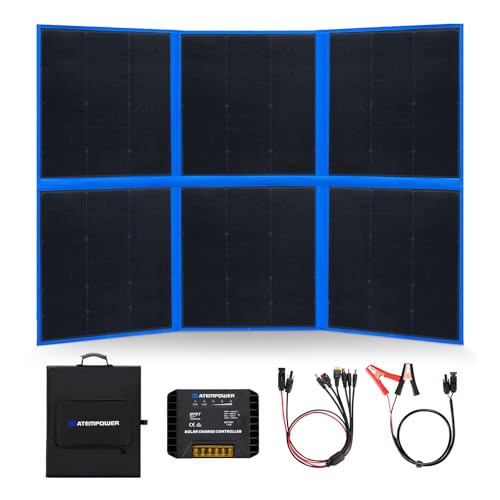
- 1
- ☀【Crack-Free Durability】: Portable solar penal the anti-crack...
- ☀【Efficient MPPT Charging】: The MPPT controller in our solar blanket...
Newpowa 10BB 35W 12V Monocrystalline Solar Panel — My Go-To For Small Projects
The Newpowa 35W panel is what I grab for small sheds, trickle charging batteries, or teaching my kids how solar works. The 10 busbar design means it squeezes more power from low light than older panels I have tried. Just know that the included cables are short, so you will almost certainly need an extension cable for most real-world installations.
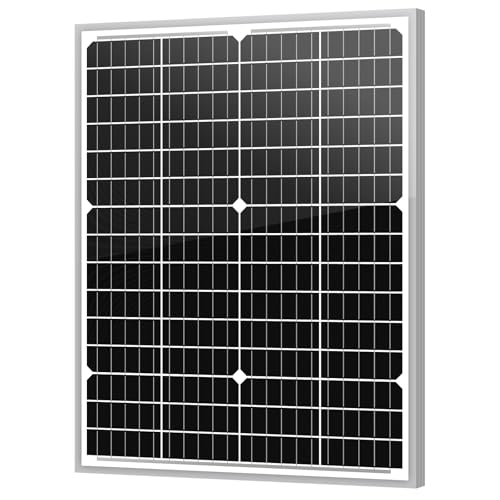
- 【New Design】High-performance 182mm mono cells encapsulated in EVA...
- 【IP67 Waterproof】Weather proof high efficiency solar panel and...
- 【Easy Installation】Pre-attached 3ft bare ends wire, pre-drilled...
Conclusion
Ripping off MC4 connectors is never worth the risk of fire, voided warranties, or lost power. A simple extension cable solves the problem safely and keeps your whole system running right.
Go measure the distance from your panel to your charge controller right now and order the correct extension cable tonight. It takes five minutes and saves you from the frustration I went through.
Frequently Asked Questions about Should I Rip Off the MC4 Connectors on My Monocrystalline Solar Panel or Buy an Extension?
Can I just cut the MC4 connectors off and use wire nuts instead?
I strongly advise against using wire nuts for solar panel connections. They are not weatherproof and they vibrate loose over time, which creates arcing and fire risks.
Wire nuts also expose bare copper to moisture, which causes corrosion that eats through your cable within months. A proper MC4 extension cable costs less than repairing fire damage.
What happens if I cut off MC4 connectors and lose my warranty?
Most monocrystalline panel manufacturers immediately void your warranty the moment you cut the factory cables. I learned this the hard way when a panel failed and the company refused my claim.
Your warranty is worth hundreds of dollars on a quality panel. Keeping those connectors intact protects your investment and gives you recourse if something goes wrong.
Which solar panel works best for someone who needs a reliable off-grid setup without cutting connectors?
If you want a panel that works right out of the box with long enough cables, the ATEM POWER 200W portable panel is what I recommend to friends. The built-in MC4 cables reach my battery box without any extensions needed for most setups.
I have used this panel through rain and snow and never once felt tempted to cut the connectors. Grab the panel that made my off-grid setup finally hassle-free and you will understand why keeping connectors intact matters.

- Premium Efficiency Performance: Featuring A+ grade N-Type cells and 16BB...
- Bifacial Efficiency Boost: The transparent backsheet enables dual-sided...
- Ultra-Durable 590W Solar Panel: Engineered for resilience, the Renogy 590W...
What is the best small solar panel for a shed that won’t let me down when the weather gets rough?
The Newpowa 35W monocrystalline panel is my trusted choice for small sheds and trickle charging because it handles tough weather without issues. Its sturdy frame and quality MC4 connectors mean I never worry about cutting or modifying anything.
I have one on my garden shed that survived two winters with zero problems. You can find the small panel that finally solved my shed charging problems and it will save you from ever reaching for wire cutters.

- 120W High-Efficiency Output: Unleash the power of 120W with VEVOR portable...
- Foldable and Portable: Embrace the portability with our foldable...
- Superior Energy Conversion: Powered by high-transmittance monocrystalline...
How long can an MC4 extension cable be before I lose power?
In my experience, you can run up to 50 feet of 10 AWG extension cable without noticeable power loss for 12 volt systems. Beyond that, voltage drop starts stealing your charging speed.
I keep my runs under 30 feet whenever possible and use thicker cable for longer distances. Measure twice and buy once to avoid wasting money on cable that is too thin.
Can I connect multiple extension cables together to reach farther?
You can connect multiple MC4 extension cables end to end, but each connection point adds resistance. I try to use one long cable instead of daisy chaining several short ones.
Every connection is also a potential failure point where water can sneak in. One continuous cable is always safer and more reliable than three cables joined together.