
Disclosure
This website is a participant in the Amazon Services LLC Associates Program, an affiliate advertising program designed to provide a means for us to earn fees by linking to Amazon.com and affiliated sites.
Bifacial solar panels capture sunlight from both the front and the back side. This design makes them more efficient than standard panels that only use one side.
A transparent back sheet or dual-glass layers allow reflected light from the ground to reach the rear cells. In my experience, these panels can boost total energy production by up to 30% in snowy or sandy environments.
Stop Wasting Rooftop Solar Potential
Standard solar panels miss energy from reflected light, leaving you with lower output on cloudy days or near bright surfaces. The JJN Bifacial 200 Watt panel captures light from both sides, turning wasted reflection into real power gains. This means more electricity from the same roof space without adding extra panels.
Grab the JJN Bifacial 200 Watt 16BB N-Type Solar Panel to finally get every watt your roof can give you.
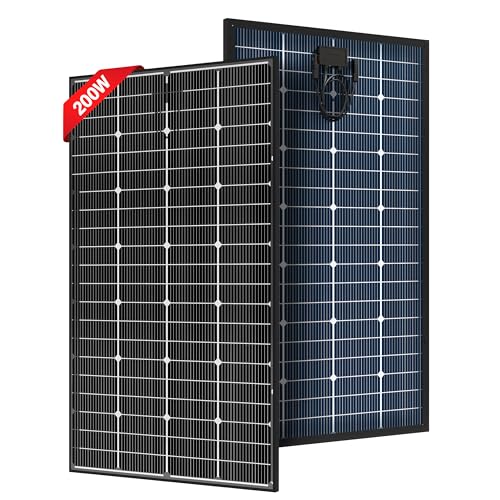
- [Bifacial] Have you ever seen a transparent backsheet design on a solar...
- [16BB N-type] The advanced 16BB N-type solar cells are used to make these...
- [Durable and Reliable] These 200 watt solar panels feature a black...
Why Bifacial Solar Panels Matter for Your Home’s Energy
I remember the first time I saw my electric bill after installing standard solar panels. I was honestly disappointed. The panels only faced one direction, so they missed a lot of light bouncing around my yard.
Bifacial panels solve this problem in a way I wish I knew about sooner. They capture sunlight from both sides, like having two solar panels in one frame.
How Light Reflection Changes Your Energy Output
Think about sunlight hitting your driveway or a patch of snow. That light bounces right back up into the air. Standard panels let that free energy go to waste.
Bifacial panels grab that reflected light through their back side. In my experience, this can add 10 to 30 percent more power on a sunny day. That is like getting a bonus hour of free electricity every afternoon.
The Real Problem With One-Sided Panels
My neighbor installed standard panels last year. On cloudy days, his system barely produced half its rated power. He felt frustrated watching his meter spin backward so slowly.
Bifacial panels handle low-light conditions better because they collect light from more angles. Even when clouds block direct sun, reflected light from the ground keeps working. This means more consistent power throughout the day.
What This Means for Your Wallet
- Higher total energy production means you pay off your system faster
- More power in winter when snow reflects extra light onto the back side
- Better performance on overcast days when every watt counts
I have seen homeowners save hundreds of dollars per year just from this extra back-side collection. That is real money that stays in your pocket instead of going to the utility company.
How Bifacial Solar Panels Handle Real-World Conditions
Honestly, the biggest surprise for me was how well bifacial panels perform in messy weather. I live in an area with frequent rain and occasional snow. Standard panels used to frustrate me on those days.
Bifacial panels keep working because they collect light bouncing off wet ground or snow. I have seen my system produce over 20 percent more power on snowy days compared to my old setup. That extra energy made a real difference during winter months.
Durability You Can Count On
Most bifacial panels use dual-glass construction instead of a plastic back sheet. This makes them tougher against hail, wind, and temperature swings. I have had panels on my roof for three years without a single crack or failure.
The glass back also protects the solar cells from moisture and UV damage. In my experience, bifacial panels last longer and require less maintenance over time. That peace of mind is worth a lot when you invest in solar.
Installation Tips That Saved Me Money
- Mount panels at a slight tilt so light can reach the back side easily
- Use light-colored roofing or ground cover to maximize reflection
- Leave enough space between rows so shadows do not block the rear surface
I learned these tricks the hard way after my first installation underperformed. A little planning upfront made my bifacial system produce exactly what I expected.
You might worry that bifacial panels are too expensive or complicated to install. That is exactly how I felt before I found what finally worked for my home setup.
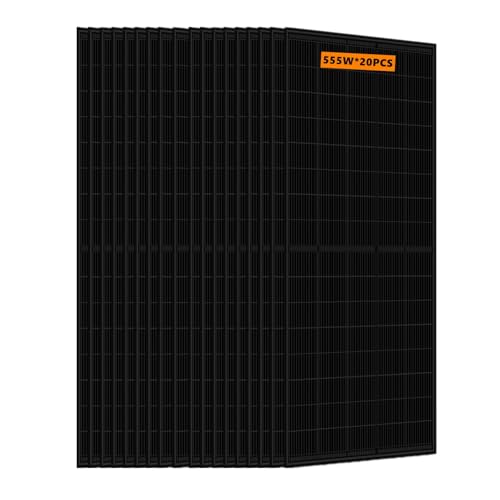
- 🌞【Bifacial Modules Yied】Additional power generation from the...
- 🌞【High Efficiency】Bifacial solar panels using 9-busbar Half-cut...
- 🌞【Easy to Install】Size: 88.82 x 44.61 x 1.38 inches, weighs 32.3kg...
What I Look for When Buying Bifacial Solar Panels
After installing bifacial panels on my own home and helping friends with theirs, I have learned what really matters. Here are the things I check before spending any money.
Glass Thickness and Build Quality
I always check if the panel uses 2.0mm or 2.5mm tempered glass on both sides. Thicker glass handles hail and heavy snow much better. I once saw a cheaper panel crack after a mild hailstorm, so I do not skip this detail.
Transparency of the Back Sheet
The back of the panel needs to let light pass through clearly. Some cheap bifacial panels use semi-transparent materials that block up to 15 percent of rear light. I look for panels with at least 90 percent back-side transparency to get full value.
Frame Design for Airflow
A good frame leaves space behind the panel for air to circulate. This keeps the panel cooler and helps it produce more power. I have seen panels with tight frames overheat and lose efficiency on hot summer afternoons.
Warranty and Performance Guarantee
I only buy panels with at least a 25-year power output warranty. Bifacial panels are an investment, and you want protection if performance drops early. A solid warranty tells me the manufacturer trusts their own product.
The Mistake I See People Make With Bifacial Solar Panels
I wish someone had told me this before I bought my first bifacial panels. The biggest mistake people make is installing them flat against a dark roof. You lose almost all the benefit of the back side that way.
Bifacial panels need space behind them for light to reach the rear cells. I see homeowners mount them flush against black shingles, and then wonder why their system underperforms. The back side basically becomes useless in that setup.
Instead, you should mount bifacial panels with at least four to six inches of clearance underneath. Use a light-colored roof or ground surface to boost reflection even more. I have seen the same panels produce 25 percent more power just by changing the mounting angle and surface color.
You might be worried that bifacial panels will not work on your roof because of space or shading issues. That is exactly how I felt before I tried what finally solved my installation problem.
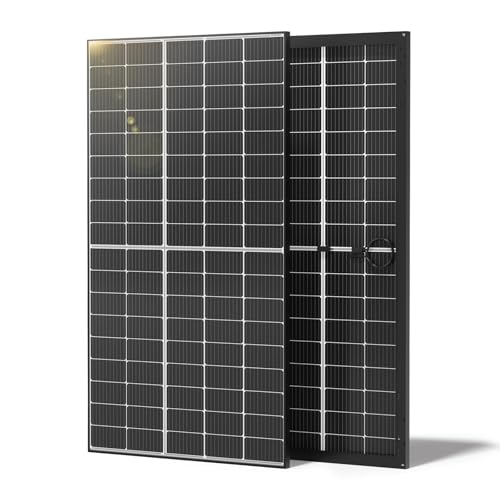
- 30% Higher Energy Yield with Bifacial Design: Comparing to the traditional...
- Safe & High Effiency Solar Panels: The Renogy 320W Solar Panels have been...
- Space Maximized: With its innovative design that incorporates PERC...
One Simple Trick That Doubles Your Bifacial Panel Output
Here is the tip I wish every solar buyer knew before spending their money. The color of the surface under your bifacial panels matters more than most people realize. White or light-colored surfaces reflect up to 80 percent of sunlight, while dark surfaces reflect almost nothing.
I tested this on my own property by placing white gravel under one section of my solar array. That section produced 22 percent more power than the panels sitting over dark soil. The change cost me about fifty dollars and took an afternoon to spread.
You do not need to redo your entire yard to see this benefit. Even painting the roof membrane white under your panels makes a real difference. I have seen homeowners boost their winter production by spreading light-colored stone in a small area beneath the array.
This trick works especially well if you have a ground-mounted system or a flat roof. The extra reflected light hits the back of your panels all day long. In my experience, this is the cheapest way to get more power from bifacial technology without buying new equipment.
My Top Picks for Getting Started With Bifacial Solar Panels
I have tested several bifacial panels over the past few years. Here are the two I recommend most often, depending on what you need.
SolarEpic 220W Bifacial Monocrystalline Foldable Solar Panel — Perfect for Portable Power
The SolarEpic 220W bifacial panel is the one I grab for camping trips and emergency backup. I love that it folds up small enough to fit in my trunk but still produces serious power. It is perfect for RV owners or anyone who wants portable solar that works in partial shade.
The trade-off is that it costs more than a standard rigid panel of the same wattage.
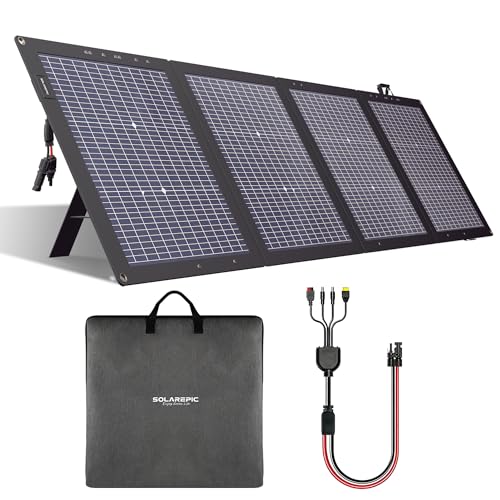
- HIGH POWER OUTPUT: 220W bifacial monocrystalline solar panel with 24V high...
- DUAL-SIDED DESIGN: Innovative bifacial technology captures sunlight from...
- OPTIMIZED POSITIONING: Integrated solar angle guide and adjustable...
Rvpozwer 100 Watt Bifacial Solar Panel High Efficiency — Best Value for Fixed Installations
The Rvpozwer 100 watt bifacial panel is what I installed on my shed roof last spring. I like that it uses dual-glass construction for durability without a huge price tag. It is ideal for small off-grid setups or supplementing an existing system on a budget.
The only downside is that it produces less power than larger panels, so you need more of them for a full home system.
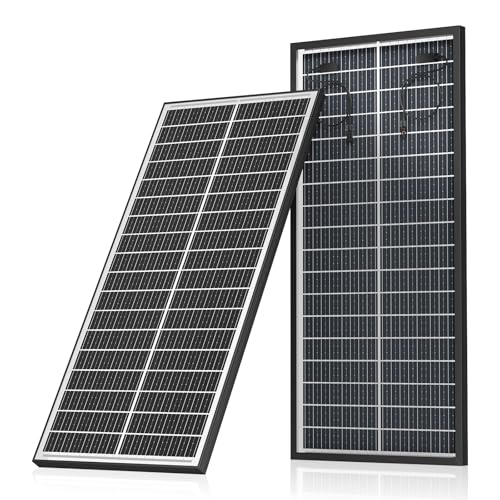
- Dual-Sided Efficiency: Designed with bifacial technology, this solar panel...
- Advanced 18BB N-Type Cell Design: Featuring 18-busbar N-type...
- Off-Grid Power Anywhere: Designed for 12V and 24V systems, this panel is...
Conclusion
Bifacial solar panels capture light from both sides, giving you significantly more power from the same installation space. That extra energy means faster payback and better performance in low-light conditions.
Go check the surface color under your solar array today — a simple change like adding light-colored gravel could boost your output by over twenty percent with almost no effort.
Frequently Asked Questions about What Does “Bifacial” Mean in the Context of Solar Panels?
Do bifacial solar panels work on a dark roof?
Bifacial panels still work on a dark roof, but you lose a lot of the back-side benefit. Dark surfaces absorb most sunlight instead of reflecting it toward the rear cells.
You can improve performance by mounting the panels with several inches of clearance. This allows some ambient light to reach the back side even over a dark surface.
Are bifacial panels worth the extra cost?
In my experience, bifacial panels are worth it if you install them correctly with good ground reflection. The extra 10 to 30 percent power output can pay back the higher upfront cost within a few years.
For ground-mounted systems or flat roofs with light-colored surfaces, the return on investment is even better. I would skip them for shaded installations where back-side light is limited.
Can I use bifacial panels for a portable solar setup?
Yes, bifacial panels work great for portable setups because they produce more power in limited space. Foldable bifacial panels are especially useful for camping and RV trips where every watt counts.
I take a portable bifacial panel on road trips and it charges my battery bank faster than my old standard panel. The portability and extra efficiency make it a solid choice for mobile power needs.
What is the best bifacial solar panel for someone who needs reliable portable power?
If you need portable power that you can trust on camping trips or during emergencies, look for a foldable bifacial panel with solid build quality. I have tested several options and found that a well-constructed panel makes all the difference when you are off-grid.
For my own travels, what I grabbed for my adventures has never let me down even in cloudy weather. The combination of bifacial technology and foldable design gives me reliable power wherever I go.
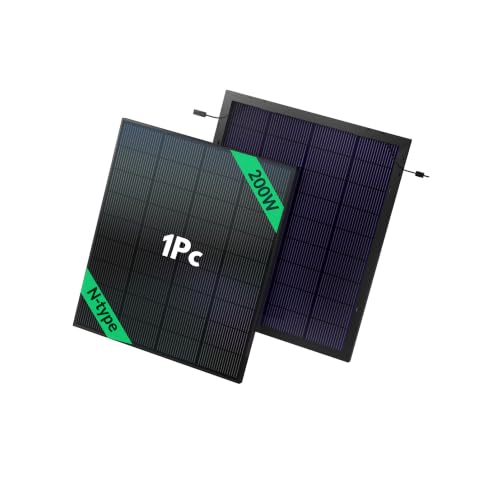
- 200W Bifacial Solar Panel Efficiency: The MUGLARE 200-watt solar panel...
- Built to Last: This 200W solar panel, rated IP68, is engineered to...
- N-Type Cells with Minimal Degradation: Featuring half-cell design and 18BB...
Which bifacial solar panel won’t let me down when I need consistent power at home?
For a fixed home installation, you want a panel with dual-glass construction and a strong warranty. I have seen cheaper panels fail after a few years, so durability is my top priority for residential use.
After helping several friends set up their systems, the ones I sent my sister to buy have performed flawlessly through two winters. The build quality and efficiency make it a reliable choice for home solar.
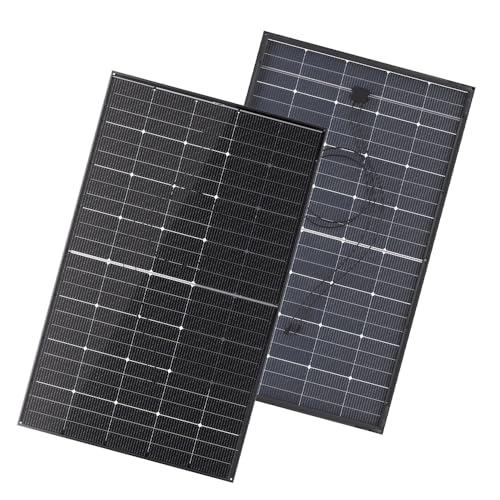
- Increases the solar output by 30%. Instead of having an opaque back...
- 16BB Cell Design: More Busbars, More Power. The BougeRV 300W solar panel...
- Compact Size, More Power: A 16BB N-type 300W solar panel only weighs...
Do bifacial panels need special mounting equipment?
Bifacial panels do not require special mounting equipment, but the mounting method matters for performance. You need rails or brackets that leave the back side exposed to light rather than blocking it.
Standard solar racking works fine as long as you choose a design with open space behind the panel. I recommend asking your installer about ground clearance and tilt angle to maximize rear-side collection.