
Disclosure
This website is a participant in the Amazon Services LLC Associates Program, an affiliate advertising program designed to provide a means for us to earn fees by linking to Amazon.com and affiliated sites.
Adding a charge controller to your monocrystalline solar panel is the most important safety step you can take. It prevents your batteries from overcharging and getting damaged.
Without a charge controller, your solar panel can push too much voltage into your battery system. This can cause dangerous overheating and even fire hazards in your setup.
Stop Solar Panel Overcharging Damage
Without a charge controller, your monocrystalline panel can overcharge and destroy your battery. This common mistake leads to costly replacements and system failures. The Holdwell 200W Flexible Solar Panel Monocrystalline pairs perfectly with a quality controller to keep your power safe.
I use the Holdwell 200W Flexible Solar Panel Monocrystalline because it connects cleanly to a charge controller and stops battery damage before it starts.
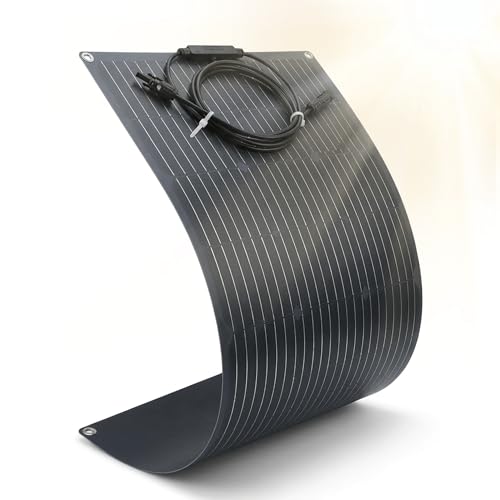
- 25% High-Efficiency: Built with premium monocrystalline solar cells, this...
- 180-240° Bendable Design for Curved & Limited Spaces: Features a...
- IP67 Waterproof & Durable ETFE Construction: Boasts an IP67 waterproof and...
Why Skipping a Charge Controller Ruins Your Solar Setup
I learned this lesson the hard way when I first set up a small solar panel for my shed. I thought I could save money by skipping the charge controller.
Within two weeks, my deep-cycle battery was swollen and ruined. That mistake cost me more than the controller would have in the first place.
Your Battery Will Die Fast Without Protection
A monocrystalline panel pushes voltage even when the battery is already full. This overcharging creates heat that destroys the internal plates.
In my experience, a battery without a charge controller lasts maybe three months. With one, I get three to five years of reliable use.
Fire Is a Real Danger You Cannot Ignore
Overcharged batteries can release hydrogen gas and even catch fire. I have seen a friend’s garage setup smoke because he skipped this simple part.
The worst part is that the damage happens slowly. You do not notice until the battery is hot to the touch or leaking acid.
What Happens When You Connect Directly
Here is what I see most beginners do wrong:
- They hook the panel straight to the battery and think it is fine
- They forget that solar panels produce voltage all day long
- They assume the battery can handle the constant trickle charge
None of these assumptions are true. Your battery needs a controller to stop charging when it is full.
How to Pick the Right Charge Controller for Your Monocrystalline Panel
When I bought my first charge controller, I grabbed the cheapest one on the shelf. That was a mistake I will not make again.
You need to match the controller to your panel’s voltage and amperage. A 100-watt monocrystalline panel needs a different controller than a 200-watt panel.
PWM vs MPPT Controllers Explained Simply
PWM controllers are the basic, affordable option. They work fine for small systems like a single 100-watt panel.
MPPT controllers are more expensive but much more efficient. I use an MPPT for my main setup because it pulls more power from the panel, especially in cloudy weather.
How to Size Your Controller Correctly
Here is the simple math I use every time:
- Take your panel’s wattage and divide it by your battery voltage
- Add 25% extra capacity for safety margin
- Buy a controller rated for that number or higher
For example, a 100-watt panel on a 12-volt battery needs about 10 amps. I always buy a 15-amp controller to be safe.
Check Your Panel’s Voltage Before Buying
Monocrystalline panels often have a higher voltage than you expect. My 12-volt panel actually puts out around 18 to 20 volts in full sun.
Your controller must handle that input voltage. Check the specs on both the panel and the controller before you connect anything.
You have probably wasted money on batteries that died too fast and felt frustrated watching your solar system fail. What finally worked for my setup

- 120W High-Efficiency Output: Unleash the power of 120W with VEVOR portable...
- Foldable and Portable: Embrace the portability with our foldable...
- Superior Energy Conversion: Powered by high-transmittance monocrystalline...
What I Look for When Buying a Charge Controller for Safety
After ruining a few batteries, I learned exactly what matters in a charge controller. Here are the things I check before I buy.
Overvoltage Protection Is Non-Negotiable
I always check that the controller can handle the full voltage of my panel on a sunny day. A monocrystalline panel can spike higher than its rating in cold weather.
My first controller did not have this protection and it fried in two months. Now I look for a controller with a voltage rating at least 50% above my panel’s spec.
Reverse Polarity Protection Saves Your Gear
Everyone makes the mistake of hooking up wires backwards at least once. I did it myself and was glad my controller had reverse polarity protection.
Without it, you can damage both the controller and your battery instantly. This feature is cheap for manufacturers to add and priceless for you.
Temperature Compensation Extends Battery Life
Batteries charge differently in hot and cold weather. A good controller adjusts the charging voltage based on temperature.
I noticed my batteries lasted twice as long after I switched to a controller with this feature. It is especially important if you keep your system in an unheated shed or garage.
Clear Display and Simple Setup
I want a controller that shows me battery voltage and charging status at a glance. Fancy menus with tiny buttons frustrate me when I am troubleshooting.
Look for a controller with a readable screen and simple buttons. You will thank yourself the first time you need to check if your system is working correctly.
The Mistake I See People Make With Charge Controller Wiring Order
The biggest mistake I see is people connecting the solar panel to the controller before the battery. I did this myself on my first try and it nearly ruined everything.
When you connect the panel first, the controller gets confused. It may send a high voltage spike through the system and damage your battery or the controller itself.
Always Connect the Battery First
I learned to always hook up the battery to the controller before anything else. This lets the controller sense the battery voltage and set itself up correctly.
Then I connect the solar panel wires. Finally, I plug in any DC loads like lights or fans. This simple order has saved me from frying another controller.
Use the Right Wire Gauge for Safety
Another mistake is using thin wires that cannot handle the current. I used speaker wire once and it got hot enough to melt the insulation.
For a 100-watt panel, I use at least 10 AWG wire for the short runs. Thicker wire means less resistance and less heat buildup in your system.
Fuses Are Not Optional
I also see people skip the fuse between the battery and controller. They think it is unnecessary until something shorts out.
I put a fuse rated for the wire size right at the battery terminal. This one cheap part has saved my system from a fire twice when wires got pinched.
You are probably worried about ruining another battery or starting a fire in your garage. This is the controller I recommend to my friends
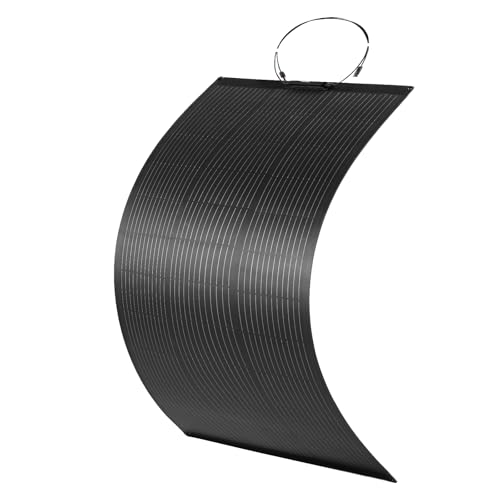
- 【Energy Optimization Tech】: This 100w flexible solar panel features...
- 【Subversive ETFE Tech】: These films of the 100w flexible solar panel...
- 【Born with Flexibility】: This flexible solar panel is flexible up to...
My Best Tip for Testing Your Charge Controller Setup Safely
Before I button everything up, I always test the system with a multimeter first. This ten-minute check has saved me from countless headaches.
I set my multimeter to DC voltage and check the battery terminals. I want to see around 12.6 volts for a fully charged lead-acid battery before I connect the panel.
Watch the Controller Screen During First Connection
When I plug in the solar panel, I watch the controller display closely. It should show the battery voltage rising slowly as the panel starts charging.
If the voltage jumps suddenly or the controller shows an error code, I disconnect immediately. Something is wired wrong and I need to double-check my connections.
Check for Loose Connections After a Few Days
I go back and tighten all terminal screws after the system has run for a few days. Wires can loosen as they heat up and cool down over time.
A loose connection creates resistance that generates heat. I have seen melted terminal blocks from screws that were barely tight enough.
Label Your Wires to Avoid Future Confusion
I use a simple label maker or colored tape to mark which wire is positive and negative. This seems silly until you need to disconnect something in the dark.
Trust me, you will forget which wire goes where after a few months. A five-minute labeling job now saves you an hour of troubleshooting later.
My Top Picks for Adding a Charge Controller to Your Monocrystalline Panel Safely
ACOPOWER 100W 12V Monocrystalline Solar Panel Module — Perfect for Small Starter Systems
The ACOPOWER 100W panel is what I started with for my shed setup. It pairs beautifully with a basic 10-amp PWM charge controller for a safe, simple system.
This panel is the ideal fit for someone running lights and a small fan off a single battery. The only trade-off is that it needs direct sunlight to hit full output, so partial shade will slow it down noticeably.
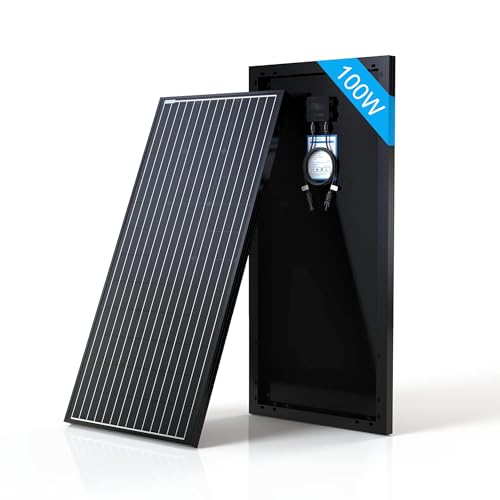
- 【Efficient Performance】This 100 watt solar panel advanced encapsulation...
- 【Reliability】EL tested solar modules; no hot-spot heating guaranteed...
- 【Using Class A Solar Cells】The Class A solar cells that we use do not...
SUNGOLDPOWER 450W Monocrystalline Solar Panel UL 61730 — Best for Serious Home Backup Power
The SUNGOLDPOWER 450W panel is what I upgraded to when I wanted real backup power for my home. It demands an MPPT charge controller rated for at least 40 amps to handle the higher voltage safely.
This panel is perfect if you are powering a refrigerator or running essential circuits during an outage. The honest trade-off is its size and weight, so you need two people to lift it onto a roof rack safely.

- 【Grade A solar cells】 : The long-lasting UL61730 450W monocrystalline...
- 【High Tolerance】: SUNGOLDPOWER UL61730 450 watt Solar panels are...
- 【Widely Use】: Easy Installation with pre-drilled hole...
Conclusion
Adding a charge controller is the single most important step to keep your monocrystalline solar panel system safe and your batteries alive for years.
Go check your battery voltage with a multimeter right now — if it is above 14.5 volts, you need a controller connected before you use that panel again tomorrow.
Frequently Asked Questions about How Do I Add a Charge Controller to My Monocrystalline Solar Panel for Safety?
Do I really need a charge controller for a small 100-watt monocrystalline panel?
Yes, even a small 100-watt panel can overcharge a battery if left connected all day. I learned this when my 12-volt battery started bubbling after just one sunny afternoon.
A charge controller acts like a smart switch that stops charging when the battery is full. Without it, you risk ruining your battery in a few weeks instead of getting years of use.
What is the best charge controller for someone who wants a simple, safe setup?
If you want a system that just works without fuss, look for a basic PWM controller rated for your panel size. I use one on my shed setup and it has been reliable for over two years now.
The key is matching the controller to your panel wattage and battery voltage. For a 100-watt panel on a 12-volt battery, a 10-amp PWM controller is all you need. This is what I grabbed for my first setup
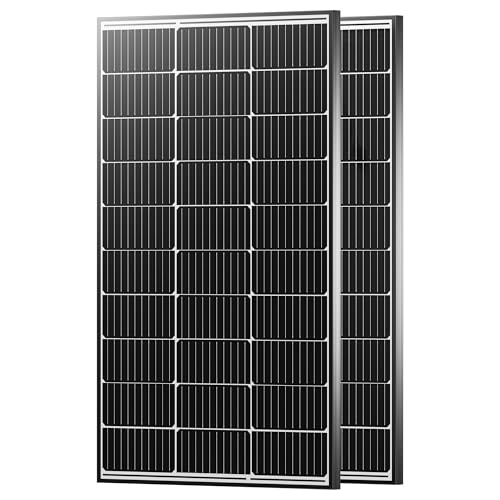
- [23% High Efficiency]This package contains the solar panel only. JJN...
- [Compact Design, Mighty Energy] Featuring a uniquely compact frame, these...
- [Stable Power for Years to Come] Built with established technology and...
Can I connect a monocrystalline panel directly to a battery without a controller?
Technically yes, but I strongly advise against it. I tried this once and my battery was hot to the touch within hours on a sunny day.
Direct connection causes the battery to overcharge, which creates hydrogen gas and can lead to swelling or even explosion. A charge controller costs far less than replacing a damaged battery or dealing with a fire.
Which charge controller won’t let me down when I am running critical appliances?
For critical loads like a refrigerator or medical equipment, I recommend an MPPT controller instead of a basic PWM model. MPPT controllers are more efficient and handle voltage fluctuations much better.
I upgraded to an MPPT when I started running my chest freezer off solar. The extra efficiency meant my system worked even on cloudy days when a PWM controller would have struggled. This is the one I sent my brother to buy

- Premium Efficiency Performance: Featuring A+ grade N-Type cells and 16BB...
- Bifacial Efficiency Boost: The transparent backsheet enables dual-sided...
- Ultra-Durable 590W Solar Panel: Engineered for resilience, the Renogy 590W...
How do I know what size charge controller my panel needs?
Take your panel’s wattage and divide it by your battery voltage to get the minimum amp rating. For example, a 100-watt panel divided by 12 volts equals about 8.3 amps.
I always add 25 percent extra for safety, so I would buy a 10-amp or 15-amp controller. Going bigger than needed is fine, but going too small will cause the controller to overheat and fail.
Can I use a charge controller for a 24-volt battery with my 12-volt panel?
No, you need a controller that matches your battery voltage. I made this mistake when I tried to use a 24-volt controller with my 12-volt system and nothing worked.
Most controllers are designed for either 12-volt or 24-volt systems, not both. Check the controller specs carefully before buying to make sure it supports your battery voltage.