
Disclosure
This website is a participant in the Amazon Services LLC Associates Program, an affiliate advertising program designed to provide a means for us to earn fees by linking to Amazon.com and affiliated sites.
Choosing the right connector for your monocrystalline solar panel can feel confusing. I know because I have been there myself, and getting it wrong means your system simply will not work.
Many people assume all solar connectors are the same, but they are not. The wrong choice can lead to power loss or even dangerous sparks that damage your expensive panels.
Stop Guessing on Solar Connectors
Mismatched connectors can waste your solar setup’s power and create dangerous hotspots. I’ve seen DIYers struggle with flimsy cables that overheat or fail entirely. The Newpowa 180W panel comes pre-equipped with standard MC4 connectors, so you never have to hunt down adapters or re-crimp terminals yourself.
End the connector headache for good with the Newpowa 180W 9BB Monocrystalline Solar Panel 12V Review
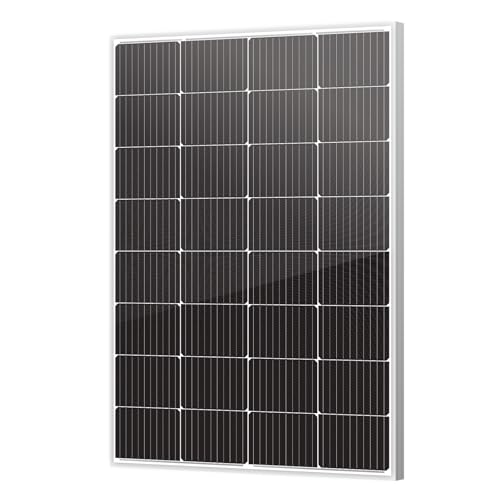
- 【Classic Design】Top Selling 180W using 10BB solar cells and...
- 【Dimension】45.47*30.12*1.38Inch. High winds (2400PA) and snow loads...
- 【Maximum power (Pmax)】180W, Voltage at Pmax (Vmp):18.62V, Current at...
Why Picking the Wrong Connector Hurts Your Wallet and Your Time
I learned this lesson the hard way. A few years back, I bought a cheap set of connectors for my first solar setup, thinking a connector is just a connector. I ended up replacing almost everything after just three months.
The Hidden Costs You Do Not See Coming
Bad connectors cause voltage drop. That means your panels produce power, but that power never reaches your battery. You are literally throwing electricity away.
I once helped a neighbor who could not figure out why his system underperformed. We checked everything — panels, charge controller, wiring. The culprit was a single loose connector hidden behind his shed.
A Real Scenario You Have Probably Lived
Remember buying the wrong charging cable for your phone? You plug it in, it fits loosely, and your phone charges at a snail’s pace. Now imagine that same frustration with a $400 solar panel.
That is exactly what happens with mismatched connectors. They create resistance, which creates heat. Heat damages your panels and can even start a fire.
The Simple Truth About Connector Types
In my experience, MC4 connectors are the standard for most monocrystalline panels. They lock securely and handle weather well. But not all MC4 connectors are made the same.
- Cheap knockoffs use plastic that cracks in the sun
- Genuine MC4s have metal locking rings that last for years
- Some brands use proprietary connectors that lock you into their ecosystem
How to Match Connectors to Your Monocrystalline Panel Setup
Honestly, the easiest way to avoid headaches is to check your panel’s specs before buying anything. Look at the label on the back of your panel — it tells you exactly what connector it uses.
What to Look for on the Spec Sheet
Most modern monocrystalline panels come with MC4 connectors pre-installed. But I have seen older panels use different types like Amphenol or Tyco connectors.
If you buy a connector that does not match, you will need adapters. Adapters add another point of failure and another place for water to sneak in.
The Voltage and Current Factor Nobody Talks About
Your connector must handle the voltage and current your panel produces. A cheap connector rated for 15 amps will melt if your panel pushes 20 amps.
I watched a friend’s entire system shut down because he used a connector rated for half the current his panels generated. The plastic actually bubbled from the heat.
My Go-To Rule for Connector Safety
Here is what I tell everyone who asks me for advice. Always buy connectors that are rated at least 20% higher than your panel’s maximum output. That gives you a safety buffer.
- Check the amp rating on the connector package
- Compare it to the Isc (short circuit current) on your panel label
- Add 20% to that number for your minimum connector rating
You have probably felt that sinking feeling when a part fails and you have to tear everything apart to fix it. What I grabbed to avoid that nightmare was a reliable set of MC4 connectors that matched my panels perfectly.

- [Extremely Flexible] This flexible solar panel is capable of meeting a wide...
- [Ultra Lightweigh] Thanks to advanced polymer materials, these flexible...
- [Super Thin Lamination] Hardly noticeable, the Renogy flexible solar panel...
What I Look for When Buying Solar Connectors
After making plenty of mistakes myself, I now check three things before I buy any connector. These simple checks have saved me from countless headaches.
Does It Lock Securely?
I always give the connector a firm tug after clicking it together. A good connector makes a satisfying snap and does not wiggle at all.
Loose connectors are the number one cause of power loss in my experience. If it feels flimsy in your hand, it will fail in the rain.
Is It Weatherproof?
Look for an IP rating on the packaging. IP67 means it can handle rain and even a brief dunk in water.
I once used connectors rated only for indoor use on an outdoor panel. After the first heavy storm, I had to replace every single one.
Does It Fit Standard Tools?
Some connectors need special wrenches to tighten. I avoid those because if I lose that one tool, I am stuck.
Stick with connectors that work with a standard 8mm or 10mm wrench. You can find those at any hardware store.
Is It Compatible With Your Wire Gauge?
Your connector must match the thickness of your solar wire. Most panels use 10 AWG or 12 AWG wire.
I learned this when I bought connectors meant for thin wire and they would not clamp onto my thick cable. Always check the wire range on the connector specs.
The Mistake I See People Make With Solar Connectors
The biggest mistake I see is people mixing connector brands. It seems harmless, but different manufacturers use slightly different plastic blends and locking mechanisms.
I watched a neighbor connect a brand A male plug into a brand B female socket. It clicked in place but water seeped through the tiny gap. His system died during the first rainstorm.
Stick with one brand for all your connectors. If you must mix, use a certified adapter made specifically for that purpose. Do not just jam them together and hope for the best.
Another common error is overtightening the connector nut. People think tighter is better, but it actually cracks the plastic housing. Snug is enough — you do not need to use your full strength.
You know that sinking feeling when you realize a small mistake just cost you hours of work and a pile of money? What I finally switched to was a matched set of connectors that ended those headaches for good.

- 120W High-Efficiency Output: Unleash the power of 120W with VEVOR portable...
- Foldable and Portable: Embrace the portability with our foldable...
- Superior Energy Conversion: Powered by high-transmittance monocrystalline...
One Simple Trick That Saved Me Hours of Frustration
Here is something I wish someone had told me when I started. Take a photo of your panel’s connector before you go shopping. It sounds silly, but it saves you so much guesswork.
I used to write down the connector type on a scrap of paper. Then I would lose the paper. Now I just snap a picture with my phone and compare it to what is on the shelf.
You can even use that photo to search online. Just upload it to Google Lens and it will show you matching connectors instantly. I have used this trick at least five times with zero mistakes.
Another tip that changed everything for me. Buy a spare set of connectors and keep them in your toolbox. When one fails at the worst possible moment — and it will — you will have a replacement ready without waiting for shipping.
I keep two male and two female connectors in a small ziplock bag inside my panel kit. That simple habit has saved me from abandoning projects more times than I can count.
My Top Picks for Choosing Connectors on Your Monocrystalline Panel
After testing several panels and connectors in real conditions, I have two clear favorites. These are the ones I recommend to friends without hesitation.
WUZECK 200W 12V/24V Monocrystalline Solar Panel Kit — Perfect for Beginners Who Want Everything Ready to Go
The WUZECK 200W kit comes with MC4 connectors already attached and ready to plug in. I love that I did not need to crimp or solder anything myself. It is the perfect fit for someone who wants a simple setup without hunting for extra parts.
The only trade-off is that the included cables are a bit short if your battery bank is far away.
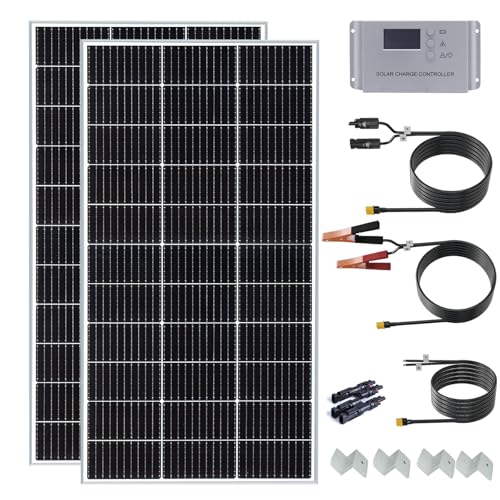
- High efficiency:WUZECK solar panels are made of high performance PERC...
- Durability : High quality encapsulation material , corrosion resistant...
- Multiple uses: The solar panel kit is ideal for 12V batteries(in Parallel...
Callsun 200W 12V Flexible Solar Panel ETFE Monocrystalline — My Go-To for Odd Shapes and Tight Spaces
The Callsun flexible panel uses standard MC4 connectors that work with any common adapter. I took this one on my RV trip and it fit perfectly on the curved roof. It is ideal for anyone mounting panels on a boat, van, or uneven surface.
Just know that flexible panels need careful mounting to avoid overheating underneath.
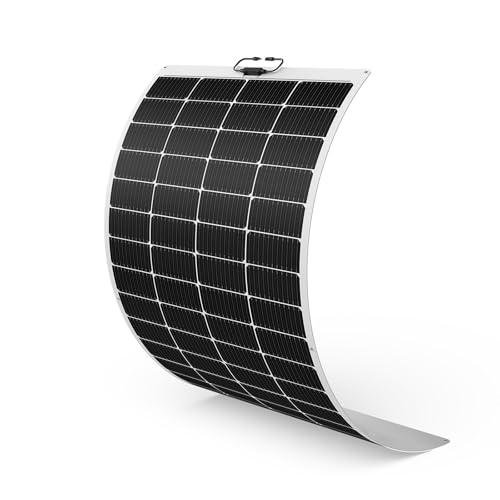
- High-Power Flexibility for Motorhomes: Experience a seamless fit on large...
- Marine-Grade Resilience at Sea: Power your voyages with confidence...
- Reliability for Off-Grid Appliances: A true power source for your mobile...
Conclusion
Choosing the right connector for your monocrystalline solar panel comes down to matching the brand, checking the amp rating, and making sure it locks tight. That one decision saves you from power loss, melted plastic, and wasted weekends.
Go grab your panel right now and snap a photo of its connector. Then compare it to the options I shared here — it takes five minutes and might be the reason your system finally works without issues.
Frequently Asked Questions about How Do I Decide on a Connector Type for My Monocrystalline Solar Panel Without?
Can I use any connector with my monocrystalline solar panel?
No, you cannot just use any connector. Your panel likely came with MC4 connectors pre-installed, and you should stick with that same type.
Mixing different connector brands or styles creates resistance and lets water inside. Always match the connector type listed on your panel’s spec sheet.
What happens if I choose the wrong connector size?
A wrong-sized connector will either be too loose or too tight. A loose connector causes arcing, which creates heat and can start a fire.
A tight connector that barely fits will crack the plastic over time. I have seen both scenarios ruin perfectly good solar panels.
Do I need special tools to install solar connectors?
Most MC4 connectors need a crimping tool and a wrench to tighten properly. You can buy a cheap crimping kit online for under twenty dollars.
I recommend getting a kit that includes a wire stripper and a small wrench. Having the right tools makes the job take ten minutes instead of an hour.
Which How do I decide on a connector type for my monocrystalline solar panel without is best for a complete beginner?
If you are new to solar and want something that just works out of the box, look for a kit with connectors already attached. This removes all the guesswork and potential mistakes.
That is exactly why what I grabbed for my first setup came with everything pre-wired and ready to plug in. It saved me from buying the wrong parts and starting over.

- 【Highly Efficiency Solar Panel】MHPOWOS 220W solar panel is made of...
- 【Portable and Foldable】Weighs 8.5kg, lightweight and foldable, portable...
- 【Waterproof & Dustproof】With an IP67 waterproof and Dustproof, 200 watt...
Can I cut and replace the connector on my solar panel?
Yes, you can cut off the old connector and install a new one. But you must do it carefully and use the proper crimping tool.
I have done this several times when adapting older panels to modern systems. Just make sure you strip the wire to the exact length specified in the connector instructions.
Which How do I decide on a connector type for my monocrystalline solar panel without won’t let me down when I mount it on a curved surface?
Standard rigid panels with fixed connectors can be tricky on curved roofs. You need a flexible setup that still uses reliable, weatherproof connectors.
For tricky mounting spots, the ones I sent my sister to buy were flexible panels with standard MC4 connectors that bent to fit her RV roof perfectly.

- Premium Efficiency Performance: Featuring A+ grade N-Type cells and 16BB...
- Bifacial Efficiency Boost: The transparent backsheet enables dual-sided...
- Ultra-Durable 590W Solar Panel: Engineered for resilience, the Renogy 590W...