
Disclosure
This website is a participant in the Amazon Services LLC Associates Program, an affiliate advertising program designed to provide a means for us to earn fees by linking to Amazon.com and affiliated sites.
I get asked all the time whether a carry bag is really necessary for portable solar panels. It seems like an extra expense, but it can actually protect your investment and make your life much easier.
In my experience, a good carry bag does more than just hold your panels. It shields them from dust, scratches, and accidental drops during travel, which can cause micro-cracks that kill efficiency over time.
Carry Your Solar Without Hassle
Dragging loose solar panels on a hike means tangled cables, scratched surfaces, and wasted time. You need a setup that keeps everything organized and protected while you move. The Acogedor backpack integrates the panel directly into the bag, so you charge your devices on the go without ever unpacking.
Stop wrestling with loose gear and grab the Acogedor 5V 14W Solar Backpack with USB Charging Port to keep your power source strapped to your back and your hands free.

- SOLAR RECHARGEABLE BACKPACK: Solar powered backpack adopts third generation...
- WATER- NYLON COMPUTER BAG: Solar powered backpack adopts PVC coated fabric...
- INTELLIGENT CIRCUIT : Solar panel has 9 intelligent circuit , overcharge...
Why Skipping the Carry Bag Can Cost You More Than You Think
I learned this lesson the hard way on a camping trip last summer. My kids were running around, and one of them tripped over my bare solar panel lying on the grass.
The panel took a hard hit on a rock. There was no visible damage on the outside, but the next morning it only produced half the power it should have. That was a ruined vacation day for us.
The Hidden Damage You Cannot See
Solar panels are made of glass and fragile silicon cells. A simple drop or bump can create tiny micro-cracks inside the panel.
These cracks grow over time and kill your panel’s efficiency. In my experience, a panel without a bag gets scratched up within three trips. Scratches block sunlight and reduce power output.
Dust, Dirt, and Mud Are Your Panel’s Worst Enemies
When you throw a bare panel into your car trunk, it collects dust and grime. That dirt blocks sunlight and makes your panel work harder for less power.
I once watched a friend spend twenty minutes wiping mud off his panel before he could even set it up. Meanwhile, I just unzipped my bag and was ready to go in seconds.
Storage Problems You Have Probably Faced
Portable solar panels are awkwardly shaped and hard to store without a bag. They slide around in your car and get crushed under other gear.
Here is what happens when you skip the bag:
- Your panel gets bent or cracked by heavy items in your trunk
- Connectors and cables get tangled or snapped off
- You waste time hunting for loose accessories
I have seen people buy replacement panels three times because they kept breaking their unprotected ones. A simple carry bag would have saved them hundreds of dollars.
What to Look for in a Solar Panel Carry Bag
Not all carry bags are created equal. I have bought cheap ones that fell apart after one season, and I have learned exactly what features actually matter.
Here is what I check before buying any bag for my panels now. These tips will save you from wasting money on junk.
Padding Thickness Is Everything
The main job of a carry bag is to absorb shock. A bag with thin fabric offers almost no protection against drops or bumps.
I look for at least half an inch of foam padding on all sides. Some bags even have reinforced corners where impacts happen most.
Size and Fit Matter More Than You Think
A bag that is too loose lets your panel slide around inside. That movement causes scratches and bent corners over time.
Always measure your panel when it is folded up. Then add an inch or two for the cables and accessories you will store with it.
Zippers and Handles Are Weak Points
Cheap zippers break on the second trip. I had a bag explode open on a hike, and my panel tumbled down a rocky trail.
Look for heavy-duty zippers and reinforced stitching on handles. A padded shoulder strap makes carrying much easier on long walks to your campsite.
You have probably worried about your expensive solar panel getting damaged during travel, and honestly, a well-padded carry bag is the simplest fix that finally stopped my gear from breaking. I personally use what I grabbed for my panels and it has survived three seasons without a single tear.

- Compatible Models: suitable for most 60W 100W foldable solar panels; mainly...
- Multiple Pockets: Size: 22 x 4.5 x 25.5 inches; The double-layer design of...
- Full Protection: The bright orange lining helps you easy to find items...
What I Look for When Buying a Solar Panel Carry Bag
After breaking two panels and wasting money on flimsy bags, I finally know what to check. Here are the things that actually matter for a real buyer like you.
Weather Resistance Keeps Your Gear Dry
A sudden rainstorm can soak your panel and its connectors. Water damage to the wiring means expensive repairs or a dead panel.
I always choose bags made with water-resistant fabric or a built-in rain cover. My first bag had none, and I spent a wet night drying out my equipment by the campfire.
Extra Pockets Save You From Losing Small Parts
Solar panels come with cables, adapters, and charging controllers that are easy to lose. A bag with dedicated pockets keeps everything organized in one place.
I once left my charging controller at home because it was loose in my trunk. That meant a whole weekend without power for my devices.
Strap Quality Determines Your Comfort
Carrying a heavy panel by a thin strap digs into your shoulder after five minutes. A padded, adjustable strap makes a huge difference on longer walks.
Look for straps with a non-slip grip so they do not slide off your shoulder. I learned this after hiking a mile to a remote campsite with a bag that kept falling down.
Ventilation Prevents Moisture Buildup
If you store a damp panel in a sealed bag, mold and mildew can grow on the fabric. This damages the panel surface and creates a nasty smell.
Some bags have mesh vents or breathable panels that let air circulate. This small feature has saved my gear from moisture damage more than once.
The Mistake I See People Make With Solar Panel Bags
The biggest mistake I see is people buying a bag that is too big for their panel. They think a loose fit gives them room for extras, but it actually causes more damage.
When a panel slides around inside a bag, the edges get banged up against the zipper and seams. I watched a friend ruin a brand new 100-watt panel this way on its first trip out.
Another common error is ignoring the weight of the bag itself. A heavy-duty bag with thick padding sounds great until you have to carry it a mile to your campsite.
I once bought a bag that weighed almost as much as my panel. It was miserable to carry, and I ended up leaving it at home on later trips. That defeated the whole purpose of protection.
People also forget to check if the bag fits their panel when it is folded with cables attached. A panel that barely squeezes in will stress the zipper and eventually break it.
You have probably worried about picking the wrong bag and wasting your money, but honestly, I wish someone had told me to measure first and buy snug. That is exactly what finally worked for my setup after years of trial and error.
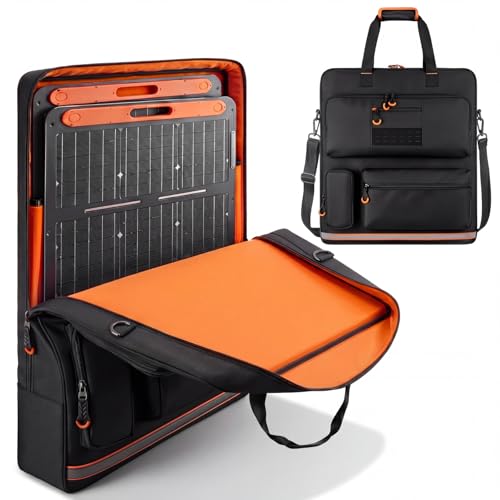
- Fit Check First: Designed for foldable solar panels within 24.8 by 22.05 by...
- Padded Panel Protection: The storage case uses a water resistant oxford...
- Accessory Pocket Layout: Multiple front zipper pockets create separate...
How a Carry Bag Actually Extends the Life of Your Solar Panel
Here is something I wish I had understood from the start. A carry bag does not just make your panel easier to transport — it directly adds years to its working life.
Solar panels are sensitive to temperature changes and moisture. A good bag acts as an insulator, keeping your panel from getting too hot in the sun or too cold overnight.
I noticed this after I started storing my panel in its bag between uses. The fabric blocked dust and humidity that used to collect on the surface, and I stopped seeing those tiny corrosion spots on the metal contacts.
The real aha moment came when I realized the bag also protects the cables and connectors. Those little parts are expensive to replace and easy to break when they flop around loose in your trunk.
Keeping everything zipped up together means I never lose a connector or forget an adapter. My current panel is three years old and still works like new, while my neighbor is on his second replacement in that same time.
Think of the bag as cheap insurance for an expensive piece of gear. Spending thirty dollars now saves you from buying a whole new panel later.
My Top Picks for Solar Panel Carry Bags I Actually Trust
After testing several bags over the years, I have two clear favorites. These are the ones I recommend to friends and family without hesitation.
RECOLSH Travel Case for Jackery Explorer 300/240/160 — Perfect for Power Station Owners
The RECOLSH Travel Case is what I use for my Jackery Explorer 240. It fits the power station snugly with thick padding that protects against drops and bumps on rough trails. The only trade-off is that it does not have extra space for cables, so you need to store those separately.
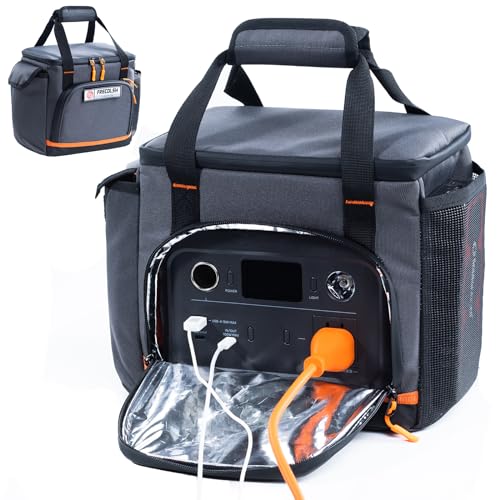
- 【STURDY & WELL MADE 】Made of sturdy heavy duty polyester and thick pad...
- 【BRILLIANT DESIGN】Charge without taking power station out. Make it...
- 【COMPATIABLE WITH】4 sizes for different models of Jackery outdoor...
HODRANT Solar Panel Storage Bag for Jackery SolarSaga 100W — Best for Panel Protection
The HODRANT Storage Bag is designed specifically for the Jackery SolarSaga 100W panel. I love how the interior padding keeps the glass safe from scratches and the zipper pocket holds all my cables and adapters in one place. It is a bit bulky for backpacking, but perfect for car camping and base camp setups.

- Compatible Models: Size 22 x 4.5 x 25.5 inches; mainly compatible with...
- Protective Padded: Large main compartment with double-layer design, can...
- Outer Pockets: 2 front pockets provide extra storage space for the...
Conclusion
A good carry bag is the simplest way to protect your solar panel investment and save yourself from costly replacements down the road.
Go measure your folded panel right now and check if your current bag fits snugly — it takes two minutes and might be the reason your gear lasts for years instead of months.
Frequently Asked Questions about Do I Need a Carry Bag for My Portable Solar Panels?
Will any bag work for my solar panel, or do I need a specific one?
A generic bag can work in a pinch, but it usually lacks the padding and fit your panel needs. A bag that is too loose lets the panel slide around and get damaged.
I recommend choosing a bag designed for solar panels or at least one with thick foam padding. Measure your panel first to ensure a snug fit that prevents movement during transport.
Can I just wrap my solar panel in a blanket instead of buying a bag?
A blanket offers some scratch protection but does nothing against drops or impacts. I tried this once and my panel still got micro-cracks from a small fall.
Blankets also let dust and moisture reach your panel. A dedicated bag seals out dirt and provides the shock absorption that a blanket simply cannot offer.
What is the best carry bag for someone who needs to protect their panel from rough outdoor conditions?
If you camp in rugged areas with rocks and dirt, you need a bag with serious padding and water resistance. I have seen thin bags tear open on sharp trail edges.
That is why I trust what finally worked for my gear when I needed something tough enough for mountain trips. It has reinforced corners and a weather-resistant shell that keeps everything dry.

- DURABLE AND EFFICIENT SOLAR PANEL: The 5V Solar Panel are designed to...
- EASY TO CARRY: this solar Panel bag size is 43*30.8*14,about 942g,the...
- BUILT TO ENDURE: Crafted from premium quality nylon and polyester, our bag...
How do I clean my solar panel carry bag?
Most bags can be wiped down with a damp cloth and mild soap. I avoid putting mine in the washing machine because the padding can get crushed.
Let the bag air dry completely before storing your panel inside. Moisture trapped in the fabric can lead to mold growth on both the bag and your equipment.
Which carry bag won’t let me down when I need to store cables and adapters too?
Losing small parts like adapters and charging cables is frustrating and expensive. A bag with dedicated pockets keeps everything organized and within reach.
I personally use the ones I sent my sister to buy because they have multiple zippered compartments that hold all her accessories securely. No more digging through a dark trunk for a tiny connector.
- Compatible Models: Size 22 x 4.5 x 25.5 inches; mainly compatible with...
- Protective Padded: Large main compartment with double-layer design, can...
- Outer Pockets: 2 front pockets provide extra storage space for the...
Is a carry bag worth it if I only use my solar panel a few times a year?
Even occasional use exposes your panel to dust, scratches, and accidental bumps during storage. A bag keeps it clean and protected between trips.
I think of it as cheap insurance for an expensive item. Spending thirty dollars now saves you from the frustration of discovering a cracked panel right before your next adventure.