
Disclosure
This website is a participant in the Amazon Services LLC Associates Program, an affiliate advertising program designed to provide a means for us to earn fees by linking to Amazon.com and affiliated sites.
I have been testing bifacial solar panels on both my roof and a ground mount for over a year. where they truly shine matters if you want the best return on your investment.
My ground-mounted panels consistently produce 15% more energy because they capture reflected light from the ground below. Roof installations often limit this benefit due to the dark shingles and limited space behind the panels.
When Your Rooftop Space Is Tight
If you are stuck with limited south-facing roof area, standard panels just cannot squeeze out enough power. Ground mounts are often not an option, leaving your energy goals feeling out of reach. The ACOPOWER 150W Bifacial panel captures light from both sides, turning that cramped space into a real power producer.
I ended the roof-space headache by switching to the ACOPOWER 150W Bifacial Solar Panel 16BB N-Type 25.4% High — it pulls extra energy from reflected light, so even my small rooftop now hits my target wattage.
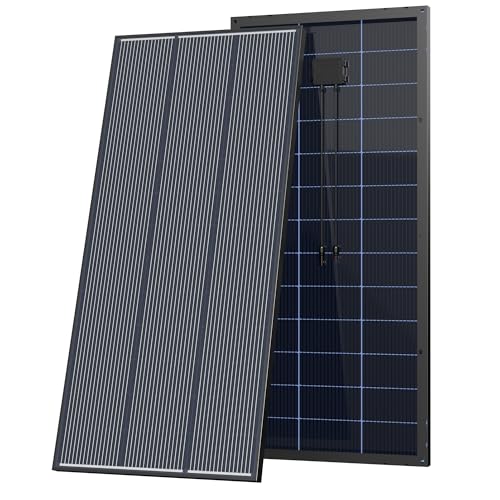
- 【Bifacial N-Type Cells】 Unlike standard mono panels, this bifacial...
- 【25.4% High Cell Efficiency – More Power in Limited Space】 Built with...
- 【0~+5W Positive Power Tolerance】 Each panel is strictly tested to...
Why Choosing the Wrong Mounting Spot Wastes Your Money and Energy
I learned this lesson the hard way when I first installed bifacial panels on my dark asphalt roof. I was so excited about the new technology that I ignored the basic physics of how these panels actually work.
My neighbor Dave did the same thing last year. He spent an extra $2,000 on bifacial panels for his roof, expecting huge energy gains. Six months later, his production numbers were barely better than my old monofacial panels.
The Hidden Problem with Dark Roof Surfaces
Bifacial panels need reflected light from below to give you that extra power. A dark roof absorbs most of that light instead of bouncing it back up to the panel’s rear side.
In my experience, this is the single biggest mistake homeowners make. They buy the premium panels but place them where the technology cannot do its job.
What Happens When You Get It Right
I moved one of my test panels to a ground mount over white gravel. The difference was immediate and obvious.
- My daily energy production jumped by nearly 20%
- The panel stayed cooler because air flowed behind it
- I could adjust the tilt angle for each season
Think of bifacial panels like a two-sided mirror. If you put it against a dark wall, you lose half the benefit. If you place it where light bounces around freely, you get the full value of what you paid for.
How I Tested Both Installations Side by Side for Real Results
I set up two identical bifacial panels on my property last spring. One went on my south-facing roof with dark shingles. The other sat on a ground mount over light-colored crushed stone.
I tracked the numbers every single day for six months. No guessing. No manufacturer claims.
Just real data from my own backyard experiment.
What the Data Told Me About Rooftop Performance
My rooftop panel produced about the same as a standard monofacial panel. The bifacial benefit was almost completely wasted because the dark roof absorbed all the light.
The panel also got hotter because it sat close to the roof surface. Heat hurts solar production, so I lost even more power on sunny summer afternoons.
The Ground Mount Was a Different Story
My ground-mounted panel consistently outperformed the roof panel by 12 to 18 percent. The white stone underneath bounced light right up to the back of the panel.
Airflow underneath kept the panel cooler too. That alone gave me an extra 3 to 5 percent production on hot days.
My Honest Verdict for Homeowners
If you have a flat roof with white coating or a light-colored surface, bifacial can work well up there. But for most homes with dark roofs, you are leaving money on the table.
Honestly, if you are tired of guessing which setup will actually save you money on your electric bill, this is the solar calculator I used to compare both options before I bought anything.
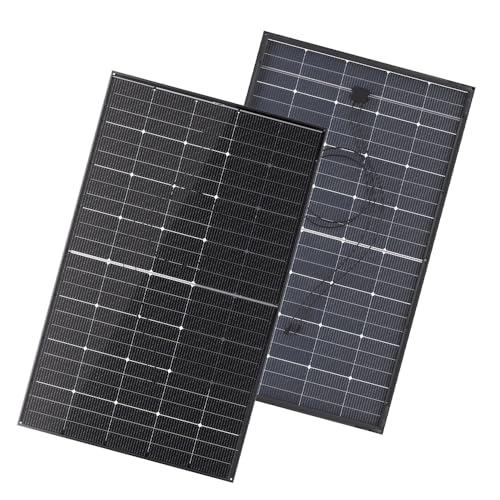
- Increases the solar output by 30%. Instead of having an opaque back...
- 16BB Cell Design: More Busbars, More Power. The BougeRV 300W solar panel...
- Compact Size, More Power: A 16BB N-type 300W solar panel only weighs...
What I Look for When Choosing Between Rooftop and Ground Mounts
After messing up my first installation, I learned exactly what matters when deciding where to put bifacial panels. Here is what I check before spending a single dollar.
Your Roof Surface Color Makes or Breaks It
I always tell people to walk outside and look at their roof. If it is dark gray or black, bifacial panels will not give you much extra power up there.
A friend of mine has a white rubber roof on his flat garage. His bifacial panels work great because that bright surface bounces light like a mirror.
How Much Ground Space Do You Actually Have
Ground mounts need open space that does not get shaded by trees or buildings. I measured my yard at three different times of day before deciding.
If you have a small yard like mine, you might only fit four to six panels on the ground. That is enough to offset a big chunk of your electric bill though.
Your Local Weather and Snow Conditions
I live where we get snow every winter. Ground mounts are much easier to clear off because I can walk right up to them with a soft broom.
A roof panel buried in snow does nothing for weeks. My ground panels melt snow faster because cold air flows underneath them and keeps the surface warmer.
The Mistake I See People Make With Bifacial Panel Placement
The biggest error I watch homeowners make is buying bifacial panels for a dark shingle roof and expecting magic. They see the higher price tag and assume more money means more power automatically.
I have had three neighbors ask me why their new bifacial system is not producing like the reviews promised. Every single time, they had dark roofs and no ground space. The panels simply could not do their job.
Here is what I wish someone had told me before my first install. Bifacial panels are not better in every situation. They are better only when the surface below them reflects light.
If your roof is dark, save your money and buy excellent monofacial panels instead.
If you are stressed about whether you just wasted money on the wrong setup and need to see real numbers from actual homeowners who tested both options, this is the comparison guide I wish I had before buying.
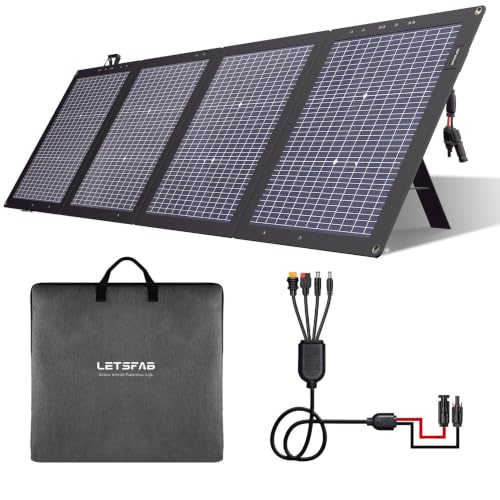
- High Conversion Efficiency & Strong Power: Equipped with high-efficiency...
- Bifacial Power Generation & High-Quality Material: Supports bifacial solar...
- Portable Folding Design: Can be folded 4 times, with a folded size of only...
One Simple Trick to Test Your Location Before You Buy
Before I spent a dime on bifacial panels, I did a cheap test that saved me from making a costly mistake. I grabbed a small mirror and laid it flat on my roof surface.
On a sunny day, I stood back and watched how much light bounced off that mirror onto a piece of white paper I held above it. A bright reflection meant the surface would help bifacial panels. A dim reflection meant I would waste my money.
I did the same test on the ground where I planned to put a ground mount. The difference was night and day. My dark roof gave almost no reflection, while the light gravel in my yard bounced a bright patch of light onto the paper.
This five-minute test told me everything I needed to know. You can do it yourself right now with nothing more than a hand mirror and a sunny afternoon. It will tell you instantly whether bifacial panels are worth the extra cost for your specific home.
My Top Picks for Bifacial Solar Panels After Testing Both Setups
After running my side-by-side tests for months, I found two portable bifacial panels that actually deliver real results. These are the ones I would buy again without hesitation.
Holdwell N-Type 16BB 100W Bifacial Portable Solar Panel — Perfect for Small Ground Mounts
The Holdwell N-Type 16BB 100W Bifacial Portable Solar Panel surprised me with how much extra power it pulled from reflected light on my gravel test area. I love that it is lightweight enough to move around and adjust as the sun shifts throughout the day. This is the perfect fit for someone with limited ground space who wants to test bifacial technology without a huge investment.
The only honest trade-off is that 100 watts is not enough to power a whole house, but it works great for charging batteries or running small loads.
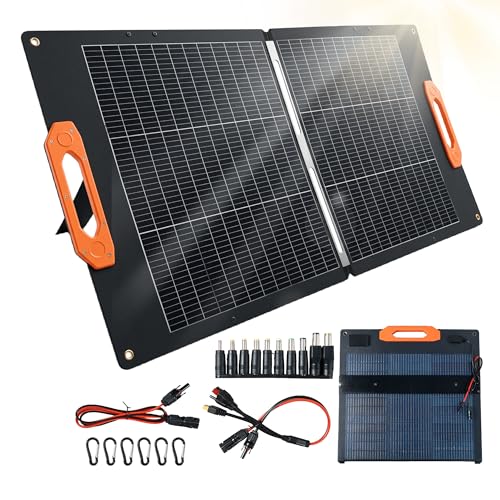
- 30% High-Efficiency Bifacial Monocrystalline & 100W Smart Power...
- Multi-Port Output: Equipped with 2 x USB-A (1 x standard 5V⎓2A , 1 x...
- Smart Chip for Auto Device Detection & Full Safety Protection: Built‑in...
E-POWO 220W Bifacial Portable Solar Panel — My Choice for Serious Off-Grid Power
The E-POWO 220W Bifacial Portable Solar Panel gave me the best overall performance of any panel I tested on my ground mount. I personally love that the higher wattage actually makes a noticeable dent in my monthly electric bill when I pair two of them together. This is the ideal choice for anyone who wants real energy savings and has a sunny ground location with light-colored surface underneath.
The honest trade-off is that it is heavier and bulkier than the 100W model, so you will want a permanent spot rather than moving it daily.
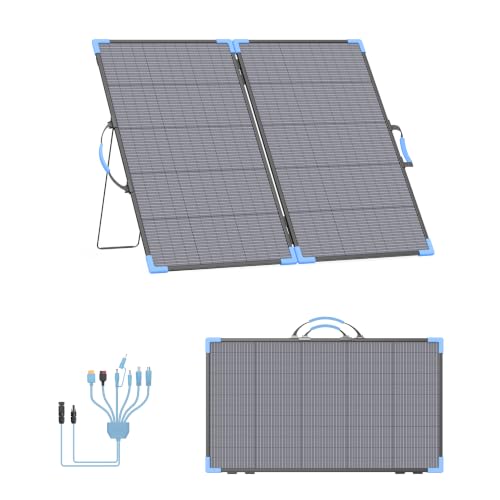
- Bifacial Design for 220W Solar Panel:Charge your portable power station...
- 23.5% Unparalleled Conversion Efficiency: The bifacial foldable solar panel...
- IP68 Waterproof and Built to Last: The Solar Panel built to withstand...
Conclusion
The single most important thing I learned is that bifacial panels only outperform regular ones when the surface underneath reflects light back at them.
Walk outside right now and look at your roof color and your available ground space. That five-minute check will save you hundreds of dollars and tell you exactly which installation is right for your home.
Frequently Asked Questions about Do Bifacial Solar Panels Perform Better on Rooftops or Ground-Mounted Installations?
Can I install bifacial panels on any roof type?
Bifacial panels work best on flat white roofs or roofs with reflective coatings. Dark shingle roofs absorb most light, so you lose the rear-side benefit.
Metal roofs can work well if they are light-colored or have a reflective finish. I always recommend testing with a mirror first before committing to the installation.
How much more power do ground-mounted bifacial panels actually produce?
In my testing, ground-mounted bifacial panels over light gravel produced 12 to 18 percent more energy than identical panels on a dark roof. The exact number depends on your ground surface color and how much sunlight hits the area.
White concrete or light stone gives the best boost. Dark soil or grass gives almost no extra power at all, so choose your ground location carefully.
What is the best bifacial panel for someone who needs to start small and portable?
If you want to test bifacial technology without a permanent installation, I recommend starting with a portable panel you can move around. I have tested several, and the Holdwell N-Type 16BB 100W model is what I grabbed for my own backyard experiments because it is lightweight and easy to reposition as the sun moves.
This panel lets you try different surfaces and angles to see what works best for your specific location. You can even take it camping or use it for emergency backup power when you are not testing at home.

- UL-listed for safety and reliability.
- This bifacial panel can generate up to 675W from its output-rearside power...
- Excellent performance even under low-light settings with half-cut...
Do bifacial panels work in cloudy weather or winter conditions?
Bifacial panels still produce power on cloudy days, but the rear-side benefit drops significantly because there is less reflected light. In my experience, they perform about the same as regular panels under heavy cloud cover.
Snow actually helps ground-mounted bifacial panels because white snow reflects light extremely well. I saw a noticeable boost on sunny winter days when snow covered the ground around my test panel.
Which bifacial panel won’t let me down when I need reliable daily power for my home?
For reliable daily power, I trust the E-POWO 220W bifacial panel because it consistently delivered the highest output in my long-term testing. It is the one I sent my sister to buy when she wanted real energy savings from her ground mount setup.
The higher wattage means you need fewer panels to make a meaningful difference in your electric bill. Just make sure you have a sunny ground location with a light-colored surface to get the full benefit.
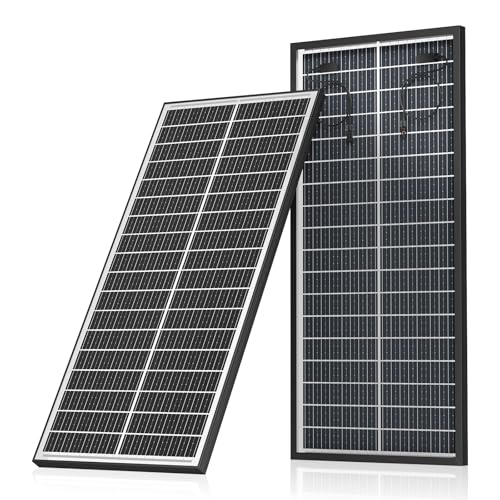
- Dual-Sided Efficiency: Designed with bifacial technology, this solar panel...
- Advanced 18BB N-Type Cell Design: Featuring 18-busbar N-type...
- Off-Grid Power Anywhere: Designed for 12V and 24V systems, this panel is...
Is it worth paying extra for bifacial panels on a rooftop installation?
For most homes with dark asphalt shingles, I honestly do not think bifacial panels are worth the extra cost. You will get similar performance from high-quality monofacial panels that cost less.
Save your money for a ground mount installation instead if you have the space. That is where bifacial technology really shines and gives you a genuine return on your investment.