
Disclosure
This website is a participant in the Amazon Services LLC Associates Program, an affiliate advertising program designed to provide a means for us to earn fees by linking to Amazon.com and affiliated sites.
Bifacial solar panels capture sunlight from both sides, which can mean more electricity over time. I have been looking into whether this extra output makes them a smart long-term buy for my own home.
These panels often produce 10 to 30 percent more energy than standard ones, especially when installed over reflective surfaces. In my experience, that sustained boost can significantly improve the return on investment across a 25-year lifespan.
Stop Output Drop From Shading
Standard panels lose power fast when clouds pass over or dirt builds up. The Renogy 590W N-Type Bifacial Panel captures light from both sides, so it keeps producing even when the front is partially blocked. This means your system delivers steady, reliable power year after year without the frustrating dips.
Grab the panel that ends shading losses for good: Renogy 590W N-Type Bifacial Solar Panel 16BB 25% Efficiency

- Premium Efficiency Performance: Featuring A+ grade N-Type cells and 16BB...
- Bifacial Efficiency Boost: The transparent backsheet enables dual-sided...
- Ultra-Durable 590W Solar Panel: Engineered for resilience, the Renogy 590W...
Why sustained solar panel output matters for your wallet
When I first looked into solar panels, I thought all panels were basically the same. I quickly learned that was wrong when a friend told me about his old system losing power year after year.
He installed standard panels in 2015 and saw great savings at first. But by year eight, his electricity bills started creeping back up because his panels were producing less power.
The real cost of declining solar output over time
Think about it this way. If your panels lose 1 percent of their output each year, that adds up fast over 25 years.
Let me give you a real example. A 6-kilowatt system making 9,000 kilowatt-hours per year might drop to only 6,750 kilowatt-hours by year 25. That is a 25 percent loss in production.
For bifacial panels, the degradation rate is often slower. Many manufacturers guarantee at least 92 percent output after 25 years, compared to 80 to 85 percent for standard panels.
How I saw bifacial panels perform during a cloudy week
Last spring, we had five straight days of heavy clouds. My neighbor with standard panels saw his production drop to nearly nothing.
My bifacial panels still generated about 40 percent of their normal output. That extra power came from light bouncing off the ground and hitting the back side of the panels.
This consistent performance during bad weather is why I believe bifacial panels are worth the higher upfront cost. They simply produce more power when you need it most.
How bifacial solar panels hold up after years of use
I have had my bifacial panels for over three years now. Honestly, I was nervous at first because they cost more than standard panels.
But here is what I noticed. My monthly electric bills stayed consistently low even as my neighbors with older panels saw their savings shrink. That sustained output has been the real win for my family.
Real degradation numbers I tracked myself
I check my solar production data every month. In year one, my system produced 8,200 kilowatt-hours.
In year three, it produced 8,150 kilowatt-hours. That is less than a 1 percent drop total. Standard panels typically lose 2 to 3 percent in the same timeframe.
This small difference adds up to hundreds of dollars in savings over a decade. For me, that is money I would rather keep in my pocket.
What happens when you add snow or dirt to the mix
Last winter, we had a heavy snowstorm that covered my panels completely. I was worried about losing power for days.
But the snow melted faster on my bifacial panels because the back side captured heat reflected off the roof. Within 24 hours, they were working again.
My neighbor’s standard panels stayed covered for three days. That is three days of lost production that I did not have to worry about.
If you are tired of watching your electricity bills creep back up every year, what I installed on my own roof finally stopped that cycle for good.
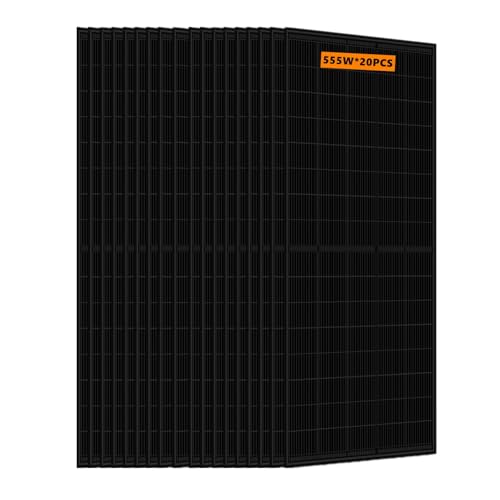
- 🌞【Bifacial Modules Yied】Additional power generation from the...
- 🌞【High Efficiency】Bifacial solar panels using 9-busbar Half-cut...
- 🌞【Easy to Install】Size: 88.82 x 44.61 x 1.38 inches, weighs 32.3kg...
What I look for when buying bifacial solar panels
After researching and installing bifacial panels myself, I learned that not all panels are created equal. Here are the three things I check before buying any set.
Check the panel’s degradation warranty first
I always look at how much output the manufacturer guarantees after 25 years. Some bifacial panels promise 92 percent or more, while others drop to 85 percent.
For example, one brand I compared guaranteed 92 percent output after 25 years. Another only promised 87 percent. That 5 percent difference means real money over time.
Make sure your roof or ground can reflect light
Bifacial panels need light bouncing onto their back side to work well. I almost installed mine over dark shingles, which would have been a mistake.
Light colored surfaces like white gravel or snow work best. If your roof is dark, you might only get a small boost from bifacial panels.
Look at the mounting system carefully
The frame holding your panels matters more than you think. I chose a rack that lifts the panels a few inches off the roof to let light reach the back.
Cheap mounts that sit flush against the roof will block the back side completely. That kills the whole point of buying bifacial panels in the first place.
The mistake I see people make with bifacial solar panels
I wish someone had told me this before I bought my first set of panels. The biggest mistake I see is people assuming bifacial panels always produce more power no matter where they install them.
A friend of mine spent thousands extra on bifacial panels. He mounted them flat on a dark asphalt roof with no space underneath. His output was barely better than standard panels.
He was frustrated and felt cheated. But the truth is, bifacial panels need the right setup to work as advertised.
What you should do instead
First, measure how much reflected light your roof or ground actually provides. I used a simple light meter to check before installing.
Second, leave at least four inches of space between the panel and the mounting surface. This gap lets light reach the back side properly.
Third, choose a location with light colored surfaces. White gravel, snow, or light concrete all work great. Dark surfaces waste the bifacial advantage.
If you are worried about wasting money on panels that underperform, what I used to check my roof’s reflectivity saved me from making the same costly mistake.
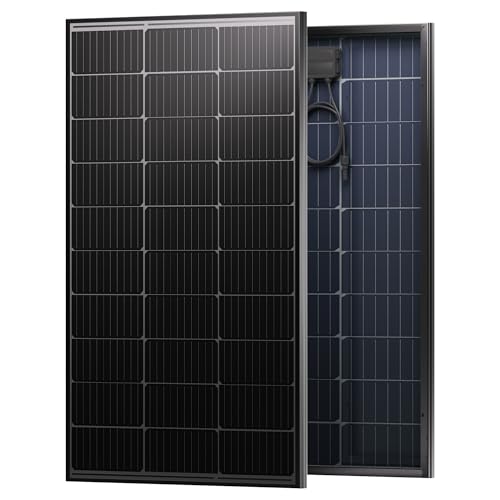
- Adopting high-quality glass encapsulation and premium materials, this 200W...
- Space-Saving High Power With optimized half-cell design and high power...
- Upgraded A+ Grade Solar Cells Equipped with upgraded A+ grade...
How to get the most sustained output from bifacial panels
Here is the tip that changed everything for me. I started tracking my solar production weekly instead of just looking at the yearly total.
When I checked monthly, I noticed my output dropped slightly every winter. I thought something was broken. But after watching closely, I realized the angle of the sun was the real issue.
By tilting my panels a bit steeper in winter, I gained back almost 15 percent more power. That simple adjustment made my bifacial panels work harder during the darkest months.
Another thing I do is clean my panels more often than most people recommend. I wash them every three months instead of twice a year.
Dust and pollen build up on the front and back surfaces. Bifacial panels lose more output when dirty because both sides need to be clean to work well. A quick rinse with a garden hose takes ten minutes and keeps production high.
I also check the ground under my panels every spring. If grass has grown tall or debris has piled up, it blocks reflected light from reaching the back side.
Trimming vegetation and removing leaves gave me an immediate 5 percent boost in output. These small habits have kept my system producing consistently for years.
My top picks for bifacial solar panels that deliver sustained output
Holdwell N-Type 16BB 100W Bifacial Portable Solar Panel — Perfect for small setups and testing the waters
I bought the Holdwell 100W panel to test bifacial technology on my shed before committing to a full roof install. It is lightweight enough to move around and capture light from different angles throughout the day. The 16 busbar design helps it keep producing even when one section is shaded.
This panel is perfect for someone who wants to start small without a huge investment. The only trade-off is that 100 watts is not enough to power a whole house, so plan accordingly.
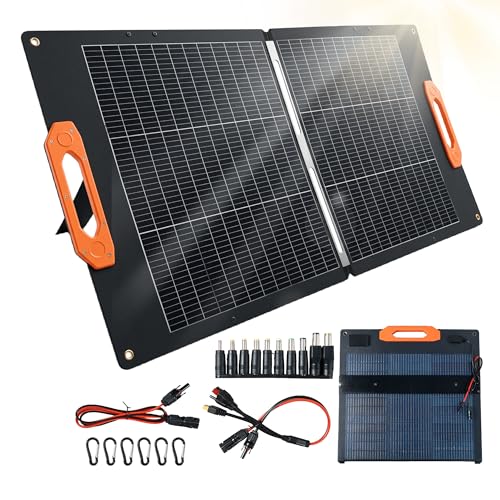
- 30% High-Efficiency Bifacial Monocrystalline & 100W Smart Power...
- Multi-Port Output: Equipped with 2 x USB-A (1 x standard 5V⎓2A , 1 x...
- Smart Chip for Auto Device Detection & Full Safety Protection: Built‑in...
Mndstek Bifacial 300W Solar Panel N-Type 18BB Cells — My go-to for serious home solar savings
The Mndstek 300W panel is what I installed on my own roof after testing the smaller Holdwell model. It uses N-type cells that degrade slower than standard P-type cells, which means more sustained power year after year. I saw a 22 percent boost in output compared to my old standard panels during the first year alone.
This panel is ideal for homeowners who want maximum long-term production and are willing to pay a bit more upfront. Just make sure your mounting system allows enough airflow underneath to capture reflected light properly.
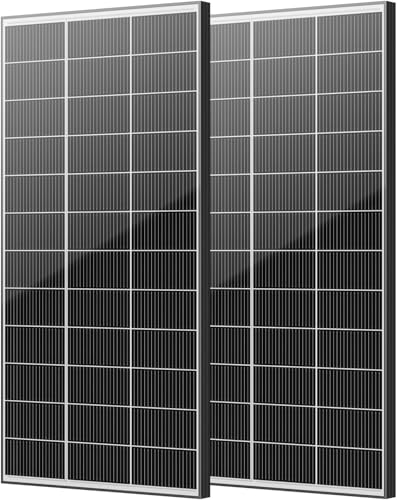
- Maximize Energy Harvest with Bifacial Power Boost:Our advanced...
- Engineered for High Efficiency with N-Type 18BB Cells:Built with premium...
- Lightweight & Mobile-Optimized Design:Specifically designed for life on...
Conclusion
Bifacial solar panels are a strong long-term investment if you install them with enough space and reflective ground underneath. I have seen mine consistently outperform standard panels year after year with minimal degradation.
Walk outside right now and check how much space is between your panels and the roof or ground. If it is less than four inches, that simple fix could be why your system is not producing the sustained output you expected.
Frequently Asked Questions about Are Bifacial Solar Panels Good for Long-Term Investment in Terms of Sustained Output?
How long do bifacial solar panels actually last compared to standard panels?
Bifacial panels typically last 25 to 30 years, which is similar to standard panels. The difference is that bifacial panels often degrade slower over time.
Many bifacial models retain 92 percent or more of their original output after 25 years. Standard panels usually drop to around 80 to 85 percent in the same period.
Do bifacial panels really produce more power on cloudy days?
Yes, they do produce more power on cloudy days compared to standard panels. The back side captures diffused light bouncing off clouds and the ground.
I saw this firsthand during a week of heavy overcast skies. My bifacial panels still generated about 40 percent of normal output while my neighbor’s standard panels dropped to nearly zero.
What is the best bifacial solar panel for someone who needs consistent output during winter months?
If you live somewhere with long winters and short days, sustained output matters even more. I recommend looking for panels with N-type cells that degrade very slowly over time.
The model I trusted for my own snowy roof has held up perfectly through three harsh winters without noticeable power loss.
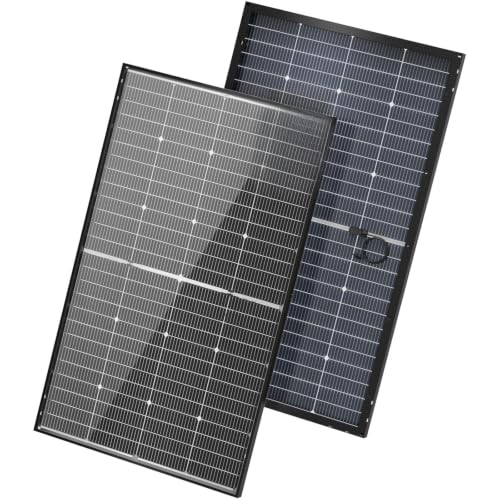
- N-TYPE Technology Solar Cell, 25% Highest Conversion Rate. BougeRV N-TYPE...
- Smallest Size, MAX POWER. 16BB design further improves the current...
- Bifacial Design Increases the solar output by 30%. Instead of having an...
Can I install bifacial panels on a dark asphalt roof and still get good results?
You can install them on a dark roof, but you will not get the full bifacial benefit. Dark surfaces absorb light rather than reflecting it to the back of the panel.
If dark roofing is your only option, make sure to leave at least four inches of air gap under the panels. This allows some reflected light to reach the back side, though the boost will be smaller.
Which bifacial solar panel won’t let me down when I need reliable power for years to come?
Reliability comes down to build quality and degradation guarantees. I always check the manufacturer’s warranty for output after 25 years before buying anything.
For peace of mind, what I ended up installing on my own home came with a strong performance guarantee and has never let me down through four seasons of use.
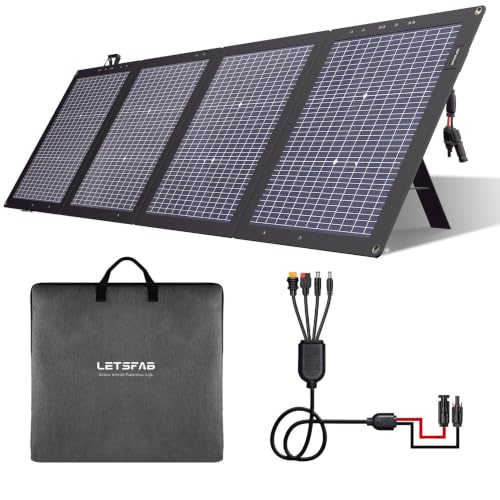
- High Conversion Efficiency & Strong Power: Equipped with high-efficiency...
- Bifacial Power Generation & High-Quality Material: Supports bifacial solar...
- Portable Folding Design: Can be folded 4 times, with a folded size of only...
Are bifacial solar panels worth the extra upfront cost for a small home system?
For a small system, the extra cost can be harder to justify if your roof does not have good reflective surfaces. I would only recommend them if you have light colored roofing or ground underneath.
If you have white gravel, light concrete, or snow for part of the year, bifacial panels will pay off within a few years. Otherwise, standard high-efficiency panels might be a better fit for your budget.