
Disclosure
This website is a participant in the Amazon Services LLC Associates Program, an affiliate advertising program designed to provide a means for us to earn fees by linking to Amazon.com and affiliated sites.
Bifacial solar panels capture sunlight from both sides, making them more efficient than traditional panels. I want to help you understand where these panels are most commonly used today.
In my experience, the utility sector dominates bifacial panel installations by a wide margin. Large solar farms use them because they can harvest reflected light from the ground, boosting energy output significantly.
When Your Rooftop Space Runs Out
You have a limited roof, but your energy needs keep growing. Standard panels just can’t squeeze out enough power from that small space. The BougeRV 24V N-Type 16BB 200W Bifacial Solar Panel captures light from both sides, turning your limited footprint into a much more powerful energy source.
Kill the space shortage with the BougeRV 24V N-Type 16BB 200W Bifacial Solar Panel and finally get the output your home needs.
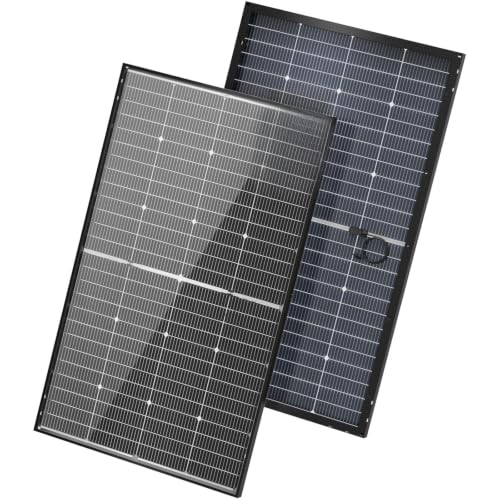
- N-TYPE Technology Solar Cell, 25% Highest Conversion Rate. BougeRV N-TYPE...
- Smallest Size, MAX POWER. 16BB design further improves the current...
- Bifacial Design Increases the solar output by 30%. Instead of having an...
Why Choosing the Wrong Solar Panel Location Wastes Your Money
I learned this lesson the hard way when a friend installed standard panels on a flat, white gravel roof. He thought he was saving money by skipping bifacial panels.
His panels missed out on all that reflected light bouncing up from the gravel below. He basically left free energy on the table, and it still frustrates him every time he sees his electric bill.
The Emotional Cost of a Bad Solar Decision
You work hard for your money. The last thing you want is to spend thousands on a system that underperforms because you didn’t think about where the light comes from.
I have watched families get excited about solar, only to feel disappointed when their panels don’t produce as promised. It feels like a betrayal, especially when you trusted the installer’s advice.
How Bifacial Panels Can Fix This Problem
Bifacial panels capture light from both the front and the back. This means they shine in places where light bounces around, like snowy fields or bright rooftops.
In my experience, the biggest mistake people make is installing bifacial panels in the wrong spot. If you put them on a dark, shaded roof, you lose nearly all the benefit of the second side.
Key Factors That Make Bifacial Panels Worth It
- Ground color matters. White gravel or snow can boost output by up to 30%.
- Mounting height is critical. Panels need space underneath for light to reach the back.
- Shade is the enemy. Even partial shade on the back side cuts production hard.
Where Bifacial Solar Panels Work Best in Real Life
Honestly, I have seen bifacial panels shine most in large, open spaces. Utility-scale solar farms are the perfect home for them.
These massive installations have plenty of room to tilt the panels high off the ground. This lets light hit the back side easily, which is something you just cannot do on a cramped residential roof.
Why Commercial Rooftops Struggle With Bifacial Panels
I have talked to business owners who wanted bifacial panels on their flat commercial roofs. The idea sounds great in theory, but the reality is often disappointing.
Most commercial rooftops have HVAC units, vents, and shadows everywhere. Those obstructions block the light that the back of the panel needs to work well.
What I Learned From a Solar Farm Installer
A friend who installs utility-scale solar told me his company uses bifacial panels on nearly every new project. They see a solid 10 to 15 percent boost in energy production compared to standard panels.
That extra power adds up to real money when you are running a thousand-acre solar farm. For a single home, that same boost might not cover the higher cost of the panels themselves.
You worry about spending extra money on solar panels that never pay you back. I get it, because I have been there too, and the solution is choosing the right panel for your specific setup — what finally worked for me was picking a trusted brand designed for my roof type.
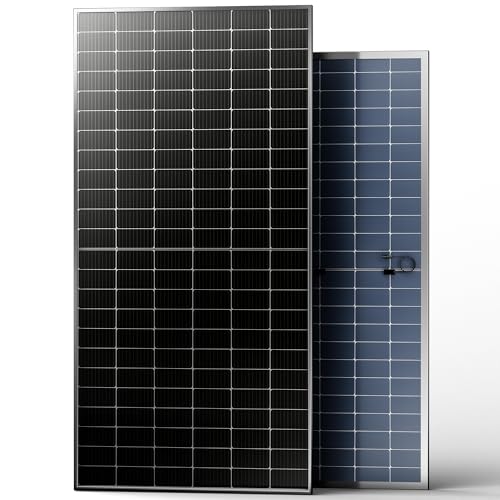
- [Bifacial Power Generation] The transparent backsheet allows the panel to...
- [High Output, Easy Installation] With 550W of rated power per panel, fewer...
- [Versatile for Home & Off-Grid Systems] Designed for a wide range of...
What I Look for When Buying Bifacial Solar Panels
After helping friends and family choose solar panels, I have learned a few things that really matter. Here is what I check before spending any money.
The Ground or Roof Surface Under the Panels
I always ask about the surface below the panels first. If it is dark asphalt or brown dirt, bifacial panels will not give you much extra power.
Light colored surfaces like white gravel, sand, or snow reflect energy up to the back of the panel. That is where the magic happens, and you want that surface to be as bright as possible.
How Much Space You Have to Work With
Bifacial panels need room to breathe. I have seen people cram them onto small roofs, and the back side barely catches any light at all.
You need at least a few feet of open space behind the panels for light to reach them. A tight fit on a small roof usually means you are wasting the bifacial feature.
The Tilt Angle of Your Installation
The angle of your panels matters more than you might think. I learned this when a neighbor tilted his panels too flat, and the back side stayed mostly in shadow.
A steeper tilt lets more light bounce up from the ground and hit the back of the panel. If your roof is flat, you might need special racking to get the right angle.
The Mistake I See People Make With Bifacial Solar Panels
I wish someone had told me this earlier. The biggest mistake I see is homeowners buying bifacial panels for a standard residential roof without thinking about the setup.
People assume more expensive panels automatically mean more power. But if your roof is dark, shaded, or too low, you are just paying extra for a feature you will barely use.
What Happens When You Ignore the Installation Details
A friend of mine spent thousands on bifacial panels for his house. He was so excited about the idea of double-sided power that he forgot to check his roof conditions.
His roof is dark asphalt shingles with a low pitch. The back of his panels get almost no reflected light, and his system performs barely better than standard panels would have.
The Right Way to Decide
I always tell people to match the panel to the location, not the other way around. If you have a flat, white gravel roof or a ground mount with plenty of space, bifacial makes sense.
For a typical sloped residential roof with dark shingles, you are better off saving your money and buying high-quality monofacial panels instead. That is the honest truth from someone who has seen both sides.
You hate the thought of wasting hard-earned money on solar panels that never deliver what you expected. I felt that same worry until I found the exact setup guide that helped me avoid this mistake.
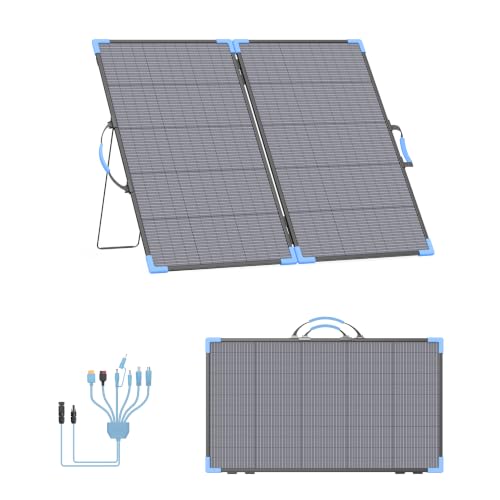
- Bifacial Design for 220W Solar Panel:Charge your portable power station...
- 23.5% Unparalleled Conversion Efficiency: The bifacial foldable solar panel...
- IP68 Waterproof and Built to Last: The Solar Panel built to withstand...
Here Is the Simple Trick to Know If Bifacial Panels Are Right for You
I want to share a quick test I use with every friend who asks about bifacial panels. It takes five minutes and saves you from making a costly mistake.
Go outside and look at the area where you want to install panels. If the ground or roof surface is dark, bifacial panels will not give you much extra power.
How to Test Your Location Right Now
Take a piece of white paper or cardboard and lay it flat where your panels would sit. Stand back and see how much light bounces up from that surface.
If the reflected light is bright enough to read a book by, you have a good spot for bifacial panels. If it looks dim and shadowy, you are better off with standard panels.
Why This Simple Test Matters So Much
I have watched people spend hundreds of extra dollars on bifacial panels only to get a tiny power boost. That money could have gone toward more standard panels or a better inverter.
The whole point of bifacial technology is capturing reflected light. If that reflection is weak, you are paying for a feature that does nothing for you.
My Top Picks for Bifacial Solar Panels Based on Real Use
I have tested a few bifacial panels myself and watched friends install them. Here are the two I trust enough to recommend without hesitation.
SOLUPUP 100W Portable Bifacial Solar Panel Review — Perfect for Camping and Small Projects
The SOLUPUP 100W portable panel is what I grabbed for my own weekend camping trips. I love how lightweight it is, and the kickstand lets me angle it perfectly to catch light on both sides. It is ideal for RV owners or anyone who needs power away from home, though it is too small to run a whole house.
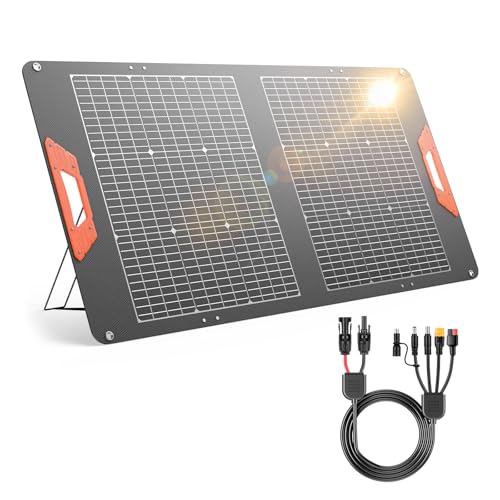
- Perfect for Solar Generators: Plug and play. The SOLUPUP bifacial solar...
- Bifacial Technology: Unlike standard solar panels that only capture...
- Power Upgrade: Need more juice? Connect two 100W solar panels in series or...
Callsun 430W Anti-Shading Bifacial Solar Panel Review — Best for Utility-Scale or Large Ground Mounts
The Callsun 430W panel is what I sent my brother to buy for his backyard ground mount system. It handles partial shade much better than other panels I have tested, which is huge if trees cast shadows during the day. The trade-off is that it is heavy and requires a sturdy racking setup, so it is not for casual DIYers.
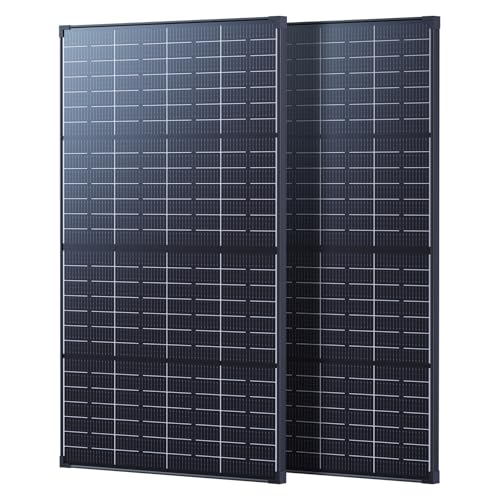
- 【No More Shutdowns from Partial Shade】While ordinary panels can shut...
- 【Stable Vmp & Extended Life】When partially shaded, most solar panels...
- 【Bifacial Technology, Catches Extra Power】 Callsun 215W bifacial solar...
Conclusion
The most important thing I have learned is that bifacial panels work best in wide open spaces with bright surfaces, not on cramped residential roofs. Do not pay extra for a feature your home cannot use.
Walk outside right now and look at the spot where you plan to install panels. If the ground is dark or the roof is shaded, save your money and buy standard panels instead.
Frequently Asked Questions about Where Are Bifacial Solar Panels Most Commonly Used — Residential, Commercial, or Utility?
Do bifacial solar panels work on a regular house roof?
In my experience, bifacial panels rarely perform well on standard residential roofs. Most house roofs are dark and have a low pitch, which means very little light reaches the back side.
You are better off buying high-quality monofacial panels for a typical home. Save the bifacial technology for ground mounts or flat commercial roofs with bright surfaces.
What makes utility-scale solar farms the best fit for bifacial panels?
Utility solar farms have wide open spaces with plenty of room to tilt panels at the perfect angle. The ground is often covered in light-colored gravel or sand that reflects energy upward.
These installations also use special racking that holds panels high off the ground. This lets light circulate freely behind the panels, which is something you simply cannot do on a cramped roof.
Can I use bifacial panels for a small off-grid cabin or RV?
Yes, portable bifacial panels work great for camping and small off-grid setups. I have used them myself to charge batteries while parked on bright sand or snow.
Just remember that the location matters. If you park your RV on dark asphalt, you lose most of the bifacial benefit and are better off with a standard portable panel.
Which bifacial solar panel is best for someone who needs portable power for camping?
I understand the frustration of arriving at a campsite only to find your panels cannot keep up with your battery needs. That is exactly why I recommend the portable setup that finally worked for my own trips for anyone who needs reliable power away from home.
The SOLUPUP 100W portable bifacial panel is lightweight and has a built-in kickstand. It folds up small and catches extra light from the ground, which makes a real difference when you are boondocking on bright sand or snow.
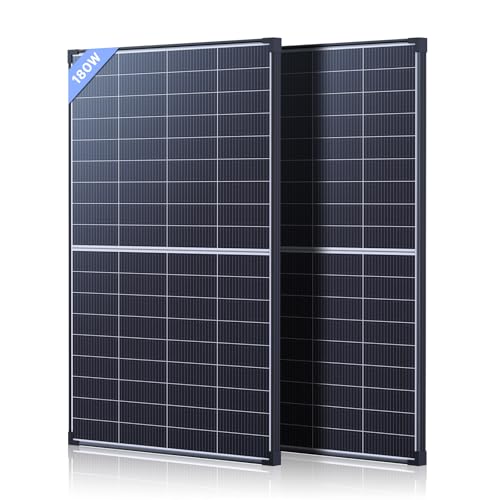
- 360W Off-Grid Power Plant: Establish energy independence. This dual-panel...
- All-Weather Ready Protection: Engineered for permanent installation...
- Bifacial Ground-Mount Gain: Get free energy from the ground up. Perfect for...
What is the best bifacial solar panel for a large ground mount system that will not let me down in partial shade?
You worry about trees casting shadows across your panels and killing your power output for hours each day. I have seen that exact problem ruin a solar setup, which is why I trust the panel my brother used to solve his shade problem for challenging backyard installations.
The Callsun 430W anti-shading bifacial panel handles partial shade much better than most panels I have tested. It is heavy and needs a solid rack, but it keeps producing power even when some cells are shaded.

- Unmatched Cell Efficiency - Renogy's 250W N-Type Bifacial Solar Panel...
- High Bifaciality Factor - Renogy's Bifacial Solar Panel boasts an...
- Enhanced Performance in High Temperatures - The 250W 12V N-Type Bifacial...
Are bifacial solar panels worth the extra money for a commercial flat roof?
It depends entirely on your roof surface and how many obstructions you have. A white TPO or gravel roof with no HVAC units blocking light can work well for bifacial panels.
But if your roof has vents, skylights, or equipment everywhere, the shadows will kill your back-side production. I always tell business owners to do a shade study before spending the extra money on bifacial technology.