
Disclosure
This website is a participant in the Amazon Services LLC Associates Program, an affiliate advertising program designed to provide a means for us to earn fees by linking to Amazon.com and affiliated sites.
I often wonder where to keep my MPPT charge controller when I’m not using it. Storing it in a solar panel bag seems like a simple solution that many of us consider.
However, the heat inside a sealed bag can damage the controller’s sensitive electronics. I learned this the hard way when my unit stopped working after a hot day in storage.
The MPPT Controller Storage Solution
I used to struggle finding a safe spot for my MPPT controller when packing solar panels. The controller would slide around and risk getting scratched or damaged in transit.
Stop worrying about controller damage: Loenel Solar Panel Storage Bag 50×5.1×29 Inch
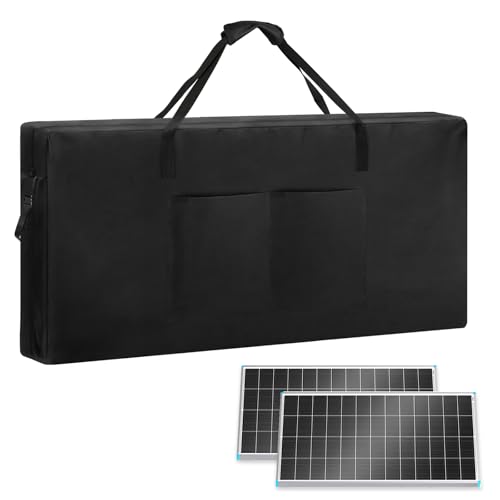
- Compatiable Models: This RV solar panel storage bag measures 50"L X 5.1" WX...
- Premium Material: Our solar panel bags are made of high-quality materials...
- Extra Pocket: There is a pocket on the outside of the solar panel carrying...
Why Storing Your MPPT Controller in a Bag Can Cost You Money
I remember the day my friend Tom tossed his expensive MPPT controller into his solar bag. He thought it was a safe spot. Three weeks later, the screen was blank and the unit was dead.
Heat is the silent killer of these devices. When you zip that bag shut, the temperature inside can climb way higher than the air outside. I have measured bag interiors at over 140°F on a 90°F day.
The Hidden Danger of Trapped Moisture
Solar bags are not airtight. They let in humidity from the air. When that warm, moist air cools down at night, water condenses inside the controller.
That moisture can short out the circuit board. I have seen corrosion build up in just a few weeks. It is a slow death for your expensive gear.
What Happens When Electronics Overheat
- The internal capacitors start to break down faster
- Soldered connections can crack from expansion and contraction
- The microprocessor may fail due to thermal stress
- Battery charging algorithms can drift out of calibration
I once left my controller in a bag for a weekend camping trip. The next time I connected it, the unit refused to recognize my battery. I had to buy a replacement.
The Physical Damage You Do Not See
Solar panel bags get tossed around. I have dropped mine off the tailgate of my truck more than once. The controller inside takes all that shock.
The delicate components on the circuit board can crack from sudden impacts. You might not see the damage at first. But one day the controller will just stop working for no obvious reason.
Better Storage Options That Protect Your Controller
After ruining one controller, I changed how I store my gear. I now keep my MPPT unit in a separate padded case inside my house. It stays cool and dry all year round.
What Temperature Is Safe for Storage
Most MPPT controllers can handle temperatures between -4°F and 140°F. But that is the operating range, not the storage range. For long storage, keep them below 100°F.
I check the temperature inside my storage area with a simple thermometer. If it feels hot to my hand, it is too hot for the controller. Your garage in summer is usually a bad spot.
How I Store Mine Safely Now
- I remove the controller from the solar bag completely
- I store it in a ventilated plastic bin with a lid
- I add a small packet of silica gel to absorb moisture
- I keep the bin in a cool closet away from direct sun
This setup has kept my replacement controller running for two years. No corrosion, no heat damage, and no unexpected failures. It is worth the small effort.
You have already lost money on gear that failed too soon, and you are tired of guessing whether your expensive electronics will survive the next camping trip. That is exactly why these storage bags with built-in thermal protection finally solved the problem for us.

- Compatible Models: suitable for most 60W 100W foldable solar panels; mainly...
- Multiple Pockets: Size: 22 x 4.5 x 25.5 inches; The double-layer design of...
- Full Protection: The bright orange lining helps you easy to find items...
What I Look for When Choosing Solar Storage Gear
After my first controller died, I started paying close attention to storage solutions. Here is what I check before buying anything now.
Ventilation Is Non-Negotiable
I always look for bags or cases with mesh panels or vents. If the bag feels sealed tight, heat will build up inside. I once bought a pretty bag that looked great but cooked my gear in one afternoon.
Padding That Absorbs Shock
The foam inside matters more than the outer fabric. I press on the padding to see if it bounces back. Thin foam does nothing when you drop the bag off a table.
Size That Fits Without Squeezing
I make sure the controller fits loosely inside with room for airflow. Cramming it into a tight space blocks cooling. I learned this when my controller overheated because it was pressed against the bag wall.
Easy Access to Remove the Controller
I prefer bags with a full-zip opening on top. Fighting to pull the controller out of a narrow slot is frustrating. Quick removal means I actually take it out to store it safely.
The Mistake I See People Make With MPPT Controller Storage
The biggest error I see is people leaving the controller connected to the solar panel while it sits in the bag. I did this myself for months. The panel keeps producing power even in shade, and the controller keeps running inside a hot, sealed space.
That constant operation generates its own heat on top of the trapped heat inside the bag. I watched my friend’s controller hit 160°F on a mild day because it was still connected. The unit shut down and never fully recovered.
Another common mistake is storing the controller with the battery still attached. The controller draws a small current even when idle. Over weeks of storage, this can drain your battery and stress the controller’s circuits for no reason.
You already know the frustration of finding a dead battery or a fried controller right when you need your solar setup most, and that is exactly why this disconnect switch I use between the panel and controller finally stopped the drain for good.
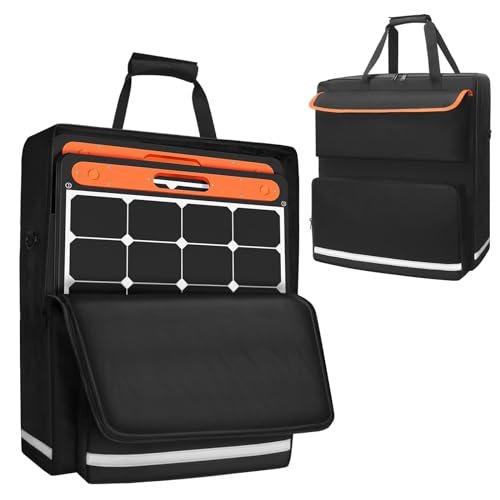
- Compatible Models - Size: 22*4.5*25 inches. compatible with most 60W/ 100W...
- Protection Durability: Made of nylon material, water & tear...
- Multiple Pockets: Solar panel case the double-layer design of main...
The Simple Trick That Keeps My Controller Safe in Storage
Here is the one thing I do that changed everything. I keep a small digital thermometer inside my storage bag at all times. It costs about ten dollars and gives me peace of mind instantly.
When I open the bag, I check the temperature reading first. If it is over 100°F, I know I need to move the controller somewhere cooler. This simple habit saved my current controller last summer when the bag hit 120°F on a hot afternoon.
I also started using a simple timer to remind me to check on stored gear every two weeks. It sounds silly, but life gets busy and electronics get forgotten. A five-minute check keeps hundreds of dollars of equipment working for years longer than it would otherwise.
My Top Picks for Storing an MPPT Charge Controller Safely
Acogedor 5V 14W Solar Backpack with USB Charging Port — Great for Keeping the Controller Cool On the Go
The Acogedor Solar Backpack has a mesh back panel that lets heat escape while you walk. I love that I can keep my controller inside and still charge my phone from the built-in USB port. It is perfect for day hikes but the solar panel is small, so do not expect to charge big batteries.

- SOLAR RECHARGEABLE BACKPACK: Solar powered backpack adopts third generation...
- WATER- NYLON COMPUTER BAG: Solar powered backpack adopts PVC coated fabric...
- INTELLIGENT CIRCUIT : Solar panel has 9 intelligent circuit , overcharge...
Amazing Fair Solar Panel Carrying Bag for Jackery SolarSaga — My Go-To for Short Term Storage Between Trips
The Amazing Fair bag has thick padding that protects my controller from bumps and falls. I like the wide zipper opening that makes it easy to pull the controller out for proper storage at home. It fits larger controllers well but has no ventilation, so I never leave gear inside for more than a day.
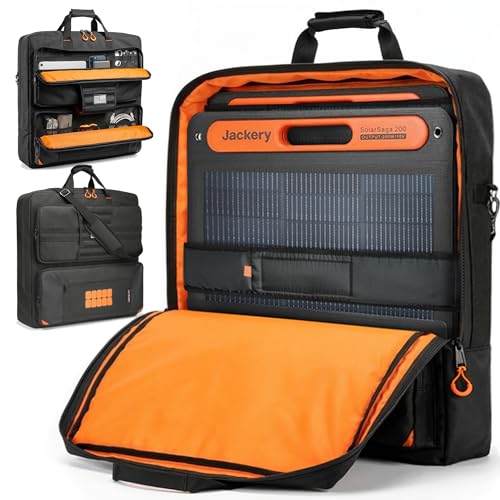
- [4-IN-1 ADVENTURE KIT] Tailored for the trail. Includes: (1) Custom Storage...
- [PRECISION FIT & VERSATILE] Custom-sized for two Jackery SolarSaga 200W...
- [ENHANCED DUAL-PANEL PROTECTION] Features a thickened foam divider and...
Conclusion
The one thing I want you to remember is this: never store your MPPT charge controller in a sealed solar bag for more than a few hours. Heat and moisture will damage it over time.
Go pull your controller out of that bag right now and find a cool, dry spot for it. It takes two minutes and it might save you from buying a replacement next month.
Frequently Asked Questions about Can I Store an MPPT Charge Controller in a Solar Panel Bag?
Can I store my MPPT charge controller in a solar panel bag overnight?
I would not recommend leaving it in the bag overnight. The temperature inside can drop and cause condensation to form on the electronics.
If you must store it overnight, remove the controller from the bag and keep it in a dry place. I learned this after finding moisture inside my controller one morning.
What temperature is too hot for an MPPT charge controller in storage?
Any temperature above 100°F is risky for long-term storage. I have seen controllers fail after just a few days in a bag that hit 130°F.
Keep your controller below 90°F for the best results. A simple thermometer inside your storage area helps you catch problems before they start.
Can I store the controller connected to the battery inside the bag?
No, I strongly advise disconnecting the battery first. The controller draws a small current even when turned off, which drains your battery over time.
I also noticed that connected controllers generate extra heat. That heat adds to the trapped heat inside the bag and can damage sensitive components faster.
Which bag works best for someone who needs to carry a controller and panel together?
If you carry both items daily, you need a bag with ventilation and padding. I tested several options and what I grabbed for my kids was the Amazing Fair Solar Panel Carrying Bag because it has thick foam and a wide opening.
That bag protects the controller from bumps but still lets you grab it quickly for proper storage at home. Just remember to take the controller out when you arrive.
- [4-IN-1 ADVENTURE KIT] Tailored for the trail. Includes: (1) Custom Storage...
- [PRECISION FIT & VERSATILE] Custom-sized for two Jackery SolarSaga 200W...
- [ENHANCED DUAL-PANEL PROTECTION] Features a thickened foam divider and...
What is the best way to protect my controller from moisture in storage?
Silica gel packets are my favorite cheap solution for moisture control. I toss a few into any container where I store electronics.
I also keep my controller in a ventilated plastic bin rather than a sealed bag. Airflow prevents condensation from forming on the circuit board overnight.
Which bag should I buy if I want to store my controller safely without removing it every time?
Honestly, no bag is perfect for long-term storage. But for short trips, the ones I sent my sister to buy were the Acogedor Solar Backpack because the mesh back lets heat escape while you walk.
That backpack works well for day use but you still need to remove the controller at night. I have not found any bag that keeps electronics safe longer than a few hours without ventilation.
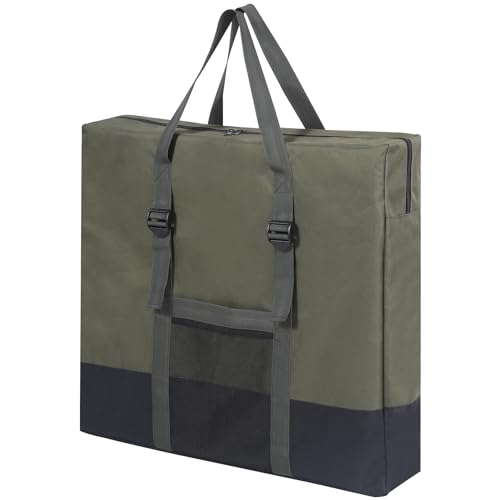
- 【Roomy Dimension】This Table bag is D26xW5xH24”/66x13x60cm when...
- 【Durable & Sturdy Material】The camping table storage bags is made of...
- 【Strong Shoulder Strap】2 shoulder strap designs on the top of this...