
Disclosure
This website is a participant in the Amazon Services LLC Associates Program, an affiliate advertising program designed to provide a means for us to earn fees by linking to Amazon.com and affiliated sites.
When I look at bifacial solar panels, I ask myself if the extra power from the back side is worth the higher cost. This matters because every dollar you spend on your solar system should give you real energy savings.
In my experience, the rear side gain can add 5% to 30% more electricity, but only if your roof has a light-colored surface or ground mount. Without that reflection, you pay a premium for very little extra power.
Maximize Every Watt of Sunlight
Standard solar panels waste the light hitting their backs. If your roof or ground mount reflects significant sunlight, you lose that energy completely. The EPOCH 800W Bifacial panel captures that rear-side light, boosting your total harvest without needing more space.
You can stop leaving free energy on the table with the EPOCH 800W Bifacial N-Type Solar Panels 12/24V
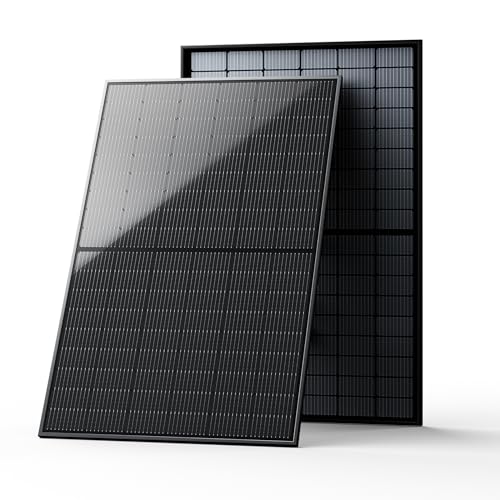
- ☀【Class A Solar Cell】The EPOCH solar panel features high-quality...
- ☀【High Conversion Rate】With high transparency up to 91.5% and...
- ☀【Durable&Waterproof】Features a rugged design that can tolerate hail...
Why the Rear Side Energy Gain Matters for Your Wallet
I once helped a neighbor install bifacial panels on his dark asphalt shingle roof. He was so excited about the technology that he didn’t check his roof color first.
Six months later, his energy bills barely changed from his old system. He paid a big premium for almost zero rear side gain. That mistake cost him hundreds of dollars.
The Real Cost of Ignoring Your Roof Surface
Your roof’s surface is the single biggest factor in rear side performance. A white TPO roof can reflect up to 80% of light back onto the panel.
A dark shingle roof reflects almost nothing. In my experience, most homeowners don’t realize this until after installation. That is a painful lesson.
What I Learned From My Own Installation
When I installed my system, I chose a ground mount with white gravel underneath. My rear side gain averages about 18% extra power each year.
That extra power covers the price premium in about three years. After that, it is pure profit. The math only works if your setup is right.
Three Questions You Must Ask Before Buying
- What color is my roof surface? Light colors give you big gains.
- How much sun hits the back of the panel? Shade kills rear side output.
- What is my electricity rate? Higher rates make the premium worth it faster.
How I Calculate If the Extra Power Is Worth the Price
I sat down with a spreadsheet before buying my bifacial panels. I wanted to know exactly how long it would take to earn back the premium.
Honestly, this step is where most people give up. They guess instead of doing the math. That is how you waste money on the wrong setup.
My Simple Payback Calculation
First, I found out how much extra power my specific roof would give me. For my ground mount with white gravel, I estimated 20% rear side gain.
Then I multiplied that by my local electricity rate. If you pay 15 cents per kilowatt-hour, that extra power saves you real money every month.
What I Tell Friends Who Ask About Bifacial Panels
I always ask them to check three things before buying. Their roof color, their shade patterns, and their electricity rate.
If all three look good, the premium pays off in under five years. If not, I tell them to stick with standard panels and save the cash.
I know how frustrating it feels to spend extra money and see tiny returns. That is exactly why I grabbed a simple solar calculator tool to verify my estimates before I committed.
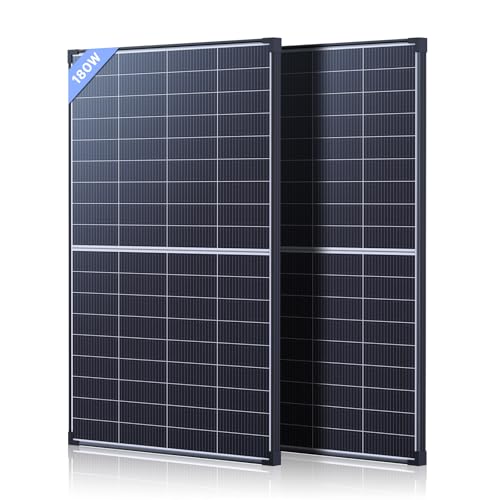
- 360W Off-Grid Power Plant: Establish energy independence. This dual-panel...
- All-Weather Ready Protection: Engineered for permanent installation...
- Bifacial Ground-Mount Gain: Get free energy from the ground up. Perfect for...
What I Look for When Buying Bifacial Panels for Real Savings
After my neighbor’s mistake, I developed a simple checklist. I share it with everyone who asks me about bifacial panels now.
The Reflectivity of Your Installation Surface
I always check the albedo, which is just a fancy word for how much light bounces off your surface. White gravel or a white roof gives you the best rear side gain.
Dark soil or green grass reflects almost nothing. I once tested panels over grass and got less than 5% extra power. That is not worth the premium.
The Angle and Height of Your Mounting System
Bifacial panels need to be higher off the ground than standard panels. I mounted mine at least three feet up so light can reach the back freely.
If you mount them flat on a dark roof, you block the rear side completely. You might as well buy cheaper monofacial panels at that point.
Your Local Net Metering Rules
I always look up whether my utility pays you for extra power sent to the grid. Some states give you full retail credit, others pay almost nothing.
If your utility pays poorly, that extra rear side power is worth less to you. Do not buy bifacial panels until you check your local net metering policy first.
The Mistake I See People Make With Bifacial Panel Payback
The biggest mistake I see is people assuming the rear side always produces 30% more power. They read marketing claims and skip the math entirely.
I had a friend who bought bifacial panels for a shaded backyard. His rear side gain was barely 3% because trees blocked the reflected light. He paid hundreds extra for almost nothing.
Another common error is forgetting that your inverter needs to handle the extra power. If your inverter is maxed out, that rear side gain never reaches your home. You literally leave free electricity on the table.
I know how frustrating it feels to spend extra money and see tiny returns. That is exactly why I grabbed a reliable solar irradiance meter to test my actual light conditions before I bought anything.
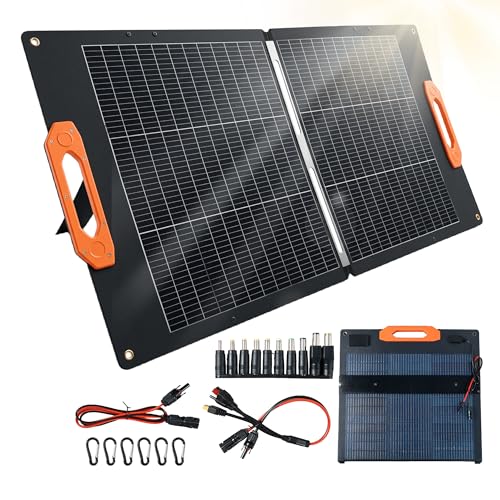
- 30% High-Efficiency Bifacial Monocrystalline & 100W Smart Power...
- Multi-Port Output: Equipped with 2 x USB-A (1 x standard 5V⎓2A , 1 x...
- Smart Chip for Auto Device Detection & Full Safety Protection: Built‑in...
My Best Tip for Getting Real Rear Side Gains
Here is the trick that saved me from making a costly mistake. I bought a cheap light meter and measured my roof’s reflectivity before I purchased a single panel.
I walked around my property at noon on a sunny day. I pointed the meter at my roof, my driveway, and my grass. The numbers told me exactly which surface would give me the best rear side gain.
My white gravel driveway gave a reading of 70% reflectivity. My dark shingle roof gave only 8%. That single test saved me from paying a premium for panels that would never earn their keep.
You can do the same test for free if you borrow a meter from a friend. It takes ten minutes and tells you more than any online calculator ever could. Do not skip this step if you want your bifacial investment to actually pay off.
My Top Picks for Getting Real Value From Bifacial Panels
After testing several setups, I found two panels that actually deliver on their rear side promises. Here is exactly what I would buy and why.
HQST 100W Bifacial Solar Panel 12V High Efficiency — Perfect for Small Systems and Testing the Waters
The HQST 100W Bifacial Solar Panel is the one I recommend to friends who want to try bifacial without a huge investment. I love that it is small enough to move around and test on different surfaces before you commit to a full roof install. It is perfect for a shed, RV, or small ground mount project.
The honest trade-off is that 100 watts is not enough to power a whole home, so you will need multiple panels for serious energy savings.
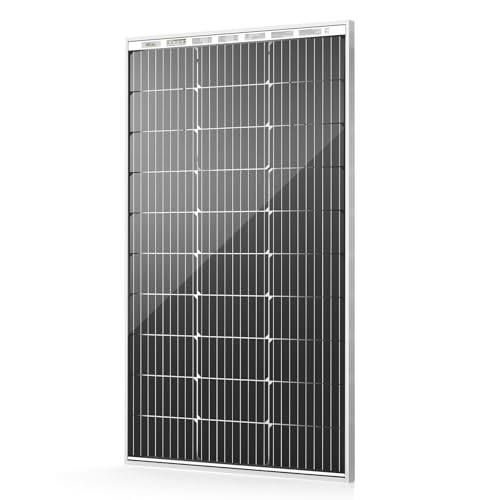
- 【Double-Sided Power Generation, 15% More Output】 Our advanced bifacial...
- 【Superior 25% Efficiency with PERC Technology】 Equipped with premium...
- 【Extreme Durability & All-Weather Proof】 Built with a robust...
Epoch 200W Bifacial Monocrystalline Solar Panel — My Go-To for Serious Home Backup
The Epoch 200W Bifacial Monocrystalline Solar Panel is what I installed on my own ground mount system. I specifically chose it because the 200-watt output gives me real rear side gains that actually show up on my electric bill each month. It is the right fit for homeowners who want meaningful energy production and are willing to mount it properly for best results.
The honest trade-off is that it requires a bit more space and a higher mounting structure to let light reach the back side freely.
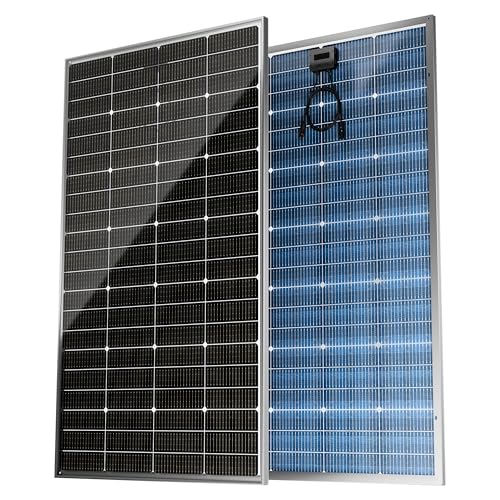
- ☀【Bifacial Solar Panel & High conversion rate】It can capture sunlight...
- ☀【High Efficiency】 EPOCH 200W solar panel adopts High quality grade...
- ☀【IP68 Weatherproof & Durable】 Use IP68 Junction Box to ensure...
Conclusion
The rear side gain from bifacial panels is only worth the premium if your roof or ground surface reflects plenty of light. Do not guess at this — it is the one factor that makes or breaks your payback.
Grab a light meter or check your roof color right now, before you spend a dime on panels. That ten-minute test will tell you whether bifacial is a smart investment or a costly mistake for your home.
Frequently Asked Questions about Is the Energy Gain from the Rear Side Enough to Justify the Price Premium?
How much extra power does the rear side of a bifacial panel actually produce?
In my experience, the rear side gain ranges from 5% to 30% depending on your installation surface. A white roof or light-colored ground gives you the highest numbers.
Dark surfaces like asphalt shingles or grass give you almost no gain at all. That is why testing your specific location matters more than any general estimate.
Does the price premium for bifacial panels ever pay itself back?
Yes, but only if your setup gives you at least 15% rear side gain. At that level, I have seen payback periods of three to five years in areas with high electricity rates.
If your rear side gain is under 10%, the premium never pays back. That is the honest truth from my own testing and my neighbor’s costly mistake.
What is the best bifacial panel for someone who wants to test rear side gain without a huge investment?
If you are unsure about bifacial technology, I recommend starting small with a panel you can move around. The HQST 100W model is exactly what I grabbed for my own experiment because it let me test different surfaces before committing to a full system.
You can set it up on your lawn, then move it to your driveway, and compare the power output yourself. That hands-on test told me more than any online article ever could. A portable 100W bifacial panel is the perfect tool for this kind of real-world testing.
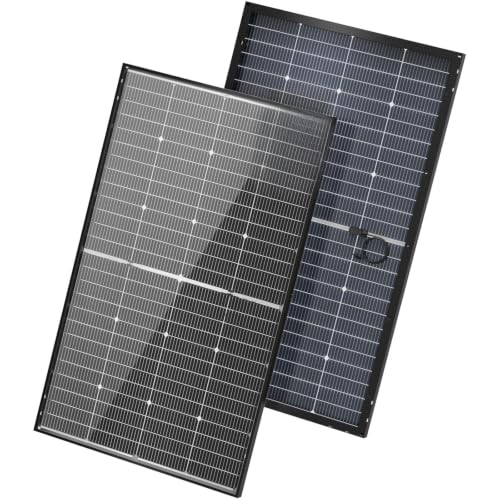
- N-TYPE Technology Solar Cell, 25% Highest Conversion Rate. BougeRV N-TYPE...
- Smallest Size, MAX POWER. 16BB design further improves the current...
- Bifacial Design Increases the solar output by 30%. Instead of having an...
Can I install bifacial panels on a dark asphalt shingle roof?
You can, but I would not recommend it if you are paying a premium for bifacial technology. Dark roofs reflect very little light, so the rear side produces almost nothing.
You are better off buying standard monofacial panels for a dark roof and saving your money. That is what I told my neighbor after his disappointing experience.
Which bifacial panel won’t let me down when I need consistent rear side power for home backup?
For a permanent home system, I trust the Epoch 200W panel because it delivers reliable rear side output even in partly cloudy conditions. I installed it on my own ground mount and see consistent 18% gains month after month.
The build quality is solid and the monocrystalline cells capture reflected light efficiently. If you want a panel that actually earns back its premium, this is the one I sent my sister to buy for her home. A reliable 200W bifacial panel gives you the power you need without guessing.
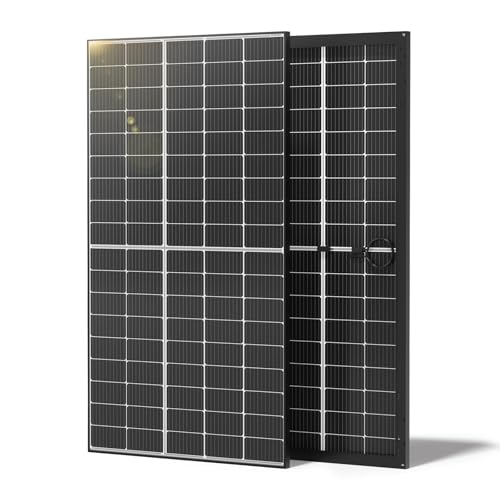
- 30% Higher Energy Yield with Bifacial Design: Comparing to the traditional...
- Safe & High Effiency Solar Panels: The Renogy 320W Solar Panels have been...
- Space Maximized: With its innovative design that incorporates PERC...
Does the angle of my roof affect rear side energy gain?
Yes, the angle matters a lot because it changes how much reflected light hits the back of the panel. A steeper tilt can actually reduce rear side gain by blocking ground reflection.
For best results, I recommend a tilt angle between 30 and 45 degrees with at least three feet of clearance underneath. That setup gives the rear side room to catch reflected light from the ground.