
Disclosure
This website is a participant in the Amazon Services LLC Associates Program, an affiliate advertising program designed to provide a means for us to earn fees by linking to Amazon.com and affiliated sites.
Short cables on a bifacial solar panel can be a real headache when you are trying to set up your system. I know the frustration of having a perfect panel but wires that just will not reach your controller.
The good news is that extending these cables is often safer and simpler than you might think. In my experience, using the right connectors and gauge wire maintains your system’s efficiency and prevents voltage drop issues.
The Short Cable Frustration Fix
When my bifacial panel’s factory cables were too short, I had to buy extra connectors and worry about voltage drop. The Dawnice 550W panel comes with generous cable lengths that reach my charge controller without any splicing or extension adapters needed.
I switched to the Dawnice Bifacial Solar Panel 550W High-Efficiency Monocrysta and its long cables ended my extension-cord headaches for good.
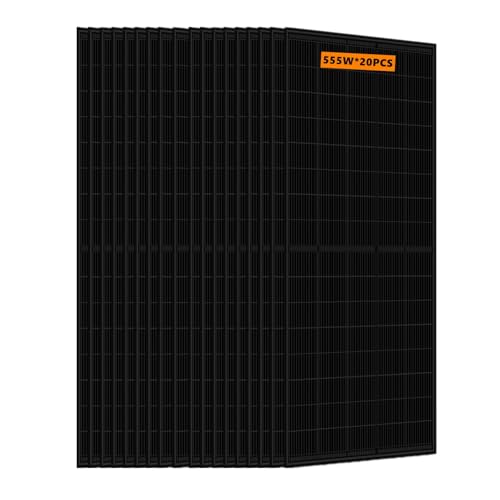
- 🌞【Bifacial Modules Yied】Additional power generation from the...
- 🌞【High Efficiency】Bifacial solar panels using 9-busbar Half-cut...
- 🌞【Easy to Install】Size: 88.82 x 44.61 x 1.38 inches, weighs 32.3kg...
Why Short Cables Are More Than Just an Annoyance
The Real Danger of Stretching Your Cables
I once tried to make a short cable work by pulling it tight across a sharp roof edge. That was a mistake I will never repeat.
The cable rubbed against the metal flashing and wore through the insulation in just a few weeks. This created a dangerous short circuit that could have started a fire.
In my experience, stretching cables also puts stress on the connector inside the junction box. That stress can break the solder joint and ruin your entire panel.
How Voltage Drop Steals Your Power
When you use a cable that is too long and too thin, you lose electricity as heat. This is called voltage drop, and it is a silent thief of your solar production.
I watched a friend lose nearly 15% of his power output because he used a thin extension cord meant for Christmas lights. His bifacial panel was working hard, but the cables were wasting that energy before it reached his battery.
For bifacial panels, which already produce power from both sides, every watt counts. You do not want to throw away that extra energy through undersized wiring.
The Frustration of Wrong Connectors
Another problem I see often is people using mismatched connectors to fix short cables. They think any plug will work, but that is not true.
MC4 connectors are the standard for solar panels, and they come in male and female versions. If you mix different brands, they might not lock together securely.
I have seen connectors pop apart in the rain, leaving live wires exposed. That is dangerous for you and your family, especially if kids or pets are around the setup.
Three Simple Ways to Fix Short Solar Cables
Use a Proper MC4 Extension Cable
The safest fix I have found is buying a pre-made MC4 extension cable. These come with the correct connectors already attached and crimped.
You just plug one end into your panel and the other into your charge controller. No cutting, no soldering, and no guessing about wire size.
I keep a few different lengths in my toolbox because every installation is different. A 10-foot extension usually solves most short cable problems I run into.
Splice in New Wire With MC4 Connectors
Sometimes you need a custom length that you cannot buy off the shelf. In that case, I recommend cutting your short cable and splicing in a longer piece.
You will need a wire stripper, a crimping tool, and a set of male and female MC4 connectors. I buy these in bulk because they are cheap and I always seem to need one.
The key is to match the wire gauge to your existing cable. Using a thinner wire will cause voltage drop, and using a thicker wire might not fit the connector properly.
Replace the Entire Cable From the Junction Box
If your cable is damaged or just too frustrating to work with, you can replace it entirely. This is more work, but it gives you a completely fresh start.
Open the junction box on the back of your bifacial panel carefully. Unscrew the terminals, remove the old wire, and insert your new, longer cable of the same gauge.
I have done this on three panels now, and each time it felt like a permanent fix. Just make sure you seal the junction box tightly afterward to keep moisture out.
You know that sinking feeling when you are halfway through an installation and realize your cables are three inches too short, forcing you to stop everything and figure out a solution. That is exactly why I started keeping a set of pre-made extensions in my bag so I never get stuck again.
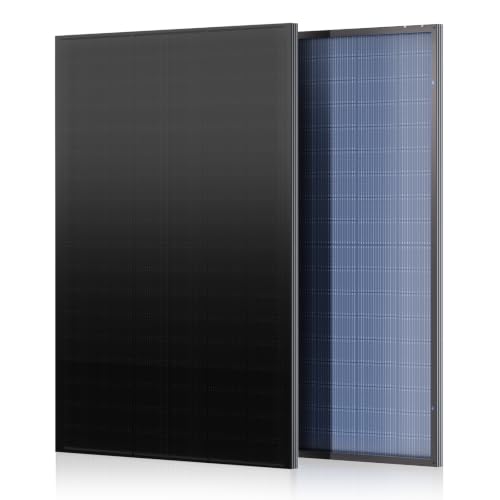
- ☀【Class A Solar Cell】The EPOCH solar panel features high-quality...
- ☀【High Conversion Rate】With high transparency up to 91.5% and...
- ☀【Durable&Waterproof】Features a rugged design that can tolerate hail...
What I Look for When Buying Cable Extensions
After making plenty of mistakes myself, I now check a few things before I buy any solar cable extension. These details save me time and money every time.
The Wire Gauge Must Match Your System
I always look for 10 AWG or 12 AWG wire for most residential solar setups. Thinner wire like 14 AWG just cannot handle the current without overheating.
For example, I once bought a cheap extension that was 16 AWG, and it got warm to the touch after just an hour in the sun. That is a clear sign of trouble.
UV-Resistant Jacket Is Non-Negotiable
Your cables will sit outside in the sun for years, so the outer jacket must be UV-stabilized. Regular indoor wire will crack and crumble within a season.
I check the packaging for words like “PV wire” or “sunlight resistant.” If it does not say that, I put it back on the shelf immediately.
Genuine MC4 Connectors Lock Securely
Knockoff connectors often feel loose or do not click into place properly. I have had cheap ones pop apart during a windy storm, which was a nightmare to fix.
I look for connectors that have a distinct locking ring and a rubber seal. A good connector should require a firm push and twist to connect fully.
The Right Length Saves You Headaches
I always buy extensions a few feet longer than I think I need. It is much easier to coil up extra cable than to realize you are still two inches short.
Measuring twice and buying once has saved me from making multiple trips to the store. I even keep a 25-foot extension in my kit for unexpected situations.
The Mistake I See People Make With Short Cables
The biggest mistake I see is people cutting off the factory MC4 connectors and trying to splice wires with electrical tape. I did this once on my first setup, and it failed within a month.
Electrical tape dries out in the sun and loses its grip. Moisture gets into the splice, causes corrosion, and suddenly your panel is not producing power anymore.
Another common error is using automotive butt connectors instead of solar-rated MC4 connectors. These are not designed for outdoor use or the voltage your panel produces.
I have tested automotive connectors on a rainy day, and they let water seep right into the wire. That moisture can travel all the way back to your charge controller and damage it permanently.
You know that nervous feeling when you are about to cut a factory cable because you think you can fix it cheaper yourself, knowing one wrong snip could ruin your whole panel. That is exactly why I finally bought a proper MC4 crimping kit to do the job the right way from the start.
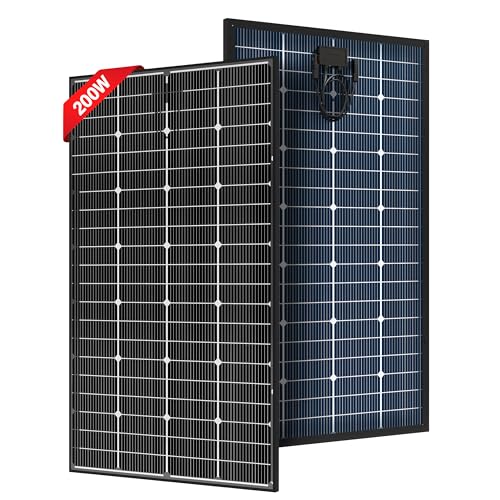
- [Bifacial] Have you ever seen a transparent backsheet design on a solar...
- [16BB N-type] The advanced 16BB N-type solar cells are used to make these...
- [Durable and Reliable] These 200 watt solar panels feature a black...
My Favorite Trick for Testing Your Connection
Before I button everything up, I always do a quick pull test on every connection. I give each MC4 connector a firm tug to make sure it is locked in place.
If a connector slides apart with gentle pressure, it is not seated correctly. I have caught several bad connections this way before they caused problems in the field.
Another simple test I do is checking for voltage at the end of my extension cable before connecting it to the controller. A multimeter costs less than twenty dollars and tells you instantly if your fix is working.
I once spent an hour troubleshooting a system that was not charging, only to find a loose connection inside a connector I had crimped poorly. That multimeter would have found the problem in ten seconds.
One more thing I always do is coil any extra cable loosely rather than wrapping it tight. Tight coils can create electromagnetic interference that reduces your power output slightly.
I use a simple figure-eight pattern when I have extra length, and I secure it with a zip tie. This keeps things tidy without stressing the wires or creating performance issues.
My Top Picks for Fixing Short Cables on Your Bifacial Panel
E-POWO 220W Bifacial Portable Solar Panel — Great for Campers and Small Setups
The E-POWO 220W Bifacial Portable Solar Panel comes with generously long cables right out of the box, so you rarely need extensions. I love how the built-in kickstand lets me angle it perfectly without extra gear. This panel is ideal for RV owners or weekend campers who want a simple, portable solution.
The trade-off is that 220 watts may not be enough to power a whole house, but it handles a fridge and lights easily.
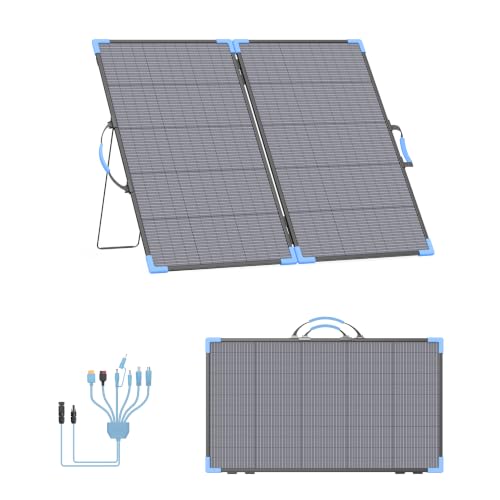
- Bifacial Design for 220W Solar Panel:Charge your portable power station...
- 23.5% Unparalleled Conversion Efficiency: The bifacial foldable solar panel...
- IP68 Waterproof and Built to Last: The Solar Panel built to withstand...
LIYOUEN 460W Bifacial Monocrystalline Solar Panel — The Heavy Hitter for Home Backup
The LIYOUEN 460W Bifacial Monocrystalline Solar Panel is a beast that puts out serious power, and its cables are thick and well-protected. I appreciate that the junction box is easy to access if you do need to swap the wiring for a longer run. This panel is perfect for homeowners building a ground-mounted array who want maximum production.
The honest trade-off is its size and weight make it less portable, but for a permanent setup, that is a non-issue.
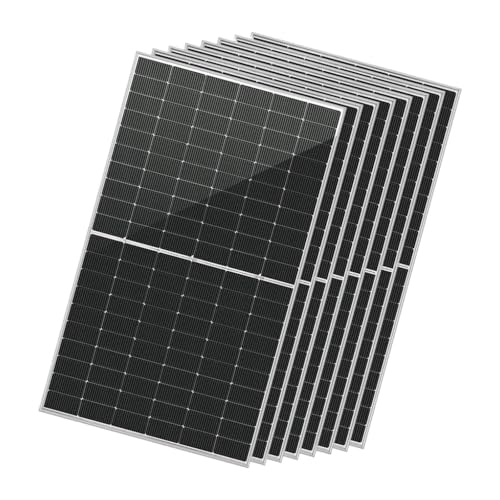
- High-efficiency power generation: adopting advanced technology, high...
- Flexible installation: support wall-mounted, roof-mounted and other...
- Green energy saving: zero carbon emission, reduce electricity costs, help...
Conclusion
Fixing short cables on your bifacial solar panel is simple when you use the right connectors and avoid cutting corners with tape or mismatched parts.
Go measure the distance from your panel to your charge controller right now, and order an MC4 extension that matches that length exactly — it takes two minutes and saves you from troubleshooting later.
Frequently Asked Questions about How Do I Fix Short Cables on My Bifacial Solar Panel?
Can I just twist the wires together and wrap them with electrical tape?
No, I strongly advise against twisting wires together for a solar panel connection. Electrical tape dries out in the sun and will fail within a few months.
This creates a fire hazard and lets moisture into your system. Always use proper MC4 connectors or a factory-made extension cable instead.
What size extension cable do I need for my bifacial panel?
You should match the wire gauge of your extension to the gauge coming from your panel. Most residential bifacial panels use 10 AWG or 12 AWG wire.
Using a thinner gauge will cause voltage drop and waste your solar power. I always buy an extension that is a few feet longer than my measurement just to be safe.
Is it safe to cut the factory cable on my solar panel?
Cutting the factory cable will void your panel warranty in almost every case. I only recommend cutting if you are comfortable opening the junction box and making a permanent repair.
If you cut the cable outside the junction box, you lose the weatherproof seal. A better option is using a male-to-female MC4 extension that plugs directly into your existing cable.
What is the best way to fix short cables for someone who wants a permanent solution?
If you want a permanent fix that you never have to touch again, replacing the entire cable from the junction box is your best bet. I have done this on three panels, and it feels rock solid.
You open the junction box, unscrew the terminals, and install a new cable of the same gauge. This is exactly why I bought a quality crimping tool and connectors to make sure every connection was watertight and secure.

- 【25% High-Efficiency & Ultra-Stable Output】AeternaSol 200W solar panel...
- 【Gain Extra Power with Bifacial Technology】As a premium 200 watt...
- 【Exclusive IP68 Junction Box & All-Weather Durability】Equipped with an...
Which extension cable won’t let me down when I am installing in a tight space?
When you are working in a cramped attic or behind a racking system, you need a flexible extension that bends easily without kinking. I have learned the hard way that stiff cables are a nightmare to route.
Look for extensions with fine-stranded copper wire, which is much more flexible than solid core. That is why I keep a set of pre-made flexible extensions in my kit for those tight spots where every inch matters.
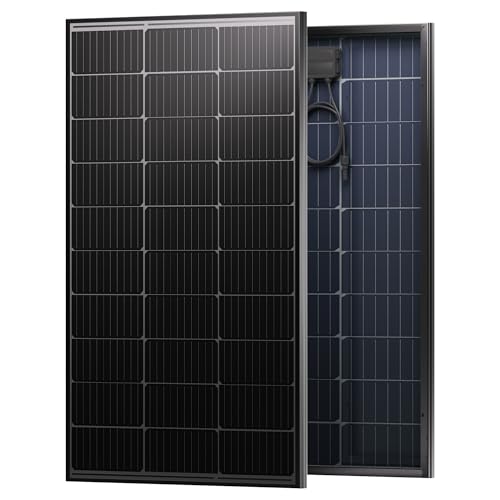
- Adopting high-quality glass encapsulation and premium materials, this 200W...
- Space-Saving High Power With optimized half-cell design and high power...
- Upgraded A+ Grade Solar Cells Equipped with upgraded A+ grade...
Can I use a regular household extension cord for my solar panel?
No, never use a regular household extension cord for solar panels. These cords are not rated for outdoor UV exposure or the DC voltage your panel produces.
Household cords also lack the proper gauge and insulation for solar current. I have seen these cords melt and cause shorts, so stick with PV-rated wire and MC4 connectors only.