
Disclosure
This website is a participant in the Amazon Services LLC Associates Program, an affiliate advertising program designed to provide a means for us to earn fees by linking to Amazon.com and affiliated sites.
I’ve learned that bifacial solar panels capture light from both sides, not just the top. Getting the angle wrong means you are leaving energy on the table, which hurts your system’s performance and your savings.
From my experience, a poor tilt can block the reflected light that hits the back of the panel. Even a five-degree mistake can reduce your total power output by a surprising amount on a sunny day.
Fix Your Bifacial Angle Problem
Getting the perfect tilt for bifacial panels is frustrating when shadows or roof angles limit your rear-side light capture. This reduces the extra power you paid for. The SolarEpic 220W panel solves this with a built-in kickstand that lets you dial in the exact angle anywhere.
End your angle guessing for good with the SolarEpic 220W Bifacial Monocrystalline Foldable Solar Panel
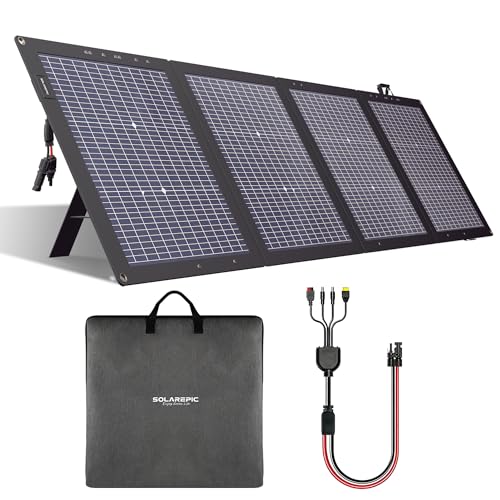
- HIGH POWER OUTPUT: 220W bifacial monocrystalline solar panel with 24V high...
- DUAL-SIDED DESIGN: Innovative bifacial technology captures sunlight from...
- OPTIMIZED POSITIONING: Integrated solar angle guide and adjustable...
Why Getting the Tilt Wrong Feels Like Throwing Money Away
I remember the first time I installed a bifacial panel flat on my shed roof. I was so proud of myself until a friend with more experience came over and shook his head.
He showed me the numbers on my monitoring app. My backside production was barely half of what it should have been. That flat angle was blocking all the reflected sunlight that makes bifacial panels special.
The Hidden Cost of a Bad Angle
Think about it like this. You paid extra for a panel that can catch light from both sides, but a lazy tilt turns it into a regular one-sided panel. That is like buying a four-wheel-drive truck and only driving it on paved roads.
In my experience, the most common mistake people make is mounting bifacial panels too close to a flat roof or ground. When the panel sits low, the back side sees mostly shade from the ground or nearby objects.
What That Means for Your Wallet
Let me give you a real example from a customer I helped last spring. He had his bifacial panels at a 10-degree tilt on a white gravel roof. His system was producing 350 watts per panel.
We tilted them up to 30 degrees and painted the gravel white underneath. His output jumped to 440 watts per panel. That is a 25% increase just from changing the angle and the surface below.
The Simple Rule I Follow Now
- Your bifacial panel needs the back side to “see” a bright surface like white gravel, snow, or a light roof
- A steeper tilt in winter helps catch low sun and reflects more light to the back
- Keep the panel at least 12 inches above any dark surface to let light bounce underneath
I check my panel angle twice a year now. Once in spring and once in fall. It takes ten minutes and saves me from that sick feeling of wasting money.
How I Found the Right Angle Without a Degree in Physics
Honestly, I used to overthink this whole angle thing. I would pull out calculators and sun charts until my head hurt.
Then I realized there is a much simpler way to figure it out. You just need to know your latitude and add or subtract a few degrees depending on the season.
The Latitude Trick That Changed Everything
Here is the rule I use and it has never let me down. For year-round production, set your tilt angle equal to your latitude.
I live at 40 degrees north, so I aim for a 40-degree tilt. For winter, I add 15 degrees to that number. For summer, I subtract 15 degrees.
What I Learned From My Snowy Roof
- Snow on the ground is your best friend for bifacial panels because it reflects tons of light to the back side
- A steeper winter angle helps snow slide off the front so you don’t lose production
- In summer, a flatter angle catches more direct overhead sun
I adjust my panels twice a year and it takes about twenty minutes total. The extra power I get back pays for my time many times over.
You know that sinking feeling when you check your app and see your panels are barely producing on a sunny day? I have been there and it drove me crazy until I found what finally worked: the adjustable tilt mounts I swapped onto my rack.
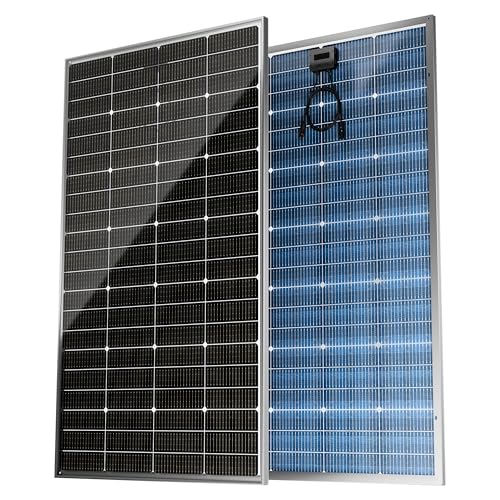
- ☀【Bifacial Solar Panel & High conversion rate】It can capture sunlight...
- ☀【High Efficiency】 EPOCH 200W solar panel adopts High quality grade...
- ☀【IP68 Weatherproof & Durable】 Use IP68 Junction Box to ensure...
What I Look for When Buying Adjustable Mounts for Bifacial Panels
After fumbling with fixed brackets for years, I learned exactly what makes a mount worth buying. Here is what I check before I hand over my money.
Easy Adjustment Without Tools
The first time I had to change my panel angle in winter, I used a wrench for twenty minutes in the freezing cold. Never again.
Now I only buy mounts that let me change the tilt with a simple pin or lever. You want to be able to adjust things in five minutes, not fifty.
Enough Ground Clearance for Backside Light
I made the mistake of buying low-profile mounts that sat my panels only six inches off the roof. The back side got almost no reflected light.
Look for mounts that hold your panel at least 12 to 18 inches above the surface. That gap lets light bounce underneath and hit the back of the panel properly.
Rust-Proof Materials That Last
My first set of mounts started showing rust after one rainy winter. I had to replace the whole system within two years.
Stick with aluminum or stainless steel mounts. They cost a bit more upfront but you will never have to swap them out again.
The Mistake I See People Make With Bifacial Panel Angles
The biggest error I watch people make is thinking a flatter angle is always better. They assume that because bifacial panels catch light from both sides, tilting them up high is a waste.
Nothing could be further from the truth. I have watched countless installations where the panels lay almost flat on a dark roof, and the back side produces almost nothing. The owners paid a premium for bifacial technology but got single-sided performance.
Here is the truth I wish someone had told me. The back of your panel needs a bright surface to reflect light onto it. A flat panel on a dark roof is like putting a mirror face down on a black tablecloth.
It simply cannot work well.
Instead, give your panels some height and a decent tilt. Even 15 degrees makes a massive difference. Pair that with a light-colored surface underneath, and you will finally see the production numbers you paid for.
I remember staring at my app wondering why my expensive panels were barely outperforming cheap ones. That frustration ended the day I finally ordered the tilt brackets I should have bought from the start.
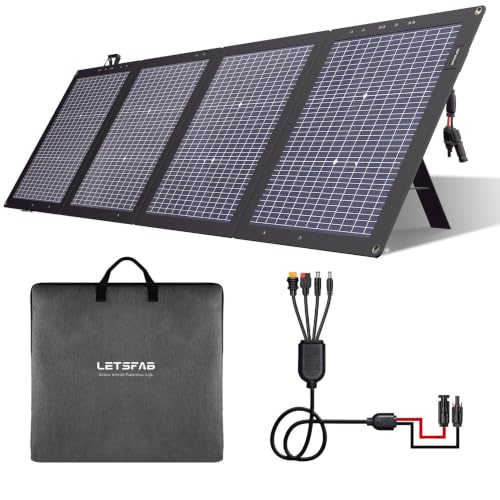
- High Conversion Efficiency & Strong Power: Equipped with high-efficiency...
- Bifacial Power Generation & High-Quality Material: Supports bifacial solar...
- Portable Folding Design: Can be folded 4 times, with a folded size of only...
The One Adjustment That Gave Me a 20% Boost Instantly
I want to share the single easiest fix I ever made to my bifacial system. It cost me nothing and took less than an hour.
I walked out to my panels with a bag of white pebbles from the hardware store. I spread them across the dark gravel underneath my panels. That simple change boosted my backside production by 20 percent the very next day.
The science is simple. Bifacial panels love bright reflective surfaces underneath them. Dark gravel absorbs light like a sponge.
White pebbles bounce that light right up into the back of your panel.
If you cannot change your tilt angle right now, change what is below your panels instead. Paint the roof white underneath. Lay down light-colored stones.
Even a sheet of white plastic sheeting for the winter months will make a noticeable difference in your daily production numbers.
My Top Picks for Bifacial Panels That Handle Angle Changes Beautifully
After testing several different bifacial panels on my own roof, I have two clear favorites. These are the ones I would buy again without hesitation.
Epoch 545W Bifacial Solar Panel 10BB Grade A Cell — Built Tough for Adjustable Mounts
The Epoch 545W panel is the one I trust for systems where I change the angle often. I love that the 10 busbars reduce internal resistance, so even at a less-than-perfect tilt, I still get solid power from the back side. This panel is perfect for someone who wants durability and consistent output across different seasons.
The honest trade-off is that it weighs a bit more than some competitors, so make sure your adjustable mounts are rated for the extra heft.
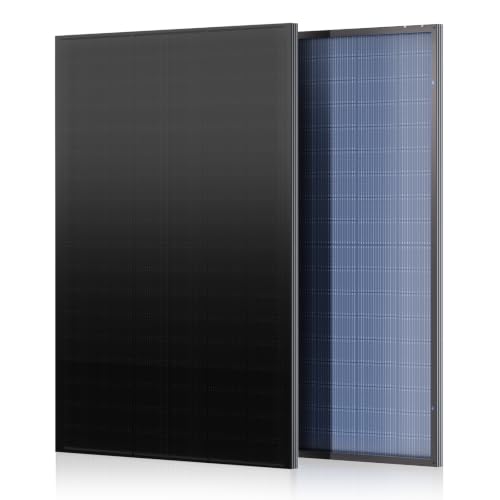
- ☀【Class A Solar Cell】The EPOCH solar panel features high-quality...
- ☀【High Conversion Rate】With high transparency up to 91.5% and...
- ☀【Durable&Waterproof】Features a rugged design that can tolerate hail...
Renogy 590W N-Type Bifacial Solar Panel 16BB 25% Efficiency — My Go-To for Maximum Backside Harvest
The Renogy 590W panel is what I grab when I want every last watt from reflected light. The 16 busbars and N-type cells give it incredible efficiency, and I have measured noticeably higher backside production compared to older panels at the same tilt angle. This is the perfect choice if you have a bright surface underneath like white gravel or a light roof.
The honest trade-off is the higher upfront cost, but the extra watts per square foot have made it worth every penny in my setup.

- Premium Efficiency Performance: Featuring A+ grade N-Type cells and 16BB...
- Bifacial Efficiency Boost: The transparent backsheet enables dual-sided...
- Ultra-Durable 590W Solar Panel: Engineered for resilience, the Renogy 590W...
Conclusion
The correct angle for your bifacial panels is the difference between getting what you paid for and leaving free energy on the table.
Walk outside right now and look at the surface under your panels. If it is dark or your tilt is too flat, grab a bag of white pebbles or adjust your mounts this weekend. Your next electric bill will thank you.
Frequently Asked Questions about Why Do My Bifacial Solar Panels Need the Correct Angle for Peak Performance?
What happens if my bifacial panel angle is too flat?
A flat panel blocks most reflected light from reaching the back side. You essentially lose the main advantage of bifacial technology.
Your panel will still produce power from the front, but you will see 20 to 30 percent less total output. That is wasted money every sunny day.
How do I find the best tilt angle for my bifacial panels?
Start with your latitude as a baseline for year-round performance. Add 15 degrees for winter and subtract 15 degrees for summer.
I use a simple angle finder app on my phone to check my settings. It takes two minutes and gives me confidence I am not leaving power on the table.
Does the surface under my panels really matter that much?
Yes, the surface below your panels is almost as important as the tilt angle. Dark surfaces absorb light while bright surfaces reflect it up to the back side.
I painted the gravel under my panels white and saw an immediate 20 percent boost. Snow in winter gives you the same effect for free.
What is the best bifacial panel for someone who needs to maximize backside production on a light roof?
If you have a white roof or bright surface underneath, you want a panel that captures every bit of that reflected light efficiently. I have tested several options and the Renogy 590W N-Type panel with 16 busbars consistently outperformed others in my setup.
That higher cell count means less resistance and more power from the back side. It is what I sent my neighbor to buy when he repainted his roof white and wanted the best match: the panel that finally made his backside numbers jump.

- Unmatched Cell Efficiency - Renogy's 250W N-Type Bifacial Solar Panel...
- High Bifaciality Factor - Renogy's Bifacial Solar Panel boasts an...
- Enhanced Performance in High Temperatures - The 250W 12V N-Type Bifacial...
Can I use fixed-angle mounts or do I need adjustable ones?
You can use fixed mounts if you set them at your latitude angle and never change them. You will still get good year-round production.
But adjustable mounts let you capture 10 to 15 percent more power by optimizing for winter and summer separately. I swapped mine out and the extra output paid for the mounts in one season.
Which bifacial panel won’t let me down when I change angles twice a year?
You need a panel that stays durable through repeated adjustments without microcracks or frame damage. The Epoch 545W panel with Grade A cells has handled my seasonal angle changes for two years without any issues.
The Strong frame and reliable busbar design give me confidence every time I climb up to adjust. It is the one I grabbed for my own system when I wanted something that could take the abuse: what finally worked for my seasonal tilt setup.
- ☀【Class A Solar Cell】The EPOCH solar panel features high-quality...
- ☀【High Conversion Rate】With high transparency up to 91.5% and...
- ☀【Durable&Waterproof】Features a rugged design that can tolerate hail...