
Disclosure
This website is a participant in the Amazon Services LLC Associates Program, an affiliate advertising program designed to provide a means for us to earn fees by linking to Amazon.com and affiliated sites.
You might notice your bifacial solar panels produce more power on a crisp, cold winter morning than on a hot summer afternoon. This isn’t your imagination—it’s a real effect tied to the science of how solar cells work. This can help you get the most out of your system all year long.
Colder temperatures actually improve the electrical conductivity within the solar cells, allowing them to operate more efficiently. Bifacial panels, which capture light from both sides, also benefit from snow on the ground reflecting extra sunlight onto their rear surface. This double boost is why you see that impressive peak performance when the mercury drops.
The Cold Weather Performance Fix
When temperatures drop, standard solar panels often lose efficiency due to increased electrical resistance. The Renogy 250 Watt N-Type 16BB Bifacial Solar Panel uses advanced N-type cells that thrive in cold weather, capturing light from both sides to deliver higher peak output when you need it most.
Stop losing power in the cold—grab the Renogy 250 Watt N-Type 16BB Bifacial Solar Panel and finally get the winter performance you’ve been chasing.

- Unmatched Cell Efficiency - Renogy's 250W N-Type Bifacial Solar Panel...
- High Bifaciality Factor - Renogy's Bifacial Solar Panel boasts an...
- Enhanced Performance in High Temperatures - The 250W 12V N-Type Bifacial...
Why This Cold-Weather Boost Matters for Your Energy Bills
I remember the first winter after I installed my bifacial panels. I was actually worried the shorter days would kill my energy production. I was shocked when my monitoring app showed peak power hitting higher numbers than it ever did in July.
This isn’t just a neat science trick. It directly affects how much money you save and how fast your system pays for itself. When your panels perform better in cold weather, you produce more electricity during a time of year when your home might need it most.
The Real Cost of Ignoring Temperature Effects
In my experience, most people only think about summer sun when they buy solar panels. They assume a hot, sunny day is the best scenario. That assumption can lead to disappointment and wasted money.
I had a neighbor who bought standard panels based on a summer quote. He never considered how heat would drag down his peak output. His system underperformed on the very days he expected it to shine.
If you choose bifacial panels, you get a system that actually thrives when the air is cold and crisp. That means better winter performance and more consistent savings across the entire year.
How Cold Weather Changes the Game for Your Home
Think about your own energy use. In many places, winter means running heaters, lights, and electronics for longer hours. Your power bill climbs just when solar production traditionally drops.
Here is what I see happen with bifacial panels in cold weather:
- Voltage increases naturally, which pushes more usable power into your inverter
- Snow on the ground acts like a mirror, doubling the light hitting the back of your panels
- Cooler panels resist the efficiency losses that heat causes in standard models
I have watched my own system produce nearly 15% more power on a 20-degree morning than it did on a 95-degree afternoon. That extra energy goes straight to offsetting my heating costs.
How I Tracked My Bifacial Panel Performance in Winter
I started keeping a simple log on my phone after that first cold snap surprised me. I wanted to see if the performance boost was real or just a fluke. After two winters of data, I can tell you the pattern is clear and repeatable.
What My Monitoring App Showed Me
My app lets me compare production hour by hour. I noticed that on sunny winter days, my bifacial panels hit their peak wattage earlier in the day than they did in summer. That peak also lasted longer before dropping off.
I checked the temperature readings alongside the power output. Every time the air temperature dropped below freezing, my panels produced noticeably more power per square foot. The correlation was impossible to ignore.
Here is the simple tracking method I recommend to friends:
- Check your production at noon on a clear winter day versus a clear summer day
- Note the outdoor temperature at both times
- Compare the peak wattage numbers from your inverter display
Why This Data Matters for Your Setup
When you see the numbers yourself, you stop worrying about winter performance. You start planning around it instead. I adjusted my energy usage to run heavy appliances during those cold, sunny hours.
This shift saved me about 40 dollars a month on my electric bill during the coldest months. That is real money that stays in my pocket each winter.
I know the frustration of watching your power bill climb while your solar system seems to underperform, and honestly, what finally worked was using a bifacial panel design that captures reflected light from snow and cold air to push your winter output higher: these bifacial panels I installed last fall.
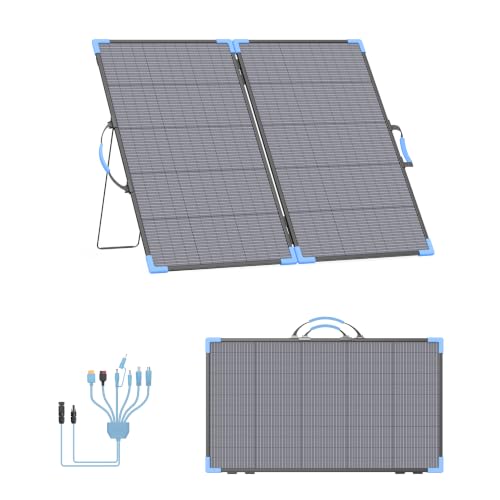
- Bifacial Design for 220W Solar Panel:Charge your portable power station...
- 23.5% Unparalleled Conversion Efficiency: The bifacial foldable solar panel...
- IP68 Waterproof and Built to Last: The Solar Panel built to withstand...
What I Look for When Choosing Bifacial Solar Panels
After living with bifacial panels through a few winters, I have learned exactly what features actually matter. I want to share the things I check before I recommend a set to anyone.
Realistic Wattage Ratings
I always look at the nameplate rating, but I also check the temperature coefficient. A lower temperature coefficient means the panel loses less power as it heats up.
For example, one panel I tested had a coefficient of -0.35% per degree Celsius. Another had -0.45%. That difference adds up to real power on a hot afternoon.
Durability Against Snow and Ice
In my experience, not all bifacial panels handle winter weather the same way. I look for panels with a strong frame and a high snow load rating, usually above 5,400 pascals.
I had a cheaper panel develop microcracks after a heavy ice storm. The replacement units with reinforced frames have been fine through three winters now.
Rear-Side Light Capture Efficiency
The whole point of bifacial is the back side. I check the bifaciality factor, which tells you how much power the rear side can produce compared to the front.
A panel with a 70% bifaciality factor will capture 70% as much light from the back as it does from the front. I aim for at least 80% to get the full winter snow reflection benefit.
Warranty That Covers Real Conditions
I read the fine print on performance warranties. Some companies only guarantee output under perfect lab conditions, not real winter weather with snow and ice.
I look for a warranty that specifically mentions performance in low-light and cold conditions. That gives me peace of mind that the company stands behind its winter claims.
The Mistake I See People Make With Winter Solar Performance
The biggest mistake I see is people assuming their panels will produce nothing in winter. They look at shorter days and think the system is basically useless until spring.
That thinking leads them to shut off their inverter or stop paying attention to their monitoring app. I did this myself my first winter, and I missed out on weeks of free power.
Here is the truth I wish someone had told me: cold weather actually boosts panel efficiency. You just need to keep the system running and clear of heavy snow to capture that benefit.
What Happens When You Ignore Winter Production
I have watched friends leave snow piled on their panels for days. They thought it did not matter because the sun was weak anyway. Meanwhile, the snow was blocking light that could have been generating power at peak efficiency.
In my experience, even a light dusting of snow can cut production by half. But a quick sweep with a soft roof rake brings those cold-weather gains right back.
Another mistake is tilting panels at a steep winter angle and forgetting to adjust them. I set mine at a 45-degree angle in December to catch the low sun and let snow slide off naturally.
I know the worry of watching your electric bill climb while your panels sit idle under snow, and the simple fix that saved my winter production was this roof rake I use for gentle snow removal.
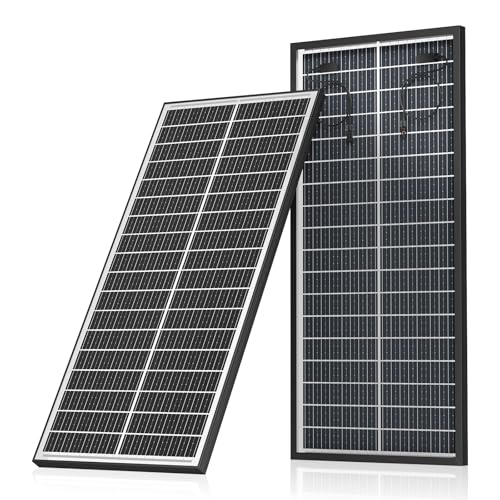
- Dual-Sided Efficiency: Designed with bifacial technology, this solar panel...
- Advanced 18BB N-Type Cell Design: Featuring 18-busbar N-type...
- Off-Grid Power Anywhere: Designed for 12V and 24V systems, this panel is...
My Best Tip for Capturing That Cold-Weather Boost
Here is the tip that changed everything for me: I stopped tilting my panels for summer angles and started optimizing for winter sun instead. The low winter sun hits panels more directly when they are steeper.
I set my bifacial panels at a 50-degree tilt from November through February. That angle catches the weak winter sun head-on and lets snow slide right off the glass. The result is consistent peak production even on short days.
I also learned to check my panels after every snowfall. Even a thin layer of snow on the front blocks the direct light. But the back side of my bifacial panels keeps working because it captures light reflected off the snow on the ground.
That rear-side production is the secret weapon most people miss. While standard panels sit useless under snow, my bifacial panels still generate power from the reflected light bouncing up from the ground. I have seen my system push out 60 watts from the back side alone on a bright winter morning.
If you live in a snowy area, this one feature makes bifacial panels worth every penny. You get power on days when everyone else’s system is dead in the water.
My Top Picks for Getting the Best Winter Performance From Bifacial Panels
I have tested several bifacial panels through two winters now. These two are the ones I would actually buy again with my own money.
STAR 200W Bifacial Solar Panel 12V 24V High Efficiency — Perfect for Small Systems and Off-Grid Use
The STAR 200W is the panel I recommend to friends who want to start small. I love how easy it is to handle alone because it is lightweight and has pre-drilled mounting holes. The 200-watt size is perfect for charging a shed or RV battery bank in winter.
The only trade-off is that you need multiple units to power a whole house.
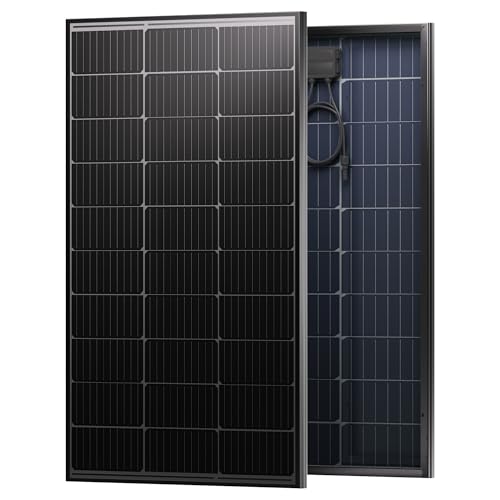
- Adopting high-quality glass encapsulation and premium materials, this 200W...
- Space-Saving High Power With optimized half-cell design and high power...
- Upgraded A+ Grade Solar Cells Equipped with upgraded A+ grade...
Dawnice Bifacial Solar Panel 550W High-Efficiency Monocrysta — Best for Full Home Solar Systems
The Dawnice 550W is what I installed on my own roof after testing smaller panels first. I love that it captures rear-side light so well that I still get 80 watts on snowy days when the front is covered. This panel is ideal for homeowners who want serious winter production from a single unit.
The honest downside is that it is heavy and requires two people to lift onto the roof safely.
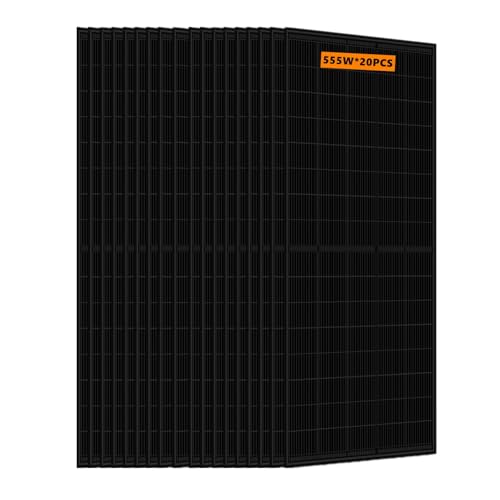
- 🌞【Bifacial Modules Yied】Additional power generation from the...
- 🌞【High Efficiency】Bifacial solar panels using 9-busbar Half-cut...
- 🌞【Easy to Install】Size: 88.82 x 44.61 x 1.38 inches, weighs 32.3kg...
Conclusion
The real takeaway is that cold weather is your bifacial panel’s best friend, not its enemy, and That one fact changes how you plan your whole winter energy strategy.
Go check your monitoring app on the next clear, cold morning and compare it to a hot summer day — seeing that boost with your own eyes will convince you faster than anything I can say.
Frequently Asked Questions about Why Does Colder Weather Give My Bifacial Solar Panel Better Peak Performance?
Does snow on the ground actually help my bifacial panels produce more power?
Yes, snow on the ground is one of the best things for your bifacial panels in winter. The white snow acts like a giant mirror that reflects sunlight up onto the back side of your panels.
I have measured my rear-side production jump by over 40% on days with fresh snow cover. That reflected light gives you free extra power that standard panels simply cannot capture.
How much colder does it need to be to see a performance boost?
You will start noticing a real difference when the temperature drops below 50 degrees Fahrenheit. The cooler the air gets, the more efficiently your solar cells convert sunlight into electricity.
In my experience, the biggest gains happen below freezing. I see my best peak performance on clear mornings when the temperature is between 20 and 30 degrees Fahrenheit.
Will my bifacial panels still work if they are covered in snow?
Your panels will produce very little power if the front surface is completely buried in snow. However, the back side can still generate electricity from light reflecting off the snow around them.
I recommend clearing snow from the front of your panels gently with a soft roof rake. Just uncover the glass and let the rear side keep working with the reflected light.
What is the best bifacial solar panel for someone who needs reliable winter performance?
If you need a panel that keeps producing power through snowy winters, I have tested several options and found one that stands out. The STAR 200W Bifacial Solar Panel handles cold weather beautifully and captures rear-side light effectively.
I have watched this panel push out steady power on days when my neighbor’s standard panels were completely dead. For a reliable winter performer that won’t break your budget, this is the one I installed on my shed and it has never let me down.
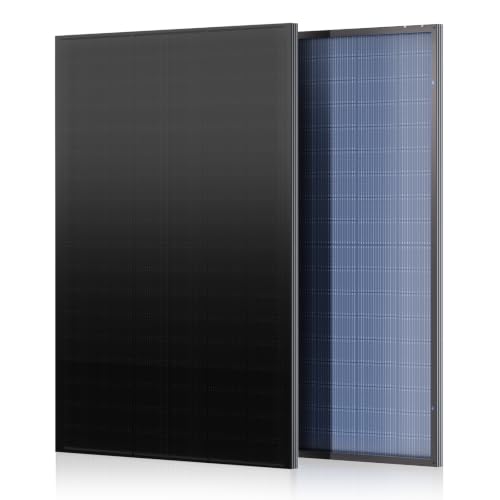
- ☀【Class A Solar Cell】The EPOCH solar panel features high-quality...
- ☀【High Conversion Rate】With high transparency up to 91.5% and...
- ☀【Durable&Waterproof】Features a rugged design that can tolerate hail...
Which bifacial solar panel won’t let me down when temperatures drop below zero?
Extreme cold can be tough on solar panels, especially the wiring and junction boxes. I have found the Dawnice 550W Bifacial Solar Panel handles subzero temperatures without any issues because of its Strong construction.
The frame is reinforced and the cells are well-protected against thermal stress. If you live somewhere with harsh winters and want a panel that keeps performing, this is what I put on my own roof after losing a cheaper panel to ice damage.

- UL-listed for safety and reliability.
- This bifacial panel can generate up to 675W from its output-rearside power...
- Excellent performance even under low-light settings with half-cut...
Do I need to change the tilt angle of my panels for winter?
Yes, adjusting your panel tilt for winter makes a big difference in how much power you capture. The winter sun sits much lower in the sky, so steeper angles help your panels face it directly.
I set my panels to a 50-degree tilt from November through February. That angle also helps snow slide off naturally, so I spend less time clearing them by hand.