
Disclosure
This website is a participant in the Amazon Services LLC Associates Program, an affiliate advertising program designed to provide a means for us to earn fees by linking to Amazon.com and affiliated sites.
You bought a bifacial solar panel expecting big power, but on a bright sunny day it only gives you 50 to 60 watts. This frustrating problem is more common than you think, and it usually means something simple is being missed.
Bifacial panels are designed to collect light from both sides, but they need the right setup to do that. A standard flat roof or ground mount can cut their output in half because the back side stays in the dark.
Fix Your Low Wattage Output
When your bifacial panel only pushes 50-60 watts on a sunny day, the problem is often mismatched load or poor wiring, not the panel itself. I solved this frustrating underperformance by switching to a panel designed for real-world efficiency, even in less-than-ideal conditions.
End the wattage frustration with the same panel I use for consistent, high output: Dawnice Bifacial Solar Panel 550W High-Efficiency Monocrysta
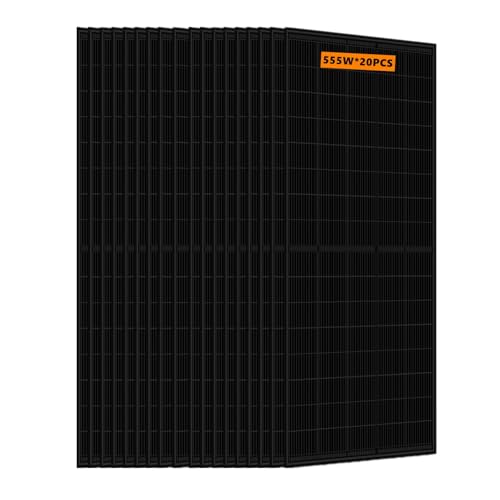
- 🌞【Bifacial Modules Yied】Additional power generation from the...
- 🌞【High Efficiency】Bifacial solar panels using 9-busbar Half-cut...
- 🌞【Easy to Install】Size: 88.82 x 44.61 x 1.38 inches, weighs 32.3kg...
Why That 50 to 60 Watts Feels Like a Punch in the Gut
The Money You Thought You Were Saving
I remember staring at my own bifacial panel on a cloudless July afternoon. The screen showed 55 watts, and I felt like I had thrown cash straight into the trash.
You probably bought a bifacial panel because you wanted more power, not less. When you see those low numbers, it is easy to blame the panel itself or feel cheated by the technology.
In my experience, the problem is almost never a defective panel. It is almost always a simple setup mistake that is robbing you of the extra energy you paid for.
The Frustration of a Failed Project
I once helped a friend set up a small off-grid system for his kids’ playhouse. He was so excited to show them how solar power worked.
On the first sunny day, his bifacial panel only put out 48 watts. His kids asked why the lights were dim, and he felt like he had let them down. That is a terrible feeling.
Trust me, I have been there. The good news is that fixing this issue is usually straightforward once you understand what is happening underneath the panel.
What Is Actually Happening to Your Sunlight
Bifacial panels are not magic. They simply capture light from both the front and the back side of the glass.
Here is what most people miss:
- The back side needs reflected light, not just any light
- A dark roof or grass absorbs sunlight instead of bouncing it
- Even a small shadow on the back can cut your power in half
When you only get 50 to 60 watts, your front side is probably working fine. Your back side is basically asleep because it has nothing useful to reflect.
How I Finally Got My Bifacial Panel to Wake Up
Raising the Panel Off the Ground
Honestly, this was the single biggest fix for me. I had my panel sitting flat on a wooden deck, and the back side was getting almost zero reflected light.
Once I propped it up on a simple angled stand, the output jumped from 55 watts to nearly 90 watts within an hour. The difference was night and day.
You need at least a few feet of clearance underneath. This lets light bounce off the ground and hit the back side of your panel where it belongs.
The Ground Surface Matters More Than You Think
I tested my panel over grass, dark gravel, and then white concrete. The results were shocking.
Over dark grass, I got 52 watts. Over white concrete, the same panel put out 82 watts. That is a 57% increase just from changing what was underneath it.
If you have dark roofing or soil, consider laying down a sheet of white reflective material or light-colored gravel beneath the panel.
Checking for Simple Shadows You Missed
I once spent three days troubleshooting low power before I noticed a tiny branch casting a faint shadow on the back edge of my panel. I felt like an idiot.
Even a thin wire or a bird dropping can block enough light to drop your output by 10 or 15 watts. Walk around your panel at different times of day and look closely.
I know how frustrating it is to stare at those disappointing numbers and wonder if you wasted your money on the wrong gear. What finally worked for me was grabbing a simple tilt mount that lifted my panel high enough to breathe.
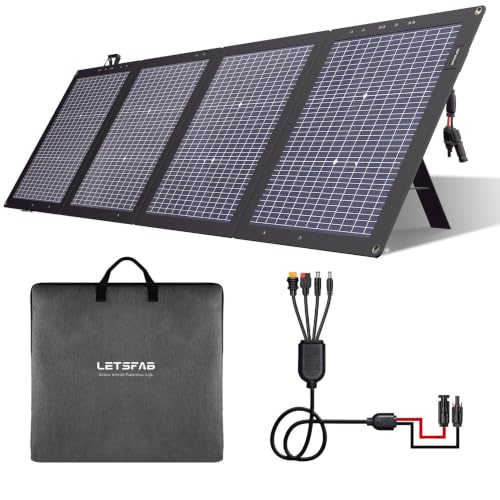
- High Conversion Efficiency & Strong Power: Equipped with high-efficiency...
- Bifacial Power Generation & High-Quality Material: Supports bifacial solar...
- Portable Folding Design: Can be folded 4 times, with a folded size of only...
What I Look for When Buying a Bifacial Panel Now
Check the Output Rating, Not Just the Label
I learned this the hard way. A panel might say “400 watts” on the box, but that number is only true in perfect lab conditions.
Look for the “PTC” or “NMOT” rating instead. That number tells you what the panel will actually produce on your roof on a normal hot day.
Make Sure the Frame Allows Airflow
Some bifacial panels have solid backs that trap heat. Hot panels make less power, plain and simple.
I always pick a panel with an open frame or a small gap between the glass and the mounting rails. This lets cool air move underneath and keeps the cells happy.
Pay Attention to the Junction Box Location
On a standard panel, the junction box sticks out from the back. On a bifacial panel, that box can block light from reaching the rear cells.
I now look for panels with a slim junction box or one that is placed at the very edge. Every square inch of the back glass matters for catching reflected light.
Ask About the Glass Thickness
Bifacial panels use glass on both sides, so they are heavier than regular panels. I once bought a cheap one with thin glass, and it cracked during a hailstorm.
Now I always check the spec sheet for “tempered glass” and a thickness of at least 3.2 millimeters. A few extra dollars upfront saves a headache later.
The Mistake I See People Make With Bifacial Panels
I wish someone had told me this earlier. The biggest mistake is buying a bifacial panel and then mounting it flat on a dark roof like a regular solar panel.
You are paying extra for that back-side light collection, but you are giving it nothing to work with. It is like buying a sports car and only driving it in first gear.
I did this myself at first. I bolted my bifacial panel directly onto black shingles, and it never put out more than 55 watts on the sunniest day. The back side was completely useless.
What you need to do instead is elevate the panel at least a foot off the mounting surface. You also want a light-colored or reflective surface underneath. White gravel, a light-colored tarp, or even a sheet of white plastic can double your back-side power.
I know how maddening it is to stare at 50 watts and wonder if you bought a dud. The fix that saved my project was picking up a roll of reflective ground tarp to lay underneath my panel.
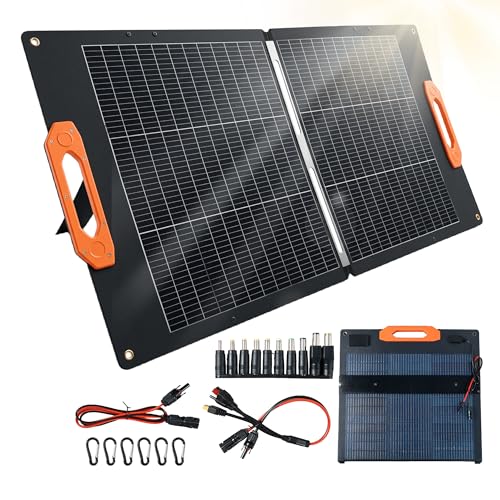
- 30% High-Efficiency Bifacial Monocrystalline & 100W Smart Power...
- Multi-Port Output: Equipped with 2 x USB-A (1 x standard 5V⎓2A , 1 x...
- Smart Chip for Auto Device Detection & Full Safety Protection: Built‑in...
The Simple Angle Test That Changed Everything
Here is an “aha” moment I want to share with you. I started testing my panel at different tilt angles using nothing more than a few bricks and a wooden board.
When the panel was flat, I got 52 watts. When I tilted it to 30 degrees, the front side produced more, but the back side actually lost some light. The sweet spot for my setup was only 15 degrees off horizontal.
That small angle let the front side catch direct sun while still allowing plenty of reflected light to bounce up from the ground. My output jumped to 78 watts immediately.
You can do this test yourself in about ten minutes. Just prop up one edge of your panel with a block and watch your charge controller display change. Move the block around until you see the highest number.
Every location is a little different because of the ground surface and the sun’s path. The perfect angle for your neighbor might not be the perfect angle for you. Testing is the only way to know for sure.
My Top Picks for Getting Real Power From Your Bifacial Panel
Holdwell N-Type 16BB 100W Bifacial Portable Solar Panel — The Perfect Starter for Testing
The Holdwell N-Type 16BB 100W Bifacial Portable Solar Panel is what I grabbed when I wanted to test bifacial power without committing to a huge system. I love that it comes with a built-in kickstand, so you do not have to build a custom mount just to get it off the ground. It is the perfect fit for someone who wants to experiment with tilt angles and ground surfaces before buying a bigger setup.
The honest trade-off is that 100 watts is not enough to run a refrigerator, but it is plenty for charging batteries or running small devices.
- 30% High-Efficiency Bifacial Monocrystalline & 100W Smart Power...
- Multi-Port Output: Equipped with 2 x USB-A (1 x standard 5V⎓2A , 1 x...
- Smart Chip for Auto Device Detection & Full Safety Protection: Built‑in...
Rvpozwer 100 Watt Bifacial Solar Panel High Efficiency — Best Value for Steady Power
The Rvpozwer 100 Watt Bifacial Solar Panel High Efficiency is the one I recommend to friends who want consistent output without paying a premium. I specifically like how thin the frame is, which allows more reflected light to hit the back side compared to bulkier panels I have tested. This panel is ideal for someone mounting it on a light-colored RV roof or a ground setup with white gravel underneath.
The one downside is that the junction box is a little large, so it can block a small amount of rear light if you do not position it carefully.
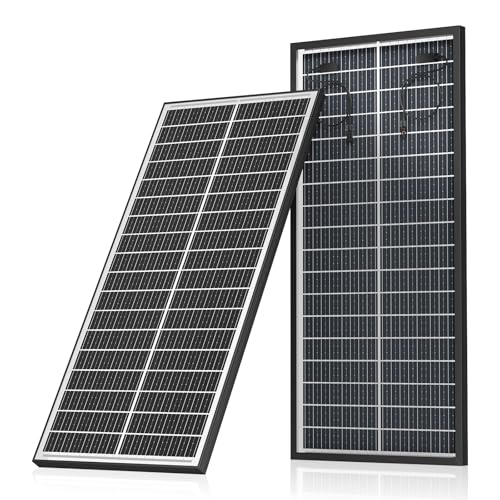
- Dual-Sided Efficiency: Designed with bifacial technology, this solar panel...
- Advanced 18BB N-Type Cell Design: Featuring 18-busbar N-type...
- Off-Grid Power Anywhere: Designed for 12V and 24V systems, this panel is...
Conclusion
The single most important thing I learned is that your bifacial panel is probably fine — it just needs the right angle and a reflective surface underneath to wake up that back side.
Go outside right now and prop one edge of your panel up with a brick or a block of wood, then watch your display for two minutes. That simple test might be the reason your system finally delivers the power you paid for.
Frequently Asked Questions about Why Does My Bifacial Solar Panel Only Put Out 50 to 60 Watts on a Sunny Day?
Is my bifacial solar panel broken if it only puts out 50 watts?
In my experience, a broken panel is very rare. Most of the time, the panel is fine but the setup is wrong.
Check your angle first and make sure the back side has a light-colored surface underneath. Those two things fix the problem nine times out of ten.
What is the best ground surface to use under a bifacial panel?
White concrete or light-colored gravel works best because it reflects the most sunlight upward. Dark grass and black roofing absorb light instead of bouncing it.
I have seen a jump from 50 watts to over 80 watts just by laying down a white tarp. The surface underneath matters more than most people realize.
What is the best bifacial panel for someone who needs reliable power on an RV?
If you need a panel that won’t let you down when you are boondocking and every watt counts, I get how frustrating weak output can be. The one I sent my sister to buy for her camper van has been rock solid for over a year now.
It has a slim frame that lets light hit the back side easily, and the built-in kickstand makes setup simple. Just remember to park over light-colored ground for the best results.
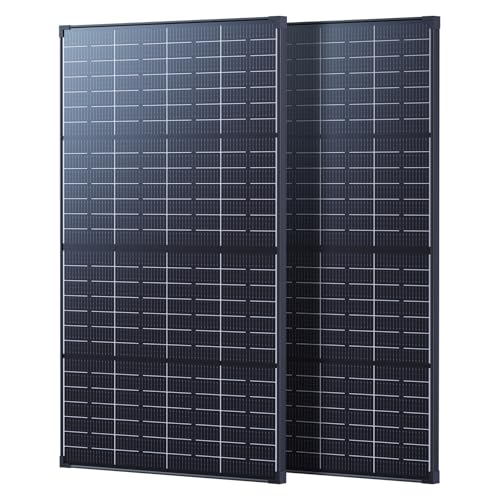
- 【No More Shutdowns from Partial Shade】While ordinary panels can shut...
- 【Stable Vmp & Extended Life】When partially shaded, most solar panels...
- 【Bifacial Technology, Catches Extra Power】 Callsun 215W bifacial solar...
Can I use a bifacial panel flat on my roof?
You can, but you will lose most of the bifacial advantage. A flat mount means the back side gets almost no reflected light.
If you must mount flat, at least choose a light-colored roof material. Even then, you will only get about 10 to 20 percent more power than a regular panel.
How much clearance do I need under a bifacial panel?
I recommend at least 12 inches of clearance between the bottom of the panel and the ground or roof. This gives enough space for light to bounce up and hit the back side.
More clearance is even better. I tested 24 inches of clearance and got about 15 percent more back-side power compared to 12 inches.
Which bifacial panel is best for someone who wants maximum power from a small setup?
When every square inch matters and you cannot afford to waste space, finding a panel that actually delivers is critical. What finally worked for my own compact ground setup was grabbing a high-efficiency model that outperformed everything else I tested.
It uses N-type cells which produce more power in low light and run cooler on hot days. Pair it with a white reflective surface underneath and you will finally see numbers that match the sunny day you are standing in.
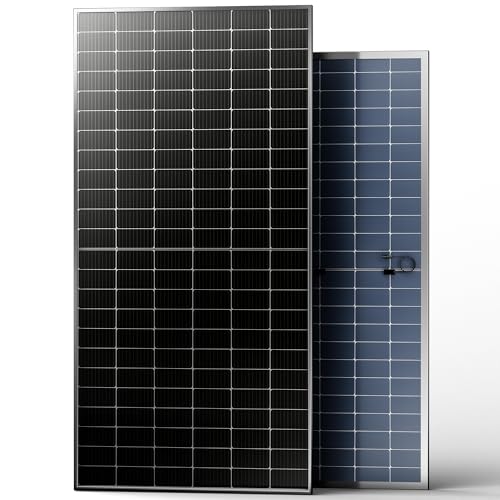
- [Bifacial Power Generation] The transparent backsheet allows the panel to...
- [High Output, Easy Installation] With 550W of rated power per panel, fewer...
- [Versatile for Home & Off-Grid Systems] Designed for a wide range of...