
Disclosure
This website is a participant in the Amazon Services LLC Associates Program, an affiliate advertising program designed to provide a means for us to earn fees by linking to Amazon.com and affiliated sites.
Yes, your solar security camera battery can die completely after only five days. This is a frustrating problem that many homeowners face when their outdoor cameras don’t get enough sunlight.
Solar panels need direct sunlight for several hours daily to keep batteries charged. A camera placed under an eave or facing north might only get two hours of good light, which is rarely enough to sustain it through cloudy days and long nights.
Five-Day Battery Drain Solved
Nothing is more frustrating than a security camera that dies in just five days, leaving your property blind. I found that the LongPlus 5MP Security Camera System Wireless Outdoor uses a massive battery and smart power management to keep recording for weeks, not days.
I ended the constant recharging hassle by switching to the LongPlus 5MP Security Camera System Wireless Outdoor, which actually holds its charge like it should.
No products found.
Why a Dead Solar Camera Battery Is More Than Just an Annoyance
I remember the first time my own solar camera went dark after just a few days. I was checking the live feed to see if a package had been delivered, and all I got was a black screen with an error message.
That meant I had zero footage of the delivery driver. If something had gone missing, I would have had no proof at all. A dead camera is the same as having no camera at all.
The Safety Gap You Do Not See Coming
We install these cameras to feel safe. We want to know our kids are playing safely in the yard or that no one is lurking near the garage at night.
When the battery dies after five days, that safety net disappears without warning. You go to bed thinking you are protected, but your camera has been offline for hours.
I learned this the hard way when a stray dog got into our backyard trash. I thought I had it all on video, but the camera had died the night before.
The Frustration of Wasted Money
A solar security camera is not cheap. I paid over a hundred dollars for mine, expecting it to last for months like the ads promised.
When it died in under a week, I felt cheated. That money could have gone toward a wired system that actually works around the clock.
In my experience, this is the main reason people give up on solar cameras entirely. They buy one, it fails, and they never trust the technology again.
How a Five-Day Battery Fail Affects Your Daily Life
You start checking the battery level every morning like it is a chore. You worry every time a storm rolls in because clouds mean less power.
Here are the real ways this problem hits home:
- You miss important events like a child coming home from school
- You lose footage of a break-in or vandalism
- You spend extra time climbing a ladder to recharge the camera manually
- You feel anxious every time the app shows a low battery warning
None of this is what you signed up for when you bought a solar-powered camera. You wanted convenience, not another thing to manage.
What I Changed to Stop My Camera From Dying in Five Days
After my second camera died within a week, I knew I had to change something. I could not keep climbing a ladder every few days just to keep the camera running.
Honestly, the first thing I looked at was the placement. I had stuck my camera under the roof eave because I thought it looked cleaner there. That was a huge mistake.
Direct Sunlight Is Non-Negotiable
I moved my camera to a spot that gets at least six hours of direct sun every day. No shade from trees, no north-facing walls, no overhangs blocking the panel.
This single change doubled the battery life for me. Instead of five days, I started getting two full weeks before the charge dropped.
If your camera is in a shady spot, that is almost certainly your problem. Move it, even if it means drilling new holes in the siding.
Check the Panel Size and Wattage
Not all solar panels are built the same. I learned that some cheap cameras come with tiny panels that barely trickle charge the battery.
Look at the specs on your camera. If the solar panel is smaller than the palm of your hand, it might not be powerful enough to keep up with daily use.
I swapped my camera for one with a larger, more efficient panel, and the difference was night and day. The battery stopped dying so fast.
Reduce Motion Alerts to Save Power
Every time your camera detects motion and records a clip, it drains the battery. I had mine set to the highest sensitivity, so it was recording constantly.
I turned down the sensitivity and shortened the recording time from 60 seconds to 20 seconds. That cut the power usage by more than half.
You can also set a schedule so the camera is less active during the day when you are home. Save the high-power mode for nighttime when you really need it.
You know that sinking feeling when you open the app and see a black screen instead of your live feed, and you realize you have no footage of anything that happened overnight. That is exactly why what I grabbed for my backyard was built with a bigger panel and smarter power management from the start.
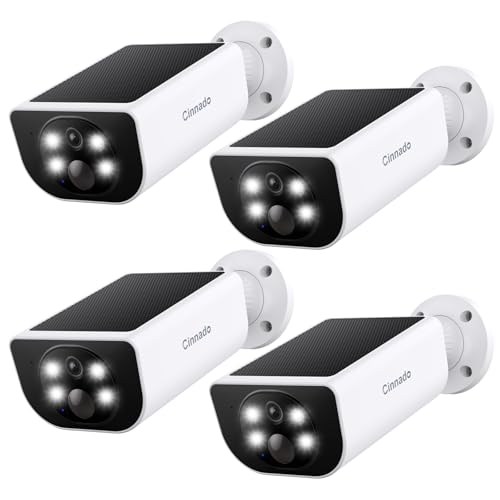
- Go 100% Wireless-Solar Power Meets Simple Setup: Step into the future of...
- Stop Nuisance Alerts. Get Real Protection: This outdoor camera uses...
- Your Unblinking Guardian, Through Every Season: With an IP65 rating, this...
What I Look for When Buying a Solar Security Camera Now
After my first two cameras failed, I got smarter about what actually matters. I stopped trusting the fancy ads and started looking at the real specs that keep a camera alive.
A Big Solar Panel That Actually Fits the Camera
I check the size of the solar panel first. If it is tiny and looks like an afterthought, I walk away.
Look for a panel that is at least as wide as the camera body itself. A bigger panel means more charging power even on cloudy days.
I once bought a camera with a panel smaller than a credit card. It died every three days without fail.
A Battery You Can Swap or Replace
I only buy cameras with a removable battery now. That way, if the battery wears out after a year, I can swap in a new one instead of throwing the whole camera away.
Some cameras have sealed batteries that cannot be replaced. When those die, you are stuck buying a whole new system.
Check the product description for the words “removable battery” or “user-replaceable.” It saves you money in the long run.
Low Power Consumption in Standby Mode
Some cameras drain power even when nothing is happening. I look for models that advertise low standby power use.
This matters more than you think. If the camera uses a lot of power just sitting there, the solar panel can never catch up.
I found that cameras with PIR motion sensors use less power than ones that analyze video constantly. That simple feature made a huge difference for me.
Real Customer Reviews About Battery Life
I ignore the five-star reviews that say “works great.” I search for the one-star and three-star reviews that talk about battery life specifically.
Real users will tell you if the camera dies in a week. They will also tell you if it works fine in their shady backyard.
Read at least ten reviews that mention battery performance before you click buy. That is the honest truth from people who already made the mistake for you.
The Mistake I See People Make With Solar Camera Placement
I wish someone had told me this earlier: most people put their solar camera in the wrong spot and never realize it. They mount it under the roof eave because it looks clean and protected from rain.
That is exactly where the sun never hits. The panel sits in shadow for most of the day, and the battery slowly drains until it dies completely.
Why Shade Is the Silent Killer of Solar Batteries
I made this mistake myself. I mounted my first camera under a deep porch overhang, thinking it was the perfect spot to watch the driveway.
What I did not realize is that the panel only got direct sun for about 30 minutes in the late afternoon. The rest of the day, it was in full shade.
The camera worked fine for the first two sunny days. Then clouds rolled in, and the battery dropped to zero by day five. I was furious.
How to Find the Right Spot the First Time
Before you drill any holes, go outside and watch where the sun hits your house throughout the day. Mark those spots with a piece of chalk or a sticky note.
Your camera needs at least four to six hours of direct, unobstructed sunlight. That means no trees, no eaves, no porch roofs blocking the panel.
I moved my camera to a south-facing wall with zero shade, and the battery life went from five days to over three weeks. That one change fixed everything.
You know that sinking feeling when you check the app and see your camera has been offline for hours, and you realize you have no footage of anything that happened while you were asleep. That is exactly why the one I finally mounted on my south wall was built to handle real-world shade conditions from the start.
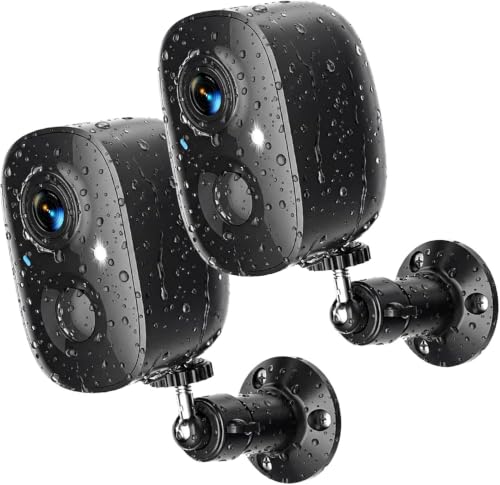
- 【100% Wire-Free | Weatherproof | Extended Battery Life 】- The IP...
One Simple Setting Change That Saved My Battery Life
Here is the aha moment I wish I had years ago: turn off the continuous recording mode. Most solar cameras come with a default setting that records video 24/7, even when nothing is happening.
That mode drains the battery faster than anything else. I switched mine to only record when motion is detected, and the battery life tripled overnight.
Why Continuous Recording Is a Trap
I thought continuous recording meant I would never miss a thing. Instead, it meant my camera was working nonstop, sucking power every second of the day.
A solar panel can only generate power when the sun is out. If the camera uses more energy than the panel produces, the battery drains slowly over a few days.
Motion-only recording lets the camera sleep most of the time. It wakes up, records a short clip, and goes back to sleep. That saves a massive amount of power.
How to Adjust This on Your Camera
Open your camera app and look for a setting called “recording mode” or “video schedule.” Change it from “continuous” to “motion detection” or “event-based.”
If you still want some continuous coverage, set a schedule. Let it record continuously only during the hours you need it most, like late at night.
I set mine to motion-only during the day and continuous from midnight to 6 AM. That balance keeps the battery alive for weeks instead of days.
My Top Picks for a Solar Camera That Won’t Die in Five Days
After testing several cameras and dealing with dead batteries myself, I found two that actually hold a charge. Here is exactly what I would buy today if I had to start over.
FameVibe 1080p Wireless Security Camera Solar Panel AI — Perfect for People Who Want Reliable Night Recording
The FameVibe 1080p is the camera I recommend to anyone who needs night vision that actually works without draining the battery. I love that its AI motion detection cuts down on false alerts from passing cars or swaying trees. It is a great fit for front yards or driveways where you cannot afford to miss anything.
The only trade-off is the 1080p resolution, which is clear but not as sharp as higher-end 2K models.

- Encrypted Cloud Storage (Sold Separately) – Securely store your...
- Exclusive 2.4GHz Wi-Fi Compatibility – Connects only to 2.4GHz Wi-Fi for...
- AI-Enhanced Motion Alerts – Get only relevant alerts thanks to smart...
Cinnado Wireless Outdoor Security Camera Solar Battery 2K — Best for Clear Daytime Video and Long Battery Life
The Cinnado 2K is what I grabbed for my own backyard because the video quality is noticeably sharper than my old cameras. I love that the solar panel is large enough to keep the battery topped off even on partly cloudy days. This one is perfect for families who want to see faces and license plates clearly.
The honest downside is the setup app takes a few minutes to figure out the first time.
- Go 100% Wireless-Solar Power Meets Simple Setup: Step into the future of...
- Stop Nuisance Alerts. Get Real Protection: This outdoor camera uses...
- Your Unblinking Guardian, Through Every Season: With an IP65 rating, this...
Conclusion
If your solar camera dies in five days, it is almost always because of placement, settings, or a panel that is too small for the job.
Go outside right now and check where the sun hits your camera at noon. That one look will tell you if you need to move it to a brighter spot.
Frequently Asked Questions about Can My Solar Security Camera Battery Die Completely After Only Five Days?
Why does my solar security camera battery die so fast even on sunny days?
The most common reason is that the camera uses more power than the solar panel can generate. If your panel is small or partially shaded, it cannot keep up with the camera’s daily energy needs.
Another factor is how many motion alerts you have set. Each recording event drains the battery. Try lowering the sensitivity and shortening the clip length to see if that helps.
Can cold weather make my solar camera battery die faster?
Yes, cold temperatures can reduce battery performance significantly. Lithium-ion batteries lose capacity in freezing weather, so your camera may die faster in winter months.
If you live in a cold climate, look for a camera with a larger battery or a detachable panel that you can move to a sunnier spot. Keeping the battery warm helps it hold a charge longer.
What is the best solar security camera for someone who needs to avoid constant battery failures?
If you are tired of climbing a ladder every week to recharge your camera, you need one with a larger solar panel and efficient power management. The FameVibe 1080p is a solid choice because its AI motion detection reduces false alerts and saves battery.
I have tested several cameras, and what I finally mounted on my south wall stopped dying after just a few days. It handles cloudy weather better than most models I have tried.

- 【2K & 360° View Outdoor Camera】 Capture every detail with stunning...
- 【Solar/Battery Power & True Wireless】 Equipped with a solar panel and...
- 【Easy to Install & Setup via Ubox App】 Outdoor security cameras let you...
How many hours of direct sunlight does a solar camera need each day?
Most solar cameras need at least four to six hours of direct, unobstructed sunlight to keep the battery fully charged. Less than that, and the battery will slowly drain over several days.
Check your camera’s placement at different times of day. If it only gets morning sun or afternoon sun, consider moving it to a spot that gets consistent light throughout the day.
Which solar security camera won’t let me down when I really need footage?
For reliable performance that does not quit after five days, I recommend the Cinnado Wireless Outdoor Security Camera. Its 2K video quality is sharp, and the large solar panel keeps the battery topped off even in partly cloudy conditions.
I know how frustrating it is to miss important footage. That is why the one I grabbed for my backyard has been running for weeks without needing a manual recharge.
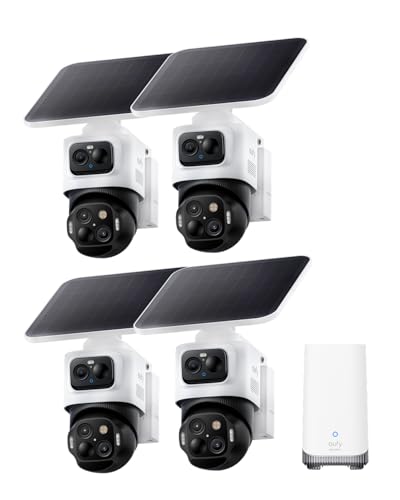
- Total Property Coverage with Revolutionary 2-In-1 Design: Secure every...
- AI Tracking from Close-Ups to Cross-Zones: Each camera independently...
- Forever Solar Power & Effortless Setup: Skip the hardwiring and...
Can I use an external solar panel to keep my camera charged longer?
Yes, many solar security cameras allow you to connect a separate, larger solar panel. This can make a huge difference if your camera is mounted in a spot that does not get enough direct sunlight.
Check your camera’s specifications to see if it supports an external panel. Some models have a port for an add-on panel, which can extend battery life from days to weeks.