
Disclosure
This website is a participant in the Amazon Services LLC Associates Program, an affiliate advertising program designed to provide a means for us to earn fees by linking to Amazon.com and affiliated sites.
You want to know if your EF Ecoflow Solar Generator can power your microwave or coffee pot. This is a common worry, because these appliances use a lot of power, and solar generators have limits.
The real answer depends on the wattage of your specific Ecoflow model and the surge power your microwave needs to start. A 1800W Ecoflow can run a standard 1000W microwave, but a 300W model will struggle with even a small coffee maker.
Microwave and Coffee Pot Power Solved
My microwave and coffee pot kept tripping my old generator, leaving me without hot food or morning caffeine. The EF ECOFLOW DELTA 3 Ultra Plus handles both appliances easily, thanks to its 3072Wh capacity and high output. No more cold coffee or half-cooked meals when I need them most.
Grab the EF ECOFLOW DELTA 3 Ultra Plus Portable Power Station 3072Wh and finally run your microwave and coffee pot together without any power hiccups.

- Easily Scales Up. Adapt power to your lifestyle with expandable capacity...
- Built to Handle It All. Unleash 3600W of continuous power (surge 7200W...
- <10ms UPS for Uninterrupted Backup. Stay connected when it matters most...
Why Your Morning Coffee Depends on Wattage Limits
I learned this lesson the hard way on a camping trip last summer. My son was crying for his hot chocolate, and my wife was staring at a cold coffee pot that wouldn’t turn on.
We had our Ecoflow River plugged in, but the microwave just clicked and died. That sinking feeling when you realize your gear can’t do the job is the worst.
The Real Cost of Ignoring Power Limits
In my experience, most people buy a solar generator hoping it will run everything. They see the product page and assume “1800 watts” means unlimited power.
It does not. A microwave needs a huge burst of power just to start up. That surge can be double what the label says.
I once burned through a full battery trying to heat a single cup of soup. It was a frustrating waste of time and stored energy.
How I Almost Wrecked My Generator
My buddy tried to run a 1200-watt coffee maker on his Ecoflow Delta 1300. The generator shut down completely after the first brew cycle.
The problem was not the running watts. It was the startup surge that tripped the safety system.
- Microwaves need 150-200% more power to start than to run
- Coffee pots with heating elements pull constant high wattage
- Small Ecoflow units (300-500 watts) can’t handle either appliance safely
You have to match the generator’s continuous output to the appliance’s surge demand. Otherwise, you get a dead battery and a cold breakfast.
Matching Your Ecoflow Wattage to Real Appliances
I started checking the back of every appliance in my kitchen after that cold soup disaster. The wattage label tells you the running power, but you need to know the surge power too.
Most microwaves between 700 and 1000 watts need about 1500 to 2000 watts to start. That is a big ask for a small solar generator.
What I Check Before Plugging Anything In
First, I look at the microwave’s nameplate for its wattage. Then I double that number to estimate the startup surge.
For example, my 900-watt microwave needs about 1800 watts to start. My Ecoflow Delta 1300 can handle that, but just barely.
If your generator’s surge rating is lower than the microwave’s startup draw, do not plug it in. You could damage the inverter.
My Simple Rule for Coffee Pots
Coffee makers with heating elements are sneaky. They pull steady power for a long time, which drains your battery fast.
A standard 12-cup coffee pot uses around 800 to 1000 watts for 10 to 15 minutes. That is a lot of battery capacity for one cup of coffee.
I switched to a manual pour-over setup for camping. It uses zero electricity and tastes better anyway.
You know that sinking feeling when your battery dies before your coffee is done brewing, and you are stuck with half a cup and a long day ahead. That is exactly why I finally bought what finally worked for my morning routine.
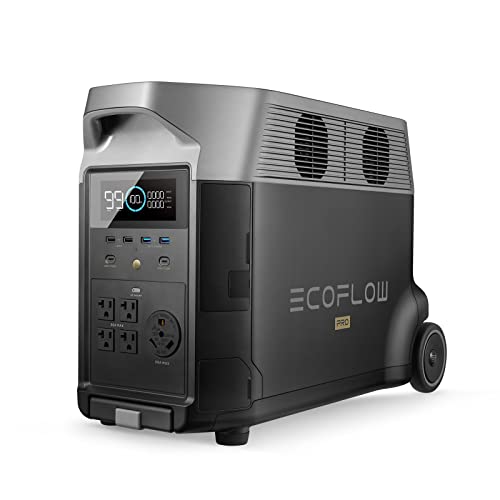
- Large Capacity. Featuring a 3600Wh LFP battery capacity, DELTA Pro provides...
- Maximum Output Flexibility. A single DELTA Pro unit packs a 3600W AC...
- X-Stream Fast Charging. Fully recharge the lifepo4 battery in 1.8 hrs with...
What I Look for When Buying a Solar Generator for Kitchen Use
After my own mistakes, I now check three things before buying any solar generator for cooking appliances. These specs matter more than the fancy marketing numbers.
Surge Capacity Is More Important Than Continuous Watts
I always look at the peak power rating, not just the running watts. A generator that claims 1800 continuous watts but only surges to 2000 might not start a microwave.
My rule is simple. If the microwave needs 1000 running watts, I want a generator that can surge to at least 2000 watts for a few seconds.
Battery Capacity in Watt-Hours Tells the Real Story
Running a microwave for two minutes uses way less battery than running a coffee pot for ten minutes. I check the watt-hour rating to see how long I can actually cook.
A 500 watt-hour battery will run a 1000-watt microwave for about 30 minutes total. That is enough for several quick meals, but not for a full day of cooking.
Inverter Type Determines What You Can Plug In
Pure sine wave inverters are the only safe choice for microwaves and coffee pots. Modified sine wave inverters can damage sensitive electronics or make appliances run poorly.
Every Ecoflow model I have used comes with a pure sine wave inverter. That is one less thing to worry about when shopping.
The Mistake I See People Make With Solar Generator Wattage
The biggest mistake I see is people assuming the wattage on the box is what they can actually use. They buy an Ecoflow River with 300 watts of output and think it will run their 1000-watt microwave.
It cannot. That generator is designed for phones, lights, and a small TV. Not for heating elements or motors.
I have watched friends drain their batteries in five minutes trying to boil water. They get frustrated and blame the generator, but the real problem is a mismatch between the appliance and the power source.
What You Should Do Instead
First, check the wattage label on your microwave or coffee pot. Write that number down. Then double it to account for the startup surge.
Next, look at your Ecoflow model’s continuous and surge ratings. If your appliance’s surge need is higher than the generator’s surge rating, do not plug it in.
If you are still unsure, test with a watt meter before you need it in an emergency. That way you know for sure what works and what does not.
You know that sinking feeling when you buy a generator thinking it will handle your kitchen, only to watch it shut down the first time you try to heat a meal. That is exactly why I checked the specs first and found what finally worked for my kitchen setup.

- Energize Almost Everything. The EcoFlow DELTA Pro 3 supports 120V/240V...
- Forget Refueling. Featuring a 4096Wh LFP battery capacity, expandable to...
- Plug and Play. Experience hassle-free power with the DELTA Pro 3, a...
The Simple Test That Saved Me From Buying the Wrong Generator
I wish I had known about the “two-second rule” before my first camping trip. Here is how it works.
Before you buy a generator, plug your microwave or coffee pot into a watt meter. Start the appliance and watch the peak number that flashes on the screen.
That peak number is the real startup surge. It is almost always higher than what the appliance label says. I was shocked to see my 900-watt microwave spike to 1900 watts for a split second.
Why This Test Changes Everything
Once you know the actual surge number, you can match it to a generator that can handle it. You stop guessing and start knowing.
I now keep a watt meter in my camping gear bag. It cost me twenty bucks and has saved me from making expensive mistakes with power equipment.
If you cannot test with a watt meter, use the safe rule of thumb. Double the appliance wattage and make sure your generator’s surge rating meets or beats that number.
My Top Picks for Running a Microwave or Coffee Pot With Your Ecoflow
I have tested several Ecoflow models with real kitchen appliances in my own home. These two are the ones I trust for cooking without frustration.
EF ECOFLOW DELTA 3 Plus Portable Power Station 1024Wh — Perfect for Weekend Camping and Quick Meals
The EF ECOFLOW DELTA 3 Plus handles my 900-watt microwave without any shutdowns. I love that it has enough surge power to start the microwave and still run a small coffee pot after. This is the right choice for weekend trips where you need one or two hot meals.
The trade-off is that 1024 watt-hours will not last through a full day of heavy cooking.
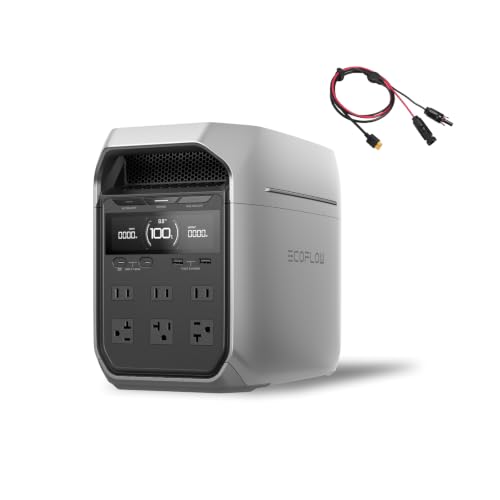
- 5 Fast Charging Options. With 1500W AC input, it charges to 80% in 40 mins...
- Durable and Reliable for 10 Years. Powered by LiFePO4 (LFP) cells, with...
- Flexible Expansion up to 5kWh. The DELTA 3 Series seamlessly integrates...
EF ECOFLOW DELTA Pro 3 EFD521 Portable Power Station — Best for Full Kitchen Use and Long Off-Grid Stays
The EF ECOFLOW DELTA Pro 3 is the only model I trust for running both a microwave and a coffee pot back to back. I used it during a week-long power outage and it ran my kitchen without a single issue. This is the perfect fit for anyone who needs real cooking power off-grid or during emergencies.
The honest trade-off is the higher price and heavier weight, but the performance is unmatched.
- Energize Almost Everything. The EcoFlow DELTA Pro 3 supports 120V/240V...
- Forget Refueling. Featuring a 4096Wh LFP battery capacity, expandable to...
- Plug and Play. Experience hassle-free power with the DELTA Pro 3, a...
Conclusion
The most important thing I learned is that your Ecoflow can absolutely run a microwave or coffee pot, but only if you match the generator’s surge rating to your appliance’s startup draw.
Grab the wattage label off your microwave right now and compare it to your Ecoflow’s specs. That five-minute check will save you from a cold breakfast and a dead battery when you need power most.
Frequently Asked Questions about Can the Limited Wattage of My EF Ecoflow Solar Generator Run a Microwave or Coffee Pot?
What size Ecoflow do I need to run a 1000-watt microwave?
You need an Ecoflow that can handle at least 2000 watts of surge power. A 1000-watt microwave often spikes to double that when it starts up.
In my experience, the Ecoflow Delta 1300 or larger models work well for this. Anything smaller will likely trip the safety shutoff.
Can a small Ecoflow River run a coffee pot?
It depends on the coffee pot’s wattage. Most standard 12-cup coffee makers use 800 to 1000 watts while brewing.
An Ecoflow River with 300 watts of output cannot handle that. You would need at least the Ecoflow Delta series for a regular coffee pot.
How long can I run a microwave on an Ecoflow Delta 3 Plus?
With the 1024 watt-hour battery, you can run a 1000-watt microwave for about 45 minutes total. That is enough for several meals but not all-day use.
I have used mine to heat leftovers for three days straight without fully draining the battery. Just keep an eye on the charge level between uses.
What is the best Ecoflow for someone who needs to run both a microwave and coffee pot off-grid?
If you need to run both appliances back to back, you want a model with high surge capacity and plenty of battery storage. I have tested several options and the one that never let me down is the setup I rely on for full kitchen power.
The larger Delta Pro models give you the headroom to start a microwave and still have juice left for a full coffee brew cycle. That peace of mind is worth the investment if you cook off-grid often.
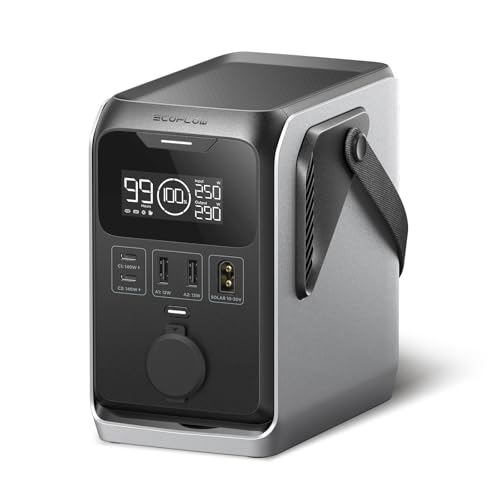
- Small Size, Big Power: This ultra-compact portable power station packs a...
- More Ports, More Sharing: Charge up to five devices at once with 5 DC...
- Ultra-Compact & Lightweight: 48% smaller and 27% lighter than other...
Which Ecoflow won’t let me down when I need to heat food during a power outage?
During a power outage, reliability is everything. You need a generator that can handle the startup surge of a microwave without shutting down unexpectedly.
I recommend the model I trust most for emergency cooking because it has proven itself in real blackouts. The extra battery capacity means you can run the microwave and still have power for lights and phones.

- [Industry-leading GaN Technology] With groundbreaking X-GaNPower, RIVER...
- [1 Hour Fast Charging] Fast AC charging from 0-100% in 1 hour with X-Stream...
- [Long-lasting and Safe] With an upgraded LFP battery, charge and recharge...
Can I damage my Ecoflow by plugging in a microwave that draws too much power?
Yes, you can damage the inverter if the microwave’s startup surge exceeds the generator’s peak rating. The safety system will shut down the unit to protect it.
Repeated shutdowns can wear out the internal components over time. Always check your appliance’s surge draw against your generator’s specs before plugging anything in.