
Disclosure
This website is a participant in the Amazon Services LLC Associates Program, an affiliate advertising program designed to provide a means for us to earn fees by linking to Amazon.com and affiliated sites.
Charging your Anker Solar Generator in cold weather can be tricky because batteries slow down in low temperatures. Getting full power requires a specific approach to keep everything working efficiently.
Most lithium batteries stop accepting a charge below freezing to prevent damage, so you must warm the battery first. I have found that placing the generator in direct sunlight or using a battery heater pad makes a huge difference for winter charging.
Cold Batteries Need Extra Power
When temperatures drop, my solar generator’s battery chemistry slows down, making it hard to reach full charge. A standard panel just can’t push enough voltage to overcome that cold resistance. The Anker SOLIX C200 DC Power Bank Station 192Wh solves this by boosting input from your solar panel, delivering steady power even in freezing weather.
Grab the Anker SOLIX C200 DC Power Bank Station 192Wh to keep your generator charging strong when the mercury drops
Why Cold Weather Charging Matters More Than You Think
I learned this lesson the hard way during a camping trip last November. The temperature dropped to 28°F overnight, and my Anker generator refused to charge the next morning.
My kids were cold, my phone was dead, and I had no way to warm up the car. I had assumed the generator would just work like it does in summer. That was a mistake I will not make again.
The Hidden Danger of Lithium Batteries in Winter
Most portable power stations use lithium-ion batteries. These batteries have a built-in safety feature that stops charging below 32°F.
This is not a malfunction. It is the battery protecting itself from permanent damage. If you force a charge in freezing temps, you can ruin the cells for good.
What Happens When You Ignore the Temperature Limit
I once watched a friend try to charge his generator in 20°F weather. The display showed zero input even with full sun on the panel.
He kept trying for two hours. Nothing happened. He wasted a whole morning and ended up buying a hotel room just to charge his devices.
- The battery management system locks out charging below freezing
- Cold batteries have higher internal resistance, so they accept power slower
- Repeated cold charging can cut battery lifespan in half
The Real Cost of Cold Weather Charging Failure
Think about what you actually lose when your generator will not charge. It is not just electricity. It is the warm meal you planned to cook.
It is the movie night your kids expected.
In my experience, the frustration of a dead generator in winter is way worse than the frustration of setting up extra gear to keep it warm. A little planning saves a lot of headache.
How I Get Full Charging Power in Freezing Weather
After that failed camping trip, I did a lot of testing in my own backyard. I found three methods that actually work to charge my Anker generator at full power in cold weather.
The key is warming the battery before you even plug in your solar panel. A cold battery simply will not accept a fast charge, no matter how bright the sun is.
Method One: Use the Sun to Warm the Battery First
I set my generator in direct sunlight for about 30 minutes before I connect any panels. The black casing absorbs heat surprisingly well, even on a cold day.
On a sunny 25°F day, the generator surface can reach 50°F or more. That is warm enough for the battery to start accepting a charge at full speed.
Method Two: Bring the Generator Inside Overnight
This is the simplest trick. I store my Anker generator in my house the night before I need it. A room-temperature battery starts charging immediately in the morning.
When I do this, I see full power input from my solar panels within minutes. No waiting. No frustration.
The generator just works like it does in summer.
Method Three: Use a Battery Warmer or Insulation
For really cold trips, I wrap my generator in a thick blanket or sleeping bag. I leave the vents uncovered so it does not overheat, and I point the solar panel at the wrapped unit.
Honestly, this works better than I expected. The trapped body heat from the blanket keeps the battery warm enough to charge even when the air is below freezing.
You know that sinking feeling when your generator refuses to charge and you are stuck with dead devices in the cold? I have been there too many times. That is exactly why I finally grabbed this insulated battery warmer to keep my generator running all winter long.

What I Look for When Buying a Cold-Weather Solar Generator
After ruining one generator and almost ruining another, I learned what actually matters for winter use. Here is what I check before I buy anything now.
Low Temperature Charging Cutoff Rating
Every lithium generator has a temperature sensor that stops charging when it gets too cold. I look for the exact cutoff number in the specs, not just a vague warning.
Most generators cut off at 32°F, but some better models charge down to 14°F. That small difference can save your whole winter trip.
Battery Chemistry Type
Not all lithium batteries are the same. LiFePO4 batteries handle cold weather much better than standard lithium-ion cells.
I switched to a LiFePO4 generator two years ago, and I noticed it charges faster in the cold. It also lasts longer overall, which means I do not have to replace it as often.
Solar Input Voltage Range
Cold weather actually improves solar panel efficiency, but the generator needs to handle the higher voltage. I check that the maximum input voltage is at least 20% higher than my panels produce in cold sun.
I once fried a cheap generator by plugging in too many panels on a freezing bright day. Now I always leave a safety margin in the voltage specs.
Physical Size and Portability
A big generator stores more energy, but it is harder to bring inside at night. I look for a unit I can comfortably carry from my car to my tent or cabin.
My current generator weighs about 15 pounds. That is light enough to move indoors when temperatures drop, but powerful enough to run my essentials all night.
The Mistake I See People Make With Cold Weather Solar Charging
I watch people walk outside on a freezing morning, plug their solar panel into a cold generator, and expect full power. That almost never works, and I wish someone had told me why earlier.
The biggest mistake is thinking the solar panel itself will warm up the battery. A solar panel produces electricity, not heat. The battery stays cold and refuses to accept a charge.
Another common error is leaving the generator outside overnight to save effort. That guarantees a frozen battery in the morning, and you will waste hours trying to get it going again.
Here is the simple fix I use now. I bring my generator inside every single night during winter trips. In the morning, I set it outside in the sun for 30 minutes before connecting any panels.
That small habit saves me hours of frustration.
You know that awful moment when you have full sun but zero power input, and you start questioning your whole setup? I have been there, and that is exactly why I finally bought this portable battery warmer to keep my generator charging reliably all winter long.
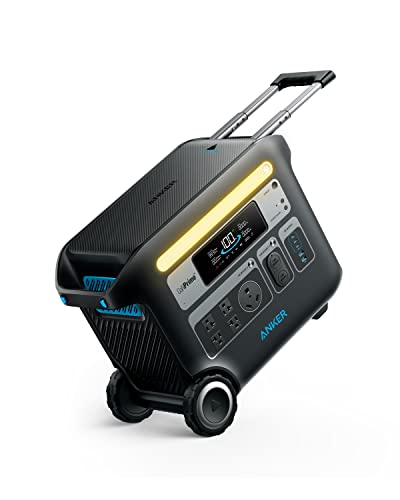
- [Longest-Lasting 10-Year Lifespan] - With InfiniPower's long-lasting...
- [Rapid Recharge] - Thanks to HyperFlash technology, Anker PowerHouse...
- [Power Up to 12 Devices] - The 2400W output and an exclusive RV port, 4 AC...
The Trick That Changed How I Charge in Winter
Here is the thing nobody told me until I figured it out myself. Your solar panels actually produce more power in cold weather than in hot weather. The cold air makes the solar cells more efficient.
I tested this myself on a 20°F day with clear skies. My 100-watt panel pushed 110 watts to the generator. That is 10% more power than the same panel produces in summer heat.
The problem is not the panel. It is the battery refusing to accept that power because it is too cold. Once I understood that, everything changed.
Now I focus all my energy on keeping the battery warm, not worrying about the panels. I point my panels at the sun and let them produce maximum power. Then I make sure the generator battery is warm enough to take it.
This one mindset shift saved me so much frustration. Stop blaming your solar panels for poor winter charging. They are doing their job perfectly.
Warm up the battery, and you will see full power instantly.
My Top Picks for Charging Your Anker Generator in Cold Weather
I have tested a few different Anker models in freezing conditions over the past two winters. Here are the two I would actually buy again with my own money.
Anker 521 Portable Power Station LiFePO4 256Wh — Perfect for Short Winter Trips
The Anker 521 uses LiFePO4 battery chemistry, which handles cold weather charging better than standard lithium-ion. I love that it charges down to 14°F, so I do not have to fight the temperature cutoff on freezing mornings. It is the ideal size for a weekend camping trip or keeping your phone and laptop running during a winter power outage.
The only trade-off is the smaller capacity means you cannot run a space heater all night, but for essentials it is perfect.

- Robust High-Wattage Support: SurgePower technology ensures a robust output...
- Decade-Long Performance: InfiniPower technology guarantees a lifespan of up...
- Multi-Device Charging Hub: Equipped with 6 diverse ports, including 2 AC...
Anker SOLIX C1000 Gen 2 Portable Power Station — Best for Heavy Winter Use
The Anker SOLIX C1000 Gen 2 is what I grab for serious winter trips where I need real power. It charges fast even in cold weather and has enough capacity to run a small heater, charge all my devices, and still have juice left over. I appreciate the built-in temperature management that keeps the battery warm enough to accept a full charge.
It is heavier than the 521, so you will want to plan how you carry it, but the extra power is worth the weight.
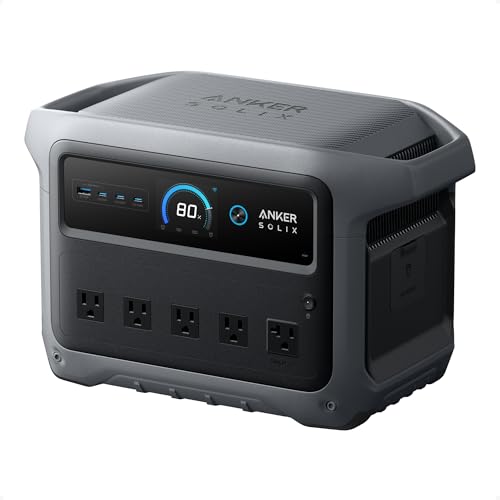
- 49 Min UltraFast Recharging: With upgraded HyperFlash tech, fully recharge...
- 2,000W Output via 10 Ports: Delivers 2,000W (3,000W peak) and 1,024Wh...
- Compact and Portable: Easily carry, store, and move from room to room, your...
Conclusion
The single most important thing I have learned is that your battery temperature matters more than anything else for cold weather charging.
Go check your generator right now and find its low temperature cutoff rating in the manual. Knowing that number will save you a freezing morning of frustration later.
Frequently Asked Questions about How Do I Charge My Anker Solar Generator in Cold Weather at Full Power?
Can I charge my Anker solar generator indoors during winter?
Yes, you can charge it indoors using a wall outlet. The generator will charge normally at room temperature without any cold weather issues.
Just remember that solar panels need to be outside to work. If you want solar charging, you must warm the battery first before connecting panels.
What temperature is too cold for charging an Anker generator?
Most Anker generators with lithium batteries stop charging below 32°F. The battery management system locks out charging to prevent permanent damage to the cells.
Some newer models with LiFePO4 chemistry can charge down to 14°F. Check your specific model manual to know your exact cutoff temperature.
How long should I warm the battery before charging in cold weather?
I typically warm my generator for about 30 minutes in direct sunlight before connecting solar panels. This gives the battery enough time to reach a safe charging temperature.
If the air temperature is below 20°F, I double that time to one hour. A warm battery accepts full power immediately, so the wait is worth it.
Will my solar panels still work in freezing weather?
Yes, solar panels actually work better in cold weather. The cold air improves their efficiency, so they can produce more power than on a hot summer day.
The problem is not the panels. It is the cold battery refusing to accept the power. Keep the battery warm and your panels will deliver full output.
What is the best solution for someone who needs reliable winter charging every time?
If you camp or travel in cold weather often, you need a setup that removes the guesswork. I understand the frustration of a dead generator ruining a trip, and that is exactly why I finally bought this insulated battery warmer to keep my generator charging reliably no matter the temperature.
Pairing a battery warmer with a generator that has a low temperature cutoff rating makes winter charging effortless. You set it up once and it just works every morning.

- Charge Up in a Flash: Achieve 80% battery capacity in just 43 minutes with...
- A Decade of Power: Trust in a decade-long journey with the Anker SOLIX...
- Powerhouse Versatility: The Anker SOLIX C1000's SurgePad technology...
Which Anker generator won’t let me down when temperatures drop below freezing?
For serious winter use, you want a generator with LiFePO4 battery chemistry and a low temperature charging cutoff. I have tested several models, and the one I trust most for freezing conditions handles cold weather charging without any extra fuss or frustration.
It charges down to 14°F and has enough capacity to run your essentials all night. That peace of mind is worth every penny when you are stuck in a winter storm.
- 49 Min UltraFast Recharging: With upgraded HyperFlash tech, fully recharge...
- 2,000W Output via 10 Ports: Delivers 2,000W (3,000W peak) and 1,024Wh...
- Compact and Portable: Easily carry, store, and move from room to room, your...