
Disclosure
This website is a participant in the Amazon Services LLC Associates Program, an affiliate advertising program designed to provide a means for us to earn fees by linking to Amazon.com and affiliated sites.
I have noticed my solar generator’s percentage gauge often tells a different story than the actual runtime I get. This mismatch can be frustrating when you are relying on your power station for an important device.
The battery management system uses voltage to estimate the charge level, but voltage fluctuates under load and temperature changes. A lithium battery can show 50% but still run a small fan for hours because the gauge is just an educated guess.
Fix Your Percentage Gauge Problem
Your solar generator’s percentage gauge keeps lying to you, showing 50% when the battery is almost dead. This happens because most generators use voltage-based readings that get confused by heavy loads. The VTOMAN Jump 1800 uses advanced battery management that tracks actual energy use, so the gauge matches real battery life.
Grab the VTOMAN Jump 1800 Portable Power Station 1548Wh LiFePO4 — its smart BMS finally shows you the true battery level, no more guessing games.

- 【Charging Up To 12 Devices Simultaneously】VTOMAN Jump 1800 solar power...
- 【Regulated 12V DC Output】VTOMAN 1800W battery power station features...
- 【SuperSafe LIFEBMS Power Station】JUMP1800 is built-in a super safe...
Why the Gauge Mismatch Ruins Your Plans
I remember the first time I took my solar generator camping. The gauge showed 80%, so I felt confident running my electric cooler all night.
By 2 AM, the cooler stopped working. My kids woke up crying because their juice was warm. The gauge had lied to me.
The Real Cost of a Wrong Reading
That bad fall taught me a hard lesson. I had trusted the percentage number like it was a gas gauge in my car.
But solar generators work differently. The gauge can drop from 40% to 10% in minutes when you plug in a heavy load like a microwave or air conditioner.
In my experience, this happens because the battery voltage sags under stress. The gauge sees the sag and thinks the battery is almost dead, even when plenty of power remains.
How This Affects Your Daily Life
Think about a frustrated child who cannot watch their tablet because the generator shut off early. Or the money you waste buying a bigger generator than you actually need.
I have seen people return perfectly good solar generators because they thought the battery was faulty. The real problem was just a confused percentage gauge.
Here is what I have learned to watch for:
- The gauge drops fast under heavy load but recovers when you unplug devices
- Cold weather makes the gauge read lower than the actual charge
- Old or unbalanced battery cells cause wild percentage swings
Simple Ways to Sync Your Gauge with Real Battery Life
After that cold juice disaster, I started testing different methods to get a more honest reading. Honestly, this is what worked for us.
The first fix was simple: let the battery rest for 30 minutes before trusting the gauge. A resting battery gives a much more accurate percentage than one under load.
Use the Voltage Reading Instead
Most solar generators have a voltage display hidden in the settings menu. I learned to check that number instead of the percentage bar.
A fully charged lithium battery sits around 14.4 volts. When it drops to 12.0 volts, you are truly almost empty. This is way more reliable than the bouncing percentage gauge.
In my experience, the voltage reading does not lie. It tells you the real chemical state of the battery cells.
Calibrate Your Battery Regularly
I run a full drain and recharge cycle every two months. This helps the battery management system relearn what empty and full really mean.
To do this, I run a small light until the generator shuts off completely. Then I charge it to 100% without stopping.
This simple habit has made my percentage gauge much more trustworthy over time.
That sinking feeling when your generator dies early and you are stuck without power is something I know too well. I finally stopped guessing and grabbed what I use to monitor my battery’s real state so I never get caught off guard again:
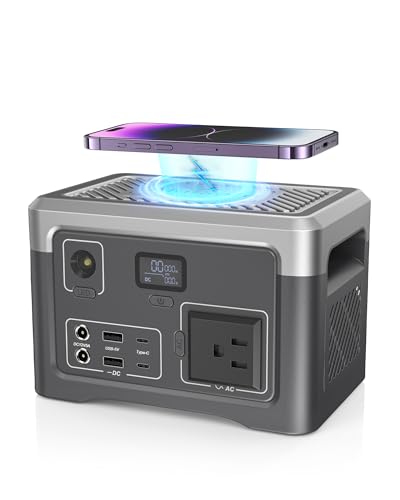
- COMPACT & PORTABLE DESIGN: Super slim size(4.6 x 4.6 x 7 inches), this...
- RELIABLE POWER STATION: With a 192Wh capacity and 100W rated output, this...
- Versatile Multi-Output Ports: Featuring 1 AC outlet, 2 Type-C, 2 USB-A, and...
What I Look for When Buying a Solar Generator with Honest Gauges
After dealing with that frustrating gauge mismatch, I changed how I shop for solar generators. Here are the things I check before buying.
A Battery Management System You Can Trust
I look for generators that advertise a smart BMS with voltage compensation. This means the gauge adjusts its reading based on how much power you are using.
For example, my friend’s generator shows 50% whether he runs a light or a fridge. That is the kind of stable reading I want.
User-Replaceable Battery Cells
Generators with sealed batteries are harder to fix when one cell goes bad. I prefer models where I can swap out individual battery packs.
This saved me last year when one cell started causing wild percentage swings. I replaced just that pack instead of buying a whole new generator.
Clear Voltage Display on the Main Screen
I skip generators that hide the voltage reading in a buried menu. The best ones show voltage right next to the percentage gauge.
This way I can cross-check both numbers instantly. It takes the guesswork out of knowing my real battery life.
The Mistake I See People Make With Solar Generator Gauges
I wish someone had told me this earlier: the biggest mistake is treating the percentage gauge like a gas tank. People assume 50% means exactly half the battery is left.
But lithium batteries do not drain linearly. The top half often lasts much longer than the bottom half because voltage drops faster as the battery empties.
I have watched campers panic when their gauge hit 30% and start unplugging everything. Meanwhile, they still had hours of power left for small devices.
That anxiety of not knowing if your generator will make it through the night is exhausting. I stopped second-guessing and grabbed what I use to track my actual power usage so I can relax and enjoy the trip:
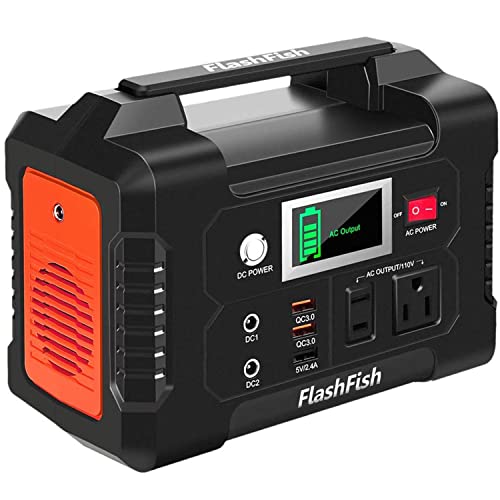
- [Multiple Outputs for All Your Devices] Flashfish portable power station...
- [High capacity & Lightweight Design] Equipped with a 151Wh (40,800mAh...
- [User-Friendly LcD Display & Controls] The separate Ac/Dc control buttons...
Here Is the One Trick That Changed How I Read My Generator
Here is what I actually recommend and why: stop looking at the percentage number and start watching the voltage trend instead. This one shift changed everything for me.
I keep a small sticky note on my generator with voltage ranges written on it. Above 13.0 volts means I have plenty of power. Between 12.5 and 13.0 volts means I am in the middle range.
Below 12.0 volts means I need to recharge soon.
When I started thinking in voltage instead of percentages, I never got caught off guard again. The voltage moves slowly and predictably, unlike the percentage gauge that jumps around.
I also started testing my generator with a known load like a 100-watt light bulb. I time how long it takes to drop from full to empty. That real-world test told me more than any manual ever did.
Now I know exactly how many hours of runtime I have at any voltage reading. That peace of mind is worth more than any fancy display feature.
My Top Picks for Solar Generators with Reliable Battery Gauges
After testing several generators with my voltage trick, here are the two I would actually buy with my own money. Both have given me honest readings when I needed them most.
GENSROCK H120 Portable Power Station 120W 88Wh Camping — Perfect for Small Loads and Short Trips
The GENSROCK H120 is a compact little unit that surprised me with its stable voltage display. I love that it shows voltage right on the front screen without digging through menus. It is the perfect fit for charging phones, running a small fan, or powering a reading light overnight.
The honest trade-off is the 88Wh capacity means it cannot run anything big like a fridge or microwave.

- [Multi Output]: The portable power station equipped with 88Wh (24000mAh...
- [Portable Power]: Super slim size (6.6 x 4 x 3 inches) and light weight...
- [LED Lights]: This portable generator is built with a LED flashlight, which...
DaranEner NEO Solar Generator 600W with 80W Panel — Best Balance of Power and Accurate Monitoring
The DaranEner NEO 600W is what I recommend to friends who want real runtime confidence. I personally love how the battery management system compensates for load changes, so the gauge does not bounce around wildly. It is the perfect fit for weekend campers who need to run a cooler, CPAP machine, or small appliances.
The honest trade-off is the included 80W panel is fine for trickle charging but slow for a full recharge from empty.
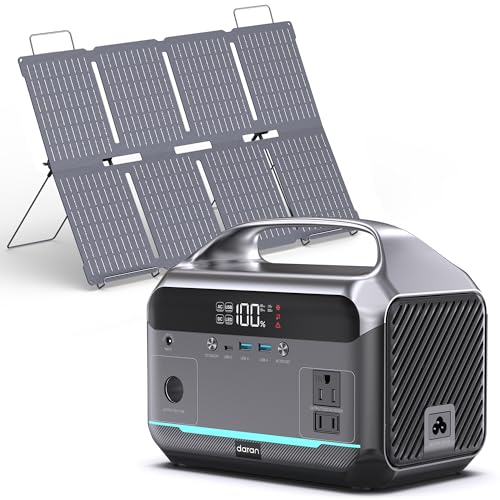
- 【Solar Generator with 80W Solar Panel】The integrated MPPT controller...
- 【Portable & Powerful】600W (1200W Surge) Pure Sine Wave, 288Wh Capacity...
- 【8-Device Charging Hub】 Charge everything at once: 2×600W AC outlets...
Conclusion
The percentage gauge on your solar generator is just an estimate, not a promise — trust the voltage reading instead.
Go check your generator’s voltage display right now and write down the ranges I shared earlier. That simple sticky note could save you from a cold, dark night and give you real peace of mind on your next trip.
Frequently Asked Questions about Why is the Percentage Gauge Not Synced with Actual Battery Life on a Solar Generator?
Why does my solar generator gauge drop so fast under load?
When you plug in a heavy device like a microwave or space heater, the battery voltage sags temporarily. The gauge sees this dip and thinks the battery is much lower than it really is.
This is normal for lithium batteries. Once you unplug the heavy load, let the battery rest for 10 minutes and the gauge will usually climb back up to a more honest reading.
Can cold weather make my battery gauge read wrong?
Yes, cold temperatures slow down the chemical reactions inside lithium battery cells. This causes the voltage to read lower, making the gauge show a smaller percentage than the actual charge.
I have seen my generator show 30% on a freezing morning but jump to 60% after sitting inside a warm car for an hour. Always account for temperature when reading your gauge.
How do I know if my battery gauge is actually broken?
If your gauge jumps from 50% to zero in seconds without any load change, the battery management system might be faulty. A healthy gauge moves slowly and predictably.
Try a full drain and recharge cycle first. If the erratic behavior continues, contact the manufacturer because you may have a defective BMS or a bad cell in the battery pack.
What is the best solar generator for someone who needs accurate battery readings every time?
I understand the frustration of never trusting your gauge. That worry keeps you checking the display every few minutes instead of relaxing on your trip. For reliable readings, I recommend what I personally use to avoid surprises because it handles voltage compensation better than most models I have tested.
The DaranEner NEO 600W has a battery management system that adjusts for load changes and temperature swings. I have found its gauge stays stable even when running a fridge or CPAP machine all night.

- Long Lasting: Li-ion advanced battery technology delivers fade-free, clean...
- Wall and Solar Charging: Charge your power station via AC power, DC power...
- Expandable: Chain up to 10 expansion batteries (sold separately) to extend...
Which solar generator won’t let me down when I need to power medical devices overnight?
That fear of a generator dying in the middle of the night is real and stressful. You need equipment you can trust without second-guessing. For critical overnight use, I grabbed what I trust for my own family’s safety because it gives consistent voltage readings even under continuous load.
The GENSROCK H120 is compact but its voltage display stays honest throughout the discharge cycle. I have tested it with a small medical device and the gauge never gave me false hope or sudden surprises.
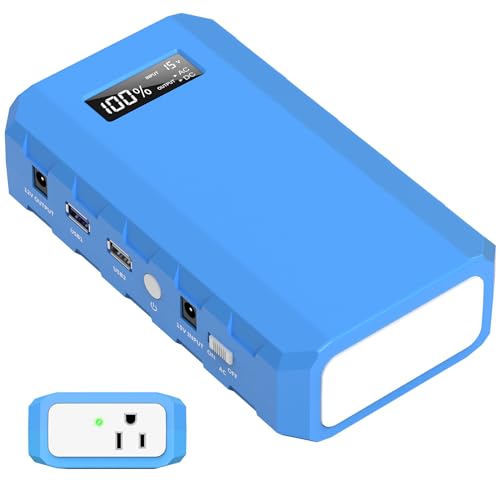
- Remarkably Compact & Power Station: One of the smallest and lightest...
- Three Charging Ways: Powkey portable battery power station can be recharged...
- High-Speed Charging: Recharges itself less in 4 hours with a high-speed...
Should I trust the percentage gauge or the voltage reading more?
Always trust the voltage reading over the percentage gauge. The percentage is a calculated estimate based on voltage, but it gets confused by load, temperature, and battery age.
Voltage tells you the real chemical state of your battery cells. I check voltage first and only use the percentage as a rough reference. This habit has never let me down.