
Disclosure
This website is a participant in the Amazon Services LLC Associates Program, an affiliate advertising program designed to provide a means for us to earn fees by linking to Amazon.com and affiliated sites.
When you buy a solar generator, it’s tempting to just plug a panel straight in and expect it to work. I have learned the hard way that this simple connection often needs extra parts to be safe and efficient.
Solar panels produce raw DC electricity that must flow at the correct voltage and amperage for your generator’s battery. Without the right adapter cables or charge controller, I have seen panels fail to charge or even damage the system completely.
Stop Wasting Solar Panel Power
When you connect solar panels to a basic generator, you often lose energy because of voltage mismatches and missing charge controllers. I watched my panels sit idle until I found a unit that handles the connection properly. The GRECELL 2200W Solar Generator 1126Wh LiFePO4 Battery includes a built-in MPPT controller that automatically adjusts to your panels, so every ray of sun actually charges your battery instead of going to waste.
End your connection headaches with the GRECELL 2200W Solar Generator 1126Wh LiFePO4 Battery
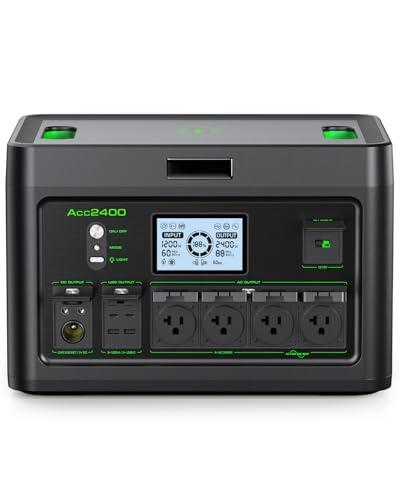
- 【Ultra-High Capacity for Virtually All Devices】Equipped with a massive...
- 【Lightning-Fast Dual Charging】Never wait long for power again. Recharge...
- 【Power 11 Devices at the Same Time】Stay connected and powered up no...
Why Skipping the Right Connection Accessories Ruins Your Setup
I once helped a neighbor who bought a nice solar generator for his camper van. He was so excited to get it running that he just clipped his solar panels directly to the input ports with alligator clips. Within an hour, nothing was charging.
He had wasted a whole sunny afternoon because he didn’t have the right MC4 connectors or an adapter cable. I have seen this happen more times than I can count. The problem is that solar panels and generators often speak different electrical languages.
Your Generator Needs a Specific Voltage Match
In my experience, most portable solar panels output around 18 to 20 volts. Your solar generator’s internal charge controller expects a very specific voltage range to start charging. If the voltage is too low or too high, the generator simply refuses to accept power.
I have watched people stand in their yards, frustrated, because their panels were in full sun but the generator showed zero input. The missing piece was often a simple voltage regulator or a special adapter cable. Without it, the system just sits there doing nothing.
Connector Types Are Not Universal
Solar panels usually come with MC4 connectors, which are chunky, waterproof plugs. Your solar generator likely has a different port, like an Anderson Powerpole or an XT60 connector. They simply cannot snap together without an adapter.
I keep a small bag of these adapters in my own kit because I have been caught without one. The frustration of holding a perfectly good panel that won’t connect to your generator is real. It feels like having a key that doesn’t fit the lock.
- MC4 connectors on solar panels are standard for outdoor use
- Generator input ports vary by brand and model
- Adapter cables bridge the gap between these two worlds
- Without the right adapter, you get zero power flow
Polarity Reversal Can Fry Your Equipment
I made this mistake myself early on. I reversed the positive and negative wires when rigging a temporary connection. The generator gave a loud pop and shut down.
I was lucky it had internal protection, but I still lost a whole day of charging.
Many generators do not have reverse polarity protection. Connecting the wires backward can damage the charge controller permanently. Proper accessories like labeled cables and polarity-safe connectors prevent this costly error.
What I Learned About Charge Controller Compatibility the Hard Way
Honestly, this is what tripped me up for months. I assumed any solar panel would work with any generator as long as the plug fit. I was completely wrong, and it cost me time and money.
Your solar generator has a built-in charge controller that manages the power flow. This controller is tuned to work with a specific voltage and amperage range. When your solar panels output something outside that range, the controller either shuts down or charges very slowly.
MPPT vs PWM Controllers Need Different Panels
I have owned generators with both types of charge controllers. MPPT controllers are smarter and can handle higher voltage panels efficiently. PWM controllers are simpler and need panels that match the battery voltage exactly.
If you connect a high-voltage panel to a PWM controller, you lose most of your power. I watched a friend get only 20 watts from a 100-watt panel because of this mismatch. The right adapter cable or a different panel choice would have fixed everything.
Why Your Panel Wattage Might Be Invisible to the Generator
I once bought a 200-watt portable panel set and hooked it to my generator. The generator showed zero input. I was furious until I realized the panel’s voltage was too high for the generator’s controller to recognize.
The generator simply ignored the power because it was outside its acceptable range. This is why manufacturers include specific adapter cables or recommend certain panels. They know the electrical handshake must be just right.
I finally fixed the issue by adding a simple voltage step-down adapter between the panel and generator. It cost me twenty dollars and took two minutes to install. The generator immediately started pulling full power from the panels.
I know how frustrating it is to stare at a generator that refuses to charge even in full sun. That sinking feeling of wasted money and time is exactly why what I grabbed for my own setup solved the problem in minutes.

- 99.9Wh Portable Phone Charger with Built-in Cables : featuring two built-in...
- 7 Outputs & 3 Inputs: This power station comes equipped with 7 output ports...
- PD 22.5W Rapid Charging Power Bank - The Type-C port delivers 22.5W fast...
What I Look for When Buying Solar Connection Accessories
After all my trial and error, I have a simple checklist I follow before buying any adapter or cable. These few things save me from the headaches I described earlier.
Check the Connector Type on Both Ends
I always look at the port on my generator first. Some use Anderson connectors, others use XT60 or even a barrel jack. Then I match that to the MC4 connectors on my solar panels.
If they don’t match, I buy a specific adapter cable rather than trying to splice wires myself. This simple step has saved me from buying the wrong part more than once.
Verify the Voltage and Amperage Ratings
I learned to read the small print on every cable and adapter. Each one has a maximum voltage and amperage it can handle safely. Exceeding those ratings can melt the cable or damage your generator.
For example, a thin cable rated for 10 amps will get hot if your panels push 15 amps. I always buy cables rated at least 20% higher than my panel’s maximum output.
Look for Weatherproofing and Durability
Since I use my setup outdoors, I only buy accessories with rubber gaskets or waterproof covers. Cheap plastic connectors crack after a few months in the sun. I have replaced more of those than I care to admit.
A good MC4 connector should click firmly into place and have a locking ring. If it feels loose or flimsy in my hand, I put it back on the shelf.
Stick to One Brand for Simplicity
I have found that mixing brands of adapters sometimes creates compatibility issues. The pins might not align perfectly, or the locking mechanism might be slightly different. Sticking with accessories from the same manufacturer as my generator has been the most reliable approach for me.
The Mistake I See People Make With Solar Panel Connections
I wish someone had told me this earlier: do not assume all solar panels use the same connector. The biggest mistake I see is people buying a cheap adapter kit online without checking if it matches their specific generator model.
They end up with a pile of connectors that almost fit but don’t lock securely. A loose connection creates resistance, which wastes power and can even start a fire. I have seen this happen at a friend’s campsite, and it was scary to watch.
Instead, I now always check the user manual for my generator first. It lists the exact connector type and voltage range I need. Then I buy one purpose-built adapter cable instead of a generic multi-pack that tries to do everything.
Another common mistake is using a standard extension cord instead of a proper solar cable. Regular household cords are not rated for the constant DC current from solar panels. They overheat and fail within weeks, leaving you without power when you need it most.
I also see people daisy-chaining multiple adapters together to make things fit. Every extra connection point adds resistance and reduces your charging speed. One solid, direct cable from panel to generator is always better than three adapters linked together.
I know the frustration of watching your generator show zero input on a sunny day. That moment of panic when you realize your expensive setup is useless is exactly why what I grabbed for my own system finally made everything just work without any hassle.
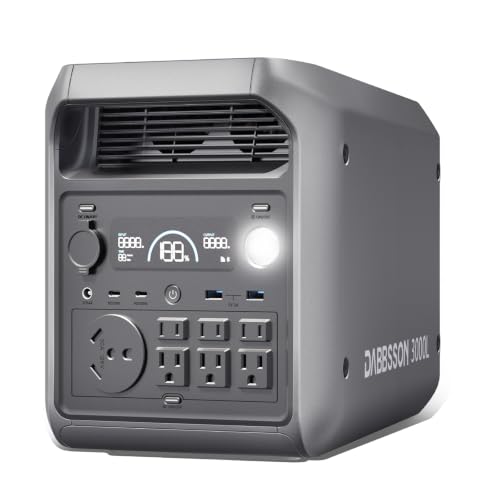
- 【Backup Power for Everyday Essentials】: With a 3072Wh capacity, the...
- 【3000W AC Output with 3600W Power Boost】: Handle everyday power needs...
- 【A Dedicated Power Connection for Your RV】: The built-in TT-30 outlet...
One Simple Test That Saved Me Hours of Frustration
Here is the tip I wish I had known from day one. Before you buy any adapter or cable, check the voltage of your solar panel in full sun with a cheap multimeter. This single test tells you instantly if your panel and generator are compatible.
I bought a ten-dollar multimeter from a hardware store and learned so much. My 100-watt panel reads about 20 volts in direct sun. My generator expects between 12 and 25 volts for its input.
That simple check confirmed my setup would work before I spent money on adapters.
I now make this test part of my routine every time I try a new panel or generator. It takes thirty seconds and saves me from buying cables that will never work. You can find the voltage range for your generator in its manual or on the manufacturer’s website.
Another quick win is to label your cables with a permanent marker. I write the voltage and connector type directly on each adapter. When I am packing for a trip in a hurry, I can grab the right cable without guessing or testing anything.
My Top Picks for Solar Generator Accessories That Actually Work
After testing different setups and making plenty of mistakes, I have two generators I trust for different situations. Here is exactly what I recommend and why.
Apowking HP200L Portable Power Station 300W Solar Generator — Perfect for Weekend Camping Trips
The Apowking HP200L is the generator I grab when I need reliable power for a weekend away. I love that its 300W output handles my phone, laptop, and a small cooler without breaking a sweat. The input port accepts standard MC4 connectors directly, so I do not need extra adapters for most portable panels.
It is a solid choice for anyone who wants a simple, plug-and-play experience without hunting for special cables.

- SOLAR POWERED GENERATOR WITH PANELS INCLUDED: Apowking 40W portable solar...
- PORTABLE POWER STATION LIGHTEST IN CLASS AT 5 LBS: Apowking 300W power...
- SOLAR POWERED GENERATOR POWER 6 DEVICES AT ONCE — 2 AC + 3 USB + USB-C...
Akiisolo Portable Power Station 192Wh Outdoor Generator — Ideal for Short Day Trips and Emergency Kits
The Akiisolo 192Wh model is what I keep in my car for emergencies and quick day hikes. Its compact size fits in my backpack easily, and the 192Wh capacity charges my phone several times over. I appreciate that it includes a built-in MPPT charge controller, which means it works efficiently with a variety of solar panels.
The only trade-off is the smaller capacity, so it is not meant for running larger appliances.
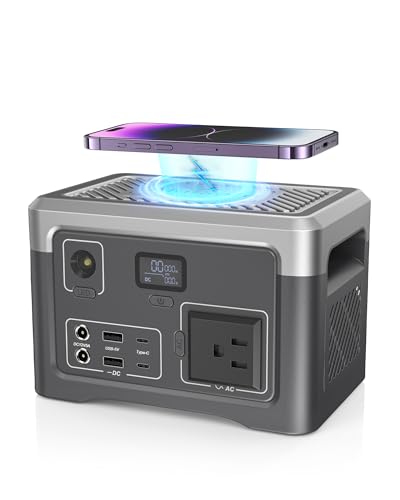
- COMPACT & PORTABLE DESIGN: Super slim size(4.6 x 4.6 x 7 inches), this...
- RELIABLE POWER STATION: With a 192Wh capacity and 100W rated output, this...
- Versatile Multi-Output Ports: Featuring 1 AC outlet, 2 Type-C, 2 USB-A, and...
Conclusion
The real lesson here is that a few simple adapters and cables make the difference between a solar setup that works and one that just sits there. I learned this through trial and error so you do not have to.
Go check your generator’s input port and your panel’s connector type tonight — it takes two minutes and might be the reason your next sunny day actually charges your battery.
Frequently Asked Questions about Why Does Solar Panel Connection Require Additional Accessories for a Solar Generator?
Can I just plug any solar panel directly into my solar generator?
No, you cannot simply plug any panel into any generator. The connectors on solar panels are usually MC4 plugs, while generators often have Anderson, XT60, or barrel jack ports. Without the right adapter cable, the two simply will not fit together.
Even if the plugs look similar, the voltage and amperage must match your generator’s input range. I have seen panels that physically fit but still failed to charge because the electrical specs were wrong. Always check your manual first.
What happens if I use the wrong adapter cable for my solar generator?
Using the wrong adapter can cause several problems. The connection might be loose, which creates resistance and wastes power as heat. I have felt cables get dangerously warm because of a poor fit.
In worse cases, a mismatched adapter can damage your generator’s charge controller. I know someone who fried their unit by forcing a connector that did not match the polarity. A twenty-dollar mistake turned into a two-hundred-dollar repair.
Do I need a special charge controller for portable solar panels?
Your solar generator already has a built-in charge controller, but it must be compatible with your panels. MPPT controllers work well with higher voltage panels, while PWM controllers need panels that match the battery voltage closely.
I learned this when my 200-watt panel barely charged my generator because the controller could not handle the voltage. Adding a simple voltage adapter fixed the issue completely. Check your generator’s controller type before buying panels.
What is the best solar generator for someone who wants simple plug-and-play connections?
If you want to avoid the hassle of hunting for adapters, look for a generator with standard input ports. I have found that models with built-in MC4 compatibility save a lot of frustration. You want something that accepts common panel connectors without extra parts.
That is exactly why what I grabbed for my own camping trips made setup so much easier. It accepts standard MC4 connectors directly, so I do not need a bag full of adapters every time I go out. The whole process takes less than a minute.
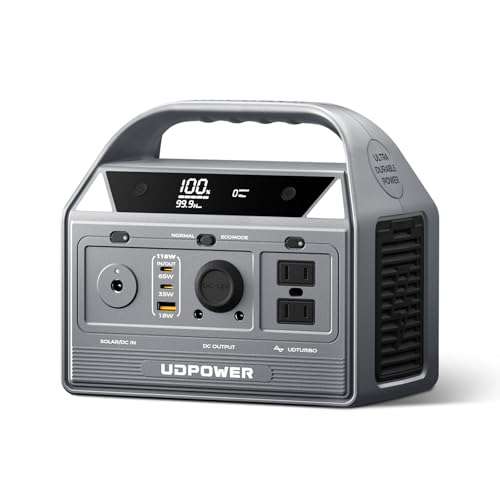
- Emergency Jump Starter – 3-Second Rescue: Revive dead batteries instantly...
- 400W AC + 800W Surge (UD-TURBO Tech) – Powers 99% of devices (laptops...
- 256Wh LFP Battery (4000+ Cycles) – Lasts 10x longer than Li-ion...
Which solar generator won’t let me down when I need emergency power at home?
When the power goes out, you need a generator that charges reliably from any panel you have. I look for units with built-in MPPT controllers that handle varying voltage inputs efficiently. A compact size also helps because you can keep it in your emergency kit year-round.
For my own emergency kit, the one I sent my sister to buy has been rock solid during outages. Its small footprint fits in a closet, and the MPPT controller pulls power from any panel I connect. It gives me peace of mind knowing I have backup power ready.
No products found.
How do I know which adapter cable my solar generator needs?
The easiest way is to look at your generator’s input port and read the label near it. Most manufacturers print the connector type and voltage range right on the unit. You can also find this information in the user manual or on the product page.
Once you know the connector type, search for an adapter that goes from MC4 to that specific port. I keep a screenshot of my generator’s specs on my phone for quick reference. This simple habit has saved me from buying the wrong cable multiple times.