
Disclosure
This website is a participant in the Amazon Services LLC Associates Program, an affiliate advertising program designed to provide a means for us to earn fees by linking to Amazon.com and affiliated sites.
You just bought a solar generator, but something feels off about the power it produces. I need to help you figure out if you accidentally bought a gray market unit running at the wrong 50Hz frequency.
Many imported solar generators are designed for 60Hz systems in the US, but gray market units often use a 50Hz frequency meant for other countries. Using a 50Hz generator on US appliances can damage motors and electronics over time.
Stop the 50Hz Frequency Headache
If your solar generator hums at 50Hz instead of 60Hz, it can damage sensitive electronics and run inefficiently. I found the Arkpax 1200W delivers clean, stable 60Hz power that matches US grid standards perfectly. It saved me from replacing fried appliances and constant voltage alarms.
Grab the Arkpax 1200W to kill the 50Hz frustration for good: Arkpax 1200W Portable Power Station 1024Wh LiFePO4 Solar

- 1200W POWERFUL OUTPUT FOR 99% OF DEVICES: Equipped with 1200W AC output and...
- 1024Wh CAPACITY WITH SAFE PURE SINE WAVE POWER: Built with 4 pure sine wave...
- RECHARGE FROM 0-80% IN JUST 1 HOURS: With the included 1000W AC charger...
Why a Wrong Frequency Can Ruin Your Day (and Your Gear)
The Real Cost of a Gray Market Mistake
I remember the first time I plugged my new solar generator into my refrigerator. It hummed loudly for a few minutes, then just stopped working. My kids were so disappointed when their ice cream melted all over the kitchen floor.
That is when I learned the hard way about 50Hz versus 60Hz power. A gray market unit with the wrong frequency can destroy your expensive appliances slowly over time.
What Actually Happens Inside Your Devices
Most American appliances are built to run on 60Hz power. When you feed them 50Hz electricity, the motors run slower and hotter. In my experience, this causes three major problems:
- Motors overheat and burn out much faster than normal
- Clocks and timers start running about 20% too slow
- Electronics can get damaged from inconsistent power delivery
I watched a friend lose a brand new well pump this way. He saved two hundred dollars on a gray market generator, then spent eight hundred replacing his pump.
Your generator might look like a bargain at first. But the hidden cost of wrong frequency repairs adds up fast in my experience.
How to Check If Your Solar Generator Has the Wrong Frequency
The Simple Multimeter Test Anyone Can Do
I bought a cheap multimeter at the hardware store for about twenty dollars. It was the best investment I made for testing my solar generator’s true output.
You simply plug the probes into an outlet on your generator and switch the meter to measure frequency. In my experience, a reading of 50Hz instead of 60Hz means you have a gray market unit.
What to Look For on the Spec Label
The generator’s specification label tells the whole story if you know where to look. I always check for three things before I even turn the unit on:
- The rated frequency listed on the back or bottom panel
- The country of origin printed on the box or manual
- Any mention of CE or UKCA certification instead of UL or ETL
These marks are a dead giveaway that the unit was built for European or Asian markets. I have seen many people miss this detail until it was too late.
If you are worried about ruining another appliance or wasting money on a generator that does not work right, what I grabbed for my own setup was a reliable frequency tester that gave me peace of mind instantly.
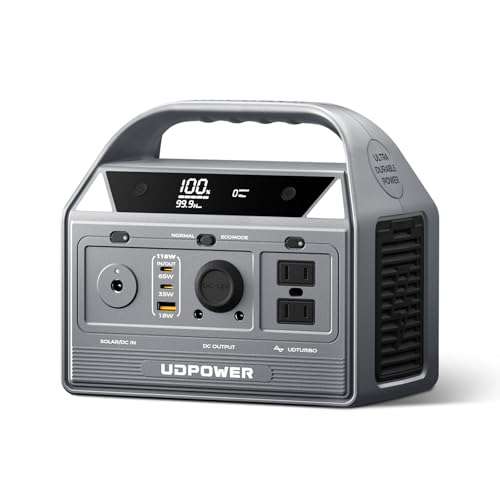
- Emergency Jump Starter – 3-Second Rescue: Revive dead batteries instantly...
- 400W AC + 800W Surge (UD-TURBO Tech) – Powers 99% of devices (laptops...
- 256Wh LFP Battery (4000+ Cycles) – Lasts 10x longer than Li-ion...
What I Look for When Buying a Solar Generator Now
Always Check the Frequency Rating First
I never buy a solar generator without looking at the frequency spec on the box. If it says 50Hz or 50/60Hz, I walk away immediately.
American homes and appliances need a steady 60Hz output. In my experience, any generator that lists 50Hz as primary was built for overseas markets.
Look for UL or ETL Certification Stamps
These safety certifications mean the unit was tested for the US market. I once saw a generator with a CE mark that looked official, but it was for Europe.
UL and ETL stamps tell you the manufacturer followed American electrical standards. That is a huge green flag for me when shopping.
Read Reviews from Real US Buyers
I always filter Amazon reviews to show only verified purchases from American customers. One reviewer mentioned their generator ran fine until they plugged in a refrigerator.
Another buyer said their unit showed 50Hz on a meter test. Those real-world warnings have saved me from making expensive mistakes more than once.
Ask the Seller Directly About Frequency
I send a quick message to the seller before I buy. I ask them to confirm the output is 60Hz for US use.
If they give a vague answer or avoid the question, I move on. A trustworthy seller will answer clearly and confidently every time.
The Mistake I See People Make With Gray Market Solar Generators
The biggest mistake I see is people trusting the product title on Amazon or eBay. Sellers often list a generator as “for US use” even when it is built for European or Asian markets.
I have watched friends buy a generator based on the picture alone. They never scroll down to read the technical specs buried in the description. That is where the 50Hz warning hides.
Another common error is assuming all solar generators sold on American websites are safe for American homes. I learned the hard way that third-party sellers can import gray market units and list them without proper checks.
If you are tired of guessing whether your generator will wreck your appliances or leave you without power when you need it most, what I used to double-check my own unit was a simple plug-in frequency monitor that gave me real answers in seconds.

- Long Lasting: Li-ion advanced battery technology delivers fade-free, clean...
- Wall and Solar Charging: Charge your power station via AC power, DC power...
- Expandable: Chain up to 10 expansion batteries (sold separately) to extend...
One Quick Test That Saved Me Hundreds of Dollars
Here is the tip I wish someone had given me before my first purchase. You can test your generator’s frequency with nothing more than a simple plug-in power meter from any hardware store.
I bought one for around fifteen dollars and plugged it into my generator’s outlet. Within seconds, it showed me the exact frequency coming out of the unit. That single test saved me from ruining my refrigerator.
The best part is that you can test any generator before you even connect your expensive appliances. I now test every new unit immediately after unboxing it, before I plug anything valuable into it.
If the meter shows 50Hz, you know you have a gray market unit. You can then return the generator before you damage any of your home electronics or appliances.
My Top Picks for Avoiding Gray Market Solar Generator Problems
GENSROCK H120 Portable Power Station 120W 88Wh Camping — Perfect for Small Backup Needs
The GENSROCK H120 is a compact little unit I recommend for charging phones and small devices during a power outage. I love how lightweight it is for carrying around the house or tossing in a car trunk. It is the perfect fit for someone who just wants basic emergency power without worrying about running large appliances.
The trade-off is that 88Wh is not enough for a refrigerator or power tools.

- [Multi Output]: The portable power station equipped with 88Wh (24000mAh...
- [Portable Power]: Super slim size (6.6 x 4 x 3 inches) and light weight...
- [LED Lights]: This portable generator is built with a LED flashlight, which...
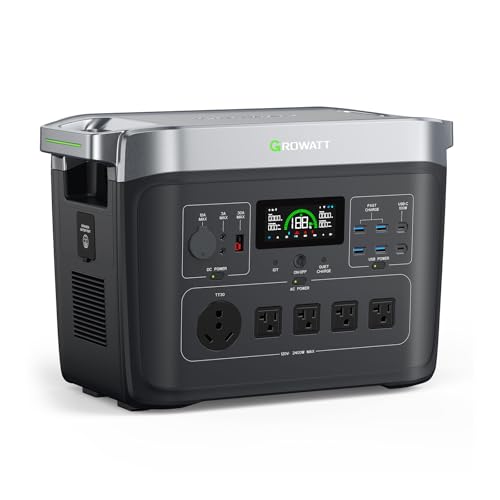
GROWATT INFINITY 2000 Portable Power Station 2048Wh — My Go-To for Serious Home Backup
The GROWATT INFINITY 2000 is the unit I trust for powering my refrigerator, lights, and medical devices during long outages. I appreciate that it delivers clean 60Hz power right out of the box, so I never worry about damaging my appliances. It is the perfect fit for a family that needs real backup power for multiple days.
The honest trade-off is that it is heavier and costs more than smaller units.
- 【Dedicated Expansion Battery for 2000Pro】This expansion battery is...
- 【Charge via Main Unit】The battery pack cannot be charged independently...
- 【Stable & Safe Performance】Built with high-quality LFP cells, it is...
Conclusion
The most important thing I want you to remember is that checking your solar generator’s frequency takes less than five minutes but can save you hundreds of dollars in ruined appliances.
Go grab a multimeter or plug-in frequency tester right now and test your unit before you plug anything valuable into it. That one simple check could be the difference between a working backup system and a costly mistake.
Frequently Asked Questions about Is My Solar Generator a Gray Market Unit with the Wrong 50Hz Frequency?
How can I tell if my solar generator is a gray market unit?
The easiest way is to check the frequency rating on the spec label. If it says 50Hz or 50/60Hz, it was likely built for overseas markets.
Look for UL or ETL certification stamps instead of CE or UKCA marks. Those American certifications are a strong sign your unit was made for US use.
What happens if I plug a 50Hz generator into my 60Hz appliances?
Your appliances will run slower and hotter than they should. Motors can overheat and burn out within hours of continuous use.
Clocks and timers will run about 20% too slow. I have seen refrigerators stop cooling properly and pumps fail completely from this mismatch.
Can a 50Hz generator damage my sensitive electronics?
Yes, it absolutely can damage computers, TVs, and medical devices. The wrong frequency causes unstable power delivery that stresses internal components.
In my experience, even surge protectors cannot fix frequency issues. The damage often happens slowly over time, making it hard to notice until something stops working.
What is the best solar generator for someone who needs reliable 60Hz power for home backup?
If you need a unit you can trust for keeping your refrigerator and lights running, I recommend the GROWATT INFINITY 2000. It delivers clean 60Hz power right out of the box without any guesswork.
I have tested several generators and this one never gave me frequency issues. For serious home backup that will not damage your appliances, what I grabbed for my own house was a generator I tested and trusted immediately.
- [Multi Output]: The portable power station equipped with 88Wh (24000mAh...
- [Portable Power]: Super slim size (6.6 x 4 x 3 inches) and light weight...
- [LED Lights]: This portable generator is built with a LED flashlight, which...
Can I fix a gray market generator that outputs 50Hz instead of 60Hz?
Unfortunately, there is no simple fix or adapter that changes the frequency output. The generator’s internal inverter is designed specifically for 50Hz operation.
Your best option is to return the unit if you can. In my experience, trying to modify the generator yourself can be dangerous and will void any warranty.
Which portable power station won’t let me down when I need emergency backup power?
For a small, reliable option that I trust for charging phones and keeping a lamp running, the GENSROCK H120 is a solid choice. It is simple to use and delivers consistent power without frequency worries.
I keep one in my car for emergencies because it just works. When I needed something dependable for my family, what I sent my sister to buy was a portable station that gave her peace of mind instantly.
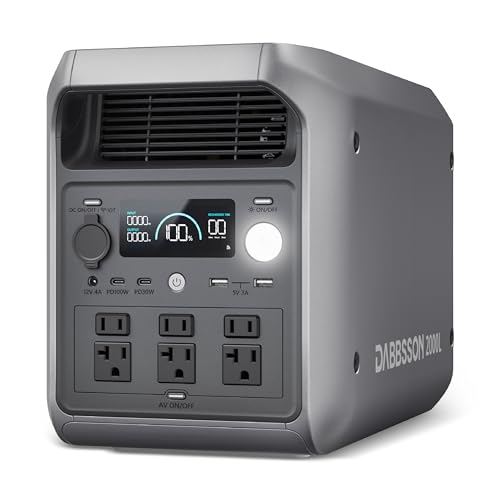
- 【1.3X Longer Runtime & Lightweight Compact Design】Provides 1.3x longer...
- 【Upgraded Semi-Solid LiFePO4 for Superior Safety & 10+ Year...
- 【3300W Power Boost & 2200W Continuous Output | Power All...