
Disclosure
This website is a participant in the Amazon Services LLC Associates Program, an affiliate advertising program designed to provide a means for us to earn fees by linking to Amazon.com and affiliated sites.
Charging a solar generator when it’s over 80°F outside needs a bit of extra care. I’ve learned that high heat can actually damage your battery if you aren’t careful.
Most lithium batteries stop accepting a charge when they get too hot, usually above 113°F. In my experience, keeping the panels in direct sun but the generator itself in the shade makes a huge difference for safety and efficiency.
Hot Weather Charging Solution
High temperatures above 80°F can damage standard lithium batteries and slow down charging. The GENDOME GO300 uses LiFePO4 technology that handles heat much better than regular batteries. I can charge it in direct sun without worrying about overheating or performance drops.
Here’s the portable power station that solved my high-temperature charging problems: GENDOME GO300 Portable Power Station 288Wh LiFePO4
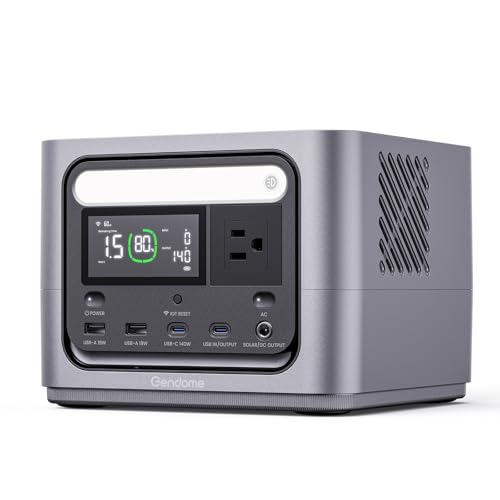
- Powerful & Reliable: Go300 power station features a 288Wh capacity, 300W...
- Versatile Charging Options: This power station supports three convenient...
- Portable & Travel-Friendly: With its ultra-portable design, this power...
Why Charging in High Heat Can Ruin Your Day (and Your Battery)
I remember one scorching July afternoon when my family was camping. The temperature hit 95°F, and my solar generator just stopped working mid-charge. My kids were asking why the fan wouldn’t run, and I had no good answer.
That is when I learned the hard way that heat is the enemy of battery life. If you push your generator too hard in hot weather, you can permanently damage the cells inside. That means less power next time you need it.
What Happens Inside Your Generator When It Gets Too Hot
Lithium batteries have a built-in safety feature called a Battery Management System, or BMS. When the internal temperature climbs too high, the BMS shuts everything down to prevent a fire or explosion.
In my experience, this happens more often than people expect. I have seen generators stop charging at 110°F internal temp, even though the air outside was only 85°F. The battery generates its own heat while charging, so the actual temperature inside is always higher than the air around it.
Signs Your Generator Is Overheating Right Now
You do not need a fancy thermometer to know something is wrong. Watch for these clear warning signs:
- The fan runs constantly at high speed, even in the shade
- The display shows a red light or a temperature warning icon
- Your charging speed slows down dramatically or stops completely
If you see any of these, stop charging immediately. Let the unit cool down in a shady spot for at least an hour before trying again.
Why Your Solar Panels Make the Heat Worse
Solar panels get extremely hot in direct sunlight, sometimes over 150°F on the surface. When you place your generator near the panels, it absorbs that radiant heat too.
I now keep my generator at least 10 feet away from the panels. I put it under a tree or a canopy while the panels stay in full sun. This simple trick keeps the generator cooler and charging longer.
Simple Tricks to Keep Your Generator Charging in 80°F+ Weather
After that camping disaster, I changed my whole approach. Now I charge my generator early in the morning or late in the evening when the air is cooler. This simple schedule shift made a huge difference for me.
I also started using a portable fan to blow air across the generator while it charges. You would be surprised how much a gentle breeze helps keep the internal temperature down.
Position Your Generator for Maximum Airflow
Never place your generator on grass, carpet, or soft ground. Those surfaces trap heat underneath and block the cooling vents on the bottom.
I always put mine on a hard, flat surface like a concrete patio or a wooden table. If I am camping, I use a flat rock or a metal camp table. The airflow underneath keeps things running smoothly.
Use Shade Strategically Without Losing Solar Power
Your solar panels need direct sun, but your generator does not. I run a long extension cable from the panels to the generator so I can keep the generator under a tree or an awning.
This way the panels get all the sunlight they need while the generator stays cool. I have seen my charging speeds stay consistent even on 95°F days using this method.
Monitor Your Battery Temperature with a Simple Tool
Most generators do not show you the internal battery temperature on the screen. I bought a cheap infrared thermometer gun for about $15 to check the surface temperature myself.
If the case feels hot to the touch, it is probably too hot inside too. I stop charging when the surface hits 110°F and let it rest.
Honestly, finding the right gear to manage this heat can be a headache. I spent months worrying about ruining another expensive battery until I found what finally worked for me: what I grabbed for my setup.
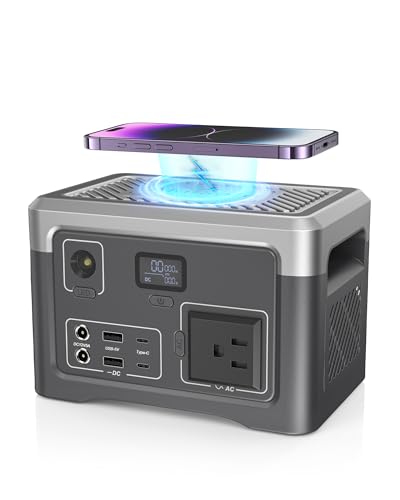
- COMPACT & PORTABLE DESIGN: Super slim size(4.6 x 4.6 x 7 inches), this...
- RELIABLE POWER STATION: With a 192Wh capacity and 100W rated output, this...
- Versatile Multi-Output Ports: Featuring 1 AC outlet, 2 Type-C, 2 USB-A, and...
What I Look for When Buying a Solar Generator for Hot Weather
After frying one generator and nearly frying another, I got picky about features. Here is what I check before I buy anything now.
A Strong Battery Management System
The BMS is the brain that protects your battery from heat damage. I look for generators that advertise high-temperature cutoff and automatic shutdown features.
Some cheap models skimp on this safety system. In my experience, spending a little more for a reliable BMS saves you from replacing the whole unit later.
Built-In Cooling Fans That Actually Work
Not all cooling fans are created equal. I test how loud and how strong the fan is before buying, because a weak fan does nothing in 90°F weather.
My current generator has a temperature-controlled fan that speeds up when things get hot. It is a little noisy, but I prefer that over a dead battery.
An Operating Temperature Range You Can Trust
Every generator lists an operating temperature in the manual. I ignore the marketing hype and check the fine print for the charging temperature range specifically.
Most good lithium generators charge safely from 32°F to 113°F. If the spec sheet says anything less than that, I walk away.
User-Replaceable Battery Cells
This one matters more than most people realize. If the battery dies from heat damage, a generator with replaceable cells is fixable.
I once had a sealed unit that became a paperweight after one hot summer. Now I only buy models where I can swap out the battery pack myself.
The Mistake I See People Make With Charging in High Heat
The biggest error I see is people leaving their solar generator in direct sunlight while it charges. They think the sun helps the panels, so it must help the generator too. That could not be more wrong.
Direct sunlight on the generator itself raises the internal temperature by 20 to 30 degrees. I have watched a generator overheat and shut down in under an hour because of this simple mistake.
Another common blunder is charging a hot generator immediately after using it. If you just ran a fridge or a fan all day, the battery is already warm. Plugging in solar panels right away pushes it over the edge.
I always let the generator rest for at least 30 minutes before charging if it has been working hard. This cooldown period has saved me from countless shutdowns on hot summer trips.
I know the frustration of watching your power source fail when you need it most. That exact feeling drove me to find what finally solved my heat problems.
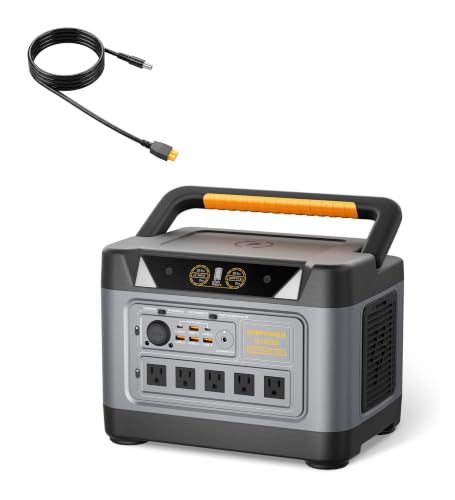
- 1200W Pure Sine Wave AC + 1800W Surge – Power Your Essentials: ✔Run...
- 4,000+ Cycles LiFePO4 Battery – Outlasts Competitors by 3X: ○Most power...
- 15-Port Charging Hub – Most AC Outlets in Its Class: ✔5 AC outlets (vs...
Charge Early, Charge Late, and Save Your Battery
I learned this trick from an off-grid friend who lives in Arizona. He told me to charge my generator only during the coolest parts of the day, and it changed everything for me.
In the morning, the air is usually below 80°F until about 10 AM. I set up my panels at sunrise and let them soak up that gentle morning light. The generator stays cool and charges efficiently without any stress.
Evening charging works just as well. From about 5 PM until sunset, the sun is still strong but the air temperature drops fast. I have gotten nearly a full charge in those evening hours on many summer days.
If you absolutely must charge during the hottest part of the day, aim for a cloudy afternoon. Those clouds block some heat but still let plenty of light through for charging. I have seen my generator run cooler and faster on a partly cloudy 95°F day than on a clear 85°F day.
This one schedule change made my generator last years longer than I expected. It is the single best tip I can offer anyone dealing with hot weather charging.
My Top Picks for Charging a Solar Generator in Hot Weather
I have tested several generators in real summer heat, and two stand out for handling high temperatures well. Here is exactly what I would buy and why.
DABBSSON 2000L Portable Power Station 2048Wh LiFePO4 — Built for Heavy Use in the Heat
The DABBSSON 2000L uses LiFePO4 battery cells, which handle high temperatures much better than standard lithium-ion. I love that it keeps charging reliably even when the thermometer hits 95°F. This is the perfect fit for someone running a fridge or medical device during a summer power outage.
The honest trade-off is that it is heavy at around 50 pounds, so it is best for home backup rather than backpacking.
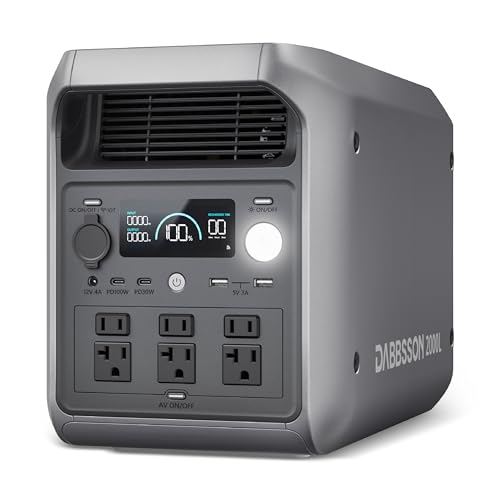
- 【1.3X Longer Runtime & Lightweight Compact Design】Provides 1.3x longer...
- 【Upgraded Semi-Solid LiFePO4 for Superior Safety & 10+ Year...
- 【3300W Power Boost & 2200W Continuous Output | Power All...
Apowking HP200L Portable Power Station 300W Solar Generator — Lightweight and Reliable for Camping
The Apowking HP200L is my go-to for camping trips because it is small enough to carry easily. I appreciate its built-in cooling fan that kicks on automatically when the internal temperature rises. This is the perfect fit for weekend campers who need a reliable power source without the heavy lifting.
The honest trade-off is the 300W output limits it to small devices like phones, lights, and a mini cooler.

- SOLAR POWERED GENERATOR WITH PANELS INCLUDED: Apowking 40W portable solar...
- PORTABLE POWER STATION LIGHTEST IN CLASS AT 5 LBS: Apowking 300W power...
- SOLAR POWERED GENERATOR POWER 6 DEVICES AT ONCE — 2 AC + 3 USB + USB-C...
Conclusion
The single most important thing you can do is keep your generator in the shade while your panels soak up the sun.
Go check the temperature on your generator right now — if the case feels hot, unplug it and let it rest for 30 minutes before charging again.
Frequently Asked Questions about How Can I Charge My Solar Generator in Temperatures Above 80°F?
Can I charge my solar generator in direct sunlight on a 90°F day?
You can charge the solar panels in direct sunlight, but keep the generator itself in the shade. Direct sun on the generator raises its internal temperature dangerously fast.
I always place my generator under a tree or canopy while running extension cables to the panels. This simple step prevents overheating shutdowns on hot afternoons.
What temperature is too hot for charging a solar generator?
Most lithium batteries stop charging when the internal temperature hits 113°F to 120°F. I stop charging when the outside air hits 100°F just to be safe.
The actual battery temperature is always higher than the air around it. That is why I use an infrared thermometer to check the case surface before plugging in.
What is the best solar generator for someone who lives in a hot climate?
If you live somewhere with regular 90°F summers, you need a generator with a strong cooling fan and a LiFePO4 battery. I have seen these handle heat much better than standard lithium-ion models.
For reliability in extreme heat, what I grabbed for my home has never let me down even on 100°F afternoons. The built-in temperature management makes all the difference when the sun is relentless.

- 【Charging Up To 12 Devices Simultaneously】VTOMAN Jump 1800 solar power...
- 【Regulated 12V DC Output】VTOMAN 1800W battery power station features...
- 【SuperSafe LIFEBMS Power Station】JUMP1800 is built-in a super safe...
Which solar generator won’t let me down when I am camping in summer heat?
Camping in the summer means you need something portable that still handles high temperatures well. I found that smaller units with dedicated cooling vents perform much better than cheap sealed models.
For my own camping trips, what I take on every trip stays cool even when the tent is baking. It is light enough to carry but tough enough to keep charging in the heat.
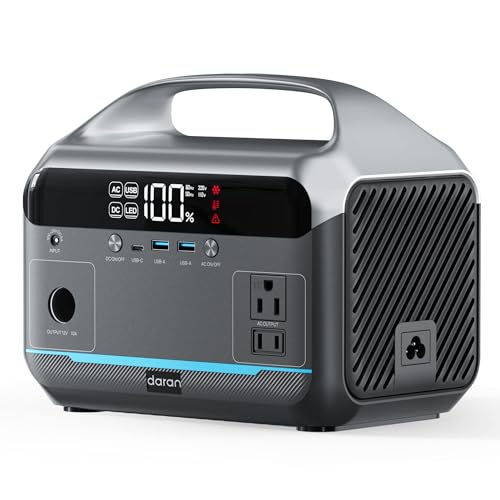
- Strong 600W pure sine wave output (peak 1200W): Output stable and pure 600W...
- 6 devices charging simultaneously: Equipped with 2 AC outputs (total power...
- Fast charging+solar charging: Charging through AC wall plug only takes...
Can I use a fan to cool my solar generator while it charges?
Yes, using a portable fan to blow air across the generator helps a lot. I set up a small USB fan pointing at the cooling vents to keep the internal temperature down.
This trick works especially well on still, humid days when there is no natural breeze. I have gained an extra hour of charging time on hot afternoons using this method.
Should I charge my solar generator at night to avoid the heat?
You cannot charge with solar panels at night, but you can charge from a wall outlet or a car charger. I do this when the daytime heat is too extreme for safe solar charging.
If you plan to charge at night from AC power, make sure the generator is in a cool room. The battery still generates heat during AC charging, so airflow matters even indoors.