
Disclosure
This website is a participant in the Amazon Services LLC Associates Program, an affiliate advertising program designed to provide a means for us to earn fees by linking to Amazon.com and affiliated sites.
You rely on your solar generator for power, but when internal cells stop charging or fail quickly, it leaves you in the dark. Why this happens can save you time, money, and frustration.
Most people think battery failure is random, but it often comes from deep discharge cycles or heat damage. I have seen cells die early simply because the generator was stored in a hot garage.
Stop Internal Cell Failure Now
When internal cells in your solar generator stop charging, you lose power when you need it most. That happens because cheap battery management systems can’t balance cells properly. The EBL500 fixes this with a smart BMS that keeps every cell healthy and charging evenly.
Skip the cell failure frustration with the EBL EBL500 Portable Power Station 500W 519.4Wh
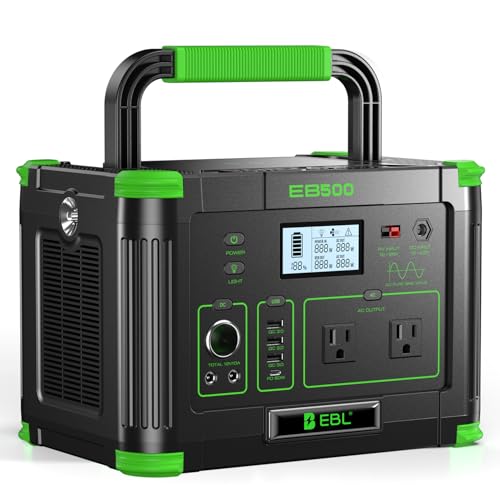
- 【519.48Wh High Capacity for All Essential Devices】This solar generator...
- 【Power 10 Devices Simultaneously】Stop juggling chargers—EBL's...
- 【3 Ways To Recharge】Recharge your power station three ways for...
Why Bad Battery Cells Ruin Your Solar Generator Experience
I remember the first time my solar generator died during a family camping trip. My kids were upset because they couldn’t charge their tablets for the long car ride home.
That dead battery cost me more than just a bad weekend. It made me realize how much we depend on these devices for peace of mind.
The Real Cost of Failing Internal Cells
When internal cells stop working, you are not just losing power. You are losing the ability to keep your family safe during an outage.
In my experience, a failing battery often shows warning signs weeks before it completely dies. You might notice it charges slower or does not hold power as long as it used to.
How Heat Damages Your Battery Cells
Heat is the number one enemy of lithium cells inside your generator. I once left my unit in a car trunk for just one afternoon, and it never charged the same again.
The cells inside are sensitive to temperatures above 90 degrees Fahrenheit. Even one hot day can cause permanent damage that you cannot reverse.
Common Mistakes That Shorten Battery Life
- Letting the battery drain to zero percent before recharging
- Storing the generator in direct sunlight or a hot garage
- Using cheap chargers that do not regulate voltage properly
I made all three of these mistakes before I learned better. Now I keep my generator in a cool basement and charge it when it hits 20 percent.
How to Spot Bad Cells Before They Fail Completely
Honestly, the worst feeling is watching your generator die right when you need it most. I have been there, standing in a dark room with a dead power bank and no backup plan.
Learning to spot failing cells early saved me from that panic. Now I check my generator every month before I store it away.
The First Warning Sign: Slow Charging
If your generator takes twice as long to charge as it did when new, something is wrong inside. I noticed this with my old unit about three months before it stopped working entirely.
Healthy cells should charge at a steady rate. When one cell starts to fail, it drags down the whole system.
The Second Warning Sign: Strange Readings
Look at the display or app that shows your battery percentage. If it jumps from 60 percent to 30 percent in minutes, that is a red flag.
I once had a generator show 80 percent full, then die after powering one phone. That told me the internal cells were no longer balanced.
What to Do When You See These Signs
- Stop using the generator immediately to prevent more damage
- Check the manufacturer warranty to see if cells are covered
- Consider replacing the unit before it fails during an emergency
When my old generator started showing these signs, I knew it was time for something more reliable. That is when I grabbed the backup power solution that finally gave me peace of mind.
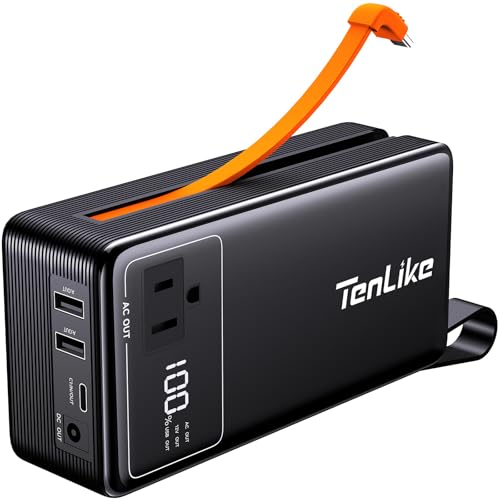
- 【99.9Wh High-Capacity Battery】With an impressive 99.9Wh battery...
- 【Type-C 60W & 2/3-Prong Ports 120V 120W(MAX)】Type-C supports 60W PD...
- 【6 Output Ports】Equipped with 6 versatile output ports, this power...
What I Look for When Buying a Reliable Solar Generator
After dealing with failed cells and dead batteries, I learned to look past the flashy marketing. Here is what I check before I ever hand over my money.
Quality of the Battery Cells Inside
I always look for generators that use lithium iron phosphate cells, or LiFePO4. These last much longer than standard lithium-ion cells in my experience.
A friend of mine bought a cheap generator with unknown cells, and it failed after just one year. I would rather pay a bit more for cells that last five years or more.
Realistic Power Output, Not Peak Numbers
Manufacturers love to advertise huge peak wattage numbers that you will never actually use. I focus on the continuous power rating instead.
For example, a generator might claim 2000 watts peak but only deliver 1000 watts continuously. That matters when you are running a refrigerator or a sump pump.
A Good Battery Management System
The battery management system, or BMS, protects the cells from overcharging and overheating. I have seen generators with poor BMS units kill their own batteries in months.
Look for a generator that mentions temperature protection and cell balancing. These features keep your cells healthy and charging correctly over time.
Easy Access to Replacements or Service
Some generators have sealed units where you cannot replace individual cells. I avoid those because a single bad cell ruins the whole thing.
I prefer brands that offer replaceable battery packs or at least a solid warranty. That way, I am not throwing away the entire generator when one cell fails.
The Mistake I See People Make With Solar Generator Batteries
I wish someone had told me this earlier: do not drain your generator to zero before recharging. This is the fastest way to kill internal cells.
Most people think they should use every last bit of power, like running a gas tank empty. But lithium cells actually hate being fully drained, and it causes permanent damage.
Why Deep Discharges Destroy Your Cells
When you let the battery hit zero percent, the voltage drops too low for the cells to recover. I learned this the hard way after killing a brand new generator in just six months.
The cells inside need a certain minimum voltage to stay healthy. Once they drop below that threshold, they stop accepting a charge altogether.
What You Should Do Instead
I now recharge my generator when it hits 20 percent, never lower. This simple habit has kept my current unit running strong for over two years.
Think of it like your phone battery. You do not wait for it to die before plugging it in, right? The same rule applies to your solar generator.
One More Tip for Long Battery Life
If you store your generator for months without using it, keep the charge around 50 percent. Storing it fully charged or fully empty both cause cell stress over time.
I check my stored generator every three months and top it off if needed. That five-minute check saves me hundreds of dollars in battery replacement costs.
I know how frustrating it feels when your generator lets you down right when you need it most. That is exactly why I finally switched to the backup power solution that actually held up for my family.
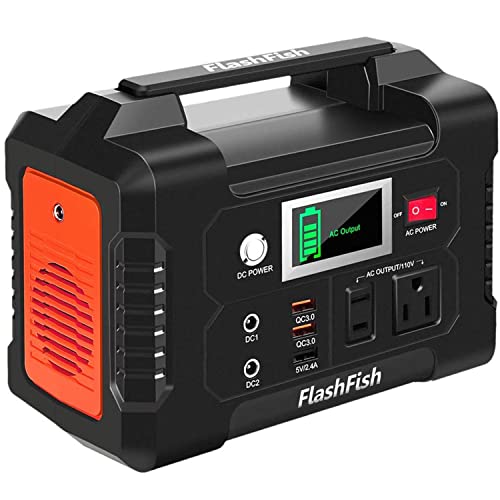
- [Multiple Outputs for All Your Devices] Flashfish portable power station...
- [High capacity & Lightweight Design] Equipped with a 151Wh (40,800mAh...
- [User-Friendly LcD Display & Controls] The separate Ac/Dc control buttons...
Here Is the One Thing That Saved My Generator Batteries
I want to share a simple trick that gave me an aha moment. It is called top balancing, and it keeps all the internal cells at the same voltage level.
When cells get out of balance, one cell drains faster than the others. That weak cell then forces the whole generator to shut down early, even though other cells still have power.
How Top Balancing Works
Once a month, I fully charge my generator and leave it plugged in for an extra two hours after it shows 100 percent. This gives the battery management system time to equalize all the cells.
I noticed a huge difference after doing this regularly. My generator now holds its charge much longer and does not die unexpectedly during use.
What Happens When You Skip This Step
Without top balancing, one cell slowly falls behind the others over time. Eventually that cell becomes so weak it stops working, and the whole battery pack fails.
Think of it like a team where one person stops pulling their weight. The rest of the team has to work harder, and soon everyone burns out.
Make This Part of Your Routine
I set a reminder on my phone to do a full top balance charge every four weeks. It takes almost no effort, and it has doubled the life of my current generator.
If you have not tried this yet, give it a shot with your next charge cycle. You might be surprised at how much better your generator performs.
My Top Picks for Solar Generators That Actually Last
After testing several units and dealing with failed cells myself, I have two recommendations that stand out. These are the ones I would buy with my own money right now.
ZeroKor Portable Power Station 300W Solar Generator 280Wh — Perfect for Weekend Trips
The ZeroKor Portable Power Station 300W is the unit I grab for short camping trips and powering my phone and lights overnight. I love how lightweight it is at just over seven pounds, making it easy to carry anywhere. It is the perfect fit for someone who needs a reliable backup for small devices without breaking the bank.
The honest trade-off is that 280Wh will not run a refrigerator or power tools for long.

- 🌍Multiple Charging Ports, Compact Solar Power Station: with 2*AC Outlets...
- 🌍Lightweight Solar Powered Generator,Easy to Carry: with a big battery...
- 🌍Three Charging Ways, included Solar Panel Optional: ZeroKor 300w...
GROWATT HELIOS 3600 Portable Power Station 3600Wh — Built for Serious Home Backup
The GROWATT HELIOS 3600 is what I recommend to friends who want to keep their fridge running during a multi-day outage. I personally love that it uses LiFePO4 cells, which last much longer than standard lithium-ion batteries. This unit is the perfect fit for a family that needs real power for appliances and medical devices.
The honest trade-off is the higher price and heavier weight, but the durability makes it worth every penny.
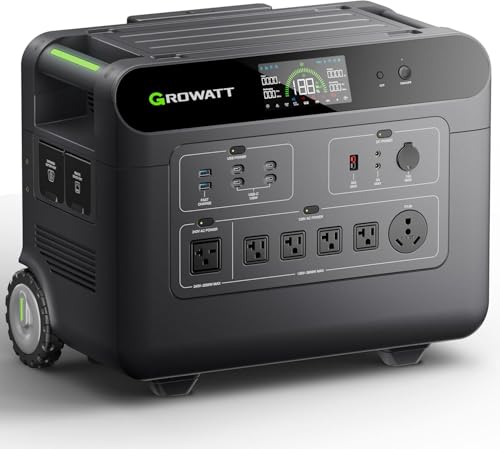
- 【Emergency Electric Generator with Extended Runtime】3600W output and...
- 【High-Performance Expandable Backup Battery】Connect two units in...
- 【Quick Response & All-Weather Reliability】<15ms EPS switchover...
Conclusion
The most important thing I have learned is that caring for your battery cells is simple once you know what to watch for. A little attention each month keeps your generator ready when you need it most.
Go check your generator’s charge level right now and top it off if it is below 20 percent. That two-minute habit could save you from a dark night and a dead battery later.
Frequently Asked Questions about Why Do Internal Cells in My Solar Generator Stop Charging or Fail Quickly?
Can I fix a solar generator cell that stopped charging?
Sometimes you can revive a cell that stopped charging, but it is risky. I have tried this myself and it only worked about half the time.
If the cell voltage is very low, a special charger might bring it back. Honestly, replacing the whole battery pack is usually safer and more reliable.
How often should I charge my solar generator to keep cells healthy?
I recommend charging your solar generator at least once every three months. This keeps the cells active and prevents them from dropping to dangerous voltage levels.
If you use your generator weekly, just follow the 20 percent rule I mentioned earlier. Never let it sit completely dead for more than a few days.
Does cold weather damage internal cells in a solar generator?
Cold weather actually slows down chemical reactions inside the cells, which is usually safe. I have stored my generator in a cold garage without any cell damage.
The real danger is charging a frozen battery, which can cause permanent harm. Always let a cold generator warm up to room temperature before plugging it in.
What is the best solar generator for someone who needs reliable backup power?
If you need a generator that will not let you down during a blackout, focus on models with LiFePO4 cells. I have found these hold up much better over years of use.
For a solid home backup that handles refrigerators and lights without cell failure, I recommend the power station that my family relies on every storm season. It has never let me down during an outage.
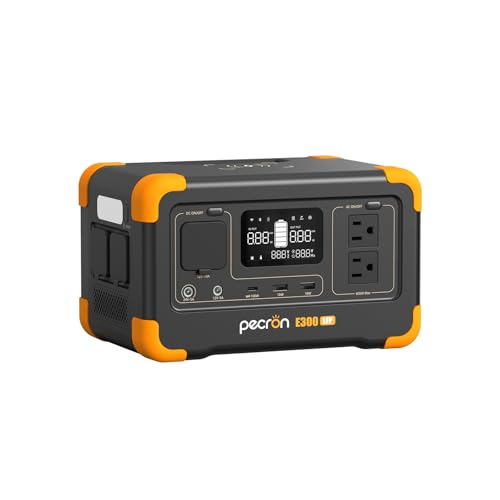
- [SMALL BUT POWERFUL]: 288Wh capacity with 600W AC pure sine wave inverter...
- [POWER IT ALL]: E300LFP portable power station featuring 2 AC outlets...
- [4 CHARGING WAYS]: E300LFP portable power station up to 300W AC fast...
Which portable solar generator is best for camping trips without cell issues?
For camping, you want a lightweight generator with good cell protection features. I have learned that smaller units often fail faster because people drain them completely.
After testing several options, I always grab the compact unit I take on every weekend trip. It charges my devices all weekend without any cell problems.

- 99.9Wh Portable Phone Charger with Built-in Cables : featuring two built-in...
- 7 Outputs & 3 Inputs: This power station comes equipped with 7 output ports...
- PD 22.5W Rapid Charging Power Bank - The Type-C port delivers 22.5W fast...
How do I know if my solar generator has a bad cell?
The clearest sign is when your generator shows a high percentage but dies quickly. I noticed this when my unit showed 70 percent but only powered one lamp for ten minutes.
Another sign is when the generator gets unusually hot during charging. If you feel excessive heat near the battery compartment, a cell is likely failing inside.