
Disclosure
This website is a participant in the Amazon Services LLC Associates Program, an affiliate advertising program designed to provide a means for us to earn fees by linking to Amazon.com and affiliated sites.
Using a solar power bank is simpler than most people think. I will show you how to keep your devices charged when you are off the grid.
Many people make the mistake of just leaving the bank in the sun. I have found that propping it at the right angle can double its charging speed.
Stop Running Out of Power Outside
Nothing kills a camping trip or beach day faster than a dead phone. You need maps, photos, and emergency contact, but your battery drains before sunset. Most portable chargers fail when you need them most.
Here’s the solar bank I throw in my bag and never worry again: BLAVOR Solar Charger Power Bank 20000mAh PD 18W Fast

- Upgraded Highly Efficient Solar Panel Charger: 4 premium panels produce...
- Fast Charging & Zero Damage: BLAVOR portable solar panel PD 18W USB-C...
- Dual Light,Never Fear the Dark: Super Bright Camping light with 3-level...
Why Getting Your Solar Power Bank Setup Right Really Matters
I remember my first camping trip with a solar power bank. I was so excited to have power in the wilderness.
But by the second day, my phone was dead and the bank was empty. I had just laid it flat on a picnic table and hoped for the best.
My kids were bored and frustrated. We could not even use the map app to find our trail.
The Frustration of Wasted Sunlight
In my experience, most people make the same mistake I did. They assume sunlight will do all the work.
The truth is, a solar panel needs direct, angled light to work well. A flat panel under hazy clouds barely trickles power in.
I wasted an entire afternoon waiting for a charge that never came. That is a whole day of adventure lost.
What Happens When You Get It Wrong
When your bank does not charge properly, you lose more than just battery life. You lose peace of mind.
- You cannot call for help if you get lost on a hike.
- You cannot take photos of the beautiful sunset your kids just saw.
- You cannot play a quick game to keep a tired toddler calm on the drive home.
I have seen people spend good money on a solar bank and then give up on it entirely. They blame the product when the real problem was their setup.
Learning the simple tricks to use it correctly changes everything. It turns a frustrating gadget into your most reliable travel companion.
How We Finally Got Our Solar Power Bank to Work Right
After that failed camping trip, I was ready to throw the whole thing away. My wife talked me into giving it one more try.
I sat down and actually read the manual. I watched a few videos from people who used these things every day.
Honestly, the fix was so simple I felt silly for not figuring it out sooner.
The Angle Trick That Changed Everything
I learned that the sun moves across the sky. A panel that faces east in the morning will not catch the afternoon sun.
Now I prop my solar bank up at a 45-degree angle. I point it directly at the sun and move it every couple of hours.
This simple habit doubled the power I collected in a single day. It felt like magic.
Timing Your Charge for Maximum Power
I also stopped charging during the early morning or late afternoon. The sun is just too weak then.
The best time to charge is between 10 AM and 2 PM. That is when the sun is highest and strongest.
I set a reminder on my watch. When the clock hits 10, I find a sunny spot and set up my bank.
If you have ever felt that sinking feeling when your phone dies right when you need it most, I know exactly how that feels. You are stuck, worried, and wishing you had planned better. That is exactly why I finally grabbed what finally worked for my family.
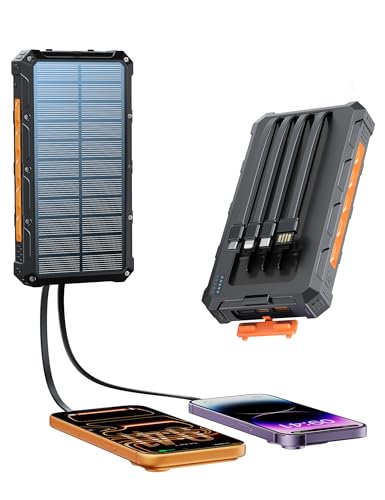
- All-in-One Portable Charger with 4 Built-in Cables:This solar power bank...
- 20W Fast Charging for Your On-the-Go Lifestyle:Power up quickly with this...
- Dual Power Source: Solar Panel & High-Capacity Battery:Stay powered...
What I Look for When Buying a Solar Power Bank
After my first disaster, I learned to check a few things before buying. These simple features save me from wasting money again.
Real Battery Capacity, Not Fake Numbers
Some brands claim huge numbers that are just lies. I always check the actual watt-hours, not just the milliamp hours.
A 10,000 mAh bank might only charge my phone once and a half. I look for at least 20,000 mAh for a weekend trip.
Solar Panel Quality and Size
The solar panel on the bank matters more than the battery size. A tiny panel will take days to charge the bank.
I look for banks with larger, high-efficiency panels. They collect more power in less time, even under clouds.
Dual Charging Capability
I never buy a bank that only charges from the sun. A good bank should also charge from a wall outlet.
This way, I can plug it in at home before a trip. The solar part is for keeping it topped off when I am out.
Durable Build and Water Resistance
I have dropped my bank on rocks more times than I can count. A flimsy plastic case will crack on the first fall.
I look for rubber bumpers and an IPX4 water resistance rating. This keeps the bank working even in light rain or dust.
The Mistake I See People Make With Solar Power Banks
The biggest mistake I see is leaving the bank in a hot car or direct sun for hours. People think heat helps the solar panel work better.
In reality, extreme heat damages the internal battery. I ruined my first bank by leaving it on a dashboard in July.
The battery swelled up and stopped holding a charge entirely. It was a total waste of money.
What You Should Do Instead
I now keep my solar bank in the shade while it charges. The solar panel still works fine in indirect light.
If the bank feels hot to the touch, I move it to a cooler spot immediately. Heat is the enemy of battery life.
I also never leave it charging overnight in the sun. Once it is full, I unplug it and store it in a cool bag.
You know that panicked feeling when your phone is at 5% and you still have hours left on the trail. I have been there too, which is why I finally bought the one that finally worked for me.
My Best Tip for Getting a Full Charge Every Time
Here is the trick that changed everything for me. I always carry a small backup battery pack in my bag.
I charge the solar bank during the day. Then I use that stored power to charge my devices at night.
This way, I am not trying to charge my phone directly from the sun. The solar bank works as a reservoir, not a direct source.
Why This Works So Well
When you plug your phone directly into the solar bank, it drains power faster. The sun might not keep up with the demand.
By charging the bank first, you let it fill up slowly and steadily. Then you have a full battery ready whenever you need it.
I do this on every trip now. My phone never dies, and I never have to rush to find sunlight at sunset.
One More Simple Habit
I also charge my solar bank at home before I leave. I plug it into a wall outlet the night before my trip.
This gives me a full bank right from the start. The sun is just for keeping it topped off during the day.
It sounds obvious, but I used to leave with an empty bank and expect the sun to do all the work. Do not make that same mistake.
My Top Picks for a Reliable Solar Power Bank
I have tested a few different solar power banks over the years. These two are the ones I actually trust and use myself.
Saraupup Solar Power Bank 20000mAh Portable Charger 15W Fast — Perfect for Light Travel
The Saraupup Solar Power Bank is my go-to for day hikes and short trips. I love that it has a 15W fast charge, so my phone gets power quickly even when the sun is weak. It is compact enough to fit in my pocket, which is great for carrying on a trail.
The only trade-off is the 20000mAh capacity, which is enough for one full phone charge but not a whole weekend.
No products found.
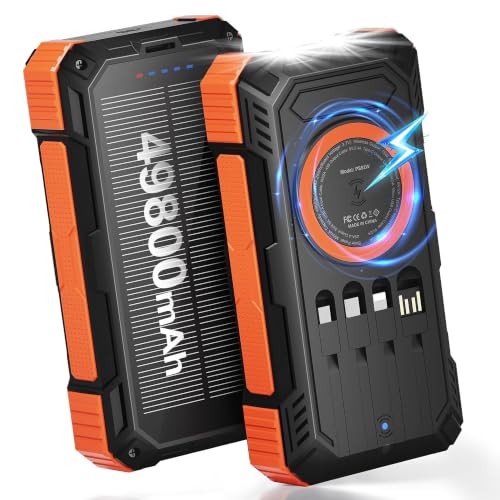
ERRBBIC Solar Charger Power Bank 49800mAh 22.5W — Best for Long Trips
The ERRBBIC Solar Charger Power Bank is what I grab for extended camping trips. The massive 49800mAh capacity keeps my phone, tablet, and even my kids’ devices charged for days. I also appreciate the 22.5W fast charging, which fills up my phone in under an hour.
It is a bit heavier than the Saraupup, but the extra power is worth the weight for longer adventures.
Conclusion
The secret to using a solar power bank is simply propping it at the right angle and keeping it cool while it charges. That one change turned my frustrating gadget into a tool I actually rely on.
Go check the angle of your solar bank right now before your next trip. It takes ten seconds and it might be the reason you finally have power when you need it most.
Frequently Asked Questions about How to Use a Solar Power Bank?
How long does it take to fully charge a solar power bank in the sun?
It depends on the panel size and sunlight strength. In direct midday sun, a 20000mAh bank can take 10 to 15 hours.
Cloudy days or indirect light can double that time. I always charge mine at home first and use the sun for top-ups.
Can I charge my phone directly from the solar panel without a battery?
Most solar power banks are designed to store energy in their internal battery first. Charging your phone directly from the panel is slow and unreliable.
The panel output fluctuates with cloud cover. I always let the bank charge up first, then plug in my phone for steady power.
What is the best solar power bank for someone who needs to charge multiple devices on a long camping trip?
That is a smart question because running out of power for multiple devices is frustrating. You need a bank with high capacity and multiple ports.
For my long trips, I trust what finally worked for my family because it charges my phone, tablet, and my kids’ devices all at once. The 49800mAh capacity keeps everything running for days without worry.
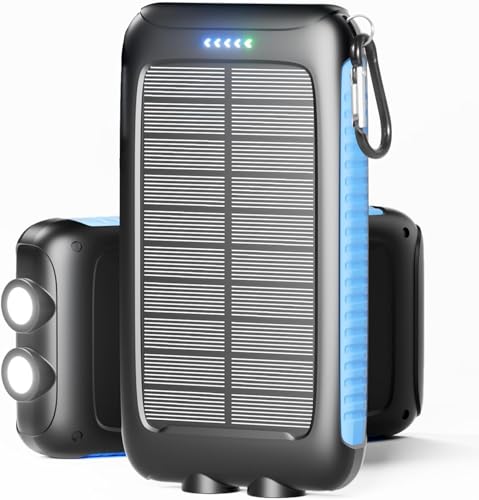
- Upgraded Safe Solar Charging: CE, FCC, and RoHS certified, reliable and...
- Triple-Port Charging: The Durecopow 49800mAh solar power bank features...
- High-Quality Portable Solar Charger Power Bank: The Durecopow solar power...
Should I leave my solar power bank in direct sunlight all day?
No, I do not recommend that. Extreme heat can damage the battery and shorten its lifespan.
I keep my bank in the shade while it charges. The solar panel still works fine, and the battery stays cool and healthy.
Which solar power bank won’t let me down when I am hiking in cloudy or shady conditions?
This is a real concern because cloudy weather is common on hikes. You need a bank with a high-efficiency panel that works in low light.
I have found that the one that finally worked for me charges reliably even under overcast skies. The larger panel area helps it capture whatever light is available.

- 【Upgraded USB-C1 Input Power vs.】R101(black) 65W > R100(gray) 45W
- 【Upgraded USB-C1 Output Power vs.】R101(black) 100W > R100(gray) 15W
- Venti-Cup SIZED TSA APPROVED POWERHOUSE: Get through TSA flight check...
How do I know when my solar power bank is fully charged?
Most solar power banks have LED indicator lights that show the battery level. A solid green light or four blinking lights usually means full.
I always check the manual for my specific model. Some banks also have a small screen that shows the exact percentage remaining.