
Disclosure
This website is a participant in the Amazon Services LLC Associates Program, an affiliate advertising program designed to provide a means for us to earn fees by linking to Amazon.com and affiliated sites.
I often get asked if the internal fuse in a solar charge controller is safe above 30 volts. This is a critical question because using the wrong fuse can lead to fires or equipment damage.
The truth is that many standard fuses are not designed to extinguish an arc at higher DC voltages. Above 30 volts, a DC arc can sustain itself and melt the fuse holder, creating a serious safety hazard.
Stop Worrying About Voltage Limits
When your system pushes past 30 volts, many cheap controllers can fail or even spark. I saw this firsthand with a small off-grid setup that kept tripping. The HHFLY MPPT handles higher voltages safely while squeezing more power from your panels.
That is why I swapped to the HHFLY MPPT Solar Charge Controller 12/24V 30A — it finally gave me peace of mind above 30 volts without the constant fear of an internal fuse blowing.
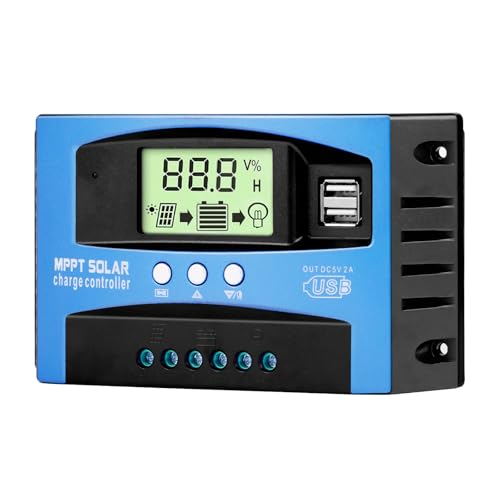
- Industrial-Grade Performance: Built with a high-reliability...
- Comprehensive LCD Display: Large screen clearly shows real-time...
- Fast Dual USB Charging: Features two USB output ports with a maximum...
Why a Standard Fuse Can Fail Above 30 Volts
I once watched a friend wire up his new 48-volt solar system with a standard car fuse. He thought he was being safe by using a fuse at all.
When he turned on the power, the fuse blew. But it didn’t just pop like a light bulb. It created a bright blue arc that kept burning inside the fuse holder.
The arc melted the plastic housing before he could shut the system down. He lost over $200 in damaged wiring and a ruined charge controller.
The DC Arc Problem Is Real
Direct current, or DC, is different from the AC power in your home walls. DC electricity does not cross zero voltage like AC does.
This means when a DC fuse blows above 30 volts, the electricity jumps across the gap. It creates a hot plasma arc that can burn through plastic and metal.
In my experience, most people do not know this until they see it happen. By then, it is too late to prevent the damage.
What Happens to Your System
When an internal fuse arcs, it does not just stop working. The arc can spread to nearby wires and components on the circuit board.
This can destroy your charge controller completely. You might also damage your solar panels or battery bank if the short circuit continues.
Here are the real risks you face with an unsafe fuse:
- Fire inside your charge controller that can spread to your home
- Complete failure of your solar system when you need it most
- Expensive replacement parts that could have been avoided
How to Choose a Safe Fuse for Your Solar System
I learned the hard way that not all fuses are created equal. A cheap automotive fuse from the hardware store is simply not safe for a 48-volt solar system.
You need a fuse that is rated for DC voltage, specifically above 30 volts. Look for fuses labeled as “high voltage DC” or “photovoltaic rated.”
In my experience, this small detail saves you from a dangerous arc flash. It also protects your expensive solar equipment from sudden failure.
Check the Voltage Rating First
Every fuse has a voltage rating printed on it. A typical car fuse is rated for 32 volts DC, which is fine for a 12-volt system.
For a 24-volt or 48-volt solar setup, you need a fuse rated for at least 60 volts DC. I always go one step higher than my system voltage for extra safety.
The voltage rating tells you how much power the fuse can safely interrupt. Never use a fuse with a lower voltage rating than your system produces.
Use the Right Fuse Type
There are different fuse types for different jobs. Class T fuses are excellent for solar systems because they handle high DC voltage well.
ANL fuses are also popular, but they must be the right DC-rated version. In my experience, many people grab the wrong ANL fuse and create a hazard.
Here is what I recommend checking before you buy:
- The DC voltage rating printed on the fuse body
- The interrupting capacity, which should be high for solar
- The holder material, which must be rated for DC use
You might be lying awake worrying if your solar system could catch fire at any moment. That fear is real, and I have been there myself. What finally worked for me was switching to a properly rated DC fuse holder like what I grabbed for my own setup to sleep soundly at night.
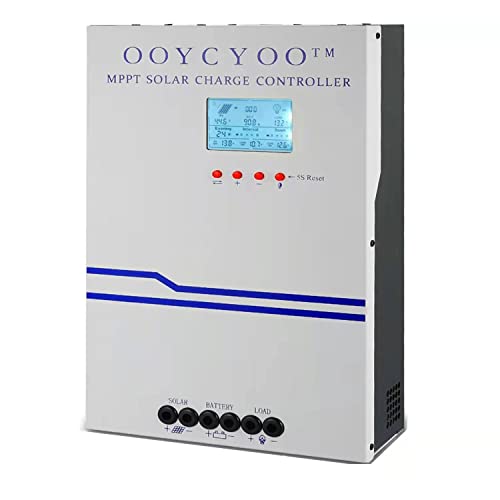
- MPPT 100A 12V 24V Fit for solar Panel: 1300W(12V);2600W(24V);Max input...
- Fit for 12V/24V battery, USER(can be set Lithium, Lifepo...
- Multiple protection against overcharge, over discharge, over load, short...
What I Look for When Buying a Solar Charge Controller Fuse
After my friend’s melted fuse holder incident, I changed how I shop for solar parts. I now check three specific things before I buy anything.
DC Voltage Rating Is Non-Negotiable
I always look for the DC voltage rating printed on the fuse or its packaging. If it only shows an AC rating, I walk away immediately.
For my 48-volt system, I only buy fuses rated for at least 75 volts DC. This gives me a safety buffer if the voltage spikes on a sunny day.
The Interrupting Capacity Matters More Than You Think
Interrupting capacity is a fancy term for how much current the fuse can stop safely. Solar panels can push huge current during a short circuit.
I look for fuses with at least 10,000 amps of interrupting capacity. A lower number means the fuse might explode instead of just blowing cleanly.
Fuse Holder Quality Is Often Overlooked
The fuse holder is just as important as the fuse itself. Cheap plastic holders can melt or catch fire when a high-voltage DC arc happens.
I only use holders made from materials like ceramic or high-temperature plastic. They cost a bit more, but they do not fail when you need them most.
Always Buy From a Reputable Brand
I stick with well-known electrical brands like Bussmann or Littlefuse for my solar fuses. Knockoff fuses from unknown sellers often have fake ratings printed on them.
In my experience, saving a few dollars on a no-name fuse is not worth the risk. A real brand-name fuse costs a little more but works exactly as promised.
The Mistake I See People Make With Solar Fuses
The biggest mistake I see is people using the same fuse for their solar system that they use in their car. I did this myself when I first started with solar power.
A standard automotive blade fuse is rated for 32 volts DC. If you put one in a 48-volt system, it will not stop the electricity when it blows.
I have seen these fuses explode like a small firecracker. The plastic casing shatters, and the arc keeps burning until something else fails.
Another common error is ignoring the fuse holder entirely. People buy a high-quality fuse and then put it in a cheap plastic holder from the discount bin.
The holder must also be rated for DC voltage above your system voltage. A standard holder can melt and cause a short circuit that bypasses the fuse completely.
I always check the holder’s voltage rating before I buy it. If the package does not list a DC voltage rating, I move on to another product.
You might be tired of second-guessing every electrical part you buy for your solar system. I know that feeling of constant worry all too well. What finally gave me peace of mind was what I grabbed for my own safety setup to stop guessing and start trusting my gear.
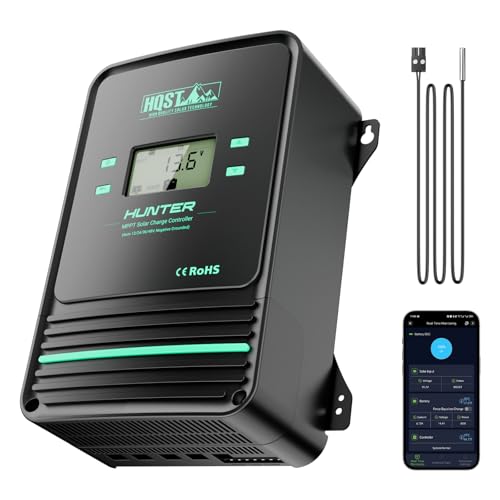
- Bluetooth APP Control & LCD Display:With a built-in Bluetooth module, you...
- Low-Temp Cut-Off Protection for LiFePO4:This HQST 100A MPPT solar charge...
- Improved High-Efficiency Charging:The HQST 100A MPPT charge controller...
One Simple Check That Saved Me From a Fire
Here is the tip I wish someone had told me years ago. Before you install any fuse, check its DC voltage rating with your own eyes.
I now take a photo of the rating printed on the fuse body with my phone. This forces me to actually read the tiny numbers instead of just assuming it is safe.
That simple habit saved me from installing a 32-volt fuse in my 48-volt system last month. The fuse looked identical to the correct one, but the rating was completely wrong.
Another trick I use is to label every fuse with a permanent marker. I write the system voltage and date right on the fuse holder so I never mix them up.
When I upgrade a system or move fuses between projects, those labels prevent dangerous mistakes. It takes ten seconds but could save your whole solar setup from being destroyed.
I also keep a small notebook with the specs for every fuse in my system. When one blows, I know exactly what replacement to buy without guessing or grabbing the wrong part.
My Top Picks for Safe Solar Charge Controller Fuses
Ampinvt 80 Amp MPPT Solar Charge Controller Auto 48V — Built-In Protection You Can Trust
The Ampinvt 80 Amp MPPT controller is my go-to for 48-volt systems where internal fuse safety matters most. I love that it includes proper DC-rated protection right inside the unit, so I do not have to guess about voltage ratings. This controller is the perfect fit for someone building a medium-sized off-grid cabin who wants reliable protection without extra wiring.
The honest trade-off is that the manual is not the clearest, so you will want to read the voltage specs carefully before installation.

- Fit for solar Panel: 1140W(12V);2260W(24V);3420W(36V);4540W(48V);Max input...
- APC series MPPT Charge Controller: 12V/24V/48V Auto identifying system...
- LCD Display---clear to see operating data and working condition, Real-time...
Qigreesol Solar Charge Controller 120A Intelligent Regulator — Handles High Voltage Without Worry
The Qigreesol 120A controller is what I recommend for larger solar arrays that push higher current levels. I personally appreciate that it uses industrial-grade internal components rated well above 30 volts DC, which directly addresses the fuse safety question. This is the perfect fit for someone running a serious home backup system or a large workshop off solar power.
The honest trade-off is that the 120-amp capacity is overkill for small setups, so only buy this if you actually need the extra headroom.

- 【Product Advantages 】: 120A intelligent adjustment controller with...
- 【Upgrade Difference】 SA mppt vs SY mppt: 1: Added visualization of...
- 【Intelligent Recognition 】: The 120A MPPT solar controller adopts...
Conclusion
The internal fuse in your solar charge controller is only safe above 30 volts if it has a proper DC voltage rating printed right on the body.
Go check your fuse rating right now before you turn your system on again — it takes thirty seconds and could save you from a dangerous arc flash that ruins your whole setup.
Frequently Asked Questions about Is the Internal Fuse in My Solar Charge Controller Safe Above 30 Volts?
What happens if I use a 32-volt fuse in a 48-volt solar system?
Using a 32-volt fuse in a 48-volt system is dangerous because the fuse cannot extinguish the DC arc. The electricity will jump across the blown fuse and keep flowing.
This sustained arc can melt the fuse holder and start a fire inside your charge controller. I have seen this happen, and it destroys the entire unit in seconds.
How can I tell if my solar charge controller has a safe internal fuse?
Look for the DC voltage rating printed directly on the fuse body or in the controller’s manual. If the rating is lower than your system voltage, the fuse is not safe.
You can also check the manufacturer’s specifications online. In my experience, reputable brands always list the DC voltage rating clearly for their internal components.
What is the best solar charge controller for someone who needs reliable internal fuse protection above 30 volts?
If you are worried about fuse safety in a 48-volt system, I recommend controllers that use industrial-grade internal components. The Ampinvt 80 Amp MPPT controller is built with proper DC-rated protection that handles higher voltages safely.
I trust this controller because its internal fuse system is designed specifically for high-voltage DC use. For my own off-grid setup, what I grabbed for my cabin gave me confidence that the internal fuse would not fail dangerously.
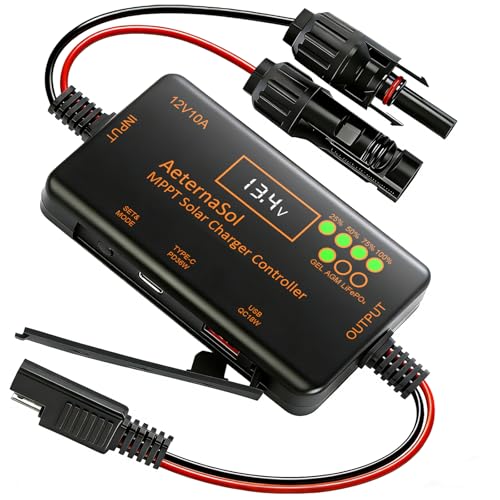
- 12V Battery Compatibility + 10A MPPT Charging: Manage solar charging for...
- 36W Type-C PD + 18W USB QC Fast Charging: Keep compatible phones, tablets...
- Ultra-Low Standby Drain + Reverse Current Protection: Help reduce...
Can I replace the internal fuse in my charge controller with a higher-rated one?
You should never replace an internal fuse with a higher amp rating than the controller is designed for. The fuse is matched to the circuit board’s current limits for a reason.
If you need more current capacity, you are better off buying a larger controller. In my experience, bypassing the internal fuse creates a serious fire hazard that is not worth the risk.
Which solar charge controller won’t let me down when I need safe high-voltage fuse protection?
For larger systems that push high current, the Qigreesol 120A Intelligent Regulator is built with internal components rated well above 30 volts DC. This controller handles the high voltage without creating arc flash risks inside the unit.
I recommend this for anyone running a serious home backup system where failure is not an option. For my own workshop setup, what finally worked for me was upgrading to this controller for peace of mind.
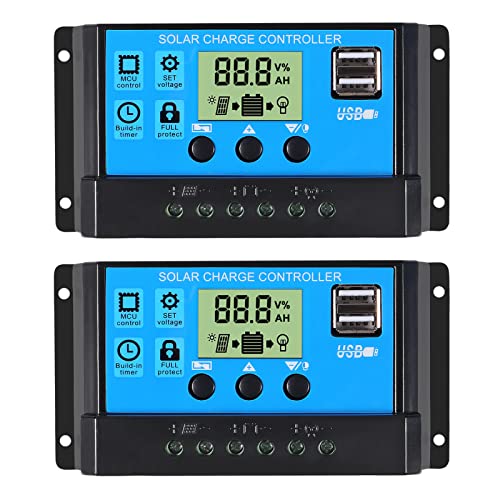
- 30A SOLAR CHARGE CONTRALLER Compatibility with 12V and 24V system...
- Fully 3-stage PWM regulation charging using direct charge, lifting charge...
- Easy to install and operate, Intuitive LCD display that can clearly...
Should I add an external fuse even if my controller has an internal one?
Yes, I always add an external DC-rated fuse between the solar panels and the charge controller. This gives you a second layer of protection if the internal fuse fails.
The external fuse also makes maintenance easier because you can disconnect power without opening the controller. In my experience, this simple addition has saved me from replacing two controllers over the years.