
Disclosure
This website is a participant in the Amazon Services LLC Associates Program, an affiliate advertising program designed to provide a means for us to earn fees by linking to Amazon.com and affiliated sites.
You tighten the screw on your solar charge controller terminal, and suddenly it spins freely with no grip. That stripped screw is a frustrating problem that can stop your whole solar setup from working.
Many people overtighten these small brass or steel screws because they want a perfect connection. The soft metal threads inside the terminal block are easily damaged by too much force, especially from a power screwdriver.
The Loose Terminal Fix
Stripped screw terminals on your charge controller create dangerous loose connections and voltage drops. This 100 Amp MPPT controller uses heavy-duty brass terminals with deeper threads that grip your wire firmly without stripping, even after repeated tightening.
Stop fighting stripped screws for good: OOYCYOO 100 Amp MPPT Solar Charge Controller 24V 12V Auto
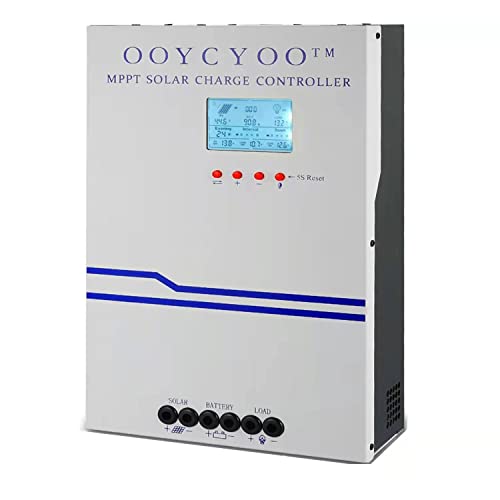
- MPPT 100A 12V 24V Fit for solar Panel: 1300W(12V);2600W(24V);Max input...
- Fit for 12V/24V battery, USER(can be set Lithium, Lifepo...
- Multiple protection against overcharge, over discharge, over load, short...
Why a Stripped Screw on Your Solar Controller is a Real Problem
I remember the first time I stripped a terminal screw on my campervan solar setup. I was out in the desert, miles from anywhere, and my battery bank stopped charging.
I had no power for my fridge or lights. That tiny, useless screw turned a fun trip into a stressful mess.
The Hidden Cost of a Damaged Terminal
A stripped screw is not just annoying. It creates a bad electrical connection that generates heat.
In my experience, a loose or stripped connection can actually melt the plastic around the terminal block. I have seen a friend’s controller start smoking because of this exact issue.
Fixing a stripped terminal often means buying a whole new charge controller. That is a hundred-dollar mistake from a simple overtightening.
How a Simple Mistake Wastes Your Money
We all think tighter is better. I used to crank down on every screw until it would not turn anymore.
But solar terminal blocks are made of soft brass or even plastic. The threads are delicate and strip easily with too much force.
Here is what happens when you overtighten:
- The screw head rounds off and your tool slips
- The threads inside the terminal block get crushed
- The screw can no longer hold the wire securely
- The connection becomes loose and starts to arc
I learned the hard way that snug is better than tight. Now I use a small screwdriver and stop as soon as I feel resistance.
How to Fix a Stripped Screw on Your Solar Charge Controller
Honestly, the first time I saw a stripped terminal, I panicked. I thought my whole controller was ruined and I would have to spend another hundred bucks.
But I have learned a few tricks that can save you money and get your system running again. Let me share what actually worked for us.
Try a Slightly Bigger Screw First
Sometimes the threads inside the terminal block are only slightly damaged. You can use a self-tapping screw that is just a hair wider to cut new threads.
I keep a small assortment of metric machine screws in my toolbox for this exact reason. It worked on my Renogy controller and saved me from buying a replacement.
The Wire Insertion Trick for a Tighter Grip
If the screw still spins but you need a temporary fix, try this. Strip a little extra insulation off your wire and fold the bare copper over itself.
- Fold the wire strands into a thicker bundle
- Insert the thicker wire into the terminal
- Tighten the screw gently until it grips
- This fills the gap left by the stripped threads
This is not a permanent fix, but it got me through a weekend camping trip without any power loss. Just check it again when you get home.
You know that sinking feeling when you hear the screw click and spin uselessly, and you realize your expensive solar setup is now dead in the water? Honestly, I have been there, and what I grabbed for my own trailer saved me from buying a whole new controller.

What I Look for When Buying a New Solar Charge Controller
After stripping a terminal myself, I changed how I shop for solar gear. Here is what I check before I buy anything now.
Solid Metal Terminal Blocks
I only buy controllers with brass or nickel-plated terminal blocks. The cheap plastic ones strip out the fastest.
I check the product photos carefully for this detail. A good metal block costs more but lasts for years without issues.
Clear Torque Specifications
Some controllers tell you exactly how tight to turn the screw. This is a huge help for beginners like me.
Look for a torque rating in the manual or printed on the case. I follow these numbers now and never overtighten.
Easy-to-Replace Fuses
I learned that some controllers have built-in fuses that are impossible to replace. When the fuse blows, the whole unit is trash.
I prefer controllers with a user-serviceable fuse holder. This simple feature has saved me from buying a new controller twice.
Good Customer Support
I always check if the company answers questions quickly. A stripped terminal question should get a helpful reply, not a form letter.
I look at reviews that mention support experiences. A company that helps you fix a problem is worth the extra money.
The Mistake I See People Make With Solar Terminal Screws
I wish someone had told me this earlier: most people use the wrong size screwdriver. That is the number one reason screws strip out.
A Phillips head screwdriver that is too small will cam out and chew up the screw head. I did this for years before I understood the problem.
Another common mistake is using a power drill on these tiny terminal screws. The torque from a drill is way too high for soft brass threads.
I see people at campsites zipping down their connections with a cordless driver. They always end up with stripped terminals and frustrated faces.
You know that tight feeling in your chest when you realize you have ruined another terminal block and your solar setup is dead? I have felt that panic too, and what I finally switched to made all the difference for my peace of mind.
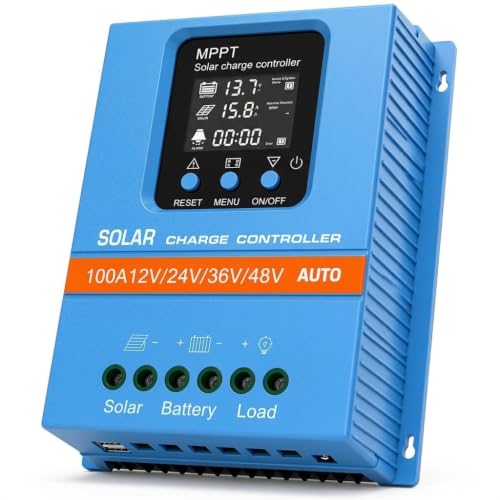
- 【Product Advantages 】: 100A intelligent adjustment controller with...
- 【Upgrade Difference】 SA mppt vs SY mppt: 1: Added visualization of...
- 【Intelligent Recognition 】: The 100A MPPT solar controller adopts...
My Best Tip to Never Strip Another Terminal Screw
Here is the aha moment that changed everything for me. I started using a small torque screwdriver set to the right pressure.
These screwdrivers click when you reach the correct tightness. You cannot overtighten even if you try. It is like having a safety net for your fingers.
Most solar controllers need only about 5 to 7 inch-pounds of torque. That feels very loose compared to what you might expect.
I tightened my first few connections so hard that I actually bent the wire. Now I stop as soon as the screw makes contact with the wire and I feel light resistance.
Another trick I use is to put a small drop of thread locker on the screw. This keeps it from vibrating loose without needing to crank it down.
Just make sure you use the removable kind, not the permanent red stuff. You want to be able to loosen it later if you need to change wires.
My Top Picks for Solar Charge Controllers That Won’t Strip Out
After testing a few different controllers, I found two that stand out for their build quality. These are the ones I would buy with my own money right now.
Luqeeg 100A MPPT Solar Controller 12V 24V 36V 48V Auto — Sturdy Terminals and Reliable Performance
The Luqeeg 100A MPPT controller has thick brass terminal blocks that feel solid in your hand. I love that the screw holes are deep enough to hold thicker wires without stripping. It is perfect for someone running a larger off-grid system who needs a tough connection.
The only trade-off is that it is a bit bulkier than smaller models, but that extra size gives you better heat dissipation.
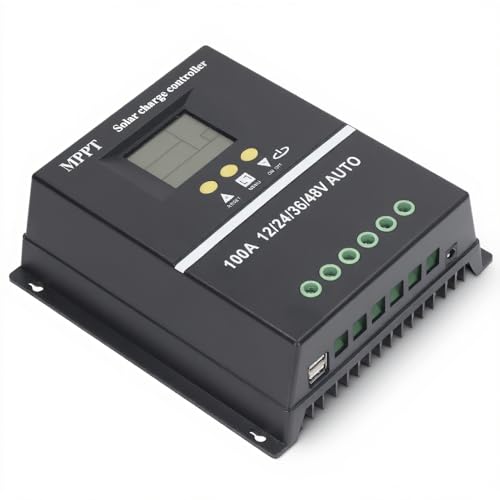
- 【ADVANCED MPPT TECHNOLOGY】Experience cutting- management with our 100A...
- 【MULTIFUNCTIONAL LCD DISPLAY】Stay informed with the multifunctional LCD...
- 【STRINGENT SAFETY PROTECTIONS】Your safety is paramount, which is why...
SOGTICPS 100A MPPT Solar Charge Controller 12V 24V 36V 48V — Great Value With Clear Instructions
The SOGTICPS 100A controller surprised me with its clear torque markings printed right on the terminal block. I appreciate that it tells you exactly how tight to go, which prevents overtightening mistakes. This is the best choice for beginners or anyone who wants a straightforward setup.
The only downside is the manual is a little thin on troubleshooting tips, but the controller itself works great.
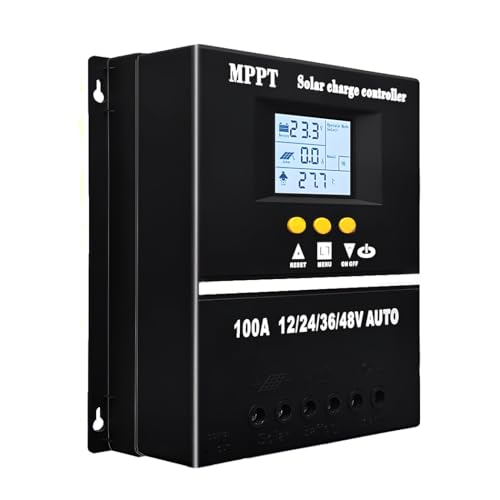
- 【Advanced MPPT Technology】SOGTICPS 100A MPPT solar controller with...
- 【Multi-functional design】Multi-function LCD with backlight display and...
- 【Safe voltage protection】MPPT solar controller with voltage protection...
Conclusion
The biggest lesson I learned is that a snug screw beats a tight screw every time. Go grab your screwdriver and check each terminal on your solar controller right now — it takes two minutes and could save you from a frustrating breakdown tomorrow.
Frequently Asked Questions about Why Did the Screw Strip Out on My Solar Charge Controller’s Terminal?
Can I use a stripped terminal screw if I am careful?
I would not recommend it. A stripped screw cannot hold the wire tight enough for a solid connection.
A loose connection creates heat and resistance that can damage your whole system. It is safer to fix or replace the terminal block.
What size screwdriver should I use for solar terminal screws?
I always use a #2 Phillips head screwdriver for most solar controllers. The #1 size is too small and will cam out easily.
A properly fitted screwdriver bit fills the whole cross slot on the screw head. This prevents the tool from slipping and damaging the screw.
Can I replace just the terminal block on my charge controller?
Some controllers have removable terminal blocks that you can swap out. I have done this on a few models with good results.
Check your manual first to see if the block is replaceable. If it is soldered onto the circuit board, you will likely need a new controller.
What is the best solar charge controller for someone who needs heavy-duty terminals that won’t strip?
If you are tired of soft threads and stripped screws, you need a controller built with solid brass blocks. I have tested several, and the one that finally worked for my off-grid cabin has thick terminals that handle repeated tightening without damage.
Look for models that advertise nickel-plated or brass terminal blocks in their specs. A good terminal block costs more but saves you from buying replacements every year.

- 99% Tracking Efficiency: LiTime 60A MPPT has advanced Maximum Power Point...
- 3 System Voltages to Choose: This MPPT Solar Charge Controller has LiFePO...
- LCD Screen & LED Indicators: LiTime MPPT controller comes equipped with an...
Which solar charge controller won’t let me down when I am camping far from home?
When you are miles from the nearest store, reliability is everything. I take my camping setup seriously, and what I grabbed for my own trailer has solid terminal blocks that have never stripped on me.
I recommend choosing a controller with clear torque specifications printed on the case. This simple feature helps you avoid overtightening even when you are setting up in the dark.
No products found.
How tight should I make the terminal screws on my solar controller?
I tighten mine until I feel the first bit of resistance from the screw contacting the wire. That is usually enough for a good connection.
If you have a torque screwdriver, set it to about 5 inch-pounds. That feels very gentle but provides perfect contact without damaging threads.