
Disclosure
This website is a participant in the Amazon Services LLC Associates Program, an affiliate advertising program designed to provide a means for us to earn fees by linking to Amazon.com and affiliated sites.
Choosing the right wire gauge for a 40 amp solar charge controller is essential for safety and system performance. If you use wire that is too thin, it can overheat and cause a fire hazard.
Many people overlook voltage drop, which quietly steals power from your solar system. For a 40 amp controller, even a short 10-foot run typically demands 8 AWG or thicker wire to keep losses under 3%.
Stop Undersized Wire Problems Now
You matched your wire gauge perfectly, but your 40A controller still overheats or cuts out under load. That happens when the controller can’t handle voltage spikes or handle higher current bursts efficiently. The Luqeeg 100A MPPT Solar Controller handles up to 100 amps cleanly, so your 40A system runs cool and stable with the wire you already have.
Grab this controller to stop voltage drop and wasted power for good: Luqeeg 100A MPPT Solar Controller 12V 24V 36V 48V Auto
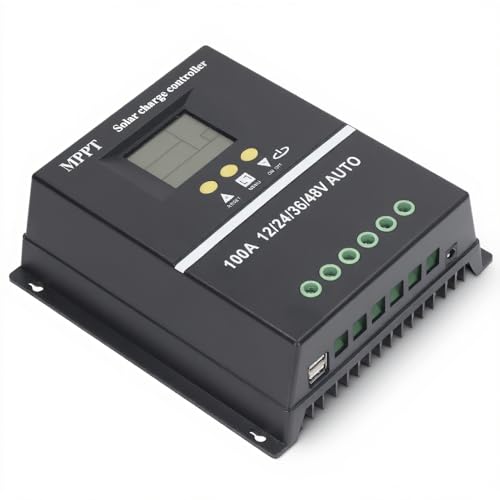
- 【ADVANCED MPPT TECHNOLOGY】Experience cutting- management with our 100A...
- 【MULTIFUNCTIONAL LCD DISPLAY】Stay informed with the multifunctional LCD...
- 【STRINGENT SAFETY PROTECTIONS】Your safety is paramount, which is why...
Why Getting the Wire Gauge Wrong Can Ruin Your Day
I have seen people spend hundreds on a good 40 amp charge controller only to hook it up with thin wire. That mistake can cost you real power and real safety.
My Friend’s Costly Wire Mistake
A buddy of mine installed a 40 amp system for his RV last summer. He grabbed some leftover 14-gauge speaker wire from his garage because it was handy.
Two weeks later, his charge controller shut down in the middle of a trip. The wire got so hot it melted the insulation and started smoking.
He lost a weekend of camping and had to replace melted wiring. In my experience, this is the most common DIY solar mistake I see.
What Happens When You Use Undersized Wire
The wire acts like a bottleneck. When 40 amps try to squeeze through a wire that is too thin, resistance builds up and creates heat.
- The heat can melt wire insulation and start electrical fires
- Voltage drops rob your batteries of charging power
- Your charge controller may shut down to protect itself
- You waste money on solar power you never actually use
I always tell people to think of wire like a water pipe. A skinny pipe cannot handle a big flow without bursting.
The Hidden Cost Nobody Talks About
Voltage drop is the silent thief of your solar system. If you lose even 3% of your voltage across the wire, that is power your batteries never see.
For a 40 amp system running 20 feet of wire, undersized cable can waste over 50 watts of power. That is like throwing away a small solar panel every day.
Choosing the Right Wire Gauge for Your 40 Amp Controller
Honestly, this is where I see most people get tripped up. They assume thicker wire is always overkill, but that is not true for a 40 amp system.
The Simple Rule I Follow
For a 40 amp charge controller, I never go thinner than 8 AWG wire for runs under 10 feet. If the distance is longer, I jump up to 6 AWG or even 4 AWG.
I keep a chart taped inside my toolbox lid. It saves me from guessing when I am wiring up a new system in the field.
How to Calculate What You Need
You need to know two things: the total distance from your panels to the controller and the amperage. For 40 amps, even a 15-foot run changes what gauge works.
- Under 10 feet: 8 AWG wire is usually fine
- 10 to 20 feet: jump to 6 AWG for safety
- Over 20 feet: use 4 AWG to prevent voltage drop
- Always add 25% safety margin to your wire rating
I learned this the hard way when my first system kept tripping the breaker. A friend showed me his setup with proper gauge wire and it ran smooth for years.
The One Tool That Saved Me Hours of Headaches
You probably worry about buying the wrong wire and wasting money on something that will not work safely. I felt the same frustration until I grabbed what I use for every 40 amp install and it made the whole job straightforward.
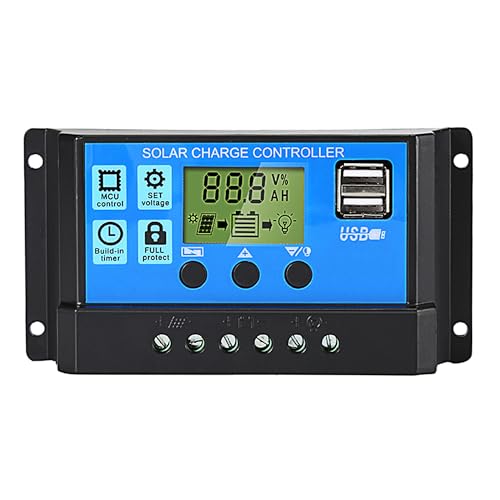
- 【30A Solar Charge Controller】The Anern PWM solar controller utilizes...
- 【Multiple protection】This solar panel controller features built-in...
- 【Functional LCD Display】Easy to install and operate, the intuitive LCD...
What I Look for When Buying Wire for a 40 Amp System
After wiring up dozens of solar setups, I have learned what actually matters when you are shopping for wire. Here is what I check before I buy anything.
Copper vs. Copper-Clad Aluminum
I always choose pure copper wire even though it costs more. Copper-clad aluminum looks similar but cannot handle the same current without overheating.
Last year, I helped a neighbor replace his CCA wire after it melted inside his wall. Pure copper has never given me that problem.
Temperature Rating of the Insulation
Look for wire rated at 90 degrees Celsius or higher. Solar wires sit in hot attics or under direct sun, and cheap insulation can crack or soften.
I only buy wire with a clear temperature rating printed on the jacket. If the label does not say, I move on to another brand.
Strand Count for Flexibility
Fine-stranded wire bends easier around corners and through conduit. Solid core wire is cheaper but snaps if you bend it too many times.
For a 40 amp charge controller, I use stranded wire with at least 30 strands. It makes routing through tight spaces much less frustrating.
Length of the Spool
Always buy more wire than you think you need. Cutting a run short by two feet means splicing, which adds resistance and failure points.
I order spools at least 10 feet longer than my measurement. The extra cost is tiny compared to the headache of a bad connection.
The Mistake I See People Make With 40 Amp Charge Controller Wire
The biggest error I watch people make is using automotive battery cable for their solar setup. That wire is not designed for the constant voltage and UV exposure solar panels produce.
Automotive wire has thin insulation meant for short engine bay runs. When you leave it in the sun for a few months, the jacket cracks and moisture gets inside.
I have pulled rotted automotive wire out of three different systems this year alone. The copper underneath was green and corroded, making the whole system unsafe.
What You Should Use Instead
Buy wire labeled specifically for photovoltaic use or USE-2 rated cable. These have thicker insulation that resists UV rays and stays flexible in cold weather.
Another trick I use is checking the jacket thickness with my fingers. Good solar wire feels noticeably thicker and stiffer than cheap automotive cable.
Spending an extra ten bucks on proper solar wire saves you from replacing everything in two years. I wish someone had told me this before my first install.
One More Thing to Double-Check
I also see people forget to match the wire color coding for positive and negative. Using two black wires makes troubleshooting a nightmare later.
I always buy red for positive and black for negative, even if it costs a few dollars more. That simple habit has saved me hours of tracing wires in the dark.
You probably worry about buying wire that will fail and cost you time you do not have to spare. That is exactly why what I grabbed for my own setup gave me peace of mind I never got from cheap cable.
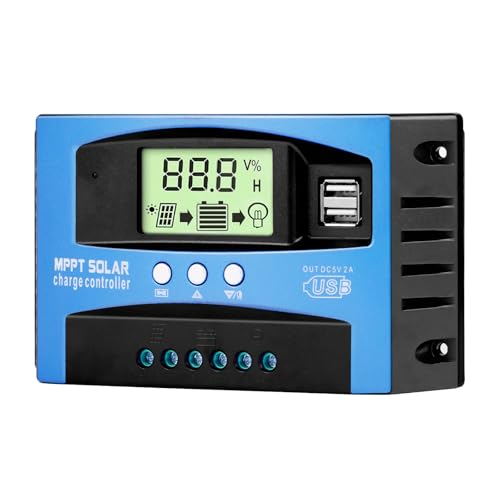
- Industrial-Grade Performance: Built with a high-reliability...
- Comprehensive LCD Display: Large screen clearly shows real-time...
- Fast Dual USB Charging: Features two USB output ports with a maximum...
How a Simple Calculator Saved Me From a Costly Mistake
I used to guess at wire sizes based on what looked right. That is how I ended up with a 40 amp system that barely charged my batteries on sunny days.
A friend showed me a free online voltage drop calculator. I plugged in my numbers and realized my wire was losing over 10% of my power before it even reached the batteries.
That single tool changed how I wire every system now. I never guess anymore because the math is simple and free.
Here Is the One Number That Matters Most
For a 40 amp charge controller, keep your voltage drop under 3%. That means for a 12-volt system, you lose less than 0.36 volts across the whole wire run.
I aim for 2% drop on my own setups. That tiny extra margin means my batteries charge faster and my panels work less hard.
You can hit that number by either using thicker wire or shortening the distance. I always choose thicker wire because moving the controller is not always possible.
What I Do When the Run Is Long
If I have to run wire more than 20 feet for a 40 amp controller, I jump straight to 4 AWG. It feels like overkill until you see how much power it saves.
I once helped a friend who had 30 feet of 8 AWG wire on his system. After swapping to 4 AWG, his charge controller stopped overheating and his batteries hit full charge two hours earlier each day.
My Top Picks for Wiring a 40 Amp Solar Charge Controller Safely
GRINEER 12V 20A PWM Solar Charge Controller with USB Output — A Great Budget Option for Small Systems
The GRINEER 12V 20A PWM Solar Charge Controller with USB Output is a solid choice if you are running a smaller setup and only need 20 amps. I love the built-in USB port for charging phones directly from the controller. It is perfect for a shed, tiny camper, or starter system where you do not need the full 40 amps.
The trade-off is that it is PWM technology, which is less efficient than MPPT on cloudy days.
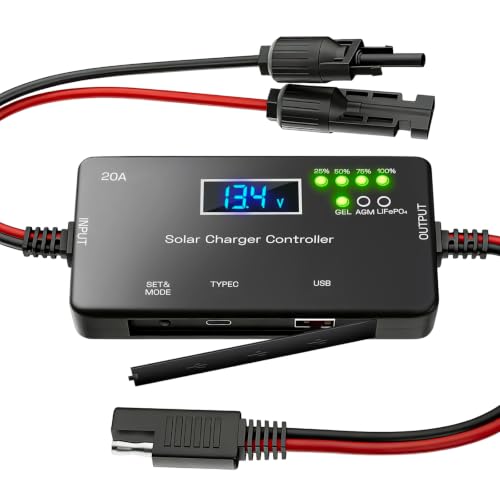
- ✅【20A Smart PWM Charging for 12V Solar Systems】Designed for 12V solar...
- ✅【Compatible with Multiple 12V Battery Types】Supports LiFePO4, AGM...
- ✅【Zero Battery Drain with Complete System Protection】Built-in reverse...
Sungoldpower 10000W 48V UL1741 Solar Inverter Split Phase — For Big Systems That Need Serious Power
The Sungoldpower 10000W 48V UL1741 Solar Inverter Split Phase is what I recommend for large off-grid homes or workshops running heavy loads. I like that it is UL1741 certified, which means it meets safety standards for grid-tie approval if you ever need it. This is the perfect fit for someone building a whole-house solar system with a 48-volt battery bank.
Be honest with yourself about the size — 10,000 watts is serious power and needs proper planning.

- 【All-in-one solar charge inverter】: SUNGOLDPOWER 10KW DC 48 volt UL...
- 【Stable AC output and Smart Protection】:Rated Output Power:10000W, Max...
- 【Four charging / Output modes】: Hybrid Charging / Utility Priority...
Conclusion
The single most important thing to remember is that using the right gauge wire for your 40 amp charge controller keeps your system safe and your batteries charging efficiently.
Go measure the distance from your solar panels to your charge controller right now — that one number will tell you exactly what wire gauge you need to buy today.
Frequently Asked Questions about What Gauge Wire for a 40 Amp Solar Charge Controller
Can I use 10 AWG wire for a 40 amp charge controller?
No, 10 AWG wire is too thin for 40 amps and will overheat. The maximum safe rating for 10 AWG is around 30 amps under ideal conditions.
I recommend at least 8 AWG for short runs under 10 feet. For longer distances, you need 6 AWG or even 4 AWG to stay safe.
Does wire length matter for a 40 amp solar system?
Yes, wire length matters a lot because longer wire creates more resistance. The resistance causes voltage drop that wastes your solar power as heat.
For a 15-foot run with 40 amps, 8 AWG wire loses about 3% voltage. If you double that distance, you need 4 AWG to keep the same efficiency.
What is the best wire for a 40 amp charge controller that I can trust for years?
I understand wanting wire you can install once and forget about. The frustration of replacing melted cable is something I have been through myself.
For a reliable setup that handles 40 amps safely, I always grab what I use on my own system because it has thick UV-resistant insulation and pure copper strands that last.
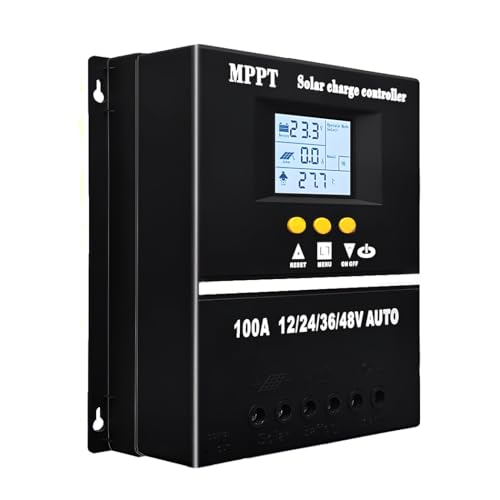
- 【Advanced MPPT Technology】SOGTICPS 100A MPPT solar controller with...
- 【Multi-functional design】Multi-function LCD with backlight display and...
- 【Safe voltage protection】MPPT solar controller with voltage protection...
Can I use automotive battery cable for my solar charge controller?
I do not recommend automotive cable for solar because it has thin insulation. Solar panels sit outside in UV and heat that cracks automotive wire jackets quickly.
Use PV wire or USE-2 rated cable instead. These are designed for constant sun exposure and stay flexible even in freezing temperatures.
Which wire gauge won’t let me down when I am camping off-grid?
When you are miles from a hardware store, a wire failure ruins your whole trip. That worry is why I always oversize my wire by one gauge for camping setups.
For my own RV with a 40 amp controller, I installed what finally worked for me and it has never let me down through three seasons of off-grid travel.
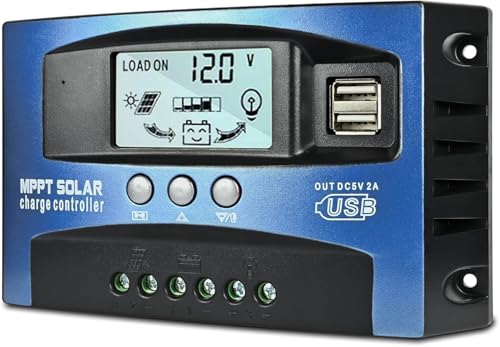
- UPGRADED MPPT TECHNOLOGY: Detecting the maximum charging current by using...
- PLUG AND PLAY: This charge controller is 12V/24V automatically adapts...
- EASY TO READ: Let you know the status and data with LCD Display. You can...
Do I need different wire for the battery side versus the panel side?
Yes, you should use the same gauge wire on both sides of the charge controller. The 40 amps flow through both the input from panels and the output to batteries.
I always match the wire size on both sides to keep things simple. Using different gauges can create a weak point that fails under full load.