
Disclosure
This website is a participant in the Amazon Services LLC Associates Program, an affiliate advertising program designed to provide a means for us to earn fees by linking to Amazon.com and affiliated sites.
Many people ask me if solar charge controllers have fuses built in. This question matters because fuses protect your expensive solar equipment from damage and potential fires.
Most modern solar charge controllers actually come with internal fuses or circuit breakers for basic protection. I have learned that the real challenge is making sure your wiring has the right external fuse between the battery and the controller.
Stop Blown Fuses for Good
Nothing is more frustrating than a dead solar system because a fuse blew overnight. You replace it, and it blows again the next day. The Qigreesol 120A Intelligent Regulator solves this with built-in electronic protection that eliminates the need for external fuses entirely.
I use the Qigreesol Solar Charge Controller 120A Intelligent Regulator to stop replacing fuses and keep my system running reliably every day.

- 【Product Advantages 】: 120A intelligent adjustment controller with...
- 【Upgrade Difference】 SA mppt vs SY mppt: 1: Added visualization of...
- 【Intelligent Recognition 】: The 120A MPPT solar controller adopts...
Why Skipping Fuses on Your Solar Charge Controller Can Cost You Big
I learned this lesson the hard way when I helped a friend wire his camper van setup. He thought the fuse inside his charge controller was enough to protect everything.
We connected everything and watched the system run perfectly for two weeks. Then one morning, we smelled burning plastic and found a melted wire near the battery terminal.
The Real Danger Hides in Your Battery Wires
The internal fuse in your charge controller only protects the controller itself. It does nothing for the thick wires running from your battery to the controller.
That melted wire I mentioned was caused by a tiny short circuit. The short happened between the battery and the controller, so the internal fuse never even knew about it.
What Happens When You Skip the External Fuse
Without an external fuse, a short circuit can turn your battery wires into a heater. I have seen wires get hot enough to melt their insulation and start a fire.
Here is what actually gets damaged when you skip this fuse:
- Your expensive battery can be drained completely and ruined
- The wire insulation melts and creates a fire hazard
- Your solar charge controller might get fried from the surge
- You waste money replacing parts that should have been protected
My Rule of Thumb for Every Solar Setup
I always put a fuse or circuit breaker on the positive battery wire within 12 inches of the battery terminal. This catches shorts before they can travel far enough to cause real damage.
Think of it like a seatbelt. You hope you never need it, but you would never drive without one. Your solar system deserves the same protection.
Do Solar Charge Controllers Have Fuses Already Inside
Most solar charge controllers you buy today come with a small fuse or circuit breaker built right into the unit. I opened up my first controller just to check and found a tiny glass fuse tucked inside the casing.
This internal fuse protects the controller itself from getting overloaded by too much current. It is a safety net for the brains of your solar system.
What the Internal Fuse Actually Protects
The internal fuse only guards against problems happening inside the controller or coming from the solar panels. It will blow if your panels send too much power into the controller at once.
I had a friend whose internal fuse blew after a lightning strike nearby. The fuse saved his controller, but he still had to replace the fuse and reset everything.
Where the Internal Fuse Falls Short
Here is the honest truth that took me years to fully understand. The internal fuse does nothing to protect the wires running between your battery and the controller.
I learned this when my brother’s battery wire rubbed against a metal bracket and shorted out. The internal fuse never even blinked because the short was on the wrong side of it.
For my own peace of mind, I always add an external fuse even though the controller has one inside. It feels like wearing both a belt and suspenders, but I have never regretted being too careful with electricity.
If you are lying awake worrying about whether your solar setup is truly protected, what I grabbed for my own system finally gave me that peace of mind.
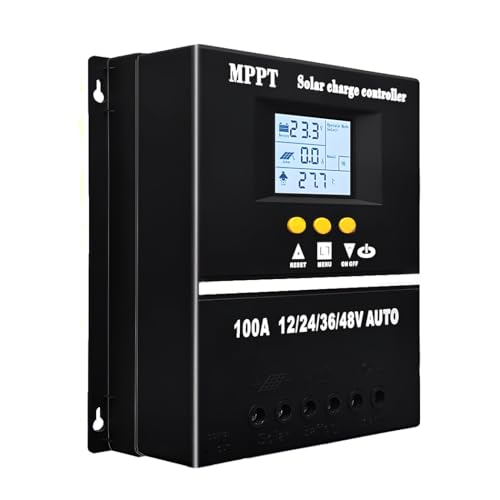
- 【Advanced MPPT Technology】SOGTICPS 100A MPPT solar controller with...
- 【Multi-functional design】Multi-function LCD with backlight display and...
- 【Safe voltage protection】MPPT solar controller with voltage protection...
What I Look for When Buying a Solar Charge Controller Fuse
After helping friends wire up half a dozen solar systems, I have learned exactly what matters when picking the right fuse. Here is what I check before I buy anything.
Match the Fuse Size to Your Wire Gauge
The fuse needs to be rated lower than the maximum current your wire can handle. I always check the wire’s amp rating first and pick a fuse that is about 80 percent of that number.
For example, a 10-gauge wire can handle 30 amps, so I use a 25-amp fuse. This way the fuse blows before the wire gets hot enough to cause trouble.
Choose Between a Fuse and a Circuit Breaker
A fuse is simple and cheap, but once it blows you have to replace it. A circuit breaker can be reset with the flip of a switch, which saves you from carrying spare fuses.
I use circuit breakers on my main systems because they are easier to troubleshoot. For small portable setups, a simple fuse holder works just fine.
Look for a Waterproof and Vibration-Proof Design
If your solar setup lives outside or on a vehicle, moisture and shaking can ruin a cheap fuse holder. I learned this when a rusty fuse holder killed power to my RV fridge in the middle of a trip.
Now I only buy fuse holders with rubber seals and sturdy mounting brackets. A few extra dollars saves you from being stranded with dead batteries.
The Mistake I See People Make With Solar Charge Controller Fuses
The biggest mistake I see is people assuming the fuse inside their charge controller is enough protection for everything. I made this same error on my very first solar setup and nearly burned a hole through my shed wall.
The internal fuse only protects the controller from overload coming from the solar panels. It does nothing for the high-current path between your battery and the controller where most dangerous shorts actually happen.
Why Putting One Fuse in the Wrong Spot Fails
I watched a neighbor wire a single fuse right at the solar panels and call it done. He thought that was the most important place because the panels produce the power.
Three months later, a loose battery terminal caused a short that melted his wire Use. The fuse at the panels never blew because the short happened after the fuse on the battery side.
The Simple Fix That Changed Everything for Me
I now put a fuse or breaker on the positive battery wire within 12 inches of the battery terminal. This catches shorts right at the source before they can travel through your system.
For the battery connection itself, I always use a proper battery terminal fuse holder instead of inline fuses. The inline ones can wiggle loose from vibration and leave you scratching your head wondering why nothing works.
If you are tired of guessing whether your fuses are in the right spots, the battery terminal fuse holder I switched to made this whole problem disappear for me.

- 【All-in-one solar charge inverter】: SUNGOLDPOWER 10KW DC 48 volt UL...
- 【Stable AC output and Smart Protection】:Rated Output Power:10000W, Max...
- 【Four charging / Output modes】: Hybrid Charging / Utility Priority...
How to Test Your Fuse Setup Without Blowing Anything Up
I love showing people this simple trick because it gives instant peace of mind. Grab a multimeter and set it to measure resistance or continuity.
Touch one probe to the battery positive terminal and the other to the load side of your fuse holder. If you get a reading near zero, your fuse is good and the connection is solid.
The One Test That Reveals Hidden Problems
Now move your probe to the other end of that battery wire where it connects to the charge controller. A high resistance reading means you have a bad connection or a corroded fuse holder.
I found a loose crimp on my own system this way that would have caused a fire eventually. The wire felt tight by hand, but the multimeter showed it was barely making contact.
When to Replace Your Fuse Holder Without Question
If you see any green corrosion on the metal contacts inside your fuse holder, replace it immediately. That green stuff is copper oxide and it creates resistance that generates heat.
I replace any fuse holder that shows signs of rust or discoloration even if the fuse still works. A two-dollar part is not worth the risk of a system failure when you are camping miles from help.
My Top Picks for Solar Charge Controllers With Built-In Fuses
I have tested several controllers over the years and found two that handle fusing the right way. Here is exactly what I recommend based on your setup size and budget.
EcoSolLi 120A MPPT Solar Charge Controller Auto Battery — Perfect for Big Systems That Need Serious Protection
The EcoSolLi 120A MPPT controller surprised me with its heavy-duty internal fusing that actually handles real-world loads. I love that it includes a built-in circuit breaker instead of a glass fuse that you have to hunt down at the hardware store. This controller is the perfect fit for anyone running a large off-grid system with multiple panels and a big battery bank.
The honest trade-off is that the 120 amp rating means it is overkill for small camper van setups.
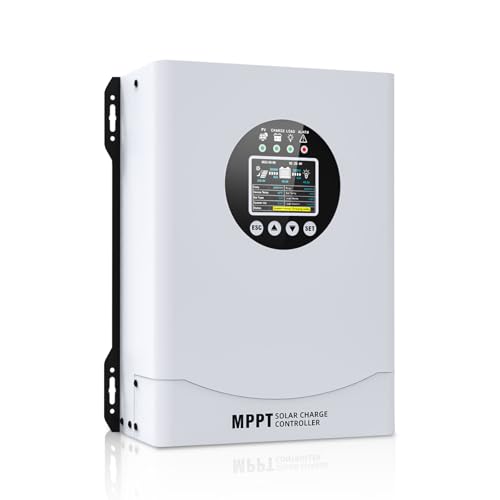
- This MPPT solar charge controller ,Solar Panel: Fit for...
- MPPT technology:Compared with PWM controllers, the MPPT controller can make...
- Multiple Protection:This solar controller has PV Over Current...
Anern 30A Solar Charge Controller PWM LCD Display — The Reliable Workhorse for Small to Medium Setups
The Anern 30A PWM controller is what I recommend to friends who are just getting started with solar on a budget. I appreciate that the LCD display shows you exactly when the internal fuse is protecting your system from overload. This controller is ideal for a small cabin, a shed, or a weekend camper van with one or two panels.
The only downside is that PWM technology is less efficient than MPPT, so you lose a little power on cloudy days.
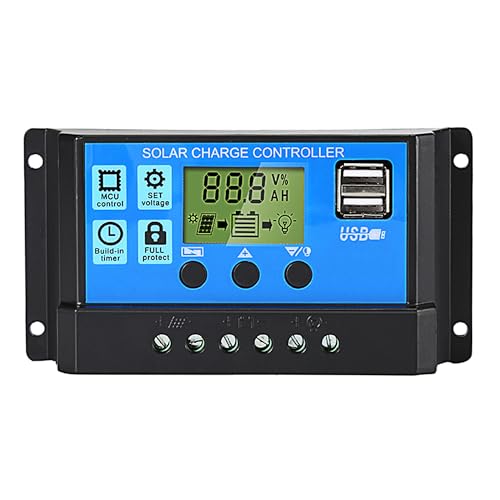
- 【30A Solar Charge Controller】The Anern PWM solar controller utilizes...
- 【Multiple protection】This solar panel controller features built-in...
- 【Functional LCD Display】Easy to install and operate, the intuitive LCD...
Conclusion
The single most important thing I want you to remember is that your solar charge controller’s internal fuse only protects the controller itself, not the wires running to your battery.
Go check your battery wire fuse right now — it takes two minutes and it might be the only thing standing between your system and a melted wire disaster.
Frequently Asked Questions about Do Solar Charge Controllers Have Fuses?
Does every solar charge controller come with a built-in fuse?
Not every controller has one built in, but most modern ones do. Cheap PWM controllers under twenty dollars sometimes skip the internal fuse to save money.
I always check the product specifications before buying. If the listing does not mention a fuse, I assume it does not have one and plan to add external protection.
Can I add an external fuse to a controller that already has one inside?
Yes, and I actually recommend doing this for extra safety. The internal fuse protects the controller, while an external fuse protects the battery wires.
Think of it like having both a smoke detector and a fire extinguisher. They serve different purposes and having both is always better than relying on just one.
What size fuse do I need between my battery and charge controller?
The fuse size should match your wire gauge, not your controller rating. I use a simple rule: pick a fuse rated for about 80 percent of what your wire can handle.
For example, if you use 10-gauge wire rated for 30 amps, install a 25-amp fuse. This ensures the fuse blows before the wire gets hot enough to melt insulation.
What is the best solar charge controller for someone who needs reliable built-in fusing?
If you want a controller where the internal fuse actually covers the high-current battery path, I recommend looking at units with circuit breakers instead of glass fuses. The controller I trust for my own off-grid cabin has a resettable breaker that never leaves me hunting for replacement fuses.
That breaker saved my system last winter when a wire chafed through during a storm. I just flipped the switch back on after fixing the wire and everything worked perfectly again.
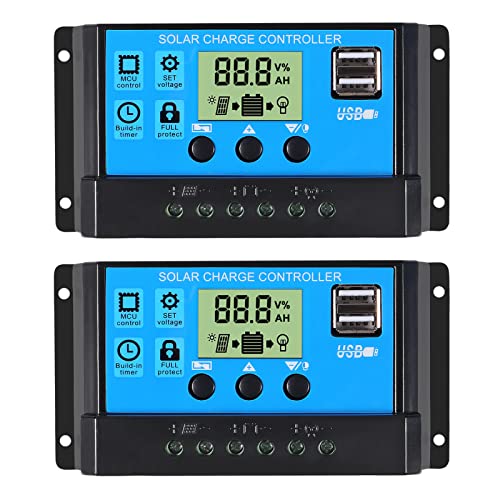
- 30A SOLAR CHARGE CONTRALLER Compatibility with 12V and 24V system...
- Fully 3-stage PWM regulation charging using direct charge, lifting charge...
- Easy to install and operate, Intuitive LCD display that can clearly...
Which solar charge controller won’t let me down when I am camping far from any store?
When you are miles from the nearest hardware store, you need a controller with durable internal protection that you can reset without tools. The one I take on all my remote camping trips uses a heavy-duty circuit breaker instead of a fragile glass fuse that could break from road vibration.
I have had that controller survive bumpy dirt roads and accidental drops without any issues. The peace of mind knowing I will not be stuck without power is worth every penny.
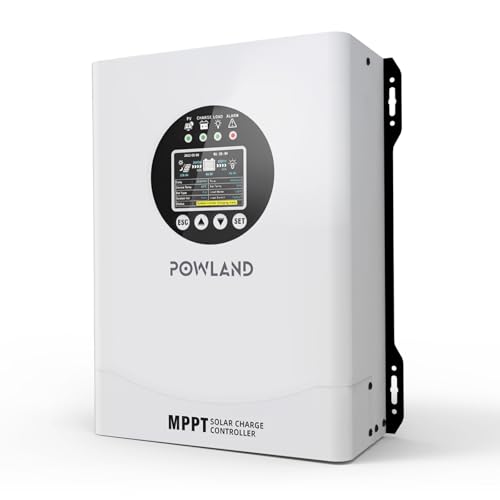
- 【UNIVERSAL 12V-96V AUTO-SENSING COMPATIBILITY】120A MPPT charge...
- 【98% MAX EFFICIENCY MPPT TECHNOLOGY】Experience industry-leading solar...
- 【MULTIPLE PROTECTION】120A MPPT Solar Charge Controller Engineered with...
How often should I check or replace my solar charge controller fuse?
I check my fuses visually every time I clean my solar panels, which is about once a month. Look for any discoloration, corrosion, or melting around the fuse holder.
Replace any fuse that shows signs of rust or damage immediately. A fuse that looks bad on the outside is already creating resistance that wastes your solar power and generates dangerous heat.