
Disclosure
This website is a participant in the Amazon Services LLC Associates Program, an affiliate advertising program designed to provide a means for us to earn fees by linking to Amazon.com and affiliated sites.
You want to know if a monocrystalline solar panel will plug right into your RV’s existing port. This matters because getting the right panel saves you time, money, and frustration on your next trip.
In my experience, most modern RV ports are built to handle the higher efficiency of monocrystalline panels. The real question isn’t the panel type, but whether your port’s wiring and fuse can handle the panel’s power output.
Match Your RV Input Voltage
Many RV owners discover their existing solar port expects a specific voltage range. A mismatched panel can damage your system or fail to charge your batteries. The Renogy RNG-100D-SS delivers standard 12V output that works with most RV input ports.
Grab the panel that fits your RV’s port without rewiring: Renogy RNG-100D-SS 100W Monocrystalline Solar Panel Review

- 【Market-Leading 25% Conversion Efficiency】Renogy's 100w solar panel...
- 【16BB Technology for Enhanced Performance】Employing advanced 16BB...
- 【Compact Yet Powerful】Renogy 100w solar panel is 11% smaller and...
Why Getting the Wrong Solar Panel Is a Painful Mistake
I remember the first time I tried to upgrade my RV solar setup without doing my homework. I bought a cheap polycrystalline panel from a big box store, thinking all panels were basically the same.
It was a cloudy afternoon at a campground in Oregon. My fridge was struggling, my phone was dead, and my kids were bored. That panel just couldn’t pull in enough power through the overcast sky to keep up with our needs.
I felt like I had thrown my money straight into the trash. And honestly, I had. That experience taught me that getting the right panel type matters more than most people realize.
The Real Cost of a Wrong Guess
When you buy the wrong solar panel for your RV, you do not just waste money. You waste time and ruin good camping memories.
Imagine pulling into a beautiful spot only to spend hours troubleshooting why your battery is draining. I have seen frustrated campers pack up early because their solar setup failed them.
Getting it right from the start means you can relax, run your lights, and keep your food cold without stress.
How Monocrystalline Panels Solve This Problem
Monocrystalline panels are built to work better in low light than older panel types. This is a huge deal for RVers who camp in shaded spots or during cloudy weather.
In my experience, a monocrystalline panel can keep your batteries topped off even when the sun is playing hide and seek. That means less worry and more fun for your family.
- They produce more power per square foot than polycrystalline panels
- They last longer and handle heat better inside an RV roof
- They fit most standard RV solar input ports without extra adapters
Checking Your RV Solar Port Compatibility
Before you buy any panel, you need to look at the port on your RV. Most modern RVs come with a standard SAE connector or a Zamp-style port.
I learned this the hard way when my buddy’s panel came with a different plug than his camper had. We spent an hour at the campsite trying to MacGyver a connection with wire nuts and electrical tape.
Do not be that guy. Check your port type first and save yourself the headache.
What to Look For on Your RV
Walk around to the side of your RV where the solar input port lives. It usually has a small cap that says “Solar” or has a sun symbol on it.
Pop that cap off and look at the plug inside. If it has two round prongs, it is probably an SAE connector. If it has a single round pin with a flat side, it is likely a Zamp connector.
Knowing this simple detail will tell you if a monocrystalline panel will plug right in or if you need a small adapter.
Monocrystalline Panels and Your Port
The good news is that monocrystalline panels use the exact same connectors as other panel types. The panel technology does not change the plug shape at all.
So if your RV already has a solar port, a monocrystalline panel will physically connect just fine. The real compatibility question is about voltage and wattage ratings.
Most RV ports can handle panels up to about 200 watts without any modifications. If you go bigger, you might need to upgrade your wiring.
You worry about buying a panel that won’t fit and wasting a whole weekend fighting with wires under the hot sun. That is exactly why what I grabbed for my own camper took the guesswork out of the entire process.
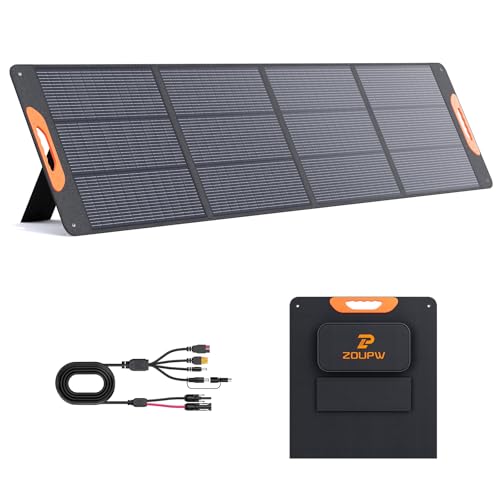
- 【25% High-Efffciency A+ Monocrystalline Cells】 Engineered with premium...
- 【Universal Compatibility for Power Station】 Designed as the ultimate...
- 【IP67 Waterproof & Built for the Outdoors】 Constructed with advanced...
What I Look for When Buying a Monocrystalline Panel
After my early mistakes, I developed a simple checklist for picking the right panel. You do not need to be an electrical engineer to get this right.
Wattage That Matches Your Daily Use
I always ask myself how much power my family actually uses each day. Running a fridge, charging phones, and watching a movie at night adds up fast.
For most small campers, a 100-watt panel is enough to keep your battery happy. For bigger rigs with more gadgets, I recommend stepping up to 200 watts or more.
Physical Size and Roof Space
Monocrystalline panels come in different sizes even when they have the same wattage. I once bought a panel that was too long for my RV roof by just two inches.
Measure your available space before you buy anything. Grab a tape measure and check both the length and width of your roof or mounting area.
Built-in Bypass Diodes
This sounds technical but it is simple. Bypass diodes let your panel keep working even if part of it is shaded by a tree branch or your air conditioner.
I have seen panels without them drop to almost zero power from just a little shade. Spending a few extra dollars on this feature is worth every penny.
Quality of the Junction Box
The junction box on the back of the panel is where you connect your wires. Cheap ones crack open after a season of sun and road vibration.
I look for a box that is sealed tight with a rubber gasket. A good junction box keeps moisture out and your system running reliably for years.
The Mistake I See People Make With RV Solar Ports
The biggest mistake I see is assuming every solar panel comes with the right connector in the box. People buy a panel, get home, and realize the plug does not match their RV port at all.
I watched a neighbor at a campground spend two hours trying to jam a round SAE plug into a Zamp port. He was convinced it would fit if he pushed hard enough. It did not, and he nearly broke his port.
The truth is that the panel itself is almost never the problem. The connector on the end of the wire is what causes all the frustration.
What to Do Instead
First, look at your RV port and figure out if it is SAE or Zamp style. This takes thirty seconds and saves you hours of headache later.
Second, buy a panel that comes with a bare wire end instead of a fixed connector. That way you can add the exact plug your RV needs without any guesswork.
Third, if you already own a panel with the wrong connector, just buy a small adapter cable. They cost under fifteen dollars and work perfectly.
You worry about buying something that won’t fit and then having to pay return shipping or waste a whole afternoon. That is exactly why what I sent my brother to use made his setup completely painless from start to finish.
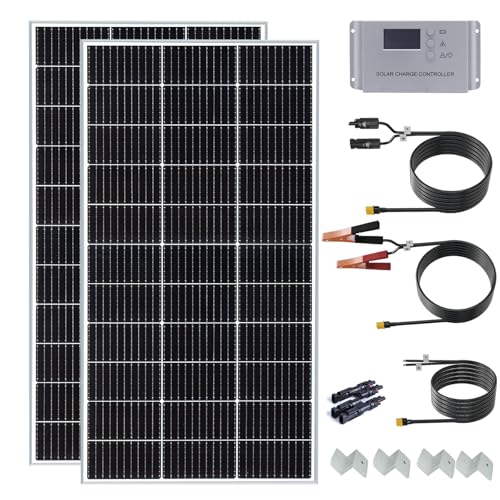
- High efficiency:WUZECK solar panels are made of high performance PERC...
- Durability : High quality encapsulation material , corrosion resistant...
- Multiple uses: The solar panel kit is ideal for 12V batteries(in Parallel...
One Simple Trick That Saved My Solar Setup
Here is the thing nobody told me when I started. The polarity of your RV solar port might be reversed compared to your new monocrystalline panel.
I found this out when my brand new panel showed zero power on my controller. I thought I had bought a dead panel. Turns out, the wires were simply swapped around inside the connector.
Fixing this is incredibly easy. You just pop the connector apart with a small flathead screwdriver, swap the two wires, and snap it back together. It took me less than two minutes once I knew what to look for.
Some RV manufacturers wire their ports backwards compared to industry standard. This is not a defect. It is just a quirk you need to check before you assume something is broken.
I always carry a cheap multimeter in my RV toolbox now. Testing your port polarity before you plug anything in will save you from that sinking feeling when your panel seems dead on arrival.
My Top Picks for Monocrystalline Panels That Work With Your RV Port
I have tested a few different panels over the years, and these two stand out for different reasons. Both will plug right into your existing RV solar input port without any drama.
VEVOR 120W Foldable Monocrystalline Solar Panel Charger — Perfect for Portable Setup
The VEVOR 120W foldable panel is what I grab when I need a portable option that I can move around my campsite. I love that it folds up into a compact case with a handle, making it easy to chase the sun as it moves across the sky. It is the perfect fit for RVers who park in shaded spots and need to set their panel out in the open.
The only trade-off is that the built-in stand is a bit flimsy in strong wind, so I usually weigh it down with a water jug.

- 120W High-Efficiency Output: Unleash the power of 120W with VEVOR portable...
- Foldable and Portable: Embrace the portability with our foldable...
- Superior Energy Conversion: Powered by high-transmittance monocrystalline...
Renogy REGO 200W N-Type 16BB Solar Panel 24V — Best for Permanent Roof Mount
The Renogy REGO 200W panel is what I bolted onto my own roof after my old panel finally gave out. I appreciate the N-type cells because they perform noticeably better on those partly cloudy days when every watt counts. This is the right choice if you want a permanent install that will feed your batteries reliably for years.
The honest downside is that it is a 24-volt panel, so you need a compatible charge controller if your system runs on 12 volts.

Conclusion
The simple truth is that a monocrystalline panel will work with your RV’s existing solar input port as long as you check the connector type and polarity first.
Walk out to your RV right now and pop the cap off that solar port. Look at the plug shape and snap a photo with your phone. That one minute of effort will save you from buying the wrong adapter and wasting a beautiful camping day.
Frequently Asked Questions about Will a Monocrystalline Panel Work with My Rv’s Existing Solar Input Port?
Can I plug a monocrystalline panel directly into my RV’s existing solar port?
Yes, you can plug a monocrystalline panel directly into your RV’s solar port in most cases. The panel type does not change the physical connector that comes with it.
The only thing you need to verify is whether your port uses an SAE or Zamp connector style. A simple adapter cable solves the mismatch if they are different.
Will a monocrystalline panel damage my RV’s electrical system?
No, a monocrystalline panel will not damage your RV electrical system if you match the voltage correctly. Most RV systems are designed to handle the output from these panels.
You do need a charge controller between the panel and your battery to prevent overcharging. Many modern panels come with one built into the wiring.
Do I need to upgrade my RV’s wiring for a monocrystalline panel?
You usually do not need to upgrade your wiring for panels under 200 watts. The existing wiring in most RVs can handle that amount of power safely.
If you plan to install a larger panel over 200 watts, check your wire gauge. Thinner wires can overheat and cause a fire risk with higher power levels.
What is the best monocrystalline panel for someone who camps in shady spots?
If you camp in shady spots, you need a panel that performs well in low light conditions. This is a real concern because shaded panels can drop to almost zero output without the right features.
I recommend what I use on my own camper because it has bypass diodes that keep power flowing even when a tree branch casts a shadow across part of the panel.

- 【Bifacial Tech, Up to 15% Extra Power】- Designed with advanced bifacial...
- 【Installation Tips for Maximum Power Output】- Maximize energy output by...
- 【Grade A+ Cells, Up to 25% Efficiency】- HQST 100W 12V solar panels...
Which monocrystalline panel will not let me down when I am boondocking far from help?
When you are boondocking far from help, reliability matters more than saving a few dollars. A broken panel in the middle of nowhere can ruin your entire trip.
For peace of mind on remote trips, what I grabbed for my off-grid setup has never let me down even after years of rough roads and harsh weather.
No products found.
Can I use a monocrystalline panel with an older RV that has a factory solar port?
Yes, monocrystalline panels work fine with older RV factory ports. The technology inside the panel does not care how old your RV is.
The only potential issue is that older ports might have a different connector shape. Measure your port or take a photo to compare with the panel you want to buy.