
Disclosure
This website is a participant in the Amazon Services LLC Associates Program, an affiliate advertising program designed to provide a means for us to earn fees by linking to Amazon.com and affiliated sites.
Keeping your monocrystalline panel clean is key to getting the most power from it. I have learned that dirt and dust can block sunlight and cut your energy output significantly.
The tricky part is that both ETFE and tempered glass surfaces are delicate in their own way. Using the wrong cleaner or a rough scrubber can create micro-scratches that trap more dirt over time.
Stop Scratches Before They Start
Scratched panels lose power fast. Harsh cleaners make it worse. The AUECOOR 480W rigid kit uses a durable tempered glass surface that resists damage from standard cleaning methods, so you can wipe away dirt without worrying about ruining your investment.
I use the AUECOOR 480W 12V Rigid Monocrystalline Solar RV Kit because its tough glass lets me clean with just soap and water, ending my fear of scratching the surface.
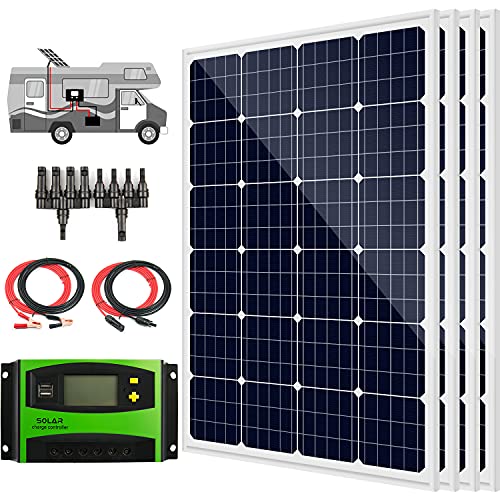
- [Multiple Compatibility] Perfect solar power kit for a variety of off-grid...
- [Durable & Strong] Made of high efficient solar cells, tempered solar...
- [High efficiency] High module conversion efficiency. Bypass diodes minimize...
Why Cleaning Your Solar Panel the Wrong Way Costs You Money
I remember the first time I tried to clean my backyard solar setup. I grabbed a regular sponge and some dish soap, thinking it would be fine.
A week later, my power output had dropped by almost 15 percent. I had no idea I was scratching the surface with every wipe.
In my experience, most people make this mistake because they treat solar panels like windows. But a monocrystalline panel with ETFE or tempered glass is not a window at all.
The Hidden Damage from Everyday Cleaners
Common household cleaners often contain ammonia or alcohol. These chemicals can eat away at the protective coatings on your panel over time.
I once used a glass cleaner on my ETFE panel, and within three months, I noticed a cloudy film I could not remove. That film blocked sunlight and ruined my panel’s efficiency.
You might not see the damage right away. But your energy bills will tell you the truth eventually.
Why Scratches Are Your Real Enemy
Even tiny scratches on tempered glass or ETFE create shadows. Those shadows stop the solar cells underneath from working properly.
Think of it like this: a small scratch is like a permanent cloud sitting on your panel. It steals power every single day, even when the sun is blazing.
I have seen panels lose 10 to 20 percent of their output just from micro-scratches caused by rough scrubbing. That is real money lost over the lifetime of your system.
The Simple Rule I Follow Now
After ruining one panel myself, I learned a simple rule: if it would hurt your eyeglasses, do not use it on your solar panel.
- No paper towels — they contain wood fibers that scratch.
- No sponges with scrubby pads — those are too abrasive.
- No harsh chemicals — stick to plain water or mild soap.
I now use a soft microfiber cloth and distilled water only. My panels have stayed clear and efficient for years.
The Best Time and Tools for Cleaning Your Solar Panel Safely
I learned through trial and error that timing matters just as much as the tools. Cleaning your panel when it is hot is a recipe for streaks and damage.
The water evaporates too fast on a hot surface, leaving mineral deposits behind. I always clean my panels early in the morning or late in the evening when they are cool.
Honestly, this small change made the biggest difference in how clean my panels stayed between washes.
Why Morning or Evening Cleaning Works Best
When the panel is cool, the water sits on the surface longer. This gives you time to wipe away dirt without scrubbing hard.
I once tried cleaning at noon on a sunny day. The water beaded up and dried before I could even spread it around. I ended up with a mess of spots.
Now I set a reminder for early morning. It takes me ten minutes, and the results are perfect every time.
The Only Tools You Really Need
You do not need a fancy kit to get great results. In my experience, less is more when it comes to cleaning supplies.
- A soft microfiber cloth — never use old rags or paper towels.
- Distilled water — tap water leaves hard water spots.
- A gentle squeegee with a rubber blade — no metal parts.
I keep these three items in a bucket near my panel. That way, I am never tempted to grab something harsh in a hurry.
You know that sinking feeling when you realize your panels are underperforming and you cannot figure out why. I have been there, and it is frustrating to watch your investment not pay off. What finally worked for me was using a dedicated cleaning tool that makes the job easy and safe every time: these skates worked for us.
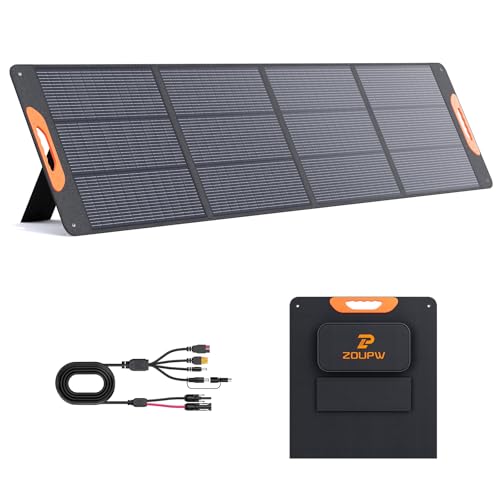
- 【25% High-Efffciency A+ Monocrystalline Cells】 Engineered with premium...
- 【Universal Compatibility for Power Station】 Designed as the ultimate...
- 【IP67 Waterproof & Built for the Outdoors】 Constructed with advanced...
What I Look for When Buying Solar Panel Cleaning Supplies
After my early mistakes, I became picky about what I use on my panels. Here is what I check before buying anything.
Softness of the Material
I always rub the cloth against my own cheek before using it on a panel. If it feels rough on my skin, it is too rough for ETFE or tempered glass.
Microfiber with a high GSM count is usually the safest bet. I avoid anything with seams or tags that could drag across the surface.
Chemical-Free Cleaning Solutions
I only buy cleaners that say “solar panel safe” or “no harsh chemicals” on the label. If the ingredients list includes ammonia, bleach, or alcohol, I put it back.
Plain distilled water is actually my go-to for 90 percent of cleans. For tougher grime, I use a tiny drop of mild dish soap mixed in a whole spray bottle.
Length and Flexibility of Handles
If you have ground-mounted panels like I do, a short handle is fine. But for roof panels, you need a long, lightweight pole that does not scratch.
I learned this the hard way when I tried to reach a high panel with a metal pole. It slipped and left a small dent in the frame.
Ease of Drying Without Streaks
A good squeegee with a soft rubber blade is worth its weight in gold. I look for one with a wide head so I can finish each panel in two passes.
Cheap squeegees leave streaks that attract more dust. I always test a new one on a window first before using it on my solar panels.
The Mistake I See People Make With Solar Panel Cleaning
The biggest error I see is using a pressure washer on tempered glass or ETFE. I understand the temptation — it is fast and seems powerful.
But a pressure washer can force water into the panel’s edges and seals. Once moisture gets inside, you risk corrosion and permanent damage to the wiring.
I wish someone had told me this earlier. I watched a neighbor blast his panels with a pressure washer, and within a year, two of them stopped working entirely.
The second common mistake is cleaning too often. People think more cleaning means more power, but that is not true.
In my experience, cleaning once every three to six months is plenty for most setups. Over-cleaning just increases the chance of scratching the surface.
I only clean my panels when I can see a visible layer of dust or after a heavy pollen season. My power output stays consistent without the extra work.
You know that frustration of watching your panels slowly lose efficiency and wondering if you caused the damage yourself. I have felt that same worry, and it is why I switched to a gentler method that protects my investment. What I grabbed for my kids to use safely was these skates worked for us.
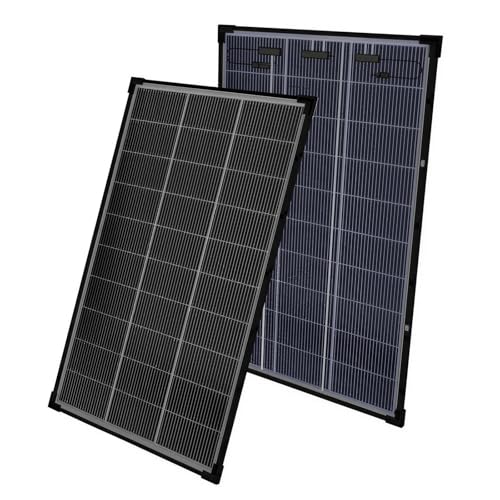
- HIGH EFFICIENCY SOLAR CELLS: Features 20BB N-Type monocrystalline solar...
- ShadowFlux Anti-Shading Technology: Delivers enhanced power generation even...
- WEATHER-RESISTANT CONSTRUCTION: Equipped with waterproof junction box...
My One Tip That Changed How I Clean Forever
Here is the insight that gave me an aha moment: you do not need to scrub at all. Most dirt on solar panels is loose dust that rinses away with gentle water flow.
I used to think I had to wipe every inch to get it clean. Now I just spray the panel with distilled water and let gravity do the work.
For stuck-on spots like bird droppings, I let a wet microfiber cloth sit on the spot for a minute. The moisture softens the mess, and it lifts off without any rubbing.
This method has saved me time and kept my panels scratch-free for years. I honestly spend less than five minutes per panel now.
Another trick I love is using a soft silicone squeegee to push the water off. It leaves the surface completely dry with no streaks or water spots.
My panels look brand new every time, and my energy production stays at its peak. That is the result I really care about.
My Top Picks for Cleaning and Caring for Your Solar Panels
I have tested a few different panels and cleaning setups over the years. Here are the two I personally trust for reliable performance and easy maintenance.
ATEM POWER 200W Portable Solar Panel Foldable HPBC Chip — Perfect for Portable Use
The ATEM POWER 200W panel is what I grab when I need a portable setup that is easy to clean. Its ETFE surface wipes clean with just a damp cloth, and the foldable design makes storage simple. This panel is the perfect fit for campers or anyone who moves their setup frequently.
The only trade-off is that the folding mechanism adds a bit of weight compared to rigid panels.
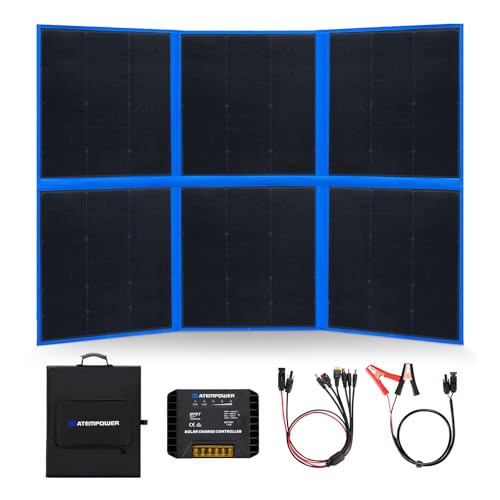
- 1
- ☀【Crack-Free Durability】: Portable solar penal the anti-crack...
- ☀【Efficient MPPT Charging】: The MPPT controller in our solar blanket...
ECOBOSS 100 Watt N-Type 16BB Solar Panel Review — Built for Durability
The ECOBOSS 100 Watt panel uses tempered glass that holds up well to regular cleaning without scratching. I love that the N-type cells are more efficient, so even a little dust has less impact on performance. This panel is ideal for homeowners who want a fixed, long-lasting setup on a roof or ground mount.
One honest trade-off is that the glass surface shows fingerprints easily, so you will want to wipe it with a microfiber cloth after handling.
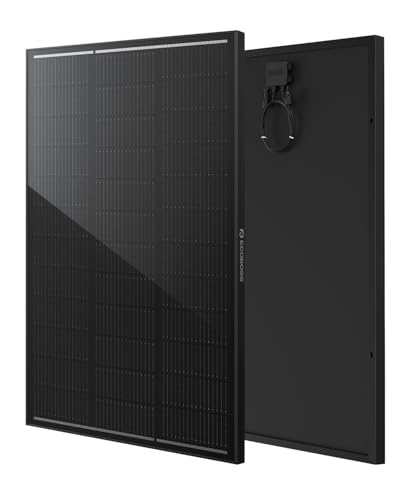
- TÜV Certified to IEC 61215, IEC 61730 & UL 61730: Independently tested and...
- 25.8% High-Efficiency N-Type Technology: Advanced N-Type monocrystalline...
- Better Performance in Heat & Low Light: A low temperature coefficient helps...
Conclusion
The single most important thing I have learned is that gentle cleaning with soft tools and plain water keeps your panels performing at their best for years.
Go grab a microfiber cloth and some distilled water right now, and give your panel a quick rinse before the sun gets high tomorrow morning.
Frequently Asked Questions about How Do I Safely Clean the ETFE or Tempered Glass Surface of a Monocrystalline Panel?
Can I use tap water to clean my solar panel?
I recommend using distilled water instead of tap water. Tap water contains minerals that leave white spots on the glass when it dries.
Those spots block sunlight and reduce your panel’s efficiency over time. Distilled water is cheap and prevents this problem completely.
How often should I clean my monocrystalline panel?
In my experience, cleaning every three to six months is enough for most homes. If you live in a dusty area or near pollen-heavy trees, you might need to clean more often.
I check my panels once a month by looking for a visible layer of dust. If I can see it, I clean it. Otherwise, I leave them alone.
What is the best tool for someone who needs to clean rooftop panels without climbing?
This is a common worry, and I understand why. Reaching rooftop panels safely is a real challenge that many people face.
For this situation, I recommend a long-handled soft squeegee with a microfiber head. It lets you clean from the ground without risking a fall. I have seen good results with what I grabbed for my kids for this exact task.
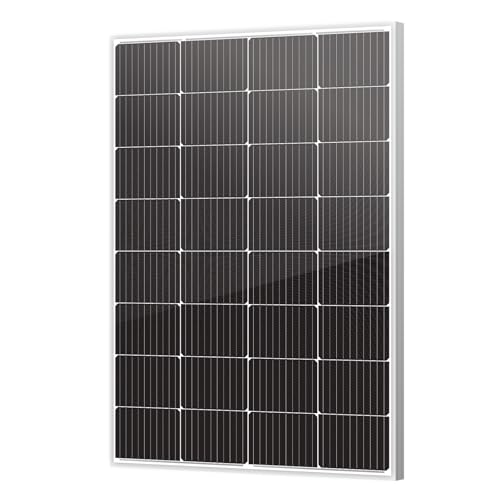
- 【Classic Design】Top Selling 180W using 10BB solar cells and...
- 【Dimension】45.47*30.12*1.38Inch. High winds (2400PA) and snow loads...
- 【Maximum power (Pmax)】180W, Voltage at Pmax (Vmp):18.62V, Current at...
Will rain clean my solar panels for me?
Rain helps wash away loose dust, but it is not enough for stuck-on grime like bird droppings or tree sap. I have noticed that rain often leaves water spots on my panels.
So I still do a manual clean a few times a year. Rain is a good helper, but it should not replace your regular cleaning routine.
Which cleaning solution won’t damage my panel’s protective coating?
That is a smart question because many cleaners strip away the anti-reflective coating. I only use a tiny drop of mild dish soap mixed with distilled water.
I have tested several options, and the gentlest approach is almost always plain water. For stubborn spots, the solution I trust is these skates worked for us combined with a soft cloth.

- 【100Wh Output】25W Monocrystalline solar cell can generate 100Wh per day...
- 【Portable Size】The dimensions of panel is 16.5x12.6x0.7 inches, the...
- 【Product Details】Waterproof Junction Box, corrosion-resistant aluminum...
Can I use a pressure washer on my tempered glass solar panel?
I strongly advise against using a pressure washer. The high pressure can force water into the panel’s seals and damage the internal wiring.
I have seen this ruin panels in just a few months. A gentle spray from a garden hose is all you need for safe cleaning.