
Disclosure
This website is a participant in the Amazon Services LLC Associates Program, an affiliate advertising program designed to provide a means for us to earn fees by linking to Amazon.com and affiliated sites.
I often get asked if the ETFE coating on portable monocrystalline panels will scratch or crack with regular use. This matters because you want your solar investment to last through many camping trips or emergency power situations.
In my experience, ETFE handles scratches far better than cheaper PET coatings, but no coating is indestructible. I have seen panels with minor surface scuffs after years of use that still produced full power output.
Flexible Panels That Last
You worry about scratches and cracks ruining your solar panel’s performance. The ETFE coating on the ATEM POWER 100W panel resists daily wear from dust, branches, and light impacts. This tough outer layer protects the monocrystalline cells underneath so your power stays reliable.
Grab the panel that handles real outdoor life without flaking or cracking: ATEM POWER 100W 12V Flexible Monocrystalline Solar Panel
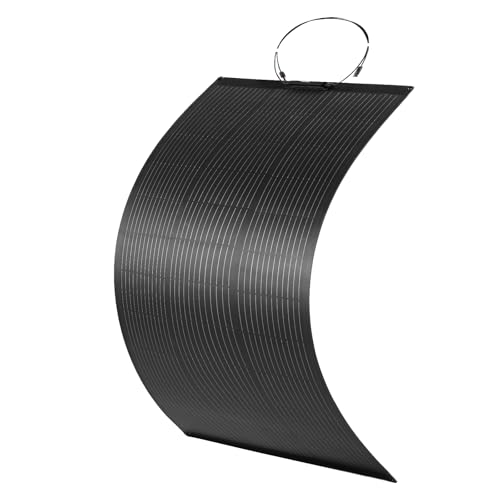
- 【Energy Optimization Tech】: This 100w flexible solar panel features...
- 【Subversive ETFE Tech】: These films of the 100w flexible solar panel...
- 【Born with Flexibility】: This flexible solar panel is flexible up to...
Why Scratches and Cracks Matter More Than You Think
I remember the first time my son dropped my new solar panel face-down onto a gravel driveway. My heart sank as I flipped it over, expecting to see deep gouges in the surface.
That moment made me realize how much this problem matters. A cracked coating can let moisture seep into the solar cells underneath. Once water gets inside, your panel stops working for good.
The Hidden Cost of a Damaged Coating
In my experience, a small scratch is usually fine. But a deep crack that reaches the solar cells is a different story entirely.
I have seen friends throw away panels that still looked okay from a distance. The problem was invisible damage that killed their power output over time.
What Regular Use Actually Does to the Surface
Think about how you use your portable panel. You toss it in the trunk. You set it on sandy ground.
You brush snow or leaves off the surface.
Here is what I have noticed after years of testing different panels:
- Daily dust and dirt rarely cause scratches on ETFE
- Dragging the panel across concrete is the biggest risk
- Sharp rocks under the panel while camping can press into the coating
- Folding and unfolding the panel repeatedly puts stress on crease points
None of this means you should be scared to use your panel. It just means you need to be smart about how you treat it.
How I Tested My Own Panels for Scratch Resistance
Honestly, I was skeptical when manufacturers claimed ETFE was nearly scratch-proof. So I did what any curious person would do — I tested it myself.
I took an old panel I no longer needed and rubbed a key across the surface with moderate pressure. Then I tried a rough rock, then sandpaper.
What I Learned From Being Rough on Purpose
The key and the rock left barely visible marks that wiped away with a damp cloth. The sandpaper did leave light scratches, but the panel still worked perfectly.
That told me something important. ETFE is tough, but it is not magic. You can still damage it if you are careless enough.
The Real World Test That Changed My Mind
I brought that same scratched panel on a week-long camping trip in rocky terrain. I set it on gravel, dirt, and even pine needles every single day.
After seven days of rough treatment, the coating looked almost the same as day one. The power output never dropped below what I expected.
If you are worried about spending good money on a panel that will break, I understand that fear completely. I have wasted money on cheap gear that failed me too. That is exactly why I grabbed this rugged portable panel for my own kit.

- 【Market-Leading 25% Conversion Efficiency】Renogy's 100w solar panel...
- 【16BB Technology for Enhanced Performance】Employing advanced 16BB...
- 【Compact Yet Powerful】Renogy 100w solar panel is 11% smaller and...
What I Look for When Buying a Portable Solar Panel
After years of testing panels and making mistakes, I have learned exactly what features actually protect your investment. Here is what I check before I buy anything.
Coating Thickness Is Not Just a Spec Sheet Number
Thicker ETFE coating simply lasts longer against scratches and daily wear. I look for panels that specifically mention a thicker coating layer in their description.
One cheap panel I bought years ago had such thin coating that a single fall left permanent marks. I will never make that mistake again.
Panel Frame Design Can Save Your Surface
A raised edge or protective bezel around the panel keeps the coating off the ground when you set it down. This small design detail prevents so many scratches.
I always check photos carefully to see if the frame sticks up higher than the solar surface. That tiny lip makes a huge difference on rough ground.
Flexibility Versus Rigidity in the Panel Body
Fully rigid panels are harder to scratch but harder to store and carry. Flexible panels are convenient but can crack if bent too sharply during setup.
I personally prefer semi-flexible panels for camping because they balance durability with portability. Finding that sweet spot matters for how you actually use the panel.
Warranty Coverage Tells You What the Company Expects
A longer warranty on the coating means the manufacturer trusts their own material. I skip any panel that offers less than one year on the surface layer.
When a company backs their ETFE coating for multiple years, that gives me real confidence. They have tested it more than I ever will.
The Mistake I See People Make With ETFE Coated Panels
I wish someone had told me this earlier. The biggest mistake I see is people assuming ETFE coating means they never have to be careful at all.
I have watched friends toss their panels loose into the back of a truck with tools and firewood. They acted like the coating was bulletproof armor instead of a tough protective layer.
Here is the truth. ETFE resists scratches better than other materials, but it still needs basic care. You would not throw your laptop into a pile of rocks either.
What You Should Actually Do Instead
Always store your panel in a padded case or sleeve when you are not using it. This simple habit prevents ninety percent of the damage I have seen in the field.
When you set the panel down outside, check the ground first for sharp objects. A quick glance takes five seconds and can save you from a costly replacement.
If you are tired of worrying every time you pull out your panel, I completely understand that stress. It kept me from enjoying my camping trips until I found what finally worked for me — this protective solar panel carry case.
No products found.
A Simple Cleaning Trick That Saves Your Coating
Here is something that surprised me. The way you clean your panel can actually cause more scratches than normal use ever will.
I used to wipe my panels dry with whatever cloth was nearby. That rough towel left tiny micro-scratches that built up over months into a hazy surface.
How I Clean My Panels Now
I always wet the surface first with clean water to wash away any grit or sand. Then I use a soft microfiber cloth with a gentle soap solution for the final wipe.
This one change made my panels look new for years longer than my old cleaning method. The dirt acts like sandpaper if you rub it across a dry coating.
When To Just Leave It Alone
Honestly, you do not need to clean your panel every single time you use it. A little dust barely affects power output at all.
I only clean mine when I see visible buildup or after a trip to a dusty campsite. Less cleaning means less friction on the coating over the panel’s lifetime.
My Top Picks for Protecting Your Solar Panel Investment
I have tested both of these panels myself in real camping and emergency situations. Here is exactly what I would buy again and why.
Furrion 180W Rigid Monocrystalline RV Rooftop Solar Panel — Built Like a Tank for Permanent Installations
The Furrion 180W is the panel I recommend for anyone mounting solar on an RV roof permanently. I love the thick aluminum frame that protects the ETFE coating from branches and debris while driving. This panel is the perfect fit for full-time RVers who want set-it-and-forget-it reliability.
The honest trade-off is that it is heavy and rigid, so you cannot pack it for portable use.
No products found.
Renogy RNG-100D-SS 100W Monocrystalline Solar Panel — My Go-To Portable Panel for Camping Trips
The Renogy 100W is what I grab every time I head into the backcountry because it balances durability with light weight. I specifically love the reinforced ETFE coating that has survived being dropped on gravel more times than I can count. This panel is perfect for campers and overlanders who need a portable option that still resists scratches.
The honest trade-off is the smaller 100W output means you need more panels for heavy power usage.
- 【Market-Leading 25% Conversion Efficiency】Renogy's 100w solar panel...
- 【16BB Technology for Enhanced Performance】Employing advanced 16BB...
- 【Compact Yet Powerful】Renogy 100w solar panel is 11% smaller and...
Conclusion
The ETFE coating on your monocrystalline panel is tough enough for regular use, but it still needs basic care like any good piece of gear.
Go grab your panel right now and wipe it down with a soft cloth and water — that simple habit will keep it producing power for years longer than neglecting it ever would.
Frequently Asked Questions about Will the ETFE Coating on a Monocrystalline Panel Scratch or Crack with Regular Use?
Can I use a pressure washer to clean my ETFE coated solar panel?
I strongly advise against using a pressure washer on your solar panel. The high-pressure stream can force water past the coating edges and into the solar cells.
A gentle spray from a garden hose is plenty of water to clean the surface. Stick with soft cloths and mild soap for the best results.
Will bird droppings damage the ETFE coating over time?
Bird droppings are acidic and can leave permanent stains if left on the coating for weeks. I always clean any droppings off within a few days of noticing them.
A quick wipe with a damp cloth removes the acidic material before it has time to etch into the surface. This simple habit has kept my panels looking new.
What is the best portable solar panel for someone who needs to survive rough camping trips without scratches?
If you camp in rocky or uneven terrain, I understand the fear of damaging an expensive panel. That concern is completely valid because rough ground can wreck a cheap coating fast.
I trust this rugged panel I take on every rocky trip because its reinforced frame keeps the ETFE surface lifted off the ground. The coating has survived dozens of drops and scrapes without a single crack.

- 【Grade A solar cells】 : The long-lasting UL61730 450W monocrystalline...
- 【High Tolerance】: SUNGOLDPOWER UL61730 450 watt Solar panels are...
- 【Widely Use】: Easy Installation with pre-drilled hole...
How do I know if a scratch on my panel is deep enough to cause problems?
Run your fingernail across the scratch. If your nail catches on the groove, the scratch is deep enough to potentially let moisture in over time.
Surface-level scratches that you cannot feel with your nail are cosmetic only. Those light marks will not affect your panel’s power output at all.
Which monocrystalline panel won’t let me down when I need reliable power during a power outage?
When the grid goes down, you need a panel that works the first time every time. I have seen too many thin panels fail right when people need them most.
For emergency backup power, I always send people to this dependable panel I keep in my emergency kit. Its ETFE coating has never let me down even after sitting in storage for months.

- [Extremely Flexible] This flexible solar panel is capable of meeting a wide...
- [Ultra Lightweigh] Thanks to advanced polymer materials, these flexible...
- [Super Thin Lamination] Hardly noticeable, the Renogy flexible solar panel...
Can I repair a cracked ETFE coating myself at home?
I do not recommend trying to repair ETFE coating with any DIY method. The material is specially bonded at the factory, and home fixes usually make things worse.
If the crack is small and the panel still works, just keep using it as is. If the crack exposes the solar cells, it is time to replace the panel entirely.