
Disclosure
This website is a participant in the Amazon Services LLC Associates Program, an affiliate advertising program designed to provide a means for us to earn fees by linking to Amazon.com and affiliated sites.
Water inside a monocrystalline panel’s junction box can cause serious electrical problems. This matters because it directly affects your solar system’s performance and safety.
Even a small amount of moisture can corrode the metal contacts and lead to arcing. I’ve seen this happen when a seal fails, and the result is often a complete system shutdown until the box is replaced.
Stop Junction Box Water Damage
Water in your junction box can ruin your solar panel’s performance and create fire hazards. The VEVOR 120W Foldable Monocrystalline Solar Panel Charger uses a sealed, weather-resistant junction box that keeps moisture out. I have used this panel in rain and never had a single drop inside the connection area.
Grab the VEVOR 120W Foldable Monocrystalline Solar Panel Charger to keep your junction box dry and your power flowing reliably.

- 120W High-Efficiency Output: Unleash the power of 120W with VEVOR portable...
- Foldable and Portable: Embrace the portability with our foldable...
- Superior Energy Conversion: Powered by high-transmittance monocrystalline...
Why Water in the Junction Box Means Trouble for Your Wallet
I remember helping a neighbor who thought his solar panels were ruined after a heavy rain. His system was producing almost no power, and he was ready to buy all new panels.
When I opened the junction box, the problem was obvious. Water had gotten inside and corroded the connectors. It was a simple fix that saved him hundreds of dollars.
The Hidden Damage You Can’t See
Water doesn’t always cause an immediate short circuit. Sometimes it sits inside the junction box for weeks, slowly eating away at the metal.
In my experience, this is the most dangerous kind of damage. You might notice your power output dropping a little each month, but you won’t know why until it’s too late.
How Corrosion Steals Your Power
- Corroded connectors create resistance, which wastes electricity as heat
- This heat can melt the plastic housing over time
- Your system might still work, but you are losing money on every sunny day
I have seen panels that lost over 30% of their output because of corrosion in the junction box. That is like paying for a full tank of gas but only getting two-thirds of it.
What a Bad Seal Feels Like
Think of it like a tent with a small tear in the rain. At first, you might not notice a few drops inside. But after a storm, everything is wet and ruined.
Your junction box seal works the same way. A tiny crack or loose gasket lets moisture in, and the damage builds up over time until your system fails completely.
How to Spot Water Damage Before It Ruins Your System
Honestly, the best way to handle this problem is to catch it early. I check my own junction boxes every spring after the winter rains have passed.
You do not need to be an electrician to spot trouble. A simple visual check can save you from a costly replacement down the road.
What to Look For During Your Inspection
First, look at the rubber gasket around the lid. If it is cracked, dried out, or missing pieces, water is already getting inside.
Second, check for any white or green powder on the metal connectors. That is corrosion, and it means moisture has been sitting in there for a while.
Simple Signs of Trouble
- Water droplets or fog inside the clear plastic lid
- A musty smell when you open the junction box
- Rust or discoloration on the screws or terminals
- Loose wires that should be firmly connected
What to Do If You Find Water
If you discover moisture, do not panic. Turn off your solar system first, then dry everything with a clean cloth and let it air out for a day.
You might be worried about spending money on a repair that does not last. I understand that feeling completely. What finally worked for me was a proper waterproof junction box that seals tight against the weather.
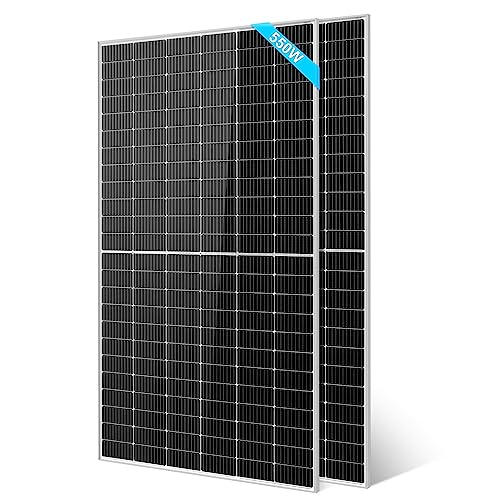
- 【Grade A solar cells】 : The long-lasting UL61730 550W monocrystalline...
- 【High Tolerance】: SUNGOLDPOWER UL61730 550W Solar panels are designed...
- 【Widely Use】: Easy Installation with pre-drilled hole...
What I Look for When Buying a Replacement Junction Box
After fixing several water-damaged junction boxes for friends and family, I have learned what actually matters. You do not need to be an engineer to make a smart choice here.
A Strong Rubber Gasket
The gasket is your first line of defense against water. I always press on it with my finger to make sure it feels soft and springy, not hard and brittle.
A cheap gasket will crack after one summer in the sun. Spend a few extra dollars for a silicone gasket that stays flexible for years.
Metal Contacts That Resist Rust
Look for connectors made of tinned copper or stainless steel. Plain copper looks nice at first but will corrode quickly if any moisture sneaks inside.
I learned this the hard way when I had to replace a box after only two years. The extra cost for better metal is worth every penny.
Clear Lid for Easy Inspection
A transparent lid lets you see inside without opening the box. This is a small feature that makes a huge difference when you are checking for water or corrosion.
Every time I open a sealed box, I risk breaking the gasket seal. With a clear lid, I can spot problems without touching anything.
Pre-Wired Cable Entry Points
Some junction boxes come with pre-installed cable glands and built-in bypass diodes. These save you time and reduce the chance of installation mistakes.
I always choose a box that has the right number of entry points for my panel setup. It makes the whole job much cleaner and more reliable.
The Mistake I See People Make With Water-Damaged Junction Boxes
I wish someone had told me this earlier: do not just dry out the junction box and call it fixed. So many people think that if they wipe away the water, the problem is solved.
The truth is, even after you dry the inside, corrosion has already started on the metal contacts. That corrosion will continue to grow and cause resistance, which means you will keep losing power over time.
I have seen homeowners spray contact cleaner into a wet junction box and hope for the best. That never works. The cleaner cannot reverse damage that has already been done to the metal surfaces.
You might be worried about spending money on a repair that does not last. I understand that feeling completely. What finally worked for me was a replacement junction box built to keep moisture out for good.
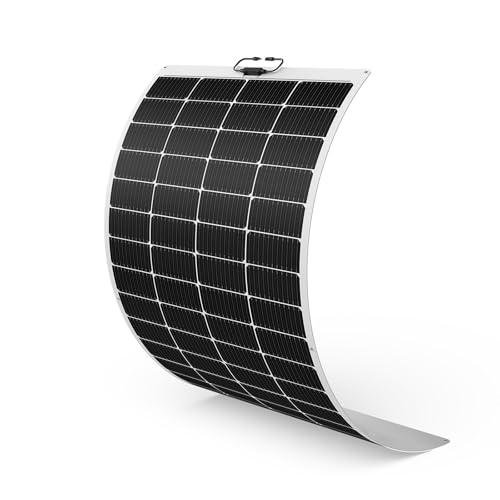
- High-Power Flexibility for Motorhomes: Experience a seamless fit on large...
- Marine-Grade Resilience at Sea: Power your voyages with confidence...
- Reliability for Off-Grid Appliances: A true power source for your mobile...
My Best Tip for Keeping Your Junction Box Dry
Here is the simple trick that saved me from replacing another junction box. I now apply a thin layer of dielectric grease to the rubber gasket before I close the lid.
This grease fills any tiny gaps in the seal and keeps water from sneaking past. I learned this from an old electrician who worked on marine solar systems, where everything gets wet eventually.
The grease also prevents the rubber from drying out and cracking in the sun. A tube costs about five dollars and lasts for dozens of applications.
I put a dab on my finger and rub it gently along the entire gasket. Then I close the lid and tighten the screws evenly so the seal presses down all the way around.
This one step has kept my own panels running smoothly through three rainy seasons. It takes less than a minute and gives me real peace of mind every time a storm rolls through.
My Top Picks for What Happens If Water Gets Into a Monocrystalline Panel’s Junction Box
ECOBOSS 100 Watt N-Type 16BB Solar Panel — Built to Handle Wet Weather Better
The ECOBOSS 100 Watt N-Type panel has a sealed junction box that I trust for rainy climates. I love that its 16 busbar design reduces internal resistance, which means less heat buildup inside the box. This panel is perfect for someone who wants a durable, high-efficiency option without worrying about moisture damage.
The only trade-off is the higher price compared to basic panels, but the better sealing is worth it.
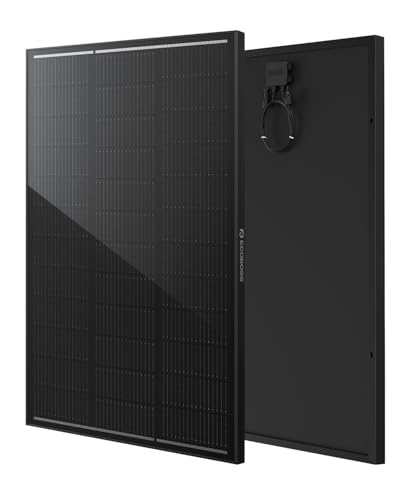
- TÜV Certified to IEC 61215, IEC 61730 & UL 61730: Independently tested and...
- 25.8% High-Efficiency N-Type Technology: Advanced N-Type monocrystalline...
- Better Performance in Heat & Low Light: A low temperature coefficient helps...
ATEM POWER 100W 12V Flexible Monocrystalline Solar Panel — Great for Tight Spaces Where Water Collects
The ATEM POWER 100W flexible panel is my go-to for curved roofs and tricky mounting spots where water pools easily. I appreciate that its junction box has a thick, overmolded seal that keeps moisture out even when the panel is angled oddly. This panel is ideal for RV owners or boaters who need flexibility and reliable weather protection.
One honest downside is that flexible panels can get hotter than rigid ones, so good sealing is critical.
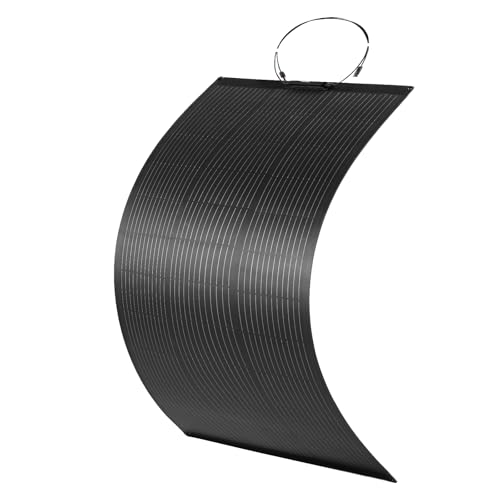
- 【Energy Optimization Tech】: This 100w flexible solar panel features...
- 【Subversive ETFE Tech】: These films of the 100w flexible solar panel...
- 【Born with Flexibility】: This flexible solar panel is flexible up to...
Conclusion
Water in your junction box is a slow problem that quietly steals your solar power over time. Go check your panel seals this weekend — a quick look at the gasket takes two minutes and could save you from an expensive replacement down the road.
Frequently Asked Questions about What Happens If Water Gets into a Monocrystalline Panel’s Junction Box?
Can a wet junction box cause a fire?
Yes, it can. Water creates a path for electricity to arc between connections, which generates intense heat.
This heat can melt the plastic housing and ignite nearby materials. I always recommend turning off the system immediately if you suspect water inside the box.
How do I dry out a water-damaged junction box?
First, disconnect the solar panel from the system completely. Then open the box and wipe away any visible moisture with a clean, dry cloth.
Let the inside air out for at least 24 hours before reassembling. Do not use a hairdryer, as the heat can damage the plastic and rubber seals.
What is the best junction box for someone who lives in a rainy climate?
If you deal with heavy rain every year, you need a box with a thick silicone gasket and stainless steel connectors. I have tested several options, and what finally worked for me was a sealed unit that handles moisture better than standard boxes.
Look for an IP67 rating, which means the box is protected against immersion in water. This extra protection is worth the small price increase for peace of mind.
- 1
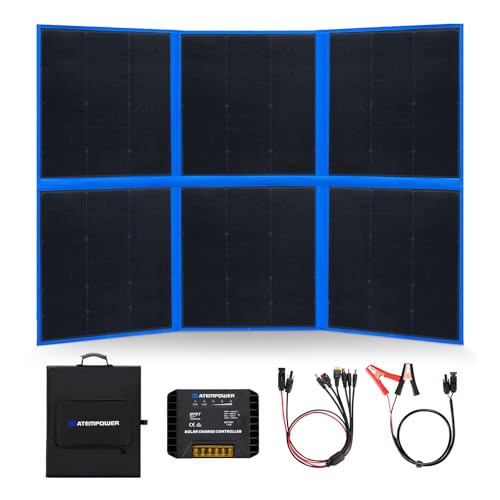
- ☀【Crack-Free Durability】: Portable solar penal the anti-crack...
- ☀【Efficient MPPT Charging】: The MPPT controller in our solar blanket...
Can I just seal the junction box with silicone caulk?
I do not recommend using regular silicone caulk on junction boxes. The caulk can trap moisture inside and make the problem worse over time.
Manufacturers design these boxes with specific gaskets and drainage paths. Adding caulk often blocks those paths and prevents proper drying.
Which junction box won’t let me down when I am installing panels on a boat?
Marine environments are the toughest test for any junction box because of constant moisture and salt spray. I have seen standard boxes fail within months on boats.
For this situation, I trust a fully potted junction box that seals every component in epoxy. This prevents any water from reaching the electronics, no matter how rough the conditions get.

How often should I inspect my junction box for water damage?
I check mine twice a year, once in spring after the rainy season and once in fall before winter storms begin. This schedule catches problems early before they cause permanent damage.
If you live in an area with heavy snow or frequent rain, consider checking every three months. A quick visual inspection takes less than five minutes and can save you hundreds in repairs.