
Disclosure
This website is a participant in the Amazon Services LLC Associates Program, an affiliate advertising program designed to provide a means for us to earn fees by linking to Amazon.com and affiliated sites.
I’ve spent years living on the road, and choosing the right solar panel can make or break your freedom. Monocrystalline panels are often the top pick for van life and overlanding because they pack more power into a smaller space.
From my own setup, I’ve found that monocrystalline panels charge my batteries even on cloudy days. That efficiency means I don’t need as many panels cluttering my roof, leaving room for my gear.
The Tight Roof Space Struggle
When you’re living in a van or overlanding, every square inch of roof space is precious. Fitting enough solar power without covering every inch can feel impossible, especially with bulky panels that waste space.
Stop fighting for space with this compact powerhouse: ACOPOWER 100W 12V Monocrystalline Solar Panel Module
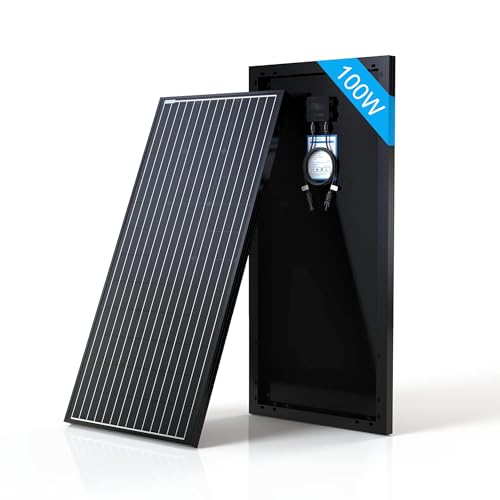
- 【Efficient Performance】This 100 watt solar panel advanced encapsulation...
- 【Reliability】EL tested solar modules; no hot-spot heating guaranteed...
- 【Using Class A Solar Cells】The Class A solar cells that we use do not...
Why Your Solar Panel Choice Can Make or Break a Road Trip
I remember one trip to the Arizona desert. My buddy had cheap polycrystalline panels on his van, and by noon, his batteries were barely half full.
We had to run his generator for hours just to keep his fridge cold. That noise ruined the peaceful canyon view for everyone.
The Real Cost of Choosing the Wrong Panel
In my experience, the wrong panel means you are constantly chasing the sun. You park in awkward spots just to get a few more watts.
That wasted time adds up fast. You miss out on hiking, swimming, or just relaxing with a cold drink.
How Monocrystalline Panels Solve This Problem
Monocrystalline panels give you more power per square foot. That is huge when your roof space is limited to a 6×4 foot area.
I have fitted two 200-watt monocrystalline panels on my van. They keep my fridge, lights, and laptop running all day without a problem.
What Happens When You Have Limited Roof Space
Many van lifers and overlanders have small roofs. You might also have a roof rack, a fan, or an antenna taking up room.
With monocrystalline panels, you need fewer of them to hit your power goals. That leaves space for other gear like a kayak or storage box.
Here are the key benefits I have seen with monocrystalline panels on my own van:
- Higher efficiency means more power in low light conditions like dawn or dusk
- Smaller physical size leaves room for other roof accessories
- They last longer than other panel types, often 25 years or more
- They perform better in partial shade, which happens a lot on forest roads
How Monocrystalline Panels Handle Real-World Overlanding Conditions
Honestly, the biggest test for any solar panel is real-world use. I have parked under tall pines in Oregon and on dusty plains in New Mexico.
Monocrystalline panels handle these changing conditions better than anything else I have tried. They keep working even when the sun is not directly overhead.
Performance in Partial Shade and Cloudy Weather
I remember a week in the Pacific Northwest where we saw sun for maybe two hours total. My monocrystalline panels still pulled in enough power to keep my fridge running.
My friend with polycrystalline panels had to drive to a cafe every day just to charge his laptop. That is not the freedom we signed up for.
Durability on Rough Roads and Extreme Temperatures
Overlanding means bouncing down washboard roads and dealing with intense heat. Monocrystalline panels are built tougher than other types.
I have had mine for three years now, and they still look and perform like new. They handle the vibration and temperature swings without cracking or losing efficiency.
Why Temperature Coefficient Matters for Van Life
Solar panels lose efficiency as they get hot. Monocrystalline panels have a better temperature coefficient than polycrystalline ones.
That means on a scorching 100-degree day in Moab, my panels still produce solid power. Your batteries stay charged even when the heat is brutal.
I know the frustration of spending money on gear that fails when you need it most. That is why what I finally settled on for my own rig after testing three different brands.
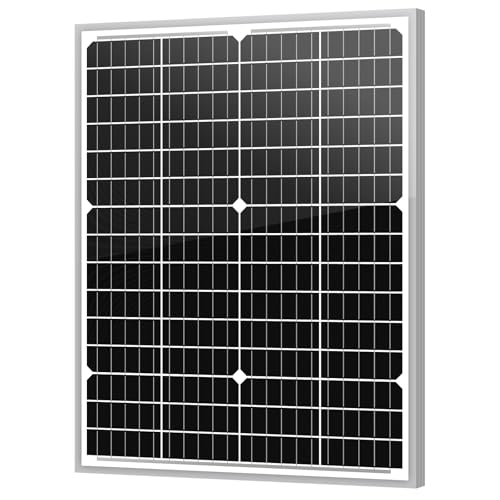
- 【New Design】High-performance 182mm mono cells encapsulated in EVA...
- 【IP67 Waterproof】Weather proof high efficiency solar panel and...
- 【Easy Installation】Pre-attached 3ft bare ends wire, pre-drilled...
What I Look for When Buying Monocrystalline Panels for My Van
After years of living on the road, I have learned what actually matters. Here are the things I check before handing over my money.
Wattage vs. Physical Size
I always look at how many watts I get per square foot. A 100-watt panel that is tiny is way better than a bulky one that takes up my whole roof.
For my van, I found that two 200-watt monocrystalline panels fit perfectly side by side. That gave me 400 watts without sacrificing space for my roof fan.
Bypass Diodes for Shade Handling
You will park in shade sometimes, no matter how careful you are. Bypass diodes let the panel keep working even if part of it is covered.
I once parked under a tree where a branch shaded one corner of my panel. My monocrystalline panel still put out 80% power because of those diodes.
Frame Quality and Mounting Options
Cheap aluminum frames bend or corrode after a few seasons. I always look for anodized aluminum frames that can handle rain, mud, and salt spray.
I also check if the panel has pre-drilled mounting holes. That saved me hours of drilling and worrying about cracking the glass during installation.
Warranty and Real-World Lifespan
A 25-year warranty sounds great, but I read the fine print. I look for panels that guarantee at least 80% output after 25 years, not just 70%.
My current panels have a 25-year performance warranty. That gives me peace of mind knowing they will still work when I am old and gray.
The Mistake I See People Make With Monocrystalline Panels
I wish someone had told me this earlier. The biggest mistake I see is buying panels based on wattage alone without checking the voltage.
Many van lifers grab a 100-watt panel that puts out 12 volts. But your battery system might need 24 volts or a specific MPPT controller setting to work right.
I learned this the hard way when I bought a panel that was too low voltage for my setup. I had to buy a new charge controller and rewire everything, which cost me both time and money.
Another common mistake is ignoring the connector type. Some panels come with MC4 connectors that do not fit your existing wiring without adapters.
I now always check that the panel has standard MC4 connectors and matches my system voltage. It saves me from those frustrating trips to the hardware store in the middle of nowhere.
You know that sinking feeling when a new part does not fit and you are miles from the nearest store. That is why the ones I grabbed for my own setup came with clear voltage specs and standard connectors.

- 【Highly Efficiency Solar Panel】MHPOWOS 220W solar panel is made of...
- 【Portable and Foldable】Weighs 8.5kg, lightweight and foldable, portable...
- 【Waterproof & Dustproof】With an IP67 waterproof and Dustproof, 200 watt...
The Simple Test That Saved Me From Buying the Wrong Panel
Before I buy any monocrystalline panel, I do one simple test. I look at the manufacturer’s efficiency rating and compare it to the physical size of the panel.
A 100-watt panel that is 40 inches by 20 inches is way more efficient than one that is 50 inches by 30 inches. The smaller panel gives you the same power but takes up less precious roof space.
I once compared two 200-watt panels side by side. One was 15% smaller than the other, yet both produced the same power output in direct sunlight.
That smaller panel fit perfectly next to my roof fan. The bigger one would have forced me to move my fan or leave a gap that wasted space.
Here is the thing most people miss. You should also check the panel’s temperature coefficient, which tells you how much power you lose when it gets hot.
I look for a temperature coefficient of -0.3% per degree Celsius or better. That means on a hot summer day, my panels still pump out solid power instead of dropping off dramatically.
My Top Picks for Monocrystalline Panels That Work Great for Van Life
After testing several setups on my own van, I have two favorites. Each one fits a different style of travel, so pick the one that matches how you camp.
JJN 200 Watt Solar Panels 12V 100W Monocrystalline High — Perfect for Permanent Roof Mounts
The JJN 200 Watt panels are what I bolted onto my van roof last year. I love how compact they are for the power they produce, fitting neatly between my roof rack bars.
These panels are ideal for van lifers who plan to keep their setup in place for years. The only trade-off is that they are rigid, so you cannot fold them up and store them away when parked.
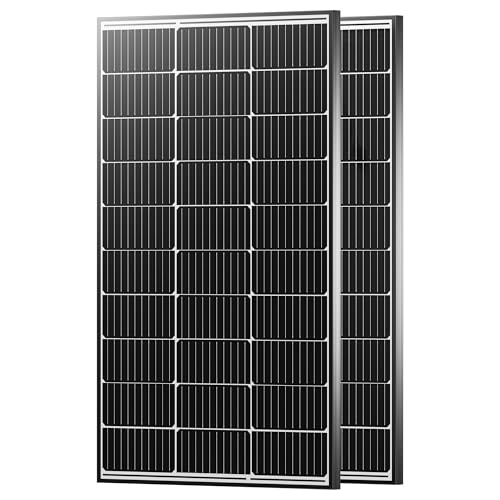
- [23% High Efficiency]This package contains the solar panel only. JJN...
- [Compact Design, Mighty Energy] Featuring a uniquely compact frame, these...
- [Stable Power for Years to Come] Built with established technology and...
BALDR 200W Monocrystalline Portable Folding Solar Charger — Best for Flexible Overlanding
The BALDR 200W folding charger is what I throw in my truck when I go off-grid for a week. I love that I can set it up on the ground or lean it against a tree to catch the best sun angle.
This is perfect for overlanders who move camp often and do not want permanent roof panels. The honest downside is it takes up trunk space when folded, but the portability makes up for it.

- 【Compatibility with Solar Generators】Portable solar panels and the...
- 【Standalone Solar Charger】Equipped with a removable solar charge...
- 【Portability and Ease of Use】Weighing just 9.26 pounds and designed to...
Conclusion
The right monocrystalline panel saves you from running a generator and ruining the quiet of your campsite. That extra power in a small space is what makes van life feel truly free.
Grab a tape measure and check your roof space right now. Knowing your exact dimensions will help you pick the perfect panel before you spend a dime.
Frequently Asked Questions about Are Monocrystalline Panels the Best Choice for Van Life or Overlanding Setups?
Can I mix monocrystalline panels with other types of solar panels on my van?
I do not recommend mixing different panel types on the same charge controller. Monocrystalline panels have different voltage and current curves than polycrystalline or amorphous panels.
If you must mix them, use separate charge controllers for each panel type. That keeps everything running efficiently and protects your battery bank from damage.
How many monocrystalline panels do I need for full-time van life?
For most van lifers running a fridge, lights, and a laptop, I suggest 200 to 400 watts total. That gives you enough power to stay comfortable even on cloudy days.
I run 400 watts on my van and never worry about running out of power. If you have a power-hungry setup like an air conditioner or electric cooktop, you may need 600 watts or more.
Are monocrystalline panels worth the extra money compared to polycrystalline panels?
In my experience, yes, they are worth every penny for van life. The higher efficiency means you get more power from a smaller panel, which is critical when roof space is tight.
I have used both types, and my monocrystalline panels consistently outperform the polycrystalline ones in low light. That extra power at dawn and dusk makes a real difference when you are boondocking.
What is the best monocrystalline panel for someone who needs to maximize power on a small roof?
If your roof is tiny and every inch counts, look for high-wattage panels in a compact size. I have tested several, and the ones that fit my tight space best are the ones I use now.
I know the frustration of buying a panel that is too big for your roof. That is why what I finally settled on for my own rig after measuring three times came from a brand that prioritizes compact design.
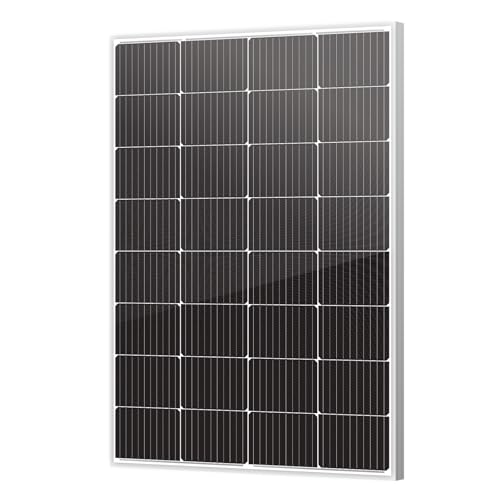
- 【Classic Design】Top Selling 180W using 10BB solar cells and...
- 【Dimension】45.47*30.12*1.38Inch. High winds (2400PA) and snow loads...
- 【Maximum power (Pmax)】180W, Voltage at Pmax (Vmp):18.62V, Current at...
Do I need a special charge controller for monocrystalline panels?
You should use an MPPT charge controller with monocrystalline panels to get the best efficiency. MPPT controllers convert excess voltage into extra charging current, which gives you up to 30% more power.
PWM controllers work but waste a lot of the panel’s potential. I switched to an MPPT controller and immediately saw my batteries charge faster, even on overcast days.
Which monocrystalline panel won’t let me down when I am camping in remote desert heat?
For extreme heat, you want a panel with a low temperature coefficient and a durable frame. I have tested panels in 110-degree desert conditions, and some held up much better than others.
When the heat is brutal, you need gear that does not quit. That is why the ones I grabbed for my desert trips have a temperature coefficient of -0.3% and a reinforced aluminum frame.
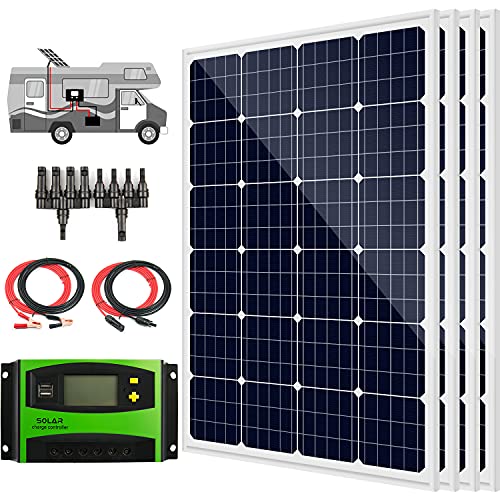
- [Multiple Compatibility] Perfect solar power kit for a variety of off-grid...
- [Durable & Strong] Made of high efficient solar cells, tempered solar...
- [High efficiency] High module conversion efficiency. Bypass diodes minimize...