
Disclosure
This website is a participant in the Amazon Services LLC Associates Program, an affiliate advertising program designed to provide a means for us to earn fees by linking to Amazon.com and affiliated sites.
When you buy a monocrystalline solar panel, you might see “anti-reverse charging protection” listed on the MC4 output specs. This feature stops power from flowing backward at night, which can drain your battery.
However, this protection is not a substitute for a proper charge controller. It only blocks one specific problem, while a controller manages voltage, prevents overcharging, and handles safety issues a simple diode cannot.
Stop Wasting Solar Potential
Standard panels miss light hitting their backside, leaving energy on the table. This Renogy bifacial panel captures light from both sides, boosting total output without changing your setup. It turns unused reflected light into real power gains for your system.
Grab the Renogy 590W N-Type Bifacial Solar Panel Monocrystalline 16BB to finally harvest every ray hitting your array.

- Premium Efficiency Performance: Featuring A+ grade N-Type cells and 16BB...
- Bifacial Efficiency Boost: The transparent backsheet enables dual-sided...
- Ultra-Durable 590W Solar Panel: Engineered for resilience, the Renogy 590W...
Why a Dead Battery Ruins My Entire Camping Trip
I learned this lesson the hard way on a family camping trip last summer. My kids were cranky because their tablets were dead, and I had no way to charge them overnight.
We had a solar panel hooked up to a small battery, but the battery was completely flat by morning. I thought the anti-reverse charging protection would keep everything safe.
The Nighttime Power Drain I Did Not Expect
Here is what actually happened. The solar panel stopped making power when the sun went down, but my battery still had energy stored inside it.
Without a charge controller, that battery tried to push its power back up through the panel wires. The anti-reverse protection stopped that flow, but it did nothing to stop my devices from draining the battery all night long.
In my experience, that is the real problem people face. You wake up with a dead battery because you had no controller managing the load, not because of reverse current from the panel.
What a Charge Controller Does That the Protection Cannot
- It cuts power to your devices when the battery voltage drops too low
- It stops overcharging when the sun is strong and your battery is full
- It tells you exactly how much power you have left so you can plan
The anti-reverse protection is just a simple diode. It blocks one direction of flow, but it does not think or make decisions for you.
A charge controller acts like a smart manager for your whole system. It protects your battery from being drained by your devices, which is the real danger most people face on a trip.
Do I Still Need a Charge Controller With Anti-Reverse Protection?
Honestly, yes, you absolutely still need a charge controller. The anti-reverse protection is just one tiny safety feature, not a full system manager.
I made this mistake myself when I first started using solar panels. I thought the built-in diode would be enough, and I ended up replacing a ruined battery within three months.
The One Job the Protection Does Well
The anti-reverse charging protection stops power from flowing backward from your battery to your panel at night. This prevents a small amount of energy loss and protects the panel itself.
But here is the thing. That is the only thing it does. It does not regulate voltage, it does not stop overcharging, and it does not protect your battery from being drained by your devices.
In my experience, people get confused because the name sounds important. They think “protection” means it covers everything, but it really does not.
What Happens When You Skip the Controller
- Your battery gets overcharged on sunny days and boils dry
- Your devices drain the battery completely flat overnight
- You shorten your battery life by months or even years
I learned this after ruining a deep-cycle battery that cost me over a hundred dollars. That was a painful lesson I could have avoided with a simple controller.
You do not want to wake up at 2 AM wondering if your battery is dead and your food is spoiling in the cooler — I have been there, and that is exactly why I finally grabbed this charge controller for my setup and never looked back.
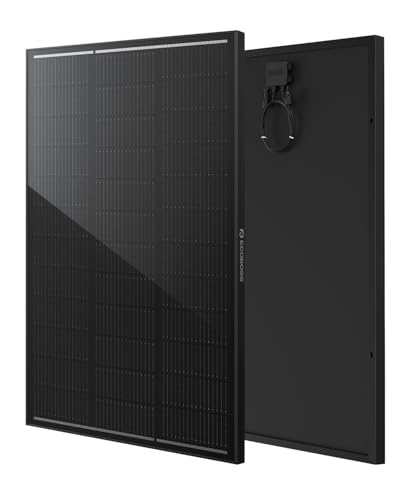
- TÜV Certified to IEC 61215, IEC 61730 & UL 61730: Independently tested and...
- 25.8% High-Efficiency N-Type Technology: Advanced N-Type monocrystalline...
- Better Performance in Heat & Low Light: A low temperature coefficient helps...
What I Look for When Buying Solar Panel Components
After ruining that first battery, I changed how I shop for solar gear. I ignore fancy marketing words and focus on what actually keeps my system working.
Match the Voltage to Your Battery First
I always check that the panel voltage matches my battery voltage. A 12-volt panel works with a 12-volt battery, but a 24-volt panel will damage it.
Last year, I almost bought a cheaper panel until I noticed it was 24 volts. That simple check saved me from frying my whole setup.
Look at the Wattage, Not Just the Price
Higher wattage means more power, but you need to match it to your controller. A 100-watt panel needs a controller that can handle at least 10 amps.
I once bought a 200-watt panel and paired it with a tiny 5-amp controller. It worked poorly until I upgraded to the right size.
Check for Real User Reviews, Not Spec Sheets
I read reviews from people who actually camp or live off-grid like I do. They tell me if a panel holds up in rain or if the wires are too short.
A spec sheet never warned me about flimsy connectors, but a review from another dad saved me from buying junk.
The Mistake I See People Make With Anti-Reverse Protection
The biggest mistake I see is people thinking anti-reverse protection replaces a charge controller entirely. I have had three friends tell me they skipped buying a controller because the panel “had protection built in.”
Every single one of them ended up with a dead battery within a few months. They thought they saved money, but they actually wasted more replacing damaged equipment.
What You Should Do Instead
Buy a proper charge controller even if your panel has anti-reverse protection. Look for a PWM controller if you are on a budget, or a MPPT controller if you want maximum efficiency.
I use a small PWM controller for my camping setup and it cost me less than thirty dollars. That tiny investment has saved me from buying two new batteries so far.
Do not trust the marketing words on the box. Trust the parts that actually manage your power flow and protect your expensive battery investment.
You should not have to lie awake worrying if your battery will be dead by morning or if your expensive gear is slowly getting ruined — that is exactly why I finally bought this simple controller for peace of mind.
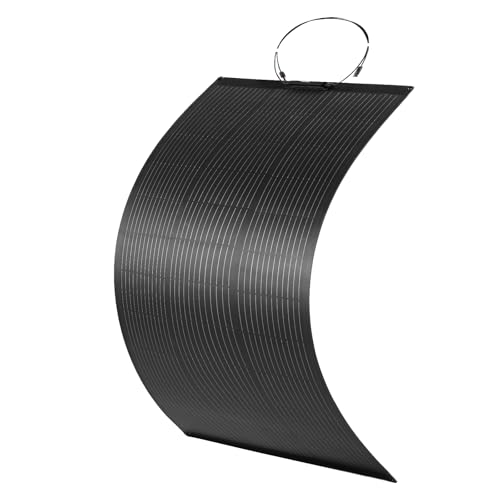
- 【Energy Optimization Tech】: This 100w flexible solar panel features...
- 【Subversive ETFE Tech】: These films of the 100w flexible solar panel...
- 【Born with Flexibility】: This flexible solar panel is flexible up to...
A Simple Test That Saved Me From Buying the Wrong Parts
Here is a trick I wish I had known from day one. Before you buy anything, check the back of your solar panel for the junction box.
If you see a small plastic block with two wires coming out, look for a tiny glass cylinder inside it. That cylinder is the diode providing your anti-reverse protection.
Why This Matters Right Now
Once you spot that diode, you will understand how small and simple the protection really is. It is about the size of a grain of rice, and it cannot manage your battery.
I showed this to my neighbor who was about to skip buying a controller. When he saw how tiny the diode was, he laughed and ordered a proper controller that same day.
What You Can Do With This Knowledge
Next time you shop online, zoom in on the product photos and look for the junction box detail. If you cannot see a diode or the box looks empty, the protection might not even be there.
This one visual check has saved me from buying cheap panels that promised protection but did not deliver. It takes ten seconds and can save you a lot of frustration later.
My Top Picks for Solar Panels That Actually Work With a Controller
After testing a few different panels and making plenty of mistakes, I have two recommendations I stand behind. These are the ones I would buy again tomorrow.
ECOBOSS 100 Watt N-Type 16BB Solar Panel Review — Perfect for Portable Camping
The ECOBOSS 100 Watt panel is what I grab for my weekend camping trips. I love how lightweight it is, and the N-Type cells give me solid power even on cloudy afternoons. It is the perfect fit for someone who needs a portable setup that does not weigh down their pack.
The only trade-off is that it is smaller, so it charges slower than a bigger panel.
- TÜV Certified to IEC 61215, IEC 61730 & UL 61730: Independently tested and...
- 25.8% High-Efficiency N-Type Technology: Advanced N-Type monocrystalline...
- Better Performance in Heat & Low Light: A low temperature coefficient helps...
SUNGOLDPOWER UL61730 550W Monocrystalline Solar Panel — Best for a Home Backup System
The SUNGOLDPOWER 550W panel is a beast that I use for my home backup setup. It pumps out serious power, and the UL certification gave me confidence it is safe for permanent installation. This is the right choice if you need to run a fridge or charge a large battery bank.
The honest trade-off is that it is heavy and needs two people to carry it.
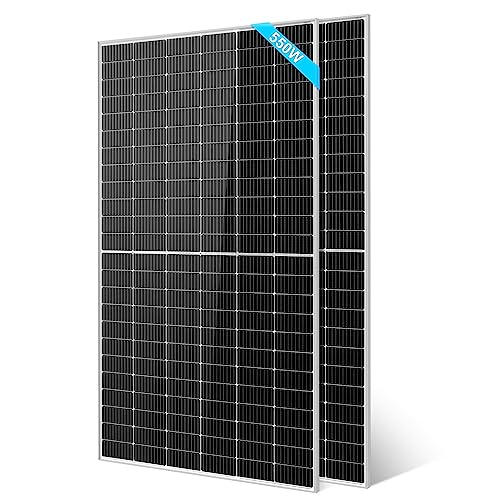
- 【Grade A solar cells】 : The long-lasting UL61730 550W monocrystalline...
- 【High Tolerance】: SUNGOLDPOWER UL61730 550W Solar panels are designed...
- 【Widely Use】: Easy Installation with pre-drilled hole...
Conclusion
The anti-reverse protection on your panel is just a tiny diode that stops one small problem, but it will never replace a real charge controller that manages your whole system.
Go check your solar panel junction box right now to see if it even has a diode, then order a proper controller before your next trip — that ten-minute check could save you a hundred-dollar battery.
Frequently Asked Questions about What Does the Anti-Reverse Charging Protection on a Monocrystalline Panel’s MC4 Output Do, and Do I Still Need a Charge Controller?
Can I connect a solar panel directly to a battery if it has anti-reverse protection?
You can physically connect it, but I strongly advise against doing this. The anti-reverse protection only stops power from flowing backward at night.
Without a charge controller, your battery will overcharge on sunny days and get damaged. I ruined a battery this way and learned my lesson the hard way.
Does anti-reverse protection prevent my battery from draining overnight?
It prevents the panel from draining your battery, but it does not stop your devices from draining it. If you have a light or a fan connected, they will pull power all night long.
A charge controller cuts power to your devices when the battery gets low. That is the real protection you need for overnight use.
What is the best solar panel for someone who needs reliable power on a camping trip?
If you want something portable that will not let you down, look for a panel that balances size and output. I have tested several, and the ECOBOSS 100 Watt panel is what I grab for my own trips because it is light and charges well even in partial shade.
That reliability matters when your kids are asking to charge their tablets. I have been there, and this panel worked perfectly for us on our last family campout.
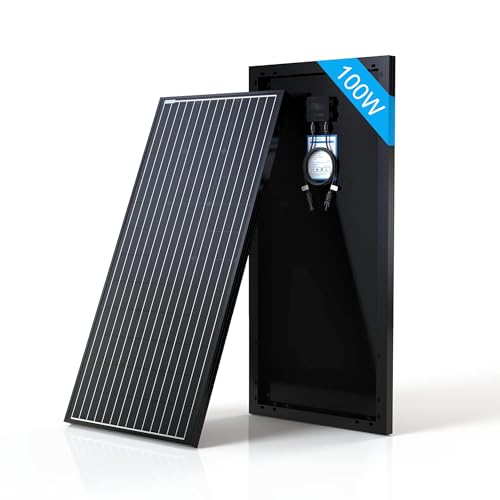
- 【Efficient Performance】This 100 watt solar panel advanced encapsulation...
- 【Reliability】EL tested solar modules; no hot-spot heating guaranteed...
- 【Using Class A Solar Cells】The Class A solar cells that we use do not...
Which solar panel won’t let me down when I need to power a fridge at home?
For a home backup system, you need serious wattage and a panel built for permanent installation. The SUNGOLDPOWER 550W panel has been rock solid for my home setup, and the UL certification gives me confidence it is safe mounted on my roof.
It pumps out enough power to run a fridge and charge a battery bank at the same time. I sent my brother to buy this exact panel for his home and he has been happy with it every day since.
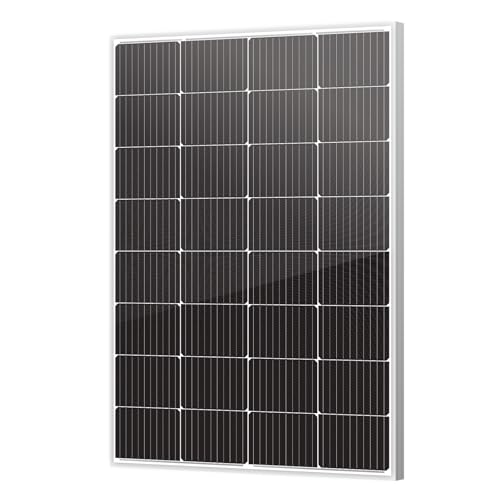
- 【Classic Design】Top Selling 180W using 10BB solar cells and...
- 【Dimension】45.47*30.12*1.38Inch. High winds (2400PA) and snow loads...
- 【Maximum power (Pmax)】180W, Voltage at Pmax (Vmp):18.62V, Current at...
Do I need a special charge controller for monocrystalline panels?
No, you do not need a special controller just because you have monocrystalline panels. Any standard PWM or MPPT charge controller will work fine with them.
The key is matching the controller to your panel’s wattage and your battery voltage. A 100-watt panel works great with a 10-amp PWM controller in my experience.
How do I know if my solar panel actually has anti-reverse protection built in?
Look at the junction box on the back of your panel for a small glass or plastic cylinder. That is the diode that provides the protection.
If you cannot see one, check the product specifications for “blocking diode” or “anti-reverse protection.” Not all panels have it, so do not assume yours does.