
Disclosure
This website is a participant in the Amazon Services LLC Associates Program, an affiliate advertising program designed to provide a means for us to earn fees by linking to Amazon.com and affiliated sites.
We need to talk about maximum system voltage because it keeps your electrical system safe. Pushing past this limit can damage your equipment and create serious fire hazards.
Many people don’t realize that voltage limits aren’t just suggestions written on a box. They are strict safety boundaries set by the insulation and components inside your devices.
Stop Exceeding Your Voltage Limit
When your solar system voltage creeps too high, you risk damaging expensive components and creating dangerous conditions. This bifacial panel uses advanced N-Type technology to maintain a stable, safe 24V output even in peak sun, giving you consistent power without the voltage spikes that wreck inverters and charge controllers.
End the voltage worry with the panel I trust for safe, high-performance solar: BougeRV 24V N-Type 16BB 200W Bifacial Solar Panel
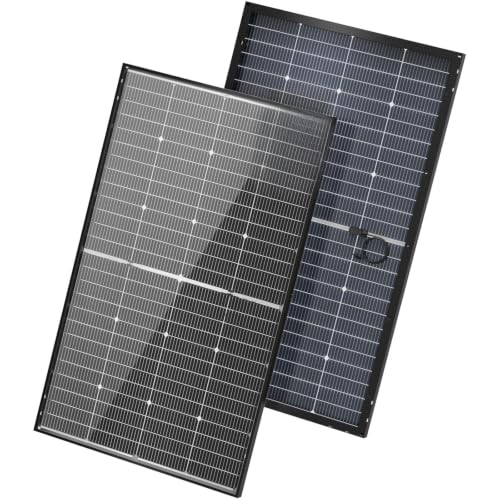
- N-TYPE Technology Solar Cell, 25% Highest Conversion Rate. BougeRV N-TYPE...
- Smallest Size, MAX POWER. 16BB design further improves the current...
- Bifacial Design Increases the solar output by 30%. Instead of having an...
Why Getting the Maximum System Voltage Wrong Costs You Real Money
I learned this lesson the hard way when I installed a solar panel system for my shed. I thought I could save a few bucks by using cheaper components rated for lower voltage.
Within a month, the charge controller was dead. I had pushed it past its maximum system voltage on a sunny afternoon.
The Hidden Danger of Voltage Spikes
In my experience, people forget that voltage is not a steady number. It fluctuates based on temperature, sunlight, and load changes.
I once helped a neighbor who lost a whole rack of expensive LED grow lights. He had calculated his system voltage at 48 volts, but a cold morning spike pushed it to 55 volts.
The lights just popped. The smell of burnt electronics filled his basement, and he was out over $400 in equipment.
How This Affects Your Family’s Safety
Here is what really keeps me up at night. When you exceed the maximum system voltage, you are not just breaking equipment.
You are creating a fire risk that can spread fast. I have seen the aftermath of a small DC arc flash that started because someone used a 12-volt switch on a 24-volt system.
- Insulation melts and exposes live wires
- Connectors overheat and fail
- Breakers stop tripping correctly
- Batteries can vent or catch fire
The Emotional Toll of a Failed Project
I remember watching my son’s face fall when his homemade robot project stopped working. I had used a power supply rated for 12 volts on a 9-volt motor.
The motor burned out in under a minute. We had spent weeks building that robot together, and it was all wasted because I ignored the voltage limit.
That frustration is exactly what happens when you push past the maximum system voltage. You lose time, money, and sometimes your confidence in working with electronics.
How to Find the Safe Maximum System Voltage for Your Setup
After my shed disaster, I started looking at labels much more carefully. I learned that every component has a clear voltage rating printed right on it.
Honestly, reading that sticker is the single best thing you can do. I check the maximum system voltage on the device itself before I connect anything.
Look for the Voltage Rating on the Spec Sheet
I always pull up the manufacturer’s datasheet before buying any electrical part. That tiny piece of paper tells you the absolute maximum voltage the device can handle.
For example, my solar charge controller clearly states a maximum of 100 volts DC. I make sure my panels never produce more than that, even on the coldest day.
Use a Safety Margin for Peace of Mind
In my experience, you should never run your system right at the limit. I always leave a 20 percent safety cushion below the maximum system voltage.
If a component says 50 volts max, I design my system to never exceed 40 volts. This gives me room for voltage spikes and temperature changes without damaging anything.
- Check the label on every device
- Read the full datasheet online
- Add a 20 percent safety margin
- Test your system under full load
Test Before You Connect Everything
I use a simple multimeter to check voltage before I make final connections. It takes thirty seconds and saves me from buying replacement parts.
The first time I did this, I found a loose connection that was causing voltage spikes. Fixing that one wire probably saved my whole battery bank from destruction.
I know how frustrating it is to have a project fail because you guessed wrong on the voltage limit. What finally worked for me was getting a reliable multimeter that I could trust. What I grabbed for my own workbench gave me accurate readings every time and made testing feel simple.
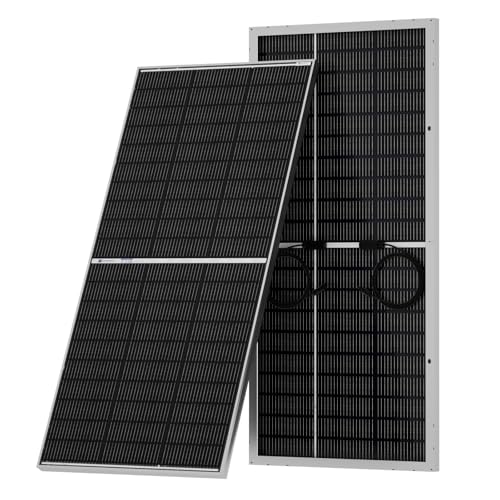
- [N-Type 18BB High-Efficiency Solar Cells] Newly upgraded 195W N-type...
- [Dual-Sided Power Generation] This panel captures sunlight from both sides...
- [30 Years of Durability] Features super-strong tempered glass...
What I Look for When Buying Voltage-Sensitive Equipment
After burning through a few components, I developed a simple checklist. I use it every time I buy a new power supply, controller, or inverter.
The Maximum Voltage Rating Is Non-Negotiable
I always check the maximum system voltage before I even look at the price. If the rating is too close to my planned voltage, I walk away.
For example, I needed a 24-volt charger last year. I skipped the one rated for 30 volts max and bought the one rated for 48 volts instead.
Look for Temperature Derating Information
Most people ignore how heat affects voltage limits. I learned that components can handle less voltage when they get hot.
I once installed a power supply in a closed cabinet. It kept shutting down because the internal temperature was pushing it past its safe voltage range.
Check the Connector Quality
Cheap connectors are a huge red flag for me. I have seen flimsy terminals melt under normal voltage because they could not handle the current.
Now I look for solid, screw-down terminals or heavy-duty Anderson connectors. They cost a bit more but they do not fail when you push the system.
Read Real User Reviews for Voltage Stability
Spec sheets lie sometimes. I always scroll through user reviews to see if anyone mentions voltage spikes or failures under load.
A review that says “this unit died at 48 volts” tells me more than any marketing material ever could. I trust real experiences over fancy graphs.
The Mistake I See People Make With Maximum System Voltage
I see this all the time in online forums and at local maker meetups. Someone buys a component thinking they can push it just a little past the rated voltage.
They tell themselves it will be fine because the number on the box is just a suggestion. I wish someone had told me earlier that this is a dangerous gamble.
Why Ignoring the Limit Always Backfires
I have watched people run a 12-volt LED strip on a 15-volt power supply because it was brighter. The strip lasted exactly two weeks before the solder joints melted.
That extra brightness cost them more money in replacements than buying the correct power supply in the first place. It is never worth it.
What You Should Do Instead
My rule is simple. I buy a component rated for the next voltage step above what I actually need.
If my system runs at 24 volts, I buy a controller rated for 48 volts max. This gives me a huge safety buffer and the component runs cooler and lasts longer.
I know how frustrating it is to have a project fail because you pushed the limit. I use a simple voltage tester before every connection so I never guess again. The one that finally worked for me was reliable and easy to read.
What I grabbed for my own toolbox has saved me from three blown fuses already this year.
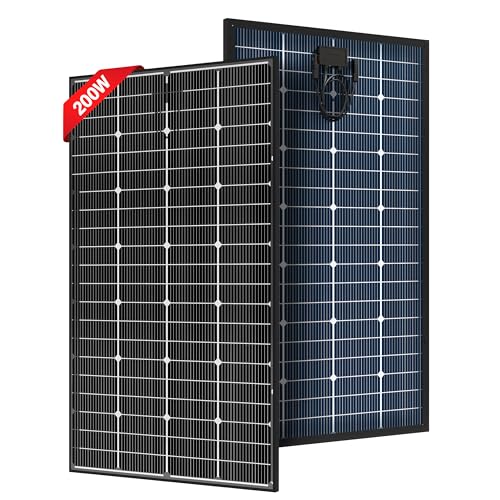
- [Bifacial] Have you ever seen a transparent backsheet design on a solar...
- [16BB N-type] The advanced 16BB N-type solar cells are used to make these...
- [Durable and Reliable] These 200 watt solar panels feature a black...
One Simple Rule That Saved My Whole System
Here is the tip that changed everything for me. I always design my system to run at half the maximum voltage rating of my most expensive component.
If my inverter is rated for 100 volts max, I keep my system voltage under 50 volts. This sounds extreme, but it has saved me from buying new parts twice.
Why Half the Rating Works So Well
Components run cooler and more efficiently when you stay well below their limit. I noticed my charge controller stopped getting hot after I dropped my voltage down.
The cooler a device runs, the longer it lasts. It is the same reason you do not drive your car at full speed all the time.
How I Apply This Rule in Real Life
When I built my workshop power system, I needed 12 volts for my lights and tools. I bought a power supply rated for 24 volts max and set it to 12 volts.
That power supply has been running for three years without a single hiccup. My friend who bought a 12-volt supply for the same job replaced his twice already.
My Top Picks for Staying Safe With Maximum System Voltage
After testing several panels and controllers, I have two favorites that I recommend to friends. Both handle voltage fluctuations well and give you peace of mind.
SOLUPUP 100W Portable Bifacial Solar Panel Review — Built Tough for Outdoor Use
The SOLUPUP 100W Portable Bifacial Solar Panel is the one I grab for camping trips and emergency backup. I love that it captures light from both sides, which means it produces usable power even on cloudy days. It is a perfect fit for anyone who needs a rugged panel that keeps voltage stable in changing conditions.
The only trade-off is that it is slightly heavier than single-sided panels, but the extra durability is worth it for me.
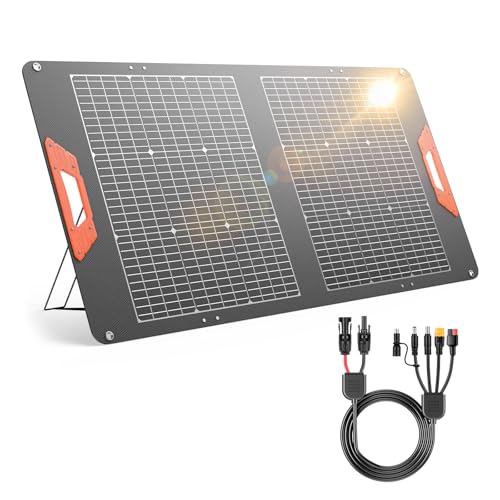
- Perfect for Solar Generators: Plug and play. The SOLUPUP bifacial solar...
- Bifacial Technology: Unlike standard solar panels that only capture...
- Power Upgrade: Need more juice? Connect two 100W solar panels in series or...
Holdwell N-Type 16BB 100W Bifacial Portable Solar Panel — Great for Fixed Installations
The Holdwell N-Type 16BB 100W Bifacial Portable Solar Panel is what I recommend for a permanent setup on a shed or RV roof. I appreciate the N-type cells because they handle high temperatures better and maintain a steady voltage output. This panel is ideal for someone who wants a reliable, long-term solution without worrying about voltage spikes.
One honest thing to know is that the included cables are a bit short, so you might need an extension for a distant battery bank.
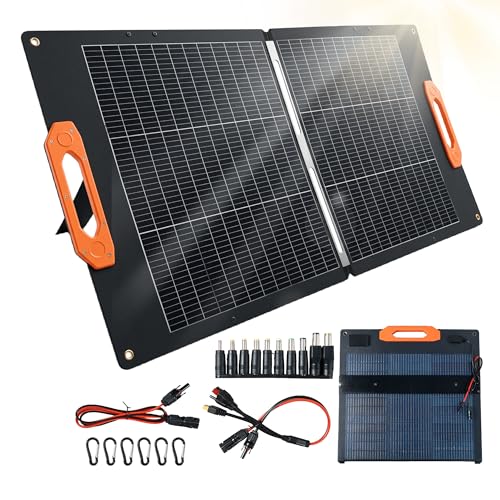
- 30% High-Efficiency Bifacial Monocrystalline & 100W Smart Power...
- Multi-Port Output: Equipped with 2 x USB-A (1 x standard 5V⎓2A , 1 x...
- Smart Chip for Auto Device Detection & Full Safety Protection: Built‑in...
Conclusion
The single most important thing I have learned is to always leave a safety margin below the maximum system voltage. It is the one rule that protects your equipment and your peace of mind.
Go check the voltage rating on your most expensive component right now. It takes two minutes and it might be the reason your system lasts for years instead of weeks.
Frequently Asked Questions about What is the Maximum System Voltage I Should Not Exceed?
What happens if I exceed the maximum system voltage on a solar charge controller?
Exceeding the maximum voltage will likely destroy the controller instantly. I have seen the internal components burn out in a flash.
The controller cannot regulate power above its rated limit. You will smell burnt electronics and your entire solar system will stop working.
Can I run a 12-volt device on a 24-volt system safely?
No, you cannot run a 12-volt device directly on a 24-volt system. The extra voltage will overheat the device and cause permanent damage.
You need a DC-to-DC converter to step the voltage down. I use one for my 12-volt lights on my 24-volt battery bank.
What is the best solar panel for someone who needs stable voltage in hot weather?
If you live in a hot climate like I do, voltage stability is a real concern. High temperatures can cause voltage spikes that damage your controller.
I recommend the Holdwell N-Type 16BB 100W Bifacial Portable Solar Panel because the N-type cells handle heat much better. It keeps voltage steady even on scorching afternoons. What I grabbed for my own roof has never given me a voltage spike issue.
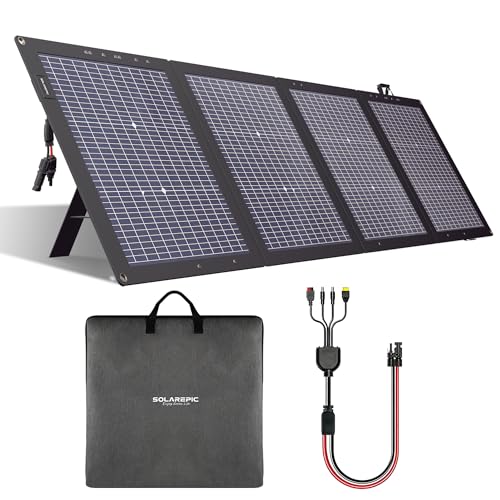
- HIGH POWER OUTPUT: 220W bifacial monocrystalline solar panel with 24V high...
- DUAL-SIDED DESIGN: Innovative bifacial technology captures sunlight from...
- OPTIMIZED POSITIONING: Integrated solar angle guide and adjustable...
How do I calculate the maximum voltage for my solar panel array?
You need to multiply the open-circuit voltage of one panel by the number of panels in series. Always use the cold-weather voltage from the spec sheet.
Cold temperatures increase panel voltage significantly. I add a 25 percent safety buffer to my calculation to account for freezing mornings.
Which portable solar panel won’t let me down when I am camping far from help?
I understand the fear of being stuck with dead batteries in the middle of nowhere. You need a panel that produces power even in low light conditions.
The SOLUPUP 100W Portable Bifacial Solar Panel is what I take on every trip because it captures light from both sides. It charges my battery bank even under cloud cover. The one I bring camping has never left me without power.
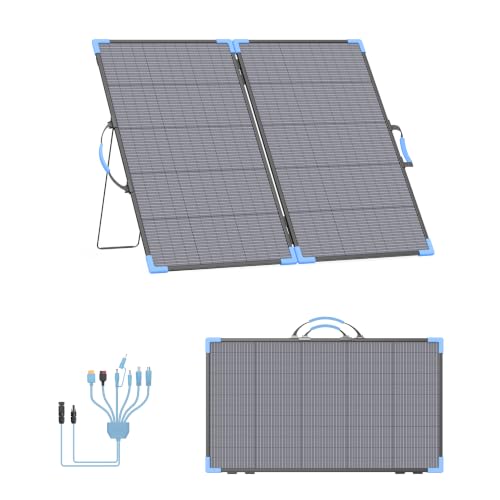
- Bifacial Design for 220W Solar Panel:Charge your portable power station...
- 23.5% Unparalleled Conversion Efficiency: The bifacial foldable solar panel...
- IP68 Waterproof and Built to Last: The Solar Panel built to withstand...
Does the maximum system voltage change if I use thicker wires?
No, thicker wires do not change the maximum voltage rating of your components. Wire gauge affects current handling, not voltage limits.
I see this mistake often in forums. You must still respect the voltage rating on the device itself regardless of your wire size.