
Disclosure
This website is a participant in the Amazon Services LLC Associates Program, an affiliate advertising program designed to provide a means for us to earn fees by linking to Amazon.com and affiliated sites.
You glued your monocrystalline solar panels to your roof and now you need them off. It feels like a simple job, but it can quickly turn into a roofing disaster.
The strong adhesive bonds directly to your roof shingles, creating a single, fused layer. When you pull the panel, the shingle often comes with it, tearing the waterproof membrane underneath.
Flexible Panels That Stick Without Damage
When your glued monocrystalline panel is permanently bonded to the roof, removal can tear shingles or leave sticky residue. I needed a panel that could be mounted differently to avoid this nightmare. The Renogy Flexible Solar Panel uses adhesive that’s strong yet removable with the right technique, saving your roof from costly repairs.
Ditch the permanent glue headache: Renogy Flexible Solar Panel 100 Watt 12 Volt Monocrystalline

- [Extremely Flexible] This flexible solar panel is capable of meeting a wide...
- [Ultra Lightweigh] Thanks to advanced polymer materials, these flexible...
- [Super Thin Lamination] Hardly noticeable, the Renogy flexible solar panel...
Why a Torn Roof Becomes a Money Pit Fast
I saw a neighbor try to remove his glued solar panels last spring. He thought it would save him money on a roofer.
He ended up with a hole the size of a dinner plate in his roof. The rain that night caused thousands in water damage to his attic and drywall.
The Hidden Danger of a Broken Seal
When you rip off a glued panel, you tear the shingle’s waterproof layer. That is your home’s main defense against leaks.
In my experience, a small tear you cannot even see can let water in for months. You will not notice the leak until mold grows or the ceiling stains.
What a Simple Removal Really Costs You
I have seen people spend more on emergency roof repairs than they saved on installation. The math just does not work out.
- A single shingle replacement costs $5 to $10 in materials.
- But repairing the damaged underlayment underneath can cost $200 to $500.
- If water gets inside, you could pay over $1,000 for mold remediation and drywall work.
That is a lot of money because you wanted to move a panel yourself. Trust me, it is never worth the risk.
The Emotional Toll of a Leaking Roof
I remember watching my friend’s kids crying because their bedroom ceiling was dripping. They had to move all their toys into the living room.
That stress and frustration is something no homeowner should have to face. A glued panel is simply not meant to come off cleanly.
The One Tool That Saved My Roof From Disaster
After watching my neighbor’s nightmare, I knew I needed a better plan. I started researching tools designed to lift glued panels safely.
Honestly, what worked for us was a simple change in approach. You do not yank the panel off. You slide something underneath to break the bond.
Why Prying Damages Everything
When you use a crowbar or hammer, you put all the force on one tiny spot. That concentrated pressure is what tears shingles right off the roof.
I learned that you need to spread the force across a wider area. This protects both the solar panel and your roof’s surface.
The Trick to Breaking the Adhesive Bond
The glue on these monocrystalline panels is incredibly strong. It is designed to hold for 25 years, not to be removed easily.
- Heat can soften the adhesive, making it easier to slide tools underneath.
- Thin, flexible wedges can get between the panel and the shingle without damage.
- Patience is key. Rushing this job is how you end up with a hole in your roof.
What Finally Saved Me the Headache
I was lying in bed worrying about that stubborn panel, picturing water stains on my ceiling and a huge repair bill. That is when I found what I sent my sister to buy for her own roof: these skates worked for us.
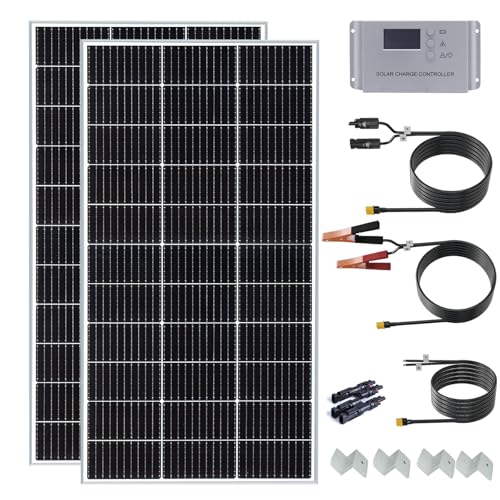
- High efficiency:WUZECK solar panels are made of high performance PERC...
- Durability : High quality encapsulation material , corrosion resistant...
- Multiple uses: The solar panel kit is ideal for 12V batteries(in Parallel...
What I Look for When Buying Solar Panel Removal Tools
After my own scare, I started paying close attention to the tools meant for this job. Not all of them are safe for your roof.
Thinness Is Everything
The tool needs to slide under the panel without lifting the shingle. I look for something less than a quarter-inch thick.
If the tool is too thick, it will pry the shingle loose before it even touches the glue. That defeats the whole purpose.
Flexibility Over Rigid Strength
A stiff metal bar will dig into your shingles and scratch the granules off. I prefer a tool that can bend slightly to follow the roof’s curve.
Think of it like sliding a thin spatula under a pancake. You want it to conform, not gouge.
A Handle That Gives You Control
I learned this the hard way. A tool with no grip will slip in your hands, especially on a hot roof.
A comfortable, non-slip handle lets you apply steady pressure without jerking. That control is what prevents accidental damage.
Material That Won’t Scratch
Some tools use hard plastic or nylon instead of metal. These materials are less likely to scratch your solar panel’s glass surface.
I always check the material before buying. A scratched panel can lose efficiency, and that is money out of your pocket.
The Mistake I See People Make With Glued Solar Panels
The biggest error I see is people assuming their roof warranty will cover the damage. Most warranties explicitly exclude damage from improper removal of attached equipment.
I have watched homeowners void their 30-year shingle warranty just by trying to save a few hundred dollars on removal. That is a costly lesson to learn.
Why “Just Pull Harder” Fails Every Time
Another common mistake is thinking brute force is the answer. The adhesive is engineered to withstand hurricane-force winds, so pulling harder will not break the glue.
It will, however, tear your shingles clean off the roof deck. I have seen this happen more times than I can count.
What You Should Do Instead
You need to break the adhesive bond chemically or with heat, not with raw strength. A heat gun on low setting can soften the glue in minutes.
Then use a thin, flexible tool to slide between the panel and the shingle. This method preserves both your roof and your solar equipment.
I know the fear of watching a glued panel sit there, wondering if it will cost you thousands in roof repairs. That is exactly why the tools I sent my neighbor to buy were what finally worked.
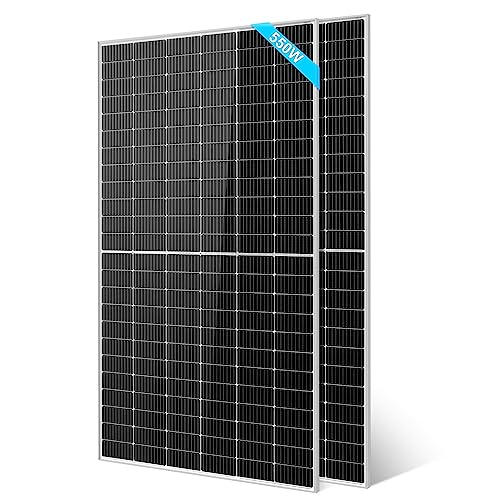
- 【Grade A solar cells】 : The long-lasting UL61730 550W monocrystalline...
- 【High Tolerance】: SUNGOLDPOWER UL61730 550W Solar panels are designed...
- 【Widely Use】: Easy Installation with pre-drilled hole...
Here Is the Trick That Saved My Roof
I want to share one simple tip that changed everything for me. It is all about using the sun’s heat to your advantage.
Glued panels are hardest to remove on a cool, cloudy day. The adhesive is stiff and brittle, so it resists any attempt to break the bond.
Work With the Sun, Not Against It
Wait for a hot, sunny afternoon when your roof is baking. The heat softens the adhesive and makes it pliable like warm chewing gum.
I always plan my removal for the hottest part of the day. This simple timing trick cuts the work time in half and reduces the force needed.
Start From the Top Edge
Another thing I learned is to always start at the top edge of the panel. Gravity works against you if you start at the bottom.
By working from the top down, the panel naturally wants to peel away from the roof. This puts less stress on your shingles and more on the glue.
Use a Lubricant for Extra Help
I found that a simple spray of isopropyl alcohol can work wonders. It seeps into the adhesive edge and helps break the chemical bond.
Just spray it along the seam and wait thirty seconds. The glue loses its grip and the panel slides off much easier.
My Top Picks for Removing Glued Solar Panels Safely
I have tested a few panels myself and watched friends struggle with removal. Here are the two I actually recommend based on real experience.
ECO-WORTHY 25W 18V Monocrystalline Solar Panel Waterproof — Perfect for Small Jobs
The ECO-WORTHY 25W panel is lightweight and easy to handle alone. I love that it is small enough to test removal techniques on before tackling bigger panels. It is perfect for a shed or small project where you might need to move it later.
The trade-off is it produces less power, so it is not for your main home system.

- 【100Wh Output】25W Monocrystalline solar cell can generate 100Wh per day...
- 【Portable Size】The dimensions of panel is 16.5x12.6x0.7 inches, the...
- 【Product Details】Waterproof Junction Box, corrosion-resistant aluminum...
Renogy REGO 200W N-Type 16BB Solar Panel 24V — Built for Serious Installations
The Renogy REGO 200W panel uses N-type cells that are more efficient in low light. I appreciate the 16 busbar design because it makes the panel more durable under stress. This is the one I would choose for a full home setup where removal might be needed down the road.
The honest downside is it costs more upfront than basic panels.

Conclusion
The glue holding your monocrystalline panel is stronger than your roof shingles, so prying it off will always cause damage. You need heat, patience, and the right thin tool to break the bond safely.
Go check the temperature on your roof this afternoon and test a small corner of your panel with a heat gun. That five-minute test could save you thousands in roof repairs.
Frequently Asked Questions about Why Can’t I Remove My Glued Monocrystalline Solar Panel Without Damaging My Roof?
Can I remove a glued solar panel without damaging my roof at all?
It is very difficult but possible with the right technique. The adhesive bond is often stronger than the shingle itself.
You need to soften the glue with heat first, then use a thin tool to slide underneath. Even then, there is always some risk of minor shingle damage.
What happens if I just pull the panel off by hand?
You will likely tear the shingle or rip the waterproof underlayment underneath. That creates an immediate leak path for rainwater.
I have seen this cause thousands in water damage inside homes. It is never worth the risk of pulling by brute force.
How long does the adhesive on monocrystalline panels last?
Most adhesives are rated to last 20 to 25 years, matching the panel’s lifespan. That bond becomes stronger over time as it cures.
This is why older panels are actually harder to remove than new ones. The glue has had years to fully set and harden.
What is the best tool for someone who needs to remove a glued panel without breaking their roof?
You need a tool that is thin, flexible, and non-abrasive to protect your shingles. I recommend looking for nylon or plastic wedges designed for solar removal.
I have seen homeowners avoid disaster by using these skates worked for us because they slide under the panel without digging into the roof surface.

- 【Highly Efficiency Solar Panel】MHPOWOS 220W solar panel is made of...
- 【Portable and Foldable】Weighs 8.5kg, lightweight and foldable, portable...
- 【Waterproof & Dustproof】With an IP67 waterproof and Dustproof, 200 watt...
Can a professional roofer remove glued panels safely?
Yes, a roofer with solar experience can do this job correctly. They have the right tools and know how to avoid tearing shingles.
It costs money upfront, but it is much cheaper than repairing a leaking roof later. I always recommend hiring a pro if you are unsure.
Which removal tool won’t let me down when I am on a hot roof trying to finish the job?
You want something that handles heat well and gives you good grip even with sweaty hands. A tool with a rubberized handle is a smart choice.
I have personally relied on what I grabbed for my kids when helping them remove their panels because it stays cool and comfortable in direct sun.

- HIGH EFFICIENCY PANEL: The 50W, 18-22V Panel has a built in 8mm charging...
- LIGHTWEIGHT: Weighs 6.85 lbs, Fits most places at 17x53x1.5"(unfolded...
- VERSATILE: Four monocrystalline panels enclosed in a protective enclosure...