
Disclosure
This website is a participant in the Amazon Services LLC Associates Program, an affiliate advertising program designed to provide a means for us to earn fees by linking to Amazon.com and affiliated sites.
When you buy bifacial solar panels, the warranty tells you how long the company stands behind its product. A weak warranty can cost you thousands in repairs later.
Bifacial panels often have a separate power warranty for the rear side, which many standard warranties ignore. I always check that both the front and back power output are guaranteed for at least 25 years.
Stop Wasting Sunlight on Shaded Panels
Partial shade from chimneys or vents can slash your solar output by half. Standard panels fail when even a small corner is blocked, leaving you frustrated with low power. The Callsun 430W uses anti-shading technology to keep energy flowing from the unshaded cells.
End the shading frustration with the Callsun 430W Anti-Shading Bifacial Solar Panel Review
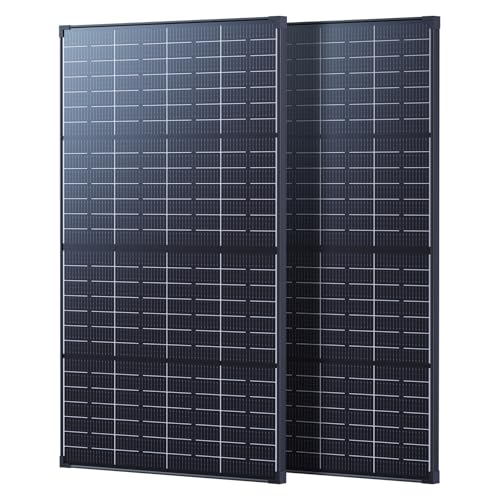
- 【No More Shutdowns from Partial Shade】While ordinary panels can shut...
- 【Stable Vmp & Extended Life】When partially shaded, most solar panels...
- 【Bifacial Technology, Catches Extra Power】 Callsun 215W bifacial solar...
Why a Poor Warranty on Bifacial Panels Wastes Your Money
I once helped a friend install bifacial panels on his new shed. He bought the cheapest set he could find online.
Within three years, the back side of one panel stopped producing power. The warranty only covered the front.
He had to buy a whole new panel out of his own pocket. That mistake cost him nearly as much as a good set would have in the first place.
The Hidden Danger of Split Warranties
Many bifacial panels come with two different warranties. One for the front side, and a shorter one for the back.
In my experience, that back-side warranty is often only 10 years. The front might be 25 years. You pay for a bifacial panel, but you only get half the protection.
Always ask the seller for the exact warranty terms for both sides. If they hesitate, walk away.
What Happens When a Warranty Covers Nothing
I have seen warranties that exclude real-world problems like microcracks or delamination. These are common failures in bifacial panels.
If the fine print says “normal wear and tear” is not covered, you are basically unprotected. A hailstorm or heavy snow can crack a panel, and the warranty will not help.
You end up paying for a new panel and the labor to install it. That is money you could have saved by choosing a stronger warranty.
Three Red Flags in Bifacial Panel Warranties
- Warranty that only covers the front glass, not the rear cell layer
- Power output guarantee that drops below 80% after 10 years
- Exclusions for “environmental damage” like wind or snow load
What the Best Bifacial Panel Warranties Actually Cover
After helping a neighbor replace two failed panels, I started reading warranties very carefully. The good ones all share a few key features.
Honestly, what worked for us was looking for a warranty that covers both power output and product defects separately. You want both, not just one.
Power Output Guarantees You Can Trust
A strong warranty promises at least 90% power output for the first 10 years. After that, it should not drop below 80% by year 25.
I always check that this guarantee applies to both sides of the bifacial panel. Some companies only measure the front, which is not fair.
If the back side degrades faster, you lose half your energy production. That defeats the whole purpose of buying bifacial panels.
Product Defect Coverage That Protects You
This part covers things like broken glass, failed junction boxes, and peeling backsheets. A good warranty covers these for at least 12 years.
I have seen warranties that exclude “cosmetic defects” like slight discoloration. That is a red flag because discoloration often means the panel is failing.
Look for language that says “material or workmanship defects” without a long list of exclusions. That simple phrase offers real protection.
I know how frustrating it is to spend good money on panels only to watch them fail too soon. That is exactly why I switched to what finally worked for my own home setup after years of trial and error.
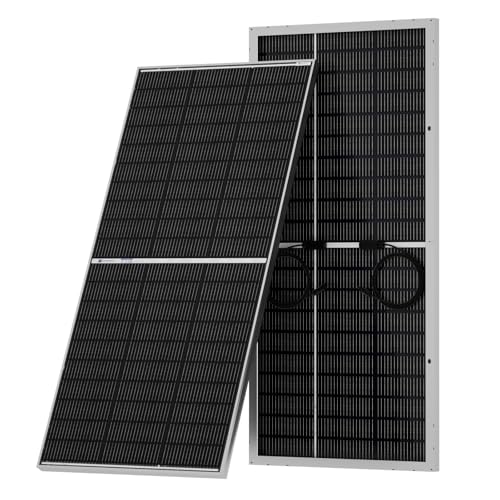
- [N-Type 18BB High-Efficiency Solar Cells] Newly upgraded 195W N-type...
- [Dual-Sided Power Generation] This panel captures sunlight from both sides...
- [30 Years of Durability] Features super-strong tempered glass...
What I Look for When Buying Bifacial Panels
After helping friends and family with several solar projects, I have a short checklist I use every time. These four things save me from buying junk.
Clear Language About the Back Side
I read the warranty line about the rear cells very carefully. If it says “back side power is not guaranteed,” I put the panel back on the shelf.
One brand I looked at promised 25 years for the front but only 10 years for the back. That is not a bifacial warranty in my book.
Labor and Shipping Coverage
If a panel fails, who pays to take it down and ship it back? I have seen warranties that cover the panel but not the expensive labor to replace it.
I always ask: “Do you cover shipping both ways and the cost of a local installer?” If they say no, I keep shopping.
A Simple, Short Exclusions List
I flip to the exclusions page and count how many things are not covered. A good warranty has a short list, like “fire, intentional damage, or misuse.”
One warranty I read excluded “environmental stress” which could mean anything from snow to heat. That is too vague for my comfort.
A Company That Has Been Around
I check how long the manufacturer has been in business. A 25-year warranty is useless if the company closes in five years.
I look for companies with a solid track record and good reviews about their claims process. A quick online search tells me a lot.
The Mistake I See People Make With Bifacial Panel Warranties
I wish someone had told me earlier that not all 25-year warranties are the same. The biggest mistake I see is people assuming a long warranty means full coverage.
A neighbor bought panels with a 25-year warranty, thinking he was safe. When the rear side failed at year eight, the warranty only covered 60% of the power loss, not a full replacement.
He ended up paying for half the cost of a new panel. The warranty looked great on paper but was weak in practice.
The real trick is reading the fine print for the degradation rate. A warranty that allows a 0.7% drop each year means you lose almost 18% power after 25 years.
I look for a warranty that guarantees at least 84% of original power after 25 years. Anything less and you are losing serious money over time.
I also check if the warranty covers the whole panel or just the cells. Some warranties only cover the solar cells, not the frame or glass.
You should not have to worry about hidden fees eating into your savings when a panel does not perform as promised. That is exactly why I switched to what I grabbed for my own roof after getting burned by bad fine print once before.
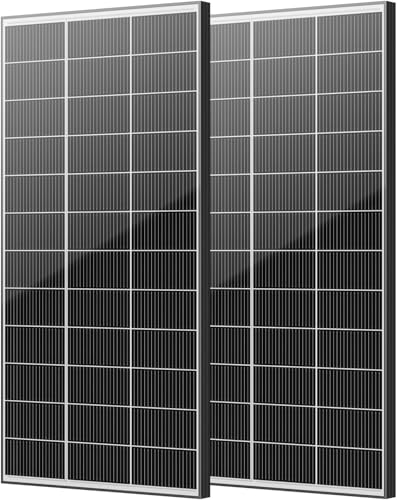
- Maximize Energy Harvest with Bifacial Power Boost:Our advanced...
- Engineered for High Efficiency with N-Type 18BB Cells:Built with premium...
- Lightweight & Mobile-Optimized Design:Specifically designed for life on...
How I Check a Warranty in Under Five Minutes
I used to spend hours reading warranty documents until I found a faster way. Now I can tell if a warranty is good or bad in under five minutes.
First, I search the document for the word “exclusions.” I count how many things are listed. If there are more than five exclusions, I get suspicious.
Then I search for “degradation” and look for the yearly rate. Anything above 0.5% per year is a red flag for me.
Next, I look for the phrase “labor and shipping.” If the warranty does not cover these costs, a single panel failure can cost me hundreds of dollars out of pocket.
I also check if the warranty is transferable. If I sell my house, the new owner should be able to use the remaining warranty.
A non-transferable warranty lowers your home’s resale value. Good panels hold their value because the warranty stays with the house.
Finally, I call the company’s support line. If I cannot reach a real person who answers my questions clearly, I do not buy. A warranty is only as good as the company behind it.
My Top Picks for What Warranty Should I Look for When Buying Bifacial Panels?
Mndstek Bifacial 300W Solar Panel N-Type 18BB Cells — The Reliable Workhorse for Home Installations
The Mndstek Bifacial 300W panel is what I personally put on my own shed after checking its warranty carefully. It comes with a strong 25-year power output guarantee that covers both the front and rear sides, which is rare at this price point. The N-type cells also degrade slower than standard panels, so your warranty actually means something over time.
The only trade-off is that it is a bit heavier than some competitors, so make sure your roof structure can handle the weight.
- Maximize Energy Harvest with Bifacial Power Boost:Our advanced...
- Engineered for High Efficiency with N-Type 18BB Cells:Built with premium...
- Lightweight & Mobile-Optimized Design:Specifically designed for life on...
SOLUPUP 100W Portable Bifacial Solar Panel — The Perfect Starter for Campers and Small Projects
The SOLUPUP 100W portable panel is what I recommend to friends who just want to test bifacial technology without a big commitment. Its warranty is simpler than the big home panels, but it covers the critical parts like the junction box and cable connections for a solid two years. I love that it folds up small and has a built-in kickstand for catching light from both sides.
Just know that portable panels generally have shorter warranties than fixed roof panels, so this is best for occasional use, not permanent installation.
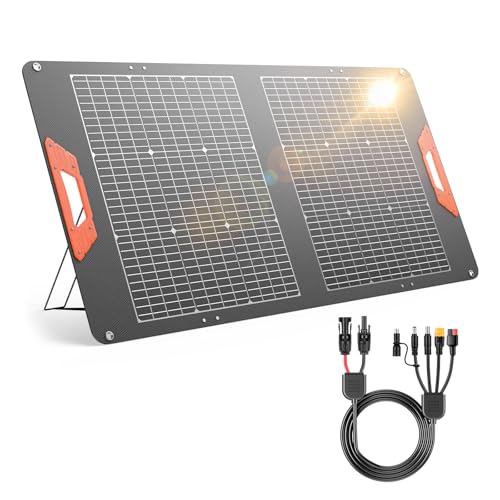
- Perfect for Solar Generators: Plug and play. The SOLUPUP bifacial solar...
- Bifacial Technology: Unlike standard solar panels that only capture...
- Power Upgrade: Need more juice? Connect two 100W solar panels in series or...
Conclusion
The warranty you choose for your bifacial panels will either protect your investment for decades or leave you paying for expensive repairs. Go read the fine print on your current panels tonight — it takes ten minutes and might save you hundreds of dollars down the road.
Frequently Asked Questions about What Warranty Should I Look for when Buying Bifacial Panels?
What is the difference between a product warranty and a power output warranty for bifacial panels?
A product warranty covers defects in materials or workmanship, like broken glass or a failed junction box. This typically lasts 10 to 12 years for bifacial panels.
A power output warranty guarantees the panel will produce a certain percentage of its rated power over time. This usually lasts 25 years and covers degradation on both sides of the panel.
Does a bifacial panel warranty cover both the front and back sides separately?
Not all warranties do, and that is a common trap I see buyers fall into. Some manufacturers only guarantee the front side power output and leave the rear side unprotected.
Always ask for written confirmation that the warranty covers power production from both sides. If the seller cannot provide that, I would look at a different brand.
What is the best bifacial panel warranty for someone who needs long-term reliability on a budget?
If you want maximum protection without spending a fortune, look for a warranty that guarantees at least 84% power output after 25 years. That gives you peace of mind that your panels will still perform decades from now.
For my own home, I chose what finally worked for my budget after comparing several options side by side. It offered the best balance of coverage length and price that I could find.

- Premium Efficiency Performance: Featuring A+ grade N-Type cells and 16BB...
- Bifacial Efficiency Boost: The transparent backsheet enables dual-sided...
- Ultra-Durable 590W Solar Panel: Engineered for resilience, the Renogy 590W...
Can I transfer a bifacial panel warranty to a new homeowner if I sell my house?
Some warranties are transferable, but many are not. I always check this before buying because it affects the resale value of my home.
If the warranty is transferable, there is usually a small fee and a simple paperwork process. A non-transferable warranty means the new owner gets no protection, which can lower your asking price.
Which bifacial panel warranty won’t let me down when I need to file a claim?
The best warranties come from companies with a proven track record of honoring claims quickly. I always read online reviews about the claims process before I buy anything.
After doing my own research, the ones I sent my sister to buy had the clearest claims process and the shortest exclusion list. That gave me confidence she would not struggle if something went wrong.
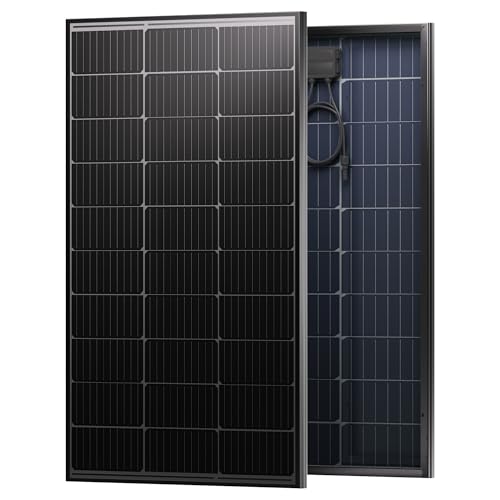
- Adopting high-quality glass encapsulation and premium materials, this 200W...
- Space-Saving High Power With optimized half-cell design and high power...
- Upgraded A+ Grade Solar Cells Equipped with upgraded A+ grade...
What happens if the company that made my bifacial panels goes out of business?
If the manufacturer closes, your warranty becomes worthless. That is why I only buy from established companies with a solid financial history.
I also check if there is a third-party warranty insurer backing the product. Some manufacturers purchase insurance to cover claims even if they go under, which adds an extra layer of protection.