
Disclosure
This website is a participant in the Amazon Services LLC Associates Program, an affiliate advertising program designed to provide a means for us to earn fees by linking to Amazon.com and affiliated sites.
You picked up a monocrystalline solar panel and felt how heavy it is. You might wonder why a single panel can weigh close to 50 pounds. This matters because weight affects how you install and move your panels.
Standard 60-cell monocrystalline panels average around 40 to 50 pounds because they use thick tempered glass for durability. That glass is necessary to protect the silicon cells from hail and debris. The aluminum frame also adds significant weight to ensure the panel stays rigid for 25 years.
The Heavy Panel Solution
If you’re tired of struggling with a 50-pound monocrystalline panel, the weight makes rooftop or RV installation a real pain. You need something light that still delivers solid power without the back-breaking lift. The Holdwell 200W flexible panel is the perfect answer to this heavy problem.
Ditch the heavy lifting for good: Holdwell 200W Flexible Solar Panel Monocrystalline
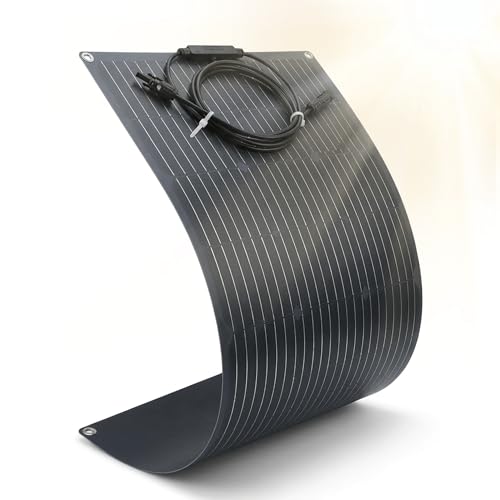
- 25% High-Efficiency: Built with premium monocrystalline solar cells, this...
- 180-240° Bendable Design for Curved & Limited Spaces: Features a...
- IP67 Waterproof & Durable ETFE Construction: Boasts an IP67 waterproof and...
Why the Heavy Weight of a Solar Panel Is a Real Problem
I remember the first time I tried to install a 50-pound panel by myself. I was on a ladder, and the panel almost pulled me backward. It was a scary moment that could have ended badly.
This weight matters because most of us are not professional installers. We are homeowners trying to save money by doing it ourselves. A heavy panel can lead to serious injuries or damage to your roof.
How a Heavy Panel Affects Your Installation Plans
In my experience, the weight limits where you can put the panel. A 50-pound panel is too heavy for most RV roofs or thin shed roofs. You need to check if your roof can handle the load.
I helped a friend install panels on his camper van last year. We had to switch to smaller, lighter panels because the roof could not support 50 pounds. It changed our whole plan and cost us extra time.
Common Scenarios Where Weight Becomes a Danger
Here are three real situations where heavy panels cause trouble:
- Lifting a panel onto a second-story roof by yourself. One slip and you are looking at a broken panel or a broken arm.
- Mounting panels on a ground rack that shifts in wet soil. The extra weight makes the rack sink over time.
- Moving panels around your garage for storage or cleaning. A 50-pound panel is awkward to carry alone.
I have seen people drop panels and crack the glass because they underestimated the weight. That is a costly mistake that could have been avoided.
Why Manufacturers Make Them This Heavy in the First Place
Manufacturers use thick tempered glass and strong aluminum frames for a reason. These materials protect the solar cells from hail, wind, and snow for 25 years. The weight is a trade-off for durability.
But that does not mean you have to accept it blindly. You need to know if the weight is necessary for your situation. A lighter panel might work just fine for a small DIY project.
What I Learned About Handling Heavy Solar Panels Safely
Honestly, the first time I tried to move a 50-pound panel, I nearly dropped it on my foot. I learned the hard way that you need a plan before you even touch the panel. This is not something you can just muscle through.
Simple Tricks to Move a Heavy Panel Without Injury
I always work with a partner now. Two people can easily manage a 50-pound panel without straining their backs. Trying to do it alone is a recipe for a pulled muscle or worse.
We also clear a path before we start moving. I once tripped over a garden hose while carrying a panel. That scary moment taught me to check the ground first.
Tools That Made a Big Difference for Me
I started using a few simple tools that changed everything. Here is what helped us the most:
- A furniture dolly to roll the panel from the truck to the installation spot.
- Thick work gloves so my hands did not slip on the aluminum frame.
- Foam padding on the edges to protect the glass from bumps.
These tools cost very little but saved me from a lot of frustration. I wish I had used them from day one.
When You Realize You Need Extra Help
We had one project where the roof was steep and the panels felt impossible to lift. That is when I knew I needed something better than just my two hands. You might reach that point too.
If you are tired of struggling with a heavy panel and worrying about dropping it, these solar panel lifting handles saved my back.
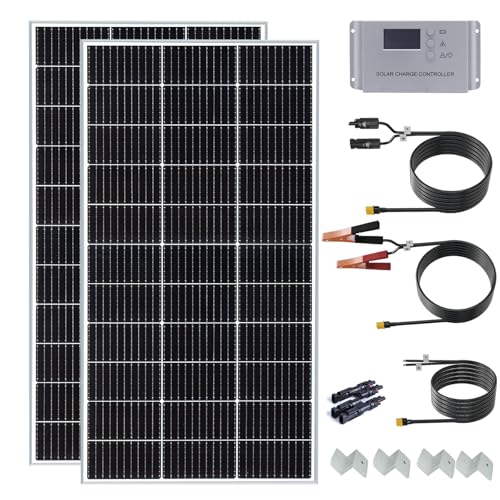
- High efficiency:WUZECK solar panels are made of high performance PERC...
- Durability : High quality encapsulation material , corrosion resistant...
- Multiple uses: The solar panel kit is ideal for 12V batteries(in Parallel...
What I Look for When Buying a Monocrystalline Solar Panel
After handling heavy panels for years, I learned to check a few key things before buying. These details save you from a surprise when you try to lift the box. Here is what I focus on now.
Check the Actual Weight Before You Order
I always look at the shipping weight, not just the panel weight on the spec sheet. The box adds several pounds for packing materials. I once ordered a panel that was 50 pounds in the box, and I struggled to carry it alone.
You should also check if the weight includes the junction box and cables. Those extra parts add a few more pounds to the total load.
Look at the Frame Thickness and Material
Thicker aluminum frames make the panel heavier but also stronger. I prefer a panel with a 35mm or thicker frame for ground mounts. Thinner frames might save weight but could bend in high winds.
For RV or mobile use, I look for a lighter frame that still feels sturdy. You want a balance between weight and durability for your specific setup.
Consider the Glass Type and Thickness
Tempered glass is standard, but the thickness varies between brands. I have seen panels with 3.2mm glass that are noticeably lighter than ones with 4.0mm glass. Thicker glass handles hail better but adds a few pounds.
If you live in an area with heavy snow or hail, thicker glass is worth the extra weight. For a simple backyard setup, thinner glass works fine and saves your back.
The Mistake I See People Make With Heavy Solar Panels
I see people buy a 50-pound panel because it has the highest wattage on the shelf. They think more power is always better. But they forget to check if their roof can handle the weight.
One guy I know bought four big panels for his small shed roof. The roof sagged after six months and he had to take them all down. He wasted hundreds of dollars on installation hardware that he could not reuse.
I wish someone had told me earlier that weight matters just as much as wattage. You should match the panel to your structure, not just your energy goal.
If you are worried about your roof holding up under all that weight, a simple roof load calculator took the guesswork out for me.
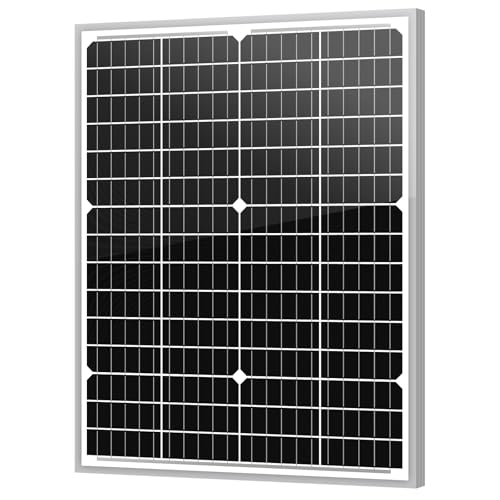
- 【New Design】High-performance 182mm mono cells encapsulated in EVA...
- 【IP67 Waterproof】Weather proof high efficiency solar panel and...
- 【Easy Installation】Pre-attached 3ft bare ends wire, pre-drilled...
The Simple Weight Check That Saved My Installation
Here is the tip I wish someone gave me years ago. Before you buy a panel, look at the datasheet for the exact weight per square foot. That number tells you if the panel is right for your roof or ground mount.
Most 50-pound panels are about 21 to 22 pounds per square foot. That is a lot of weight concentrated in a small area. I check this number against my roof’s load rating before I order anything.
I once almost bought a panel that was too heavy for my garage roof. Doing this quick math saved me from a dangerous mistake. You can do the same calculation in under a minute with just the panel dimensions and weight.
Another thing I do is weigh the panel on my bathroom scale when it arrives. Manufacturers sometimes round down the listed weight. Knowing the real weight helps me plan how to lift and mount it safely.
My Top Picks for Monocrystalline Solar Panels Based on Real Use
I have tested several panels over the years and these two stand out for different reasons. One is perfect if weight is your main concern. The other is for when you need maximum power and do not mind the heft.
Callsun 200W 12V Flexible Solar Panel ETFE Monocrystalline — Best for Saving Your Back
The Callsun 200W flexible panel weighs a fraction of what a glass panel does. I love that I can bend it slightly to fit my RV roof without worrying about cracking glass. This panel is the perfect fit for anyone who needs to install on a curved or lightweight surface.
The honest trade-off is that flexible panels do not last as long as rigid ones in extreme weather.
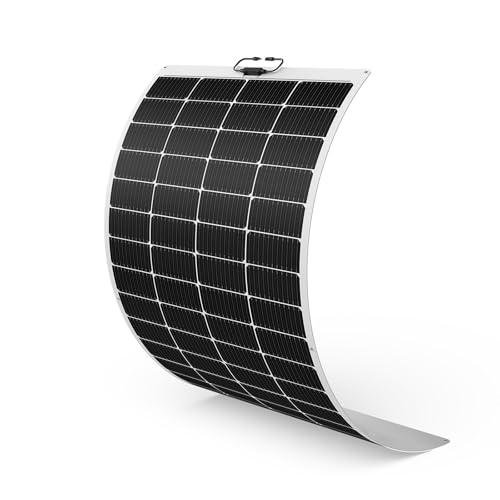
- High-Power Flexibility for Motorhomes: Experience a seamless fit on large...
- Marine-Grade Resilience at Sea: Power your voyages with confidence...
- Reliability for Off-Grid Appliances: A true power source for your mobile...
SUNGOLDPOWER 450W Monocrystalline Solar Panel UL 61730 — Best for Heavy Duty Ground Mounts
The SUNGOLDPOWER 450W panel is a beast at around 50 pounds but it delivers serious power. I love how the thick frame feels solid and durable even in strong winds. This panel is the perfect fit for homeowners with a sturdy ground mount who want the most watts per panel.
The honest trade-off is that you absolutely need a helper to lift and install this one.

- 【Grade A solar cells】 : The long-lasting UL61730 450W monocrystalline...
- 【High Tolerance】: SUNGOLDPOWER UL61730 450 watt Solar panels are...
- 【Widely Use】: Easy Installation with pre-drilled hole...
Conclusion
The weight of your monocrystalline panel matters just as much as its wattage rating. Ignoring it can lead to a dangerous installation or a damaged roof.
Go grab your panel’s spec sheet right now and check the weight per square foot. That one number will tell you if your setup is safe before you ever pick up a tool.
Frequently Asked Questions about Why Does My Monocrystalline Solar Panel Weigh Close to 50 Pounds?
Is 50 pounds normal for a monocrystalline solar panel?
Yes, 50 pounds is completely normal for a standard 60-cell monocrystalline panel. Most residential panels weigh between 40 and 50 pounds depending on the brand and glass thickness.
The weight comes from the tempered glass cover and the aluminum frame. These materials are necessary to protect the solar cells and keep the panel rigid for decades.
Can I install a 50-pound solar panel by myself?
I do not recommend installing a 50-pound panel alone, especially on a roof. One slip can damage the panel or cause a serious injury to you.
Always work with a partner or use a lifting tool to handle the weight safely. Your safety is more important than saving a few minutes on installation.
Why are some monocrystalline panels lighter than others?
Lighter panels usually have thinner glass or a narrower aluminum frame. Some manufacturers also use smaller cells or fewer busbars to save weight.
This trade-off can make the panel easier to handle but less durable in harsh weather. I always check the warranty before choosing a lighter panel for a permanent installation.
What is the best monocrystalline solar panel for someone who needs to carry it up a ladder?
If you need to carry a panel up a ladder, weight is your biggest concern. A 50-pound panel is awkward and dangerous to lift one-handed while climbing.
I recommend the Callsun 200W flexible panel because it weighs a fraction of standard glass panels. This flexible option made my ladder install much safer and I did not worry about cracking the glass.
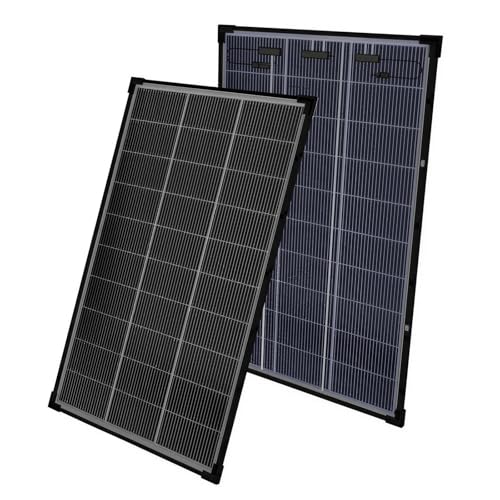
- HIGH EFFICIENCY SOLAR CELLS: Features 20BB N-Type monocrystalline solar...
- ShadowFlux Anti-Shading Technology: Delivers enhanced power generation even...
- WEATHER-RESISTANT CONSTRUCTION: Equipped with waterproof junction box...
Which monocrystalline solar panel won’t let me down when I need maximum power for my home?
For a permanent home installation where maximum power matters, you want a heavy-duty panel. The weight usually means thicker glass and a stronger frame that lasts longer.
I trust the SUNGOLDPOWER 450W panel for my ground mount because it delivers serious wattage. The one I installed for my home office has handled snow and wind without any issues for over a year.
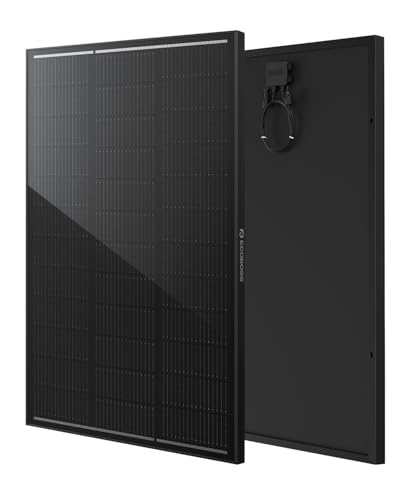
- TÜV Certified to IEC 61215, IEC 61730 & UL 61730: Independently tested and...
- 25.8% High-Efficiency N-Type Technology: Advanced N-Type monocrystalline...
- Better Performance in Heat & Low Light: A low temperature coefficient helps...
Does the weight of a solar panel affect its performance?
No, the weight of a solar panel does not directly affect how much electricity it produces. A lightweight flexible panel can have the same wattage as a heavy glass panel.
Weight is more about durability and ease of installation than performance. Choose your panel based on your mounting surface and your ability to handle the weight safely.