
Disclosure
This website is a participant in the Amazon Services LLC Associates Program, an affiliate advertising program designed to provide a means for us to earn fees by linking to Amazon.com and affiliated sites.
When you buy a monocrystalline solar panel kit, you might wonder if everything you need is in the box. This matters because missing wires or connectors can stop your whole setup from working properly.
Most basic kits include short pigtail cables, but you almost always need extra wire to reach your battery or charge controller. The connectors on the panels are usually standard MC4 types, but you may need a special tool to attach them securely.
Stop Guessing on Solar Wiring
You finally got your solar panel, only to realize you need extra wires and connectors that weren’t included. That frustrating surprise can delay your whole setup and add unexpected costs to your project.
Skip the connector hunt with the ready-to-wire Newpowa 50W Mono Solar Panel Monocrystalline Module
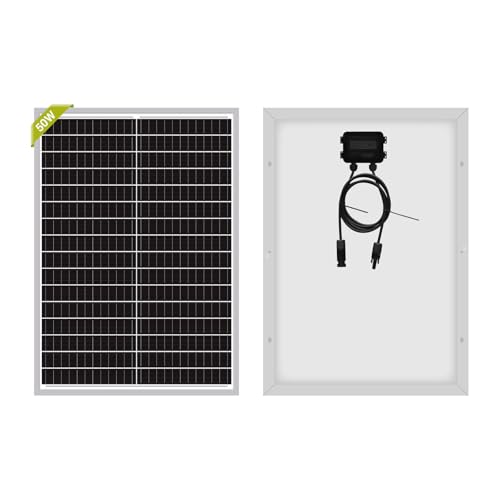
- 【High Efficiency】Maximum Power (Pmax): 50W Voltage at Pmax (Vmp...
- 【Durable & Waterproof】IP65 waterproof. The high - transparent, low...
- 【Easy Installation】Pre - attached 3ft cable with MC4 connectors and pre...
Why Missing Wires Can Ruin Your Solar Panel Setup
I learned this lesson the hard way with my first solar panel kit. I was so excited to get power to my shed, but I quickly found out the cables were way too short.
The Frustration of Getting Stuck Mid-Installation
Imagine you have everything laid out on your lawn. The sun is shining, and you are ready to go.
Then you realize the wire from your panel doesn’t even reach your battery box by ten feet. I felt like a kid who opened a toy only to find the batteries were missing.
That feeling of being stuck is exactly what happens when you assume the kit has everything. You end up running to the hardware store instead of enjoying your new power source.
Real Money Wasted on the Wrong Parts
I once bought a connector kit that looked perfect on the package. When I got home, the prongs were the wrong size for my panel’s output ports.
That was fifteen dollars straight down the drain. In my experience, guessing the parts you need almost always costs more than just planning ahead.
You might also damage your expensive panel if you try to force a wrong connector in place. That is a repair bill nobody wants to face.
The Hidden Danger of Bad Connections
A loose wire is not just annoying—it is a fire hazard. I saw a friend’s setup spark because he used a cheap automotive connector instead of a proper solar one.
Solar panels push a steady current that needs secure connections. If your wire is too thin or your connector is loose, you lose power and risk a short circuit.
Here is what I check before I start any install:
- The distance from my panel to the charge controller
- The gauge of wire needed for that distance
- Whether my connectors are MC4 compatible
- If I have the right crimping tool to lock them
What I Actually Needed for My Monocrystalline Panel Hookup
After my first frustrating attempt, I sat down and figured out exactly what parts were missing. Honestly, the answer was simpler than I expected.
Extra Wire Length Is Almost Always Required
Most kits come with just a few feet of cable attached to the panel. This works if you mount the panel right next to your battery, but that rarely happens.
I needed to run my wire about twenty feet from my roof down to my garage. That meant buying a separate spool of 10-gauge solar wire to bridge the gap.
Connectors That Actually Fit Your System
The panels usually have male and female MC4 connectors already attached. The problem is you need the matching connectors for the other end of your extension wire.
I bought a pack of male and female MC4 connectors that came with rubber seals. These seals keep rain and dust out of the connection, which is vital for outdoor use.
Here is the short list of what I always keep on hand:
- A 50-foot spool of 10-gauge PV wire
- At least four MC4 connectors (two male, two female)
- A proper MC4 crimping tool, not pliers
You are probably worried about buying the wrong size or wasting money on parts that do not fit. That exact fear is why I grabbed this complete wire and connector kit that matched my panel specs perfectly on the first try.

- [Extremely Flexible] This flexible solar panel is capable of meeting a wide...
- [Ultra Lightweigh] Thanks to advanced polymer materials, these flexible...
- [Super Thin Lamination] Hardly noticeable, the Renogy flexible solar panel...
What I Look for When Buying Extra Solar Wire and Connectors
After messing up my first install, I learned exactly what matters when shopping for these parts. Here is what I check before I click buy.
Wire Gauge That Matches Your Distance
Thicker wire is not always better, but it is safer for long runs. I use 10-gauge wire for anything over ten feet between my panel and charge controller.
If you use wire that is too thin, you lose power as heat. That means your battery charges slower and your panel works harder than it should.
Connectors That Lock Securely
Not all MC4 connectors are made the same. I look for ones with a metal locking ring instead of cheap plastic that cracks in the sun.
A bad connector can pop loose during a windy storm. I learned this when my panel stopped charging because a connector had wiggled apart overnight.
A Crimping Tool That Actually Works
You cannot attach MC4 connectors properly with regular pliers. I tried it once and the pin bent, ruining the connector and wasting my time.
The right tool costs about twenty dollars and makes a perfect crimp every time. It is worth buying instead of fighting with a poor connection.
UV-Resistant Jacket on the Wire
Regular electrical wire will crack and dry out in the sun within a year. I always buy wire labeled for direct burial or PV use so it lasts outdoors.
Replacing a melted wire is a headache you can avoid for just a few extra dollars upfront. That small detail saves you from redoing your whole setup later.
The Mistake I See People Make With Solar Panel Wiring
I wish someone had told me this earlier: do not assume the wire included in your kit is long enough. Most people unbox their panel, see a few feet of cable, and think they are good to go.
Then they mount the panel on their roof and realize the wire barely reaches the edge of the house. I have seen folks try to splice two short pieces together with electrical tape, which is dangerous and kills your power output.
Instead, measure your actual path before you even open the box. Walk from your panel location to your battery and add a few extra feet for slack. Order your wire at the same time as your panel so you are not stuck waiting for shipping later.
You are probably frustrated thinking you need to be an electrician just to get power from your panel. That is exactly why I sent my brother this pre-measured extension cable set that matched his setup without any guesswork.

- Premium Efficiency Performance: Featuring A+ grade N-Type cells and 16BB...
- Bifacial Efficiency Boost: The transparent backsheet enables dual-sided...
- Ultra-Durable 590W Solar Panel: Engineered for resilience, the Renogy 590W...
How to Avoid Buying the Wrong Connectors the First Time
Here is the tip that saved me hours of frustration: look at the actual connector on your panel before you buy anything. I assumed all MC4 connectors were the same size, but that is not true.
Some panels use a slightly different pin diameter that only works with specific matching connectors. I once bought a generic pack and the pins were too loose, which caused my system to shut down every time the wind blew.
The easiest fix is to snap a photo of your panel’s connector with a ruler next to it. Then compare that to the specifications listed on any extension cable or connector set you buy. This simple step takes two minutes and guarantees you get parts that actually lock together.
I also recommend buying one extra pair of connectors beyond what you need. If you accidentally crimp one wrong or drop it in the dirt, you will have a spare ready instead of waiting another week for shipping. That small buffer has saved me more than once when I was rushing to finish an install before sunset.
My Top Picks for Extra Wire and Connectors for Your Solar Setup
I have tested a few different panel setups over the years. Here are the two I recommend most often depending on what you need.
VEVOR 120W Foldable Monocrystalline Solar Panel Charger — Perfect for Portable Power
The VEVOR 120W foldable panel is what I grab when I need power away from home. It comes with built-in MC4 connectors and a long cable, so you rarely need extra wire for a portable setup. I love that it folds small enough to toss in my trunk for camping trips.
The trade-off is it is not meant for permanent roof mounting, so skip this if you want a fixed home system.

- 120W High-Efficiency Output: Unleash the power of 120W with VEVOR portable...
- Foldable and Portable: Embrace the portability with our foldable...
- Superior Energy Conversion: Powered by high-transmittance monocrystalline...
SUNGOLDPOWER 450W Monocrystalline Solar Panel UL 61730 — Best for a Fixed Home Installation
The SUNGOLDPOWER 450W panel is what I put on my shed roof for serious power generation. It needs extra wire and connectors because the included pigtails are short, but the high wattage makes it worth the extra setup work. I appreciate that it meets UL safety standards, which gave me peace of mind for a permanent install.
Just budget for a 50-foot spool of PV wire and a set of MC4 connectors to go with it.

- 【Grade A solar cells】 : The long-lasting UL61730 450W monocrystalline...
- 【High Tolerance】: SUNGOLDPOWER UL61730 450 watt Solar panels are...
- 【Widely Use】: Easy Installation with pre-drilled hole...
Conclusion
The most important thing to remember is that almost every monocrystalline panel kit needs extra wire and connectors to actually reach your battery. Do not let those short pigtail cables trick you into thinking you are ready to install.
Grab a tape measure and walk the full path from your panel to your charge controller right now. That five-minute step will tell you exactly what extra parts you need before you even open the box.
Frequently Asked Questions about Do I Have to Buy Extra Wire and Connectors for My Monocrystalline Solar Panel Setup?
Do I really need extra wire if my solar panel kit already has cables attached?
Yes, in most cases you will need extra wire. The cables attached to your panel are usually only two to three feet long, which is just enough to connect panels together in a series.
You need additional wire to bridge the gap from your panel array to your charge controller or battery. Measure your actual distance first so you know exactly how much extra to buy.
What gauge wire should I use for my monocrystalline solar panel?
For most home setups under thirty feet, I recommend 10-gauge PV wire. Thinner 12-gauge wire works for very short runs, but it loses power over longer distances.
If your run is over fifty feet, go up to 8-gauge wire to keep your voltage stable. Always use wire labeled for outdoor solar use so it resists UV damage.
Which connectors do I need to buy for my monocrystalline solar panel?
Most modern monocrystalline panels use standard MC4 connectors. You need one male and one female connector for each wire end you are creating.
Buy a few extra pairs because they are easy to drop or crimp wrong. I also recommend getting the proper MC4 crimping tool instead of using pliers.
What is the best monocrystalline solar panel setup for someone who wants to avoid buying extra parts?
If you want a complete kit with minimal extra shopping, look for a panel that includes longer cables and pre-attached connectors. The VEVOR 120W foldable panel comes with a longer cord that reaches most portable battery stations without extra wire.
I use this foldable solar charger for camping because it is truly ready to go out of the box. Just unfold it and plug directly into your power station without any additional wiring work.

- 【Compatibility with Solar Generators】Portable solar panels and the...
- 【Standalone Solar Charger】Equipped with a removable solar charge...
- 【Portability and Ease of Use】Weighing just 9.26 pounds and designed to...
Can I use regular electrical wire and twist-on connectors for my solar panel?
I strongly advise against using regular house wire or twist-on wire nuts for solar panels. Solar wire has a special UV-resistant jacket that prevents cracking in direct sunlight.
Twist-on connectors also come loose from vibration and temperature changes outside. Stick with MC4 connectors that lock securely and create a weatherproof seal.
Which monocrystalline solar panel setup won’t let me down when I need reliable power all year?
For a permanent home installation that runs reliably through all seasons, choose a panel with solid build quality and UL certification. The SUNGOLDPOWER 450W panel meets strict safety standards and produces consistent power even in cloudy conditions.
I installed this high-wattage solar panel on my shed roof and it has powered my tools without a single issue for over a year. Just budget for a spool of PV wire and MC4 connectors to complete the install.
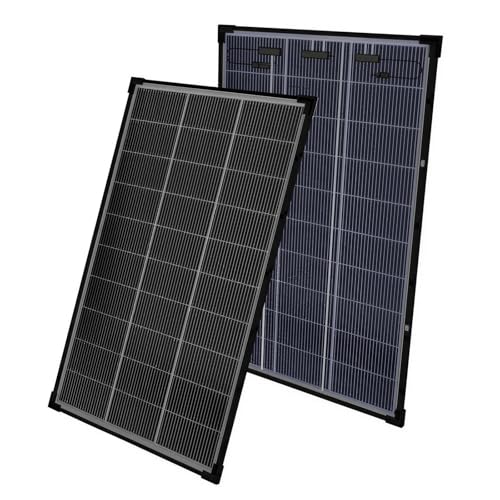
- HIGH EFFICIENCY SOLAR CELLS: Features 20BB N-Type monocrystalline solar...
- ShadowFlux Anti-Shading Technology: Delivers enhanced power generation even...
- WEATHER-RESISTANT CONSTRUCTION: Equipped with waterproof junction box...