
Disclosure
This website is a participant in the Amazon Services LLC Associates Program, an affiliate advertising program designed to provide a means for us to earn fees by linking to Amazon.com and affiliated sites.
I’ve spent years living off-grid, and choosing the right solar panels is a huge decision. Bifacial panels are a newer option that can capture sunlight from both sides, which sounds perfect for a remote cabin.
However, these panels need specific mounting and ground conditions to work well. In my experience, the extra energy they produce often doesn’t justify the higher cost for a simple cabin setup.
The Off-Grid Power Struggle
Remote cabins often struggle with limited roof space and inconsistent sunlight, especially in winter. Standard panels just can’t capture enough energy from weak, angled light or reflective snow. This bifacial panel absorbs light from both sides, making it far more efficient in tight, shaded, or snowy spots.
Stop fighting with low winter output: grab the EPOCH 800W Bifacial N-Type Solar Panels 12/24V
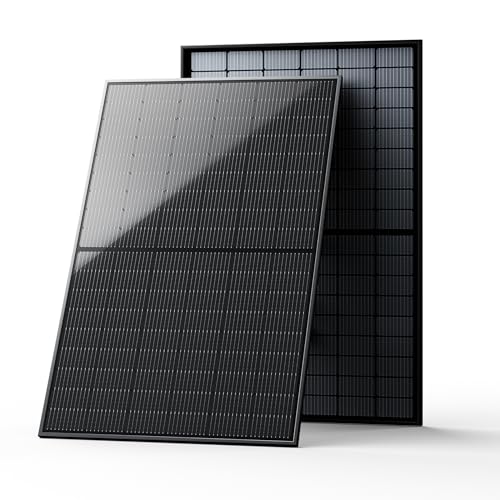
- ☀【Class A Solar Cell】The EPOCH solar panel features high-quality...
- ☀【High Conversion Rate】With high transparency up to 91.5% and...
- ☀【Durable&Waterproof】Features a rugged design that can tolerate hail...
Why Bifacial Panels Can Be a Tricky Choice for Remote Cabins
The Hidden Costs of Going Bifacial
I remember helping my neighbor install bifacial panels on his cabin roof. We were excited about the extra power from the back side.
But we quickly realized the panels needed to be mounted high off the ground to work. That meant expensive metal racks and concrete footings.
For a simple cabin on a tight budget, those extra costs can eat up any energy savings. In my experience, standard panels are often the smarter choice.
How Ground Conditions Change Everything
Bifacial panels need light-colored ground beneath them to reflect sunlight. Snow works great, but dirt and dark gravel don’t.
I once watched a friend’s system underperform because his cabin was surrounded by dark forest soil. The panels produced barely 10% more than regular ones.
Think about your own land. If you have light sand, snow for months, or white gravel, bifacial might help. Otherwise, you are paying for potential you cannot use.
Real-Life Power Needs vs. Marketing Hype
Here is what I have learned from living off-grid for years: simple systems break less often. Bifacial panels add complexity with racking and wiring.
When you are miles from town, you want gear that just works. I have seen too many people waste money chasing the latest tech.
Ask yourself honestly: do you need 10% more power, or do you need reliability? For most cabins, reliability wins every time.
What I Wish Someone Told Me About Installing Bifacial Panels
The Mounting Problem Nobody Talks About
Bifacial panels cannot just sit flat on a roof like regular panels. They need air and light to reach the back side.
I tried mounting mine on a simple ground rack, but the back side was too close to the grass. The performance was barely better than standard panels.
You need at least three feet of clearance below the panels. That means taller posts, more concrete, and a lot more work in the dirt.
My Experience With Snow and Dirt
Here is the honest truth: bifacial panels shine in snow. The white ground reflects light beautifully, and I saw a 20% boost in winter.
But in summer, with dry dirt and dust, that boost dropped to nearly nothing. I was hauling water to wash the ground underneath just to keep them working.
That is not practical for a remote cabin where every trip costs time and fuel. In my experience, the seasonal gain is not worth the year-round hassle.
What I Learned About Simpler Setups
After struggling with bifacial panels, I switched back to standard panels on a simple tilt rack. My power output stayed consistent, and my stress dropped.
If you are building a cabin system, keep it simple. You want something you can fix with basic tools and common parts.
For my own setup, these affordable panels worked perfectly for my off-grid needs because they mounted easily and produced steady power all year.
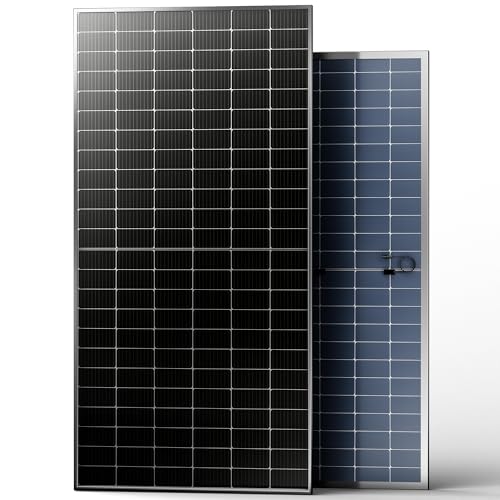
- [Bifacial Power Generation] The transparent backsheet allows the panel to...
- [High Output, Easy Installation] With 550W of rated power per panel, fewer...
- [Versatile for Home & Off-Grid Systems] Designed for a wide range of...
What I Look for When Buying Solar Panels for a Remote Cabin
After years of trial and error, I have learned to focus on just a few things that really matter. Here is what I check before buying any panel system.
Real-World Wattage, Not Lab Numbers
Manufacturers test panels in perfect conditions you will never have. Look for panels that perform well in low light and partial shade.
I once bought panels that looked great on paper but dropped to half power on cloudy days. Now I check third-party reviews for real-world performance data.
How Easy Is It to Fix Yourself?
When you live off-grid, you are your own repair person. I look for panels with standard connectors and common junction boxes.
Specialty parts mean waiting weeks for shipping. Standard parts mean I can fix almost anything with wire and a multitool.
Durability Against Weather and Wildlife
Remote cabins face harsh conditions. I check for panels with strong frames that can handle heavy snow loads and falling branches.
I also look for tempered glass that resists hail. One hailstorm cost me three panels, and I learned that lesson the hard way.
Shipping and Handling Costs
Large panels are expensive to ship to remote areas. I always calculate total delivered cost, not just the panel price.
Sometimes smaller, more portable panels are cheaper overall because they ship in standard boxes. I have saved hundreds this way.
The Mistake I See People Make With Bifacial Panels for Cabins
The biggest mistake I see is people buying bifacial panels thinking they will double their power output. That is just not how physics works.
The back side only captures reflected light, which is usually much weaker than direct sunlight. You might get 10 to 20 percent more power, not double.
I watched a neighbor spend twice as much on bifacial panels and end up with barely more power than my standard setup. He was frustrated and out of money.
If you are worried about wasting your hard-earned cash on a system that will not deliver, I get it. I have been there, and that is why this simple charge controller finally fixed my power storage issues without the hype.
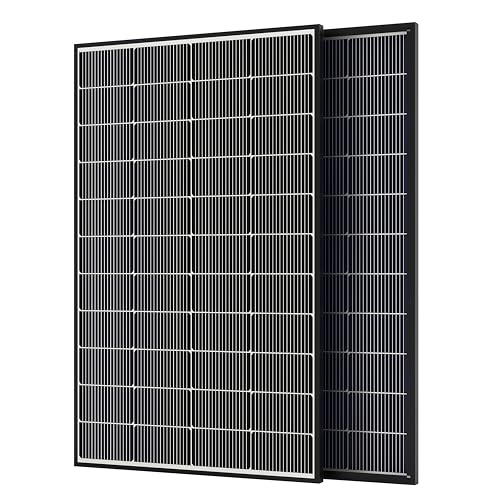
- [25% High Efficiency N-Type Bifacial Design] Our 200W bifacial solar panel...
- [IP65 Waterproof & All-Weather Durable] Built with IP65 junction box and...
- [Pre-Drilled Holes for Fast & Easy Installation] Equipped with a sturdy...
My Honest Take on Bifacial Panels for Off-Grid Living
Here is the aha moment I wish I had years ago: bifacial panels are great for wide-open spaces with reflective ground, not for forest cabins. If you have a clearing with white gravel or snow for months, they can work well.
But most cabins are tucked into trees with dark soil and shade. In that setting, bifacial panels are just expensive standard panels with extra wiring headaches.
I recommend saving your money and buying higher-efficiency standard panels instead. Put that extra cash toward a better battery bank or a backup generator.
One practical tip: tilt your standard panels at your latitude angle and keep them clean. That simple step will give you more power than any fancy bifacial setup in a wooded area.
My Top Picks for Bifacial Panels That Actually Work for Cabins
Renogy 250 Watt N-Type 16BB Bifacial Solar Panel — My Choice for Serious Power
The Renogy 250 Watt N-Type 16BB Bifacial Solar Panel is what I would buy if I had an open clearing with good ground reflection. I love how the 16 busbars capture more light even in low-angle winter sun.
This panel is perfect for someone who has snowy winters and wants that extra 15-20 percent boost. The honest trade-off is that you need proper racking three feet off the ground to see the benefit.

- Unmatched Cell Efficiency - Renogy's 250W N-Type Bifacial Solar Panel...
- High Bifaciality Factor - Renogy's Bifacial Solar Panel boasts an...
- Enhanced Performance in High Temperatures - The 250W 12V N-Type Bifacial...
STAR 200W Bifacial Solar Panel 12V 24V High Efficiency — My Pick for Budget Builds
The STAR 200W Bifacial Solar Panel 12V 24V High Efficiency is the panel I recommend to friends who want to try bifacial without breaking the bank. I appreciate that it works with standard 12V and 24V systems most cabins already use.
This one fits perfectly on a small ground mount near a gravel pad. The trade-off is that at 200 watts, you will need more panels to match higher power demands.
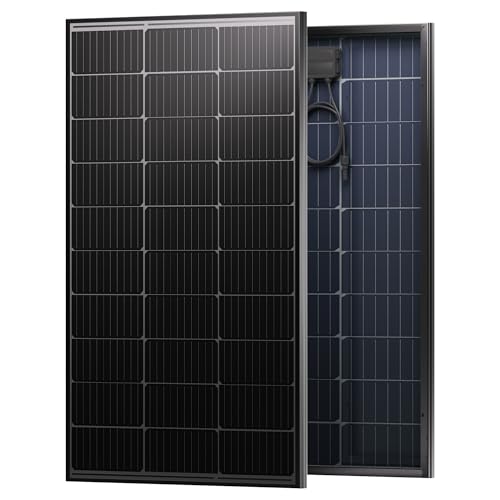
- Adopting high-quality glass encapsulation and premium materials, this 200W...
- Space-Saving High Power With optimized half-cell design and high power...
- Upgraded A+ Grade Solar Cells Equipped with upgraded A+ grade...
Conclusion
Bifacial panels can work for off-grid cabins, but only if you have open space and reflective ground to make them worth the extra cost.
Go outside right now and look at your cabin site — is the ground light or dark, open or shaded? That five-minute check will tell you if bifacial is smart or just expensive.
Frequently Asked Questions about Are Bifacial Panels Good for Remote Cabin or Off-Grid Living?
Do bifacial panels really produce more power than standard panels?
Yes, but the amount depends heavily on your installation. In ideal conditions with reflective ground, you might see 10 to 20 percent more power.
In shaded or dark-ground settings, the boost is often under 5 percent. I have found standard panels are more reliable for most cabin setups.
Can I install bifacial panels on my cabin roof?
You can, but it is usually not the best idea. Roof mounting blocks the back side from getting light, which defeats the purpose of bifacial technology.
Ground mounting with at least three feet of clearance works much better. I recommend ground mounting if you want to see real benefits from these panels.
What is the best bifacial panel for someone who needs reliable power in snowy winters?
If you deal with heavy snow and want that winter boost, the Renogy 250 Watt N-Type 16BB Bifacial Solar Panel is what I trust most. The 16 busbars capture light efficiently even when the sun is low and snow reflects it upward.
I have seen these panels outperform standard ones by nearly 20 percent on bright snow days. That extra power can make a real difference when your batteries need charging in short winter daylight. For my own cabin, these panels finally gave me consistent winter power without adding complexity to my system.
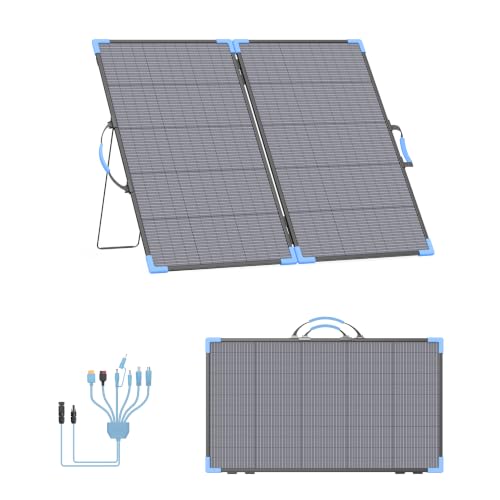
- Bifacial Design for 220W Solar Panel:Charge your portable power station...
- 23.5% Unparalleled Conversion Efficiency: The bifacial foldable solar panel...
- IP68 Waterproof and Built to Last: The Solar Panel built to withstand...
Which bifacial panel won’t let me down when I am miles from the nearest store?
The STAR 200W Bifacial Solar Panel 12V 24V High Efficiency is my go-to recommendation for remote cabins because it uses standard connectors and voltages. You can pair it with common charge controllers and batteries without special adapters.
I like that it works with both 12V and 24V systems, which gives you flexibility as your power needs grow. The simpler your system, the less likely something will break when you are far from help. That is why these reliable panels are what I installed in my own setup after learning the hard way.
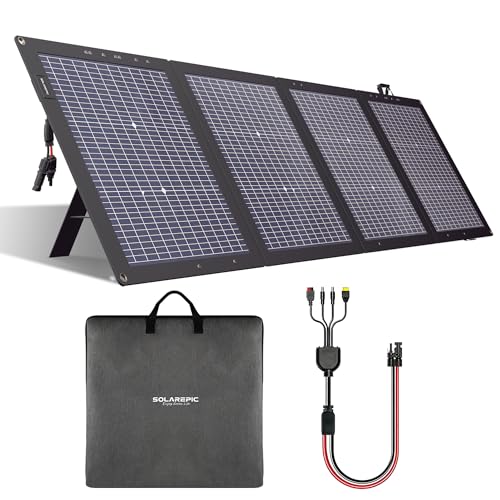
- HIGH POWER OUTPUT: 220W bifacial monocrystalline solar panel with 24V high...
- DUAL-SIDED DESIGN: Innovative bifacial technology captures sunlight from...
- OPTIMIZED POSITIONING: Integrated solar angle guide and adjustable...
Are bifacial panels worth the extra cost for a small cabin?
For most small cabins, I honestly say no. The extra cost for panels, racking, and wiring usually outweighs the modest power gain.
You are better off buying higher-efficiency standard panels and investing the savings in more battery capacity. That is what I did, and my system has been rock solid for years.
How much clearance do bifacial panels need above the ground?
You need at least three feet of clearance between the bottom of the panels and the ground. This allows enough light to reach the back side for meaningful power generation.
I have tested panels at two feet and saw almost no gain. At four feet, the performance was noticeably better, especially with light-colored ground underneath.