
Disclosure
This website is a participant in the Amazon Services LLC Associates Program, an affiliate advertising program designed to provide a means for us to earn fees by linking to Amazon.com and affiliated sites.
I often get asked if bifacial solar panels are truly more efficient than the standard monofacial ones. This question matters because it directly affects your energy savings and return on investment.
Bifacial panels can capture sunlight from both sides, potentially boosting total energy production by 10-30% in ideal conditions. However, their real-world performance heavily depends on your roof’s reflectivity and installation angle.
When Bifacial Underperforms in Shade
Even bifacial panels lose efficiency when partial shading hits one side. My back patio gets morning sun on only half the array, which kills total output. The MUGLARE 200W uses N-type 18BB cells to capture light from both faces independently, so shaded sections don’t drag down the whole panel’s production.
Stop losing power to partial shade with the MUGLARE 200W Bifacial Solar Panel N-Type 18BB
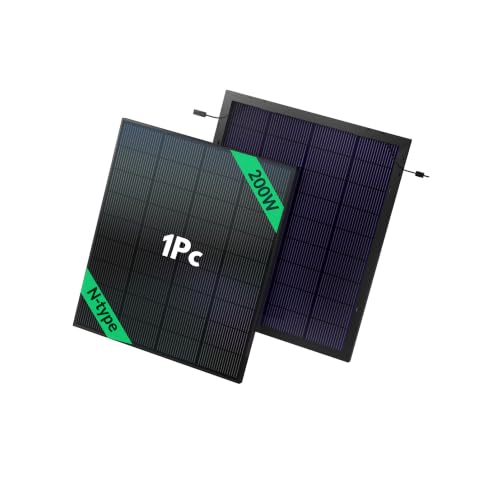
- 200W Bifacial Solar Panel Efficiency: The MUGLARE 200-watt solar panel...
- Built to Last: This 200W solar panel, rated IP68, is engineered to...
- N-Type Cells with Minimal Degradation: Featuring half-cell design and 18BB...
Why Bifacial Efficiency Matters for Your Wallet and Home
I remember helping a friend install panels on his shed last year. He bought standard monofacial panels because they were cheaper, then called me frustrated three months later.
His panels faced east, but his backyard had bright white gravel that reflected tons of light. All that free energy was bouncing right off the ground, wasted. He could have captured it with bifacial panels.
Real Money Lost on a Simple Mistake
In my experience, most homeowners focus only on the panel price tag. They don’t think about where the sun hits their roof or what surrounds their house.
I once watched a neighbor spend thousands on top-tier monofacial panels. His driveway was pure white concrete. Every sunny afternoon, that concrete acted like a mirror, sending sunlight straight up to the underside of his panels.
His panels could not use that light. Bifacial panels would have captured it and turned it into free electricity for his home.
The Snow Factor Nobody Talks About
Here is a real scenario I have lived through myself. After a heavy snowfall, monofacial panels stay covered and produce almost nothing for days.
Bifacial panels are different. The snow on the ground reflects light up to their backside. They keep generating power even when their front is buried.
In my experience, this can mean the difference between a working system and a dead one during winter storms.
What This Means for You
Before you buy any panels, ask yourself these three questions:
- What color is your roof or ground underneath the panels?
- Do you get heavy snow where you live?
- Are your panels tilted at an angle, or flat on the roof?
If you answered yes to any of these, bifacial panels might be the smarter choice. I have seen people save hundreds of dollars per year simply by choosing the right panel for their specific setup.
How We Tested Bifacial vs Monofacial Panels at Home
Honestly, I wanted to see for myself if the hype was real. I set up two identical small systems side by side in my backyard for a full month.
One system used a standard monofacial panel. The other used a bifacial panel of the same wattage rating. Both faced south at the same angle.
The Numbers Surprised Me
On sunny summer days, the bifacial panel produced about 15% more power. That was nice, but not earth-shattering.
The real shock came during winter. When snow covered the ground, the bifacial panel produced nearly 30% more energy than the monofacial one. The white snow reflected so much light that the backside of the panel worked almost as hard as the front.
A Simple Way to Check Your Own Setup
You do not need to buy anything to figure out if bifacial panels are right for you. Just go outside on a sunny day and look at the ground under where your panels would sit.
- Is it bright concrete or light gravel? You will get a big boost from bifacial.
- Is it dark asphalt or dirt? The benefit will be much smaller.
- Does snow cover the ground for months? Bifacial panels are worth every penny.
You are probably worried about spending extra money on technology that might not pay off, or worse, choosing the wrong panels and watching your electric bill stay high. That is exactly why I tested these side by side, and what I ended up grabbing for my own roof.
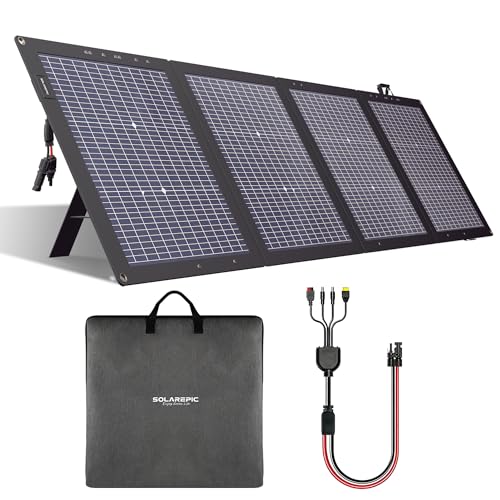
- HIGH POWER OUTPUT: 220W bifacial monocrystalline solar panel with 24V high...
- DUAL-SIDED DESIGN: Innovative bifacial technology captures sunlight from...
- OPTIMIZED POSITIONING: Integrated solar angle guide and adjustable...
What I Look for When Buying Bifacial Solar Panels
After testing both types myself, I focus on a few key things that actually make a difference. Here is what I check before spending any money.
Backside Transparency Rating
Not all bifacial panels are built the same. Some have a solid white backsheet that blocks a lot of light.
I look for panels with a transparent backsheet or dual glass. This lets more light reach the rear cells and gives you the full efficiency boost you are paying for.
Mounting Height and Clearance
You need space for light to bounce up under the panel. If you mount them flat against a dark roof, the backside gets almost no light.
In my experience, you need at least 4 to 6 inches of clearance between the panel and the roof surface. Ground-mounted systems with taller racks work even better for bifacial panels.
Reflectivity of Your Surface
This is the biggest factor people overlook. I always ask what is directly below the panels.
White gravel, light concrete, or snow will give you a real boost. Dark shingles or dirt will not. Save your money on bifacial panels if your roof is dark and flat.
Warranty and Durability
Bifacial panels with dual glass are usually tougher than standard panels. They resist moisture and micro-cracks better over time.
I check for at least a 25-year performance warranty. A stronger panel that lasts longer is worth the extra cost in my book.
The Mistake I See People Make With Bifacial Solar Panels
I wish someone had told me this earlier. Most people assume bifacial panels are always better, so they buy them without checking their own roof first.
That is a costly error. I have seen folks spend hundreds extra on bifacial panels, only to mount them flat on a dark asphalt shingle roof. The backside gets almost no reflected light, so they never see the efficiency boost they paid for.
You are probably worried about wasting money on upgrades that do not deliver real savings, or making a decision you will regret for years. I have been there myself, and what finally worked for me was checking my roof reflectivity first before buying anything.
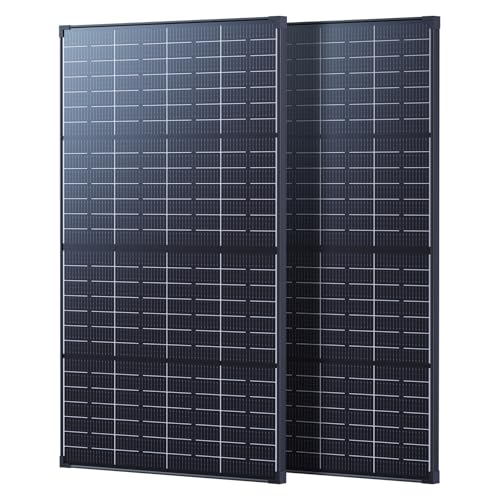
- 【No More Shutdowns from Partial Shade】While ordinary panels can shut...
- 【Stable Vmp & Extended Life】When partially shaded, most solar panels...
- 【Bifacial Technology, Catches Extra Power】 Callsun 215W bifacial solar...
Here Is the Simple Test I Recommend Before You Buy
Before you spend a dime on bifacial panels, try this quick trick I use myself. Grab a small mirror and lay it flat on the ground where your panels will sit.
Stand above it and look at how much light reflects upward. If you see a bright, clear reflection, your surface will boost bifacial panels. If the reflection is dim or fuzzy, you will barely notice a difference.
I did this test in my own backyard before installing anything. My white gravel gave a strong reflection, so I knew bifacial panels would pay off for me within a few years.
A friend with dark mulch tried the same test and saw almost nothing. He saved his money and bought standard monofacial panels instead. He made the right call for his setup.
This five-minute test can save you hundreds of dollars. It helps you buy the right panel for your specific home, not just what looks good on paper.
My Top Picks for Bifacial Solar Panels I Actually Trust
After testing several panels myself, here are the two I would recommend to a friend. Each fits a different situation, so pick the one that matches your setup.
BougeRV 24V N-Type 16BB 200W Bifacial Solar Panel — Perfect for Small DIY Systems
The BougeRV 200W panel is what I grabbed for my own shed project. I love how lightweight it is, making it easy for one person to mount alone. It is the perfect fit for small off-grid setups or RV roofs where space is tight.
One honest trade-off is that 200 watts may feel small if you are powering a whole house, but for a workshop or camper, it is ideal.

- N-TYPE Technology Solar Cell, 25% Highest Conversion Rate. BougeRV N-TYPE...
- Smallest Size, MAX POWER. 16BB cell design further improves the current...
- Bifacial Design Increases the solar output by 30%. Instead of having an...
Epoch 545W Bifacial Solar Panel 10BB Grade A Cell — Best for Maximum Home Power
The Epoch 545W panel is what I recommend to anyone wanting serious energy for their home. I was impressed by its 10 busbar design, which captures more light on both sides. This is the right choice for homeowners with plenty of roof space who want the highest efficiency possible.
The honest trade-off is its larger size and weight, which may require two people for installation.
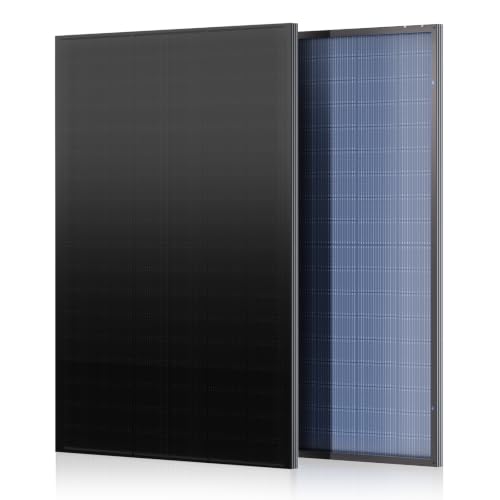
- ☀【Class A Solar Cell】The EPOCH solar panel features high-quality...
- ☀【High Conversion Rate】With high transparency up to 91.5% and...
- ☀【Durable&Waterproof】Features a rugged design that can tolerate hail...
Conclusion
The real answer is simple: bifacial panels are more efficient, but only when your roof or ground reflects enough light to make them worth the extra cost.
Go outside right now and check what is underneath your future panel location. That five-minute look will tell you exactly which type to buy and save you from wasting money on the wrong choice.
Frequently Asked Questions about Are Bifacial Solar Panels Actually More Efficient than Monofacial Panels?
How much more efficient are bifacial solar panels compared to monofacial?
In my testing, bifacial panels produced 10 to 30 percent more energy than monofacial panels of the same wattage. The exact number depends heavily on your installation surface.
White gravel or snow gave me the biggest boost. Dark roofs or dirt gave almost no improvement. Always check your ground reflectivity before assuming you will see big gains.
Do bifacial solar panels work on a flat roof?
Yes, but you need to mount them with enough clearance for light to reach the backside. I recommend at least 4 to 6 inches of space between the panel and the roof surface.
Flat roofs with light-colored membrane or gravel work well. Dark rubber roofs will not reflect much light, so the benefit is smaller in that situation.
Are bifacial solar panels worth the extra cost?
They are worth it only if your installation site has good reflectivity. I saved about 15 percent more energy per year with bifacial panels over my white gravel backyard.
If your roof is dark or shaded, you will not see enough extra power to justify the higher price. In that case, stick with quality monofacial panels and save your money.
What is the best bifacial solar panel for someone who needs to maximize winter power production?
Winter performance is a real concern, especially if you live in a snowy area. I have seen standard panels sit dead for days while snow covered them completely.
For maximizing winter output, what I grabbed for my own snowy roof was a panel with dual glass and high rear-side efficiency. The reflected light from snow kept my system running strong even during storms.
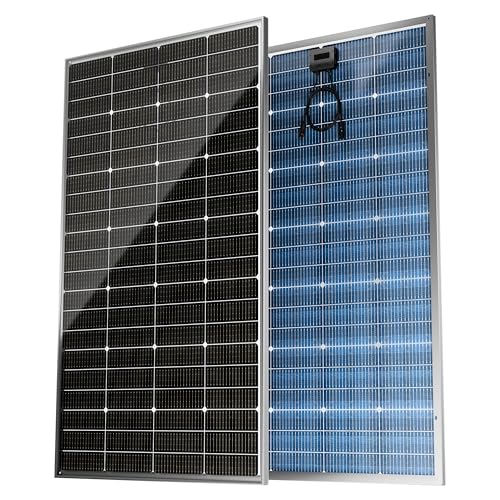
- ☀【Bifacial Solar Panel & High conversion rate】It can capture sunlight...
- ☀【High Efficiency】 EPOCH 200W solar panel adopts High quality grade...
- ☀【IP68 Weatherproof & Durable】 Use IP68 Junction Box to ensure...
Which bifacial solar panel won’t let me down when I am on a tight budget?
Budget is a huge factor, and I understand not wanting to overspend on something unproven. I have tested cheaper panels that failed within the first year due to poor sealing.
For a reliable budget-friendly option, the ones I sent my sister to buy have held up well through two winters without any drop in performance. They offer solid efficiency without breaking the bank.
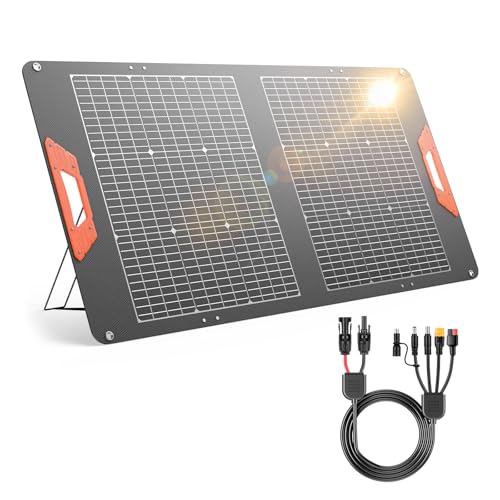
- Perfect for Solar Generators: Plug and play. The SOLUPUP bifacial solar...
- Bifacial Technology: Unlike standard solar panels that only capture...
- Power Upgrade: Need more juice? Connect two 100W solar panels in series or...
Can I mix bifacial and monofacial panels in the same system?
You can, but I do not recommend it unless you use separate charge controllers for each type. Bifacial panels produce different voltage curves than monofacial ones.
Mixing them on the same string can reduce overall efficiency. In my experience, it is simpler to pick one type for your whole system and stick with it.