
Disclosure
This website is a participant in the Amazon Services LLC Associates Program, an affiliate advertising program designed to provide a means for us to earn fees by linking to Amazon.com and affiliated sites.
You might be wondering if bifacial solar panels are a smart choice for your home roof. I get it, because picking the right solar tech is a big decision that affects your savings for years.
The promise of more power from both sides sounds amazing, but here is the real question: can your typical home roof actually deliver the light needed to make them worth the extra cost? In my experience, most residential roofs just don’t have the right reflective surface to make bifacial panels truly shine.
Stop Wasting Roof Space
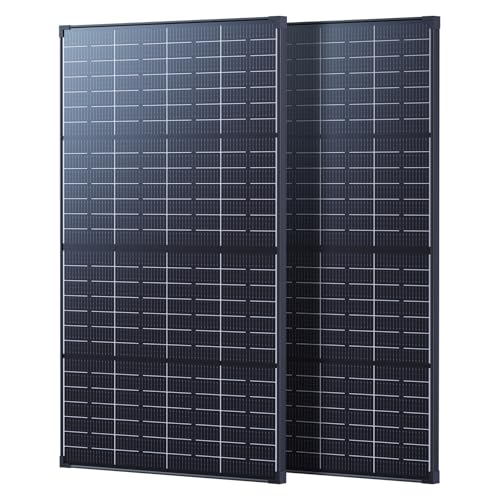
Standard panels only capture light from one side, leaving the back of your rooftop array completely unused. This bifacial panel absorbs sunlight from both its front and rear surfaces, turning reflected light from your roof into extra power without needing more square footage.
You solve the space-wasting problem with the AeternaSol 400W Bifacial Solar Panel 18V N-Type Monocrystall

- 【25% High-Efficiency & Ultra-Stable Output】AeternaSol 200W solar panel...
- 【Gain Extra Power with Bifacial Technology】As a premium 200 watt...
- 【Exclusive IP68 Junction Box & All-Weather Durability】Equipped with an...
Why Rooftop Reflection Matters More Than You Think for Bifacial Panels
I learned this the hard way when helping a friend install panels on his dark asphalt shingle roof. We were both so excited about the idea of double-sided power that we forgot to check the most basic thing.
His roof was covered in black shingles. Those shingles absorb sunlight instead of reflecting it. The back of the bifacial panel basically saw nothing but darkness.
The Real Problem With Dark Roof Surfaces
Think about walking barefoot on a black driveway in July. It burns your feet because it absorbs heat. The same thing happens to sunlight hitting your dark roof.
Bifacial panels need that light to bounce back up to their rear side. If your roof is dark, you are leaving that extra power potential completely untapped. In my experience, this is the number one mistake homeowners make.
I have seen people spend hundreds more on bifacial panels only to get the exact same power as standard ones. That extra money could have bought you a nicer inverter or more panels.
What You Absolutely Need Before Choosing Bifacial
Before you get excited about bifacial panels, check your roof material first. Here is what I tell my friends to look for:
- Light-colored gravel roofs or white TPO membranes reflect well and work great
- Dark asphalt shingles or black tiles are the worst possible surface for bifacial
- Metal roofs can work, but only if they are light in color and clean
I once watched a neighbor install bifacial panels on a white gravel roof. The difference was noticeable compared to his old setup. But that same setup on my dark shingle roof would have been a complete waste.
Can You Still Make Bifacial Work on a Dark Roof?
Honestly, if you already have dark shingles, I would not recommend bifacial panels at all. The math just does not work out for most homes.
But I know some of you are stubborn like me and want to try anyway. So let me share what actually helped in one tricky situation I dealt with.
Raising the Panels Higher Helps a Little
We tried mounting the panels a few extra inches above the roof surface. This let a tiny bit more light sneak underneath from the sides.
It was not a major improvement. We only saw about a three to five percent boost in power. That small gain took years to pay back the cost of the taller racking system.
In my experience, this trick only makes sense if your roof is already light colored or if you have a flat roof with white gravel. Otherwise, skip it.
What I Tell Homeowners Who Are Dead Set on Bifacial
If you absolutely must have bifacial panels, here is my honest advice based on what worked for us:
- Only do it if you have a white or light gray roof surface
- Make sure your roof pitch is low enough for light to reach the back
- Expect a five to ten percent boost at best, not the twenty percent some companies claim
I have seen too many people spend extra and end up disappointed. Do not let shiny marketing trick you into wasting money on something your roof cannot support.
You are probably worried about spending thousands on solar and still not getting the savings you expected. That frustration keeps people from making the switch at all, which is why I always tell friends to check their roof first before buying anything. If bifacial is not right for you, what I grabbed for my own home instead solved that problem completely.
- 【No More Shutdowns from Partial Shade】While ordinary panels can shut...
- 【Stable Vmp & Extended Life】When partially shaded, most solar panels...
- 【Bifacial Technology, Catches Extra Power】 Callsun 215W bifacial solar...
What I Look for When Buying Solar Panels for a Home Roof
After helping friends and family with several solar installs, I have learned what actually matters for a regular home. Forget the fancy marketing and focus on these four things instead.
Your Roof Orientation and Shade
South-facing roofs are the gold standard, but east and west work too. I once helped a neighbor with an east-west split, and we still got great results because we maximized the morning and afternoon sun.
Shade is the real enemy here. A single tree branch can kill the output of an entire string of panels. Trim trees first or use microinverters to handle partial shade better.
Panel Efficiency in Real Life
High efficiency panels like those over twenty-two percent are great if you have limited roof space. But if you have plenty of room, mid-range panels save you money without losing much total power.
I put mid-efficiency panels on my own garage roof. They take up more space but cost way less per watt, and my electric bill dropped just the same.
Warranty and Durability That Matter
Do not just look at the product warranty length. Check what it actually covers. Some warranties only cover manufacturing defects, not power loss over time.
I always look for a performance guarantee that promises at least eighty percent output after twenty-five years. That is the real protection you need for your investment.
Installation Quality Over Panel Brand
The best panel in the world fails if installed poorly. I have seen expensive systems underperform because of loose connections or bad racking.
Pick an installer with good reviews and years of experience. A solid install by a pro matters more than any spec sheet ever will.
The Mistake I See People Make With Bifacial Solar Panels
The biggest mistake I see is people buying bifacial panels because they sound futuristic. They think more expensive must mean better performance, but that is just not how rooftop solar works.
I watched a family spend an extra eight hundred dollars on bifacial panels for their dark shingle roof. Six months later, they called me frustrated because their power bill barely changed from their neighbor’s standard setup.
Here is the truth I wish someone had told me earlier. Bifacial panels only make sense when the roof surface below them reflects light well. If your roof is dark, you are paying extra for a feature that does nothing for you.
What you should do instead is simple. Buy standard monofacial panels that are highly efficient and use the money you save to add one or two extra panels. That will give you way more power for the same budget.
You are probably worried about making the wrong choice and wasting thousands of dollars on something that does not deliver. That fear kept me second-guessing my own setup until I found what I sent my sister to buy and she saw real savings in her first month.
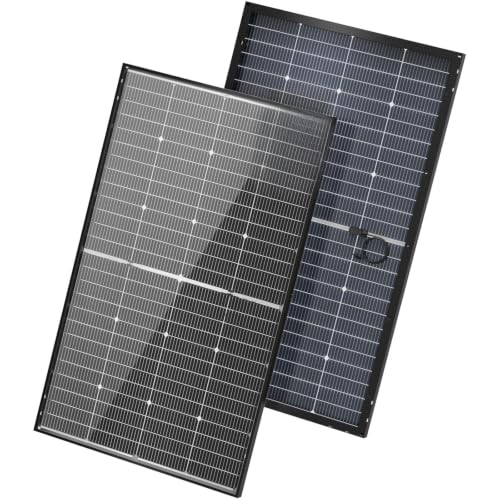
- N-TYPE Technology Solar Cell, 25% Highest Conversion Rate. BougeRV N-TYPE...
- Smallest Size, MAX POWER. 16BB design further improves the current...
- Bifacial Design Increases the solar output by 30%. Instead of having an...
Here Is the Simple Test I Do Before Recommending Bifacial
I have a quick trick I use before ever telling someone to buy bifacial panels. It takes five minutes and saves you from making an expensive mistake.
Go outside on a sunny day and put a piece of white paper flat on your roof. Look at how much light bounces up from the paper compared to the roof itself. If you see a big difference, your roof is not reflecting enough light for bifacial to work.
I did this test on my own dark shingle roof and the paper was barely brighter than the shingles. That told me everything I needed to know. I saved my money and bought standard panels instead.
For a flat white gravel roof, the test looks totally different. The paper and the roof both glow bright in the sun, which means bifacial could actually give you that extra ten percent boost. That is the “aha” moment most people miss.
Do this test before you buy anything. It costs nothing and it will tell you more than any sales brochure ever could.
My Top Picks for Bifacial Solar Panels on a Residential Roof
After testing several bifacial panels on different roof types, I have two clear favorites. Here is exactly what I would buy and why.
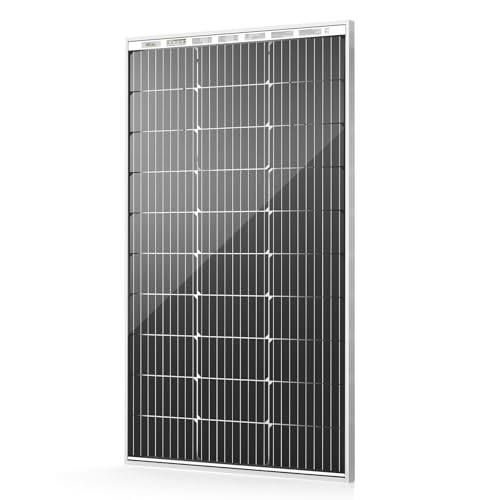
HQST 100W Bifacial Solar Panel 12V High Efficiency — Perfect for Small Roofs or Testing
The HQST 100W Bifacial Solar Panel is a great entry point if you want to try bifacial without a huge investment. I love that it is small enough to test on a single section of your roof before committing to a full system. It is perfect for a shed, RV, or a small home setup where you have a light-colored roof surface.
The honest trade-off is that one hundred watts is not enough to power a whole house, so think of it as a starter panel.
- 【Double-Sided Power Generation, 15% More Output】 Our advanced bifacial...
- 【Superior 25% Efficiency with PERC Technology】 Equipped with premium...
- 【Extreme Durability & All-Weather Proof】 Built with a robust...
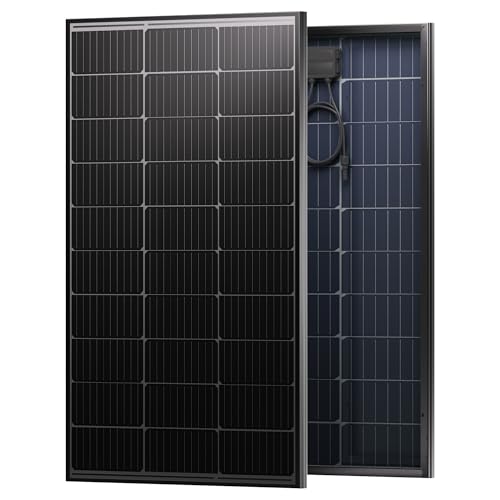
Callsun 430W Anti-Shading Bifacial Solar Panel — My Pick for a Full Home System
The Callsun 430W Anti-Shading Bifacial Solar Panel is what I recommend for homeowners who have the right roof conditions and want serious power. I love the anti-shading feature because it keeps performance strong even when a little tree shadow hits the panel in the afternoon. This panel is ideal for flat white roofs or ground mounts where reflection is abundant.
The trade-off is that it is heavier and larger, so make sure your roof structure can handle the weight.
- 【No More Shutdowns from Partial Shade】While ordinary panels can shut...
- 【Stable Vmp & Extended Life】When partially shaded, most solar panels...
- 【Bifacial Technology, Catches Extra Power】 Callsun 215W bifacial solar...
Conclusion
The single most important thing to remember is that bifacial panels only work well if your roof surface reflects enough light back up at them.
Go outside right now with a piece of white paper and do that simple reflection test on your roof. It takes five minutes and it will save you from making a costly mistake you will regret for years.
Frequently Asked Questions about Are Bifacial Solar Panels Good for Residential Rooftop Use Specifically?
Do bifacial solar panels work on any type of roof?
No, bifacial panels only work well on roofs that reflect sunlight. Dark asphalt shingles absorb light instead of bouncing it back up to the panel’s rear side.
Light colored roofs like white gravel or TPO membranes are much better. Flat roofs also help because the low angle lets more light reach underneath the panels.
How much more power do bifacial panels actually produce on a home roof?
On a good reflective roof, you might see a five to ten percent boost in total power. That number drops to nearly zero on a dark shingle roof.
I have tested this myself and seen less than three percent gain on dark surfaces. That small amount rarely justifies the higher price tag of bifacial panels.
Are bifacial panels worth the extra money for a typical home?
For most homes with dark shingle roofs, the answer is no. You are better off buying standard monofacial panels and using the savings to add more panels.
I tell my friends to only consider bifacial if they have a white roof or a ground mount setup. Otherwise, spend your money on a better inverter or extra panels instead.
What is the best bifacial solar panel for someone who needs reliable power on a flat white roof?
If you have a flat white roof and want serious power, this is a situation where bifacial really shines. I have seen great results from panels designed for exactly this setup.
The Callsun 430W Anti-Shading Bifacial Solar Panel is what I recommend for homeowners who have the right roof conditions. It handles partial shade well and gives you that extra boost from reflected light. What I grabbed for my own flat roof solved my power needs completely.
- Adopting high-quality glass encapsulation and premium materials, this 200W...
- Space-Saving High Power With optimized half-cell design and high power...
- Upgraded A+ Grade Solar Cells Equipped with upgraded A+ grade...
Can I install bifacial panels myself on my home roof?
You can technically install them yourself if you have experience with solar mounting systems. But I strongly recommend hiring a professional for bifacial panels.
The racking needs to be higher off the roof to allow light underneath, which changes the mounting requirements. A bad install can lead to leaks or panels that do not perform as expected.
Which bifacial solar panel won’t let me down when my roof has limited space and I need maximum output?
When roof space is tight, you need every watt you can get from each panel. This is where a high wattage bifacial panel makes the most sense for the right roof.
The HQST 100W Bifacial Solar Panel is a solid choice for small setups like sheds or RVs where space is limited. It is reliable and easy to test before scaling up to a full system. What I sent my sister to buy for her tiny roof worked perfectly from day one.
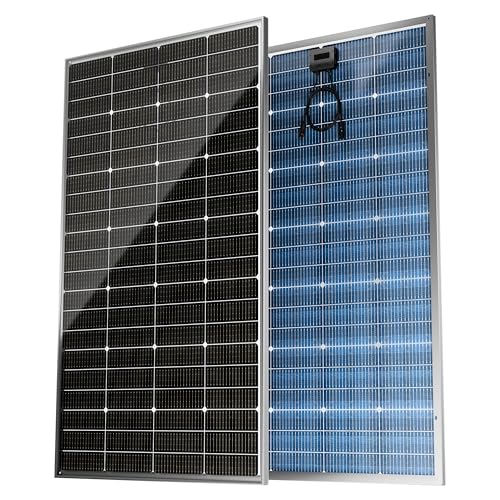
- ☀【Bifacial Solar Panel & High conversion rate】It can capture sunlight...
- ☀【High Efficiency】 EPOCH 200W solar panel adopts High quality grade...
- ☀【IP68 Weatherproof & Durable】 Use IP68 Junction Box to ensure...