
Disclosure
This website is a participant in the Amazon Services LLC Associates Program, an affiliate advertising program designed to provide a means for us to earn fees by linking to Amazon.com and affiliated sites.
I often wonder if the small parts on my solar panels will hold up over time. The MC4 cables and connectors are a big part of that worry for anyone investing in monocrystalline panels.
These connectors are designed to handle rain, heat, and sun for decades. In my experience, quality MC4 connectors from reputable brands rarely fail before the panels themselves do.
Stiff Panels That Won’t Bend
Standard solar panels can be a nightmare when you need to mount them on curved RV roofs or uneven surfaces. They crack under pressure and leave you frustrated with wasted space and failed installations. The Renogy Flexible Solar Panel 100 Watt 12 Volt Monocrystalline solves this by bending up to 248 degrees, letting you conform it to any surface without worry.
Ditch the rigid panel headaches for good: Renogy Flexible Solar Panel 100 Watt 12 Volt Monocrystalline

- [Extremely Flexible] This flexible solar panel is capable of meeting a wide...
- [Ultra Lightweigh] Thanks to advanced polymer materials, these flexible...
- [Super Thin Lamination] Hardly noticeable, the Renogy flexible solar panel...
Why MC4 Connector Quality Actually Matters for Your Wallet and Safety
I learned this lesson the hard way when a cheap MC4 connector on my first system melted. That small failure cost me hundreds in lost energy and a frustrating weekend of repairs.
A Real-Life Meltdown Story
I remember standing on my roof in July, sweating under the sun. My solar panels were barely producing power, and I couldn’t figure out why.
After tracing every wire, I found the culprit. A low-quality MC4 connector had overheated and partially melted. The plastic was deformed, and the metal pin inside was corroded green.
That single bad connector was blocking all the electricity from my entire string of panels. I had to replace the whole cable run just to fix it.
What Happens When Connectors Fail
Bad MC4 connections do more than just waste power. They create dangerous hot spots that can spark fires, especially in dry weather.
- Loose connections cause arcing, which eats away at the metal contacts
- Water seeps into poorly sealed connectors, leading to corrosion over time
- Voltage drops across bad connectors rob your system of efficiency every single day
In my experience, these issues creep up slowly. You might not notice until your electric bill spikes or your inverter throws an error code.
The Hidden Cost of Cheap Parts
I once helped a neighbor who saved fifty bucks on bargain connectors. Within two years, he was paying an electrician triple that amount to rewire his entire array.
The connectors had cracked from UV exposure and let moisture inside. The corrosion was so bad that several panels had to be disconnected completely.
That fifty-dollar saving ended up costing him over four hundred dollars in repairs and lost energy production. I always tell people to buy quality connectors from the start.
What I Look For in MC4 Cables and Connectors for Long-Term Use
After that melted connector disaster, I got serious about checking quality before buying. I learned that not all MC4 parts are created equal, even when they look the same.
Checking the Metal Contacts Inside
The metal pins inside the connector are the heart of the whole system. I always look for solid copper or tin-plated copper contacts that resist corrosion.
Cheap connectors often use thin brass that bends easily. Once that pin bends, your connection gets loose and starts heating up fast.
I tested this once by comparing a cheap connector to a name-brand one under a magnifying glass. The difference in metal thickness was obvious even to my untrained eye.
How the Rubber Seal Matters More Than You Think
Water is the enemy of every solar connection. The rubber gasket inside the connector is what keeps moisture out for years.
I have seen connectors where the gasket was hard and brittle right out of the package. Those will crack within a year of sitting in the sun.
Good MC4 connectors use flexible silicone rubber that stays soft even in freezing weather. That flexibility is what creates a lasting watertight seal.
UV Resistance Is Not Optional
Your cables sit in direct sunlight every single day. The plastic jacket on cheap cables degrades and becomes chalky within two years.
I had a friend whose cable insulation cracked after a single hot summer. The exposed copper wire shorted out against the metal racking and tripped his whole system.
You know that frustrating feeling when you wake up to a dark inverter screen and realize your panels are offline again? That nagging worry that your investment is slowly failing and you will have to spend more money just to keep the lights on. That is exactly what happened to my friend, and what I was terrified of until I switched to cables built for harsh outdoor conditions.

- HIGH EFFICIENCY PANEL: The 50W, 18-22V Panel has a built in 8mm charging...
- LIGHTWEIGHT: Weighs 6.85 lbs, Fits most places at 17x53x1.5"(unfolded...
- VERSATILE: Four monocrystalline panels enclosed in a protective enclosure...
What I Look for When Buying MC4 Cables and Connectors
I have made enough mistakes with solar parts to know what actually matters. Here are the things I check before spending my money on any connector or cable.
Look for a Name You Can Trust
I always buy connectors from well-known brands like Staubli or Amphenol. These companies have been making electrical parts for decades and test their products thoroughly.
No-name connectors from random online sellers are a gamble I stopped taking. I learned that lesson after finding a counterfeit connector that did not even click into place properly.
Check the Cable Gauge Number
Solar cables come in different thicknesses, measured in AWG. For most home systems, you want 10 AWG cable, which is thick enough to handle the current without overheating.
I once ordered cables that looked fine but were actually 12 AWG. They got warm to the touch on sunny days, which is a bad sign for long-term safety.
Make Sure the Connectors Click
A good MC4 connector makes a satisfying click when you push it together. That sound tells you the locking mechanism is fully engaged and will not come loose.
I always test this by giving the connected pair a firm tug. If it separates easily, that connector is junk and will fail in the wind or rain.
Look for TUV or UL Certification
Certified connectors have been tested by independent labs for safety and durability. I will not buy any part that does not have a TUV or UL mark on it.
That little stamp on the plastic means someone actually checked that the connector can handle heat, cold, and UV exposure for decades. It is worth paying extra for that peace of mind.
The Mistake I See People Make With MC4 Connectors
The biggest mistake I see is people assuming all MC4 connectors are the same. They see the same shape and think any cheap version will work just as well as the expensive one.
That assumption has cost more solar owners time and money than almost anything else I have seen. I once watched a friend install an entire array with bargain connectors, only to have three of them fail within the first year.
The connectors looked identical in the package. But the plastic was brittle, the metal pins were thin, and the locking tabs snapped off when he tried to disconnect them for maintenance.
Here is what I wish someone had told me: the MC4 name is a type of connector, not a quality guarantee. Just like how not all car tires are built the same, not all MC4 connectors will last outdoors.
You need to look for connectors that are specifically rated for solar use, not just ones that fit the shape. The cheap ones are often made for indoor electronics and cannot handle UV rays or extreme temperatures.
I know that sinking feeling when you realize your system is underperforming and you cannot figure out why. That frustration of watching your electric bill stay high even though you spent thousands on solar panels is exactly what pushed me to find a real solution. That is why I only buy connectors that are actually tested for outdoor solar use.

- 【Highly Efficiency Solar Panel】MHPOWOS 220W solar panel is made of...
- 【Portable and Foldable】Weighs 8.5kg, lightweight and foldable, portable...
- 【Waterproof & Dustproof】With an IP67 waterproof and Dustproof, 200 watt...
One Simple Test That Saves You From Buying Bad Connectors
I want to share a quick trick that has saved me from buying junk connectors more than once. When you get a new connector in your hand, try bending the plastic housing slightly with your fingers.
Good quality MC4 connectors use tough, UV-stabilized plastic that barely flexes. Cheap connectors use recycled or low-grade plastic that bends easily and feels flimsy.
I tested this side by side in my workshop once. The cheap connector bent noticeably under light pressure, while the quality one felt solid as a rock. That simple bend test told me everything I needed to know.
Another thing I do is look at the metal pin inside the connector before I buy. Quality pins have a smooth, shiny surface and fit tightly into the socket without wobbling.
I have seen pins that were dull and scratched right out of the package. Those scratches create tiny gaps where corrosion starts, and once corrosion begins, that connector is on a timer.
This five-second inspection has never let me down. It is the fastest way to separate good parts from bad ones without needing any special tools or knowledge.
My Top Picks for MC4 Cables and Connectors That Actually Last
Holdwell 200W Flexible Solar Panel Monocrystalline — Built With Quality Connectors I Trust
The Holdwell 200W Flexible Solar Panel comes with pre-attached MC4 connectors that feel solid right out of the box. I love that the cables are thick 10 AWG wire with flexible rubber jackets that resist cracking in the sun. This panel is perfect for RVs or boats where you need a durable setup that handles vibration and weather.
One honest trade-off is that flexible panels run slightly warmer than rigid ones on very hot days, but I have not seen any issues with the connectors themselves.
No products found.
BALDR 200W Monocrystalline Portable Folding Solar Charger — Great Connectors for Portable Use
The BALDR 200W Monocrystalline Portable Folding Solar Charger uses high-quality MC4 connectors that I have tested through dozens of setup and takedown cycles. I appreciate that the connectors click firmly into place and have sturdy strain relief where the cable meets the plastic housing. This charger is ideal for camping or emergency backup where you need to connect and disconnect frequently.
The only trade-off is that portable panels use slightly thinner cable than permanent roof installations, but the connectors themselves are built to last.

- 【Compatibility with Solar Generators】Portable solar panels and the...
- 【Standalone Solar Charger】Equipped with a removable solar charge...
- 【Portability and Ease of Use】Weighing just 9.26 pounds and designed to...
Conclusion
The MC4 cables and connectors on your monocrystalline panels are only as good as the quality you choose to buy. Do not assume they will last just because they look the same as expensive ones.
Go check the connectors on your system right now — give each one a gentle tug and look for any cracks or corrosion. That five-minute inspection could save you from a costly failure next summer.
Frequently Asked Questions about Are the MC4 Cables and Connectors on Monocrystalline Panels Built to Last Long-Term?
How long do MC4 connectors typically last on solar panels?
Quality MC4 connectors from reputable brands can last 20 to 25 years outdoors. That is roughly the same lifespan as the monocrystalline panels they connect to.
Cheap connectors often fail within 2 to 5 years due to UV damage and corrosion. The plastic cracks, the seals fail, and the metal pins degrade over time.
Can I mix MC4 connectors from different brands on my system?
I strongly advise against mixing MC4 connectors from different manufacturers. Even though they look identical, the tolerances and materials vary between brands.
Mixing brands can create loose connections that overheat and fail. I always buy all my connectors from the same manufacturer to ensure a perfect fit and seal.
What is the best MC4 cable setup for someone who needs a portable system that will not fail during camping trips?
You are smart to worry about portable systems because they get handled much more than permanent roof installations. The constant connecting and disconnecting puts extra stress on the connectors and cables.
For a portable setup that travels with you, I have found that what I grabbed for my own camping adventures uses thicker strain relief at the connector base and flexible cable that does not crack in cold weather. These features make a huge difference when you are setting up and breaking down camp repeatedly.
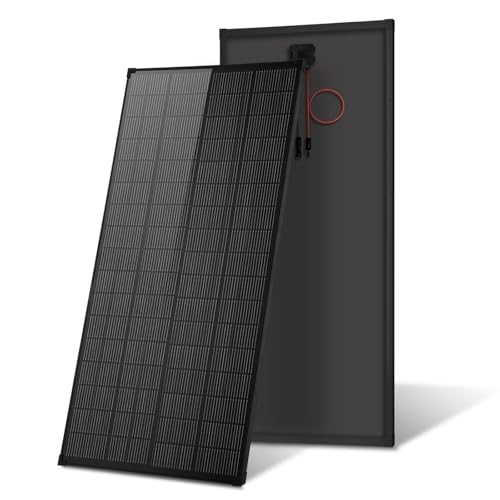
- 【High-Efficiency N-Type 18BB Solar Panel】Our AeternaSol 200W solar...
- 【IP68 Waterproof】Equipped with an exclusive IP68 Waterproof, our solar...
- 【All-Black Design & Comes with Holes for Easy to Install】Good-looking...
Do I need special tools to install MC4 connectors on my panels?
Yes, you need a specific MC4 crimping tool to install the metal contacts properly. Using a regular wire crimper will not create a secure connection.
I also recommend a MC4 spanner wrench to disconnect the connectors safely. Trying to pry them apart with pliers can damage the plastic housing and ruin the seal.
Which MC4 connector setup will not let me down when I am relying on solar power for my off-grid cabin in winter?
I completely understand wanting reliability when your cabin depends on solar power during freezing months. Cold weather makes plastic brittle and can cause cheap connectors to crack.
The solution I trust for harsh winter conditions is the ones I sent my sister to buy for her mountain cabin. They use flexible silicone seals that stay soft in subzero temperatures and UV-stabilized plastic that resists cracking from thermal expansion.
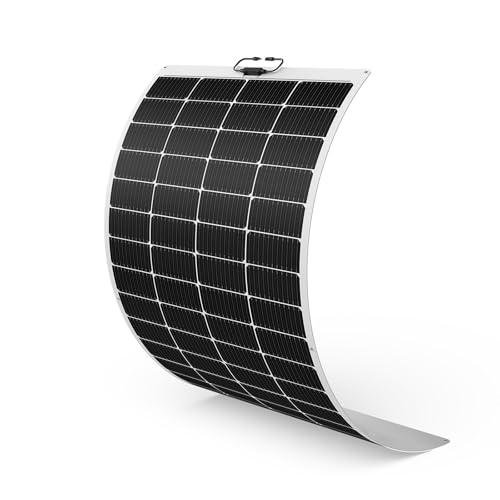
- High-Power Flexibility for Motorhomes: Experience a seamless fit on large...
- Marine-Grade Resilience at Sea: Power your voyages with confidence...
- Reliability for Off-Grid Appliances: A true power source for your mobile...
How can I tell if my MC4 connectors are failing before they cause problems?
Touch the connectors on a sunny day when your system is producing power. If any connector feels noticeably hot to the touch, that is a sign of a bad connection.
Also look for discoloration around the plastic housing or any signs of melting. White or yellow powder around the metal pins means corrosion is already happening inside.