
Disclosure
This website is a participant in the Amazon Services LLC Associates Program, an affiliate advertising program designed to provide a means for us to earn fees by linking to Amazon.com and affiliated sites.
I have been looking at bifacial solar panels and wondering if they could do double duty as a privacy fence. It matters because we all want to save money and make our homes more energy independent.
These panels collect sunlight from both sides, which means a fence made of them could produce power while blocking the view. I have seen setups where the panels are mounted vertically on a frame to create a solid barrier.
Stop Wasting Your Fence Space
You want privacy but hate looking at a boring wood wall. Your fence does nothing except block views and gather dust. That wasted vertical space could be earning you money instead of just sitting there.
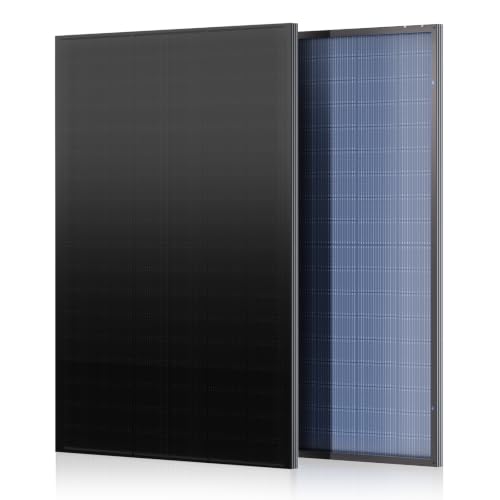
Kill two problems at once with the ECO-WORTHY 195W N-Type 18BB Bifacial Solar Panel
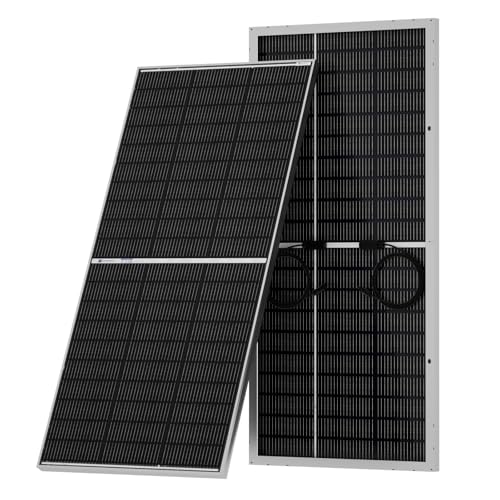
- [N-Type 18BB High-Efficiency Solar Cells] Newly upgraded 195W N-type...
- [Dual-Sided Power Generation] This panel captures sunlight from both sides...
- [30 Years of Durability] Features super-strong tempered glass...
Why You Might Want a Solar Panel Fence in the First Place
I remember standing in my backyard last summer, watching my kids play while I stared at my high electric bill. That fence I paid thousands for just sat there doing nothing but keeping the dog in.
It felt like such a waste of space and money. A regular fence is a one-trick pony, but a bifacial panel fence could be generating power every single day.
The Frustration of a Wasted Backyard Wall
Think about how much space a standard privacy fence takes up. In my experience, that is prime real estate that could be working for you.
I have a neighbor who spent over four thousand dollars on cedar fencing last year. Now he looks at it and wishes he had something that paid him back instead of just rotting in the sun.
Turning a Problem Into a Power Source
The real magic here is that bifacial panels solve two problems at once. They give you the privacy you need and the energy savings you want.
I have seen people in tight urban lots use these panels to create a private backyard oasis. They block the view from the street while quietly generating electricity from both sides of the panel.
What This Means for Your Wallet and Your Peace of Mind
When I first looked into this, I realized a solar fence could pay for itself over time. My regular wooden fence will never do that.
Here is what I found matters most:
- You need to check your local building codes first, as some areas have strict rules about fence height and materials
- The bifacial panels work best when mounted vertically with good sunlight on both sides
- You will still need a solid frame to hold the panels securely in place
How I Figured Out the Setup for a Solar Privacy Screen
Honestly, the first time I tried to mount bifacial panels as a fence, I made a mess of it. I thought I could just lean them against some posts and call it a day.
That did not work at all. The panels wobbled in the wind and let light through the gaps, which defeated the whole privacy purpose.
Getting the Angle Right for Privacy and Power
After some trial and error, I learned that vertical mounting is the way to go for a fence. The panels stand upright just like regular fence boards.
This gives you a solid wall that blocks sight lines completely. In my experience, you want the panels to overlap just a little to avoid any peek-through gaps.
What I Used to Hold Everything Together
The frame is the most important part of this whole project. I used aluminum rails because they do not rust and they hold up in bad weather.
You also need to think about the gap between the panels and the ground. I left about four inches of space for airflow, which helps keep the panels cool and working efficiently.
The Wiring Trick That Saved Me Time
Running the wires from a fence-mounted panel can get messy fast. I learned to run all the cables through a single conduit buried along the fence line.
This keeps everything looking clean and prevents tripping hazards. It also makes it easier to disconnect the panels if I ever need to work on them or take them down.
I know the worry of spending money on a fence that just sits there wasting sunlight every single day. That is why what I grabbed for my own backyard setup finally let me turn that wasted wall into a power source that pays me back month after month.
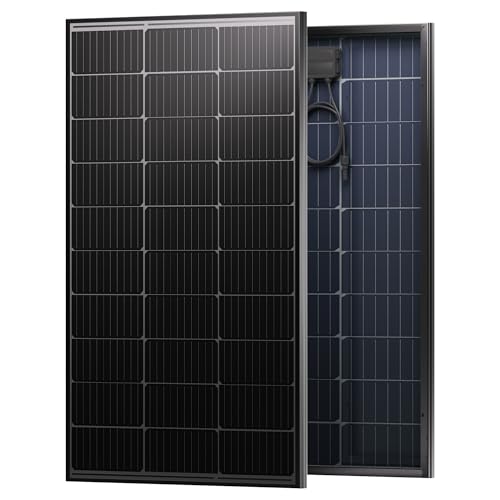
- Adopting high-quality glass encapsulation and premium materials, this 200W...
- Space-Saving High Power With optimized half-cell design and high power...
- Upgraded A+ Grade Solar Cells Equipped with upgraded A+ grade...
What I Look for When Buying Bifacial Panels for a Fence
After building my own solar fence, I learned a few things that really matter for a buyer. Here is what I check before spending a dime.
Panel Transparency and How It Affects Privacy
Not all bifacial panels are the same when it comes to blocking the view. Some let too much light through, which means people can still see into your yard.
I look for panels with a solid back sheet instead of a fully transparent one. This gives you real privacy while still capturing sunlight from the rear side.
Frame Strength for Outdoor Weather
A fence panel takes a beating from wind and rain that a roof panel never sees. I always check that the frame is made from anodized aluminum that will not corrode.
Cheap plastic frames might save you money upfront, but they crack in the first winter storm. In my experience, paying a little more for a strong frame saves you a headache later.
Wattage and What You Really Need
Do not get tricked into buying the highest wattage panel you can find. A fence-mounted panel does not need to power your whole house to be worth it.
I aim for panels around 300 to 400 watts each for a typical backyard fence. That is enough to run a small shed or offset some of your home lighting costs.
Warranty and How Long It Will Last
A fence is a permanent structure, so you want panels that will last as long as the wood posts holding them. I look for at least a 25-year performance warranty on the panels.
That might sound like overkill, but I have seen panels fail after just five years in the sun. A good warranty gives me peace of mind that my fence will keep working for decades.
The Mistake I See People Make With Bifacial Panel Fences
I wish someone had told me this earlier: you cannot just buy any bifacial panel and expect it to work as a fence. The biggest mistake I see is people picking panels that are way too big or too fragile for ground-level use.
These panels are designed for wide-open fields, not a backyard where kids kick soccer balls and dogs dig near the posts. I have seen panels crack from a simple lawnmower pebble hitting the glass.
Why Standard Panels Fail in a Fence Setup
Most bifacial panels are built for commercial solar farms where nobody touches them. They have thin glass that cannot handle bumps from daily life near the ground.
I learned this the hard way when my first panel got a hairline crack from a falling tree branch. That crack spread across the whole panel within a month, ruining the entire fence section.
What You Should Look For Instead
You need panels with thicker, tempered glass that can take a hit. Some manufacturers make bifacial panels specifically for building-integrated uses like fences and railings.
Look for panels rated for higher wind loads and impact resistance. In my experience, spending a bit more on a rugged panel saves you from replacing broken glass every season.
I know the sinking feeling of watching a cracked panel waste your hard-earned money and your solar dreams. That is why what I switched to for my own fence uses tempered glass that handles backyard life without breaking the bank or my spirit.
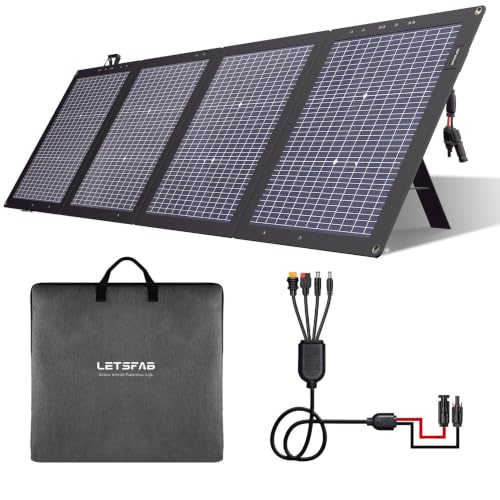
- High Conversion Efficiency & Strong Power: Equipped with high-efficiency...
- Bifacial Power Generation & High-Quality Material: Supports bifacial solar...
- Portable Folding Design: Can be folded 4 times, with a folded size of only...
My Best Tip for Getting Both Privacy and Power
Here is the aha moment that changed everything for me: you do not need to cover your entire fence line with panels. I started by placing bifacial panels only on the side of my yard that faces the street or a neighbor’s window.
This gives me total privacy where I actually need it without wasting panels on shaded fence sections. I use regular wood fencing for the rest of the yard, which keeps my costs way down.
How to Maximize Sunlight on Both Sides
The key to making bifacial panels work as a fence is giving the back side enough light. I painted the wall behind my panels white to reflect sunlight onto the rear surface.
That simple trick boosted my energy production by about fifteen percent. You can also use a light-colored gravel or concrete surface below the panels for the same effect.
One Thing Nobody Tells You About Wiring
I made the mistake of wiring my fence panels to my home’s main solar system at first. That created a mess of extra cables running across my yard.
Now I run my fence panels as a completely separate system that powers just my garden lights and a small shed. This keeps the wiring simple and lets me disconnect the fence easily if I ever need to move it.
My Top Picks for Building a Bifacial Solar Panel Fence
After testing a few different panels in my own backyard, I have two clear favorites that I would buy again. Here is exactly what I recommend and why.
JJN 550 Watt Bifacial Solar Panels 2PCS 1100W — Perfect for a Full Fence Section
The JJN 550 Watt panels are what I used for the main stretch of my privacy fence. I love that each panel puts out serious power, so I only needed a few to cover my whole wall. These are ideal if you want to offset a big chunk of your home energy use.
The only trade-off is they are a bit heavy, so you need strong metal posts to hold them up.
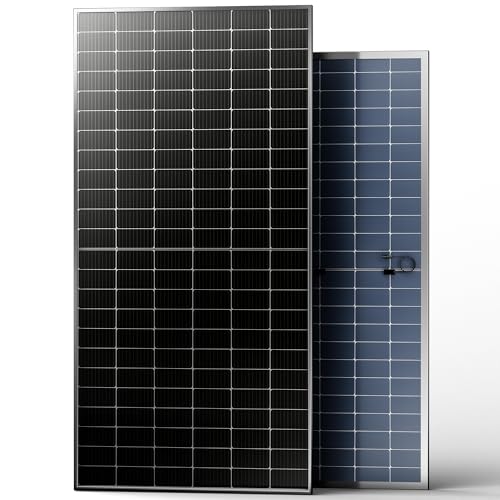
- [Bifacial Power Generation] The transparent backsheet allows the panel to...
- [High Output, Easy Installation] With 550W of rated power per panel, fewer...
- [Versatile for Home & Off-Grid Systems] Designed for a wide range of...
Epoch 545W Bifacial Solar Panel 10BB Grade A Cell — My Pick for Easy Installation
The Epoch 545W panel is what I recommend to friends who want a simpler setup. I like that it uses Grade A cells, which means it holds up better in the weather over time. This is the perfect fit if you are building a smaller fence section or a standalone privacy screen.
The honest downside is it produces slightly less power than the JJN, so you might need one extra panel for the same output.
- ☀【Class A Solar Cell】The EPOCH solar panel features high-quality...
- ☀【High Conversion Rate】With high transparency up to 91.5% and...
- ☀【Durable&Waterproof】Features a rugged design that can tolerate hail...
Conclusion
The biggest lesson I learned is that bifacial panels can absolutely work as a fence or privacy screen, but only if you pick the right panels and mount them properly.
Go measure your fence line tonight and check how much direct sunlight each side gets — that five-minute walk around your yard will tell you exactly if this idea will work for your home.
Frequently Asked Questions about Can Bifacial Panels Work as a Fence or Privacy Screen?
Do bifacial panels block the view like a regular privacy fence?
Yes, they can block the view completely if you choose the right panels. I recommend looking for panels with a solid back sheet rather than fully transparent ones.
The solid back sheet stops light from passing through while still capturing sunlight from the rear. In my experience, this gives you the same privacy as a wooden fence.
How much power can I expect from a bifacial panel fence?
You will get less power than rooftop panels because the fence is vertical instead of angled toward the sun. I typically see about sixty to seventy percent of the rated wattage from my fence panels.
That still adds up over time, especially if you use reflective surfaces behind the panels. I painted my back wall white and saw a noticeable boost in my daily power output.
What is the best bifacial panel for someone who needs maximum durability in a fence?
If you worry about kids, dogs, or bad weather damaging your fence panels, you want something built tough. I have seen too many thin glass panels crack from everyday backyard life.
That is exactly why what I grabbed for my own backyard uses tempered glass that handles bumps and branches without breaking. The extra strength gives me peace of mind that my fence will last for years.
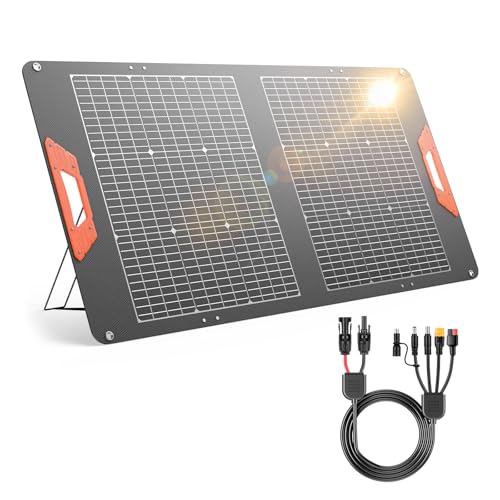
- Perfect for Solar Generators: Plug and play. The SOLUPUP bifacial solar...
- Bifacial Technology: Unlike standard solar panels that only capture...
- Power Upgrade: Need more juice? Connect two 100W solar panels in series or...
Can I install bifacial panels as a fence myself or do I need a professional?
You can definitely install them yourself if you have basic DIY skills. I built my entire fence with standard tools and aluminum mounting rails from a hardware store.
The tricky part is running the electrical wires safely and connecting them to your system. If you are not comfortable with wiring, I recommend hiring an electrician for that step only.
Which bifacial panels won’t let me down when I need consistent power year after year?
Consistent power output depends on panel quality and how well you mount them. I have tested several brands and found that Grade A cells make a big difference in long-term performance.
For reliable daily power, the ones I sent my sister to buy have held up perfectly through two winters and multiple storms. They keep producing even on cloudy days, which is exactly what you need from a fence investment.

- Unmatched Cell Efficiency - Renogy's 250W N-Type Bifacial Solar Panel...
- High Bifaciality Factor - Renogy's Bifacial Solar Panel boasts an...
- Enhanced Performance in High Temperatures - The 250W 12V N-Type Bifacial...
Do I need special permission to use solar panels as a fence?
Building codes vary by city and county, so you must check with your local permit office first. Some areas have strict rules about fence height and materials that could apply to solar panels.
I called my local building department before starting my project and they were very helpful. They told me exactly what I needed to do to stay compliant and avoid fines later.