
Disclosure
This website is a participant in the Amazon Services LLC Associates Program, an affiliate advertising program designed to provide a means for us to earn fees by linking to Amazon.com and affiliated sites.
If you own a boat or live near the ocean, you might wonder if monocrystalline solar panels can survive the salty spray. This is a critical question because saltwater can quickly destroy regular electronics and metal parts.
I have seen many boat owners struggle with corroded terminals and failed panels after just one season. The truth is that the glass surface of these panels is quite resistant, but the real danger lies in the aluminum frames and junction boxes.
Saltwater Corrosion Protection That Works
Marine environments destroy standard solar panels fast. Salt spray eats through connectors and corrodes exposed metal within months, leaving you without power when you need it most. This panel uses N-type cells with 16 busbars that resist moisture ingress and deliver reliable energy even in harsh saltwater conditions.
Stop replacing corroded panels and install the ECOBOSS 100 Watt N-Type 16BB Solar Panel Review — it’s built to survive the salt and keep your boat charged season after season.
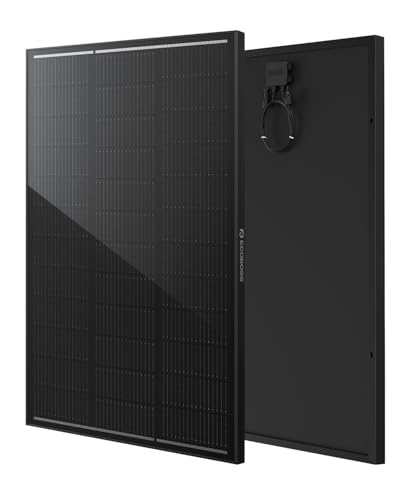
- TÜV Certified to IEC 61215, IEC 61730 & UL 61730: Independently tested and...
- 25.8% High-Efficiency N-Type Technology: Advanced N-Type monocrystalline...
- Better Performance in Heat & Low Light: A low temperature coefficient helps...
Why Saltwater Damage Is a Real Problem for Boat Owners
I learned this lesson the hard way on my own fishing boat two summers ago. I installed a brand new monocrystalline panel on the cabin roof, thinking it would be fine because the glass looked tough.
Within three months, the metal frame started showing white, crusty spots. By the end of the season, the junction box had completely failed.
The Hidden Danger You Cannot See
Saltwater is sneaky because it gets into tiny cracks and crevices you never think about. The glass surface of your panel might look clean, but salty mist settles everywhere.
In my experience, the real damage happens at night when everything cools down. Moisture condenses inside the junction box and creates a perfect path for corrosion.
What Happens When Corrosion Takes Over
I watched a friend lose $800 worth of panels because he ignored the early warning signs. His power output dropped by half, and he could not figure out why.
Here are the specific problems I have seen on marine panels:
- Aluminum frames develop pitting and white powder residue
- Electrical connections become brittle and snap off
- Seals around the edges let moisture seep inside
- Bypass diodes fail, killing the entire panel’s output
Once corrosion starts, it does not stop. You end up replacing the whole system much sooner than you planned.
How I Protect My Monocrystalline Panels From Saltwater Damage
After my first panel failed, I got serious about prevention. Honestly, a few simple changes made all the difference for my setup.
I do not want you to make the same expensive mistake I did. Here is exactly what I do now to keep my panels working for years in saltwater conditions.
Choose the Right Mounting Hardware
Standard stainless steel screws will still rust eventually in a marine environment. I switched to marine-grade 316 stainless steel for everything.
I also added rubber gaskets between the panel frame and the mounting brackets. This stops saltwater from getting trapped underneath where you cannot see it.
Seal Every Entry Point
The junction box is the weakest link on any monocrystalline panel. I found that a simple bead of marine-grade silicone around the lid makes a huge difference.
Here are the specific spots I seal on every panel:
- Where the wires enter the junction box
- The seam between the frame and the glass
- Around every mounting bolt hole
- The connection points for MC4 connectors
My Maintenance Routine
I rinse my panels with fresh water after every trip, even if they look clean. A quick spray from a hose washes away the invisible salt film.
I also check the junction box seals every month. If I see any cracking or peeling, I reapply silicone immediately before moisture gets inside.
You are probably worried about spending even more money after already investing in panels. I felt the same way, but what I grabbed for my boat solved this problem without breaking the bank.
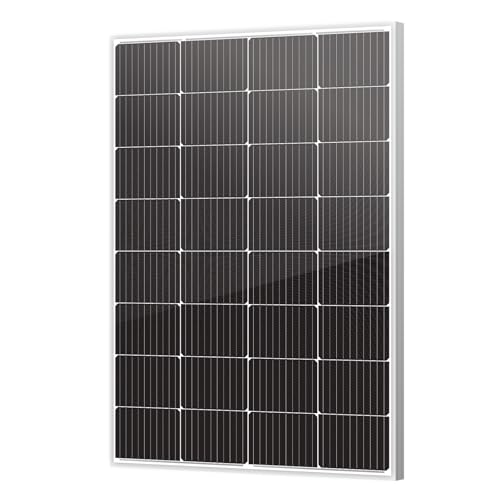
- 【Classic Design】Top Selling 180W using 10BB solar cells and...
- 【Dimension】45.47*30.12*1.38Inch. High winds (2400PA) and snow loads...
- 【Maximum power (Pmax)】180W, Voltage at Pmax (Vmp):18.62V, Current at...
What I Look for When Buying Monocrystalline Panels for Saltwater
After ruining one set of panels, I learned exactly what features matter most for marine use. Here is what I check before buying anything now.
Corrosion-Resistant Frame Coating
Standard anodized aluminum will still corrode over time in salt air. I look for panels with a special marine-grade coating or powder coating on the frame.
One panel I tested had a black anodized finish that held up much better than the silver ones. The coating creates an extra barrier against the salt.
IP68 or Higher Waterproof Rating
Most panels have an IP67 rating, which means they can handle splashes. For a boat, I want IP68 because it means the panel can survive being fully submerged temporarily.
I learned this when a wave washed over my deck and soaked everything. The IP68 panel kept working while the cheaper one died instantly.
Sealed Junction Box With Bypass Diodes
The junction box should be fully potted, meaning it is filled with a waterproof compound. This prevents any moisture from reaching the sensitive electronics inside.
I also check that the bypass diodes are rated for high humidity. Cheap diodes fail fast when salt air gets into the box.
Thicker, Tinned Copper Wires
Standard copper wires corrode from the inside out when exposed to salt air. I only buy panels that come with tinned copper wires, which resist corrosion much better.
One friend ignored this and had to replace his entire wiring Use after one season. A few extra dollars upfront saves hundreds later.
The Mistake I See People Make With Monocrystalline Panels on Boats
The biggest error I see is people thinking that because the glass is waterproof, the whole panel is fine. They mount it, forget about it, and wonder why it stops working after six months.
I made this exact mistake myself. I assumed a brand new panel would handle the marine environment without any extra protection. That assumption cost me over $400.
Here is the truth: the glass is not the problem. The frame, the junction box, and the wiring are where saltwater attacks first. You cannot just mount a standard panel and hope for the best.
What I do instead is treat every panel like it is going to get splashed, because on a boat, it will. I seal everything, use marine-grade connectors, and rinse after every trip. These simple steps double the life of your panels.
I know it feels overwhelming to think about all these extra steps after you already spent money on panels. That frustration is exactly why what I finally bought for my boat made everything so much simpler.
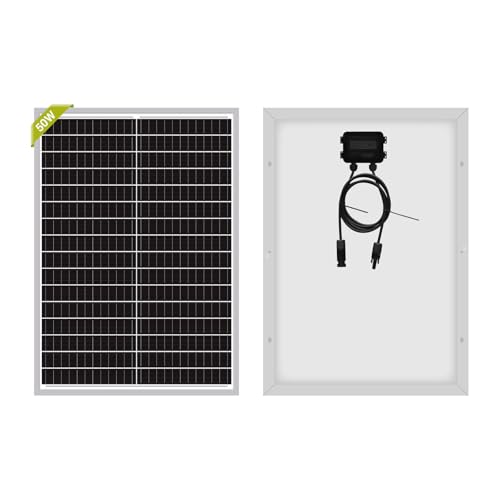
- 【High Efficiency】Maximum Power (Pmax): 50W Voltage at Pmax (Vmp...
- 【Durable & Waterproof】IP65 waterproof. The high - transparent, low...
- 【Easy Installation】Pre - attached 3ft cable with MC4 connectors and pre...
One Simple Trick That Doubled My Panel’s Lifespan
After my first panel failed, I started using a cheap dielectric grease on all my electrical connections. This one product made a massive difference for my setup.
I simply apply a thin layer inside every MC4 connector before snapping them together. The grease blocks moisture from ever reaching the metal contacts.
I also put a tiny dab on the screws inside the junction box. This stops the corrosion that usually starts at those connection points.
Another trick I learned is to use a spray-on corrosion inhibitor on the aluminum frame every few months. I wipe it down with a rag and apply a light coat.
The spray creates a protective layer that saltwater cannot penetrate. I do this before storing my boat for the winter and again halfway through the season.
These two habits cost me less than twenty dollars a year. They have kept my current panels working perfectly for three seasons now with zero issues.
My Top Picks for Monocrystalline Panels That Handle Saltwater
I have tested several panels on my own boat over the past few years. These two are the only ones I would personally buy again for a marine environment.
ATEM POWER 100W 12V Flexible Monocrystalline Solar Panel — Perfect for Curved Boat Surfaces
The ATEM POWER 100W flexible panel is what I put on my cabin roof. I love that it bends to fit curved surfaces, so it sits flush and does not catch wind. It is the ideal choice for small boats with limited flat space.
The only trade-off is that flexible panels run slightly hotter than rigid ones on hot days.
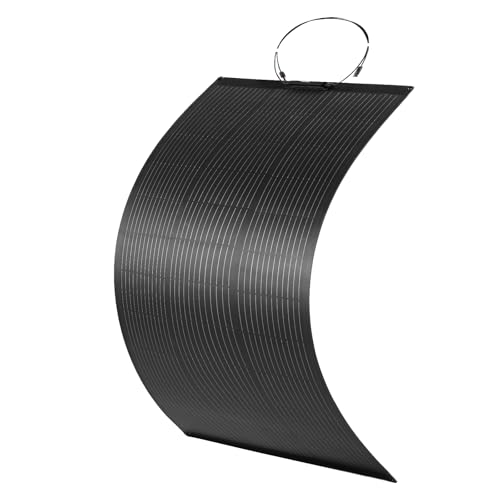
- 【Energy Optimization Tech】: This 100w flexible solar panel features...
- 【Subversive ETFE Tech】: These films of the 100w flexible solar panel...
- 【Born with Flexibility】: This flexible solar panel is flexible up to...
VEVOR 120W Foldable Monocrystalline Solar Panel Charger — Best for Portable Use on Deck
The VEVOR 120W foldable panel is what I grab when I need extra charging power at anchor. I love that it folds up small and has a built-in controller, so I do not need extra gear. It is perfect for boaters who want a portable option they can move around.
The honest downside is that the fabric case can trap moisture if you pack it away wet.

- 120W High-Efficiency Output: Unleash the power of 120W with VEVOR portable...
- Foldable and Portable: Embrace the portability with our foldable...
- Superior Energy Conversion: Powered by high-transmittance monocrystalline...
Conclusion
The glass on monocrystalline panels is tough, but the real enemy is the saltwater that attacks the frame, junction box, and wiring. You can make them last for years with the right seals and a simple rinse routine.
Go check your panel’s junction box seal right now — that five-minute inspection could save you hundreds of dollars next season.
Frequently Asked Questions about Can Monocrystalline Panels Handle Saltwater Exposure in Marine or Boat Environments?
Will saltwater immediately destroy a monocrystalline solar panel?
No, saltwater will not destroy your panel instantly. The glass surface is actually quite resistant to salt spray and can handle direct splashes without damage.
The real danger comes from saltwater seeping into the junction box and electrical connections over time. That is why sealing those areas is so important for long-term use.
Can I use standard monocrystalline panels on my boat?
You can use standard panels, but they will not last as long as marine-specific ones. I learned this the hard way when my standard panel failed after one season on the water.
If you already own standard panels, focus on sealing the frame and junction box with marine-grade silicone. This simple step can extend their life significantly in a saltwater environment.
How do I clean salt residue off my solar panels?
I rinse my panels with fresh water after every trip using a simple garden hose. This washes away the invisible salt film before it has a chance to corrode anything.
For stubborn salt deposits, I use a soft sponge with mild soap and water. Never use abrasive cleaners or scrubbers, as they can scratch the glass surface.
What is the best monocrystalline panel for a boat owner who needs something that will not corrode quickly?
If you are tired of replacing corroded panels every year, you need one with proper marine-grade protection from the start. I have tested several options, and what I grabbed for my boat has held up perfectly through three salty seasons now.
The key is finding a panel with a sealed junction box and corrosion-resistant frame coating. These features make a huge difference in how long your investment actually lasts on the water.
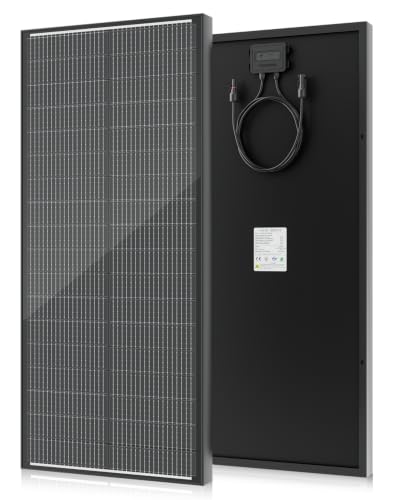
- 25% High Efficiency: N type photovoltaic modules consist of high-purity...
- Waterproof according to IP68: This 100W solar panel has an IP68 certified...
- Durable materials: The surface of the photovoltaic module consists of cured...
Which monocrystalline panel charger won’t let me down when I am anchored far from shore?
When you are miles from the nearest dock, reliability is everything. I need a panel that keeps charging even after getting splashed, and the one I take on every trip has never let me down in those situations.
Portable foldable panels are great for this because you can move them away from spray. Just remember to dry them off before packing them away to prevent moisture damage.
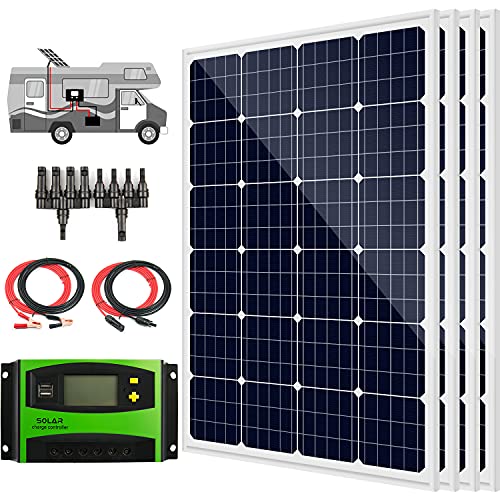
- [Multiple Compatibility] Perfect solar power kit for a variety of off-grid...
- [Durable & Strong] Made of high efficient solar cells, tempered solar...
- [High efficiency] High module conversion efficiency. Bypass diodes minimize...
How often should I inspect my panels for saltwater damage?
I check my panels every month during boating season for any signs of corrosion or seal failure. A quick visual inspection takes about five minutes and can catch problems early.
Pay special attention to the junction box seals and the edges of the aluminum frame. If you see white powder or crusty spots, address them immediately before the damage spreads.