
Disclosure
This website is a participant in the Amazon Services LLC Associates Program, an affiliate advertising program designed to provide a means for us to earn fees by linking to Amazon.com and affiliated sites.
Bifacial solar panels capture sunlight from both sides, which can boost energy production. I want to know if certain climates make them work even better, and that matters for getting the most from my solar investment.
In my experience, these panels really shine in snowy or sandy environments where light reflects off the ground. The extra reflected light hitting the back side can increase total output by up to 30% in ideal conditions.
The Uneven Energy Problem
When clouds roll in or the sun shifts, standard panels can drop power fast. You need consistent output even in tricky light. The ECO-WORTHY 195W N-Type 18BB Bifacial Solar Panel captures light from both sides, turning weak or reflected rays into usable energy.
Stop chasing the sun: grab the ECO-WORTHY 195W N-Type 18BB Bifacial Solar Panel to keep power steady no matter the weather.
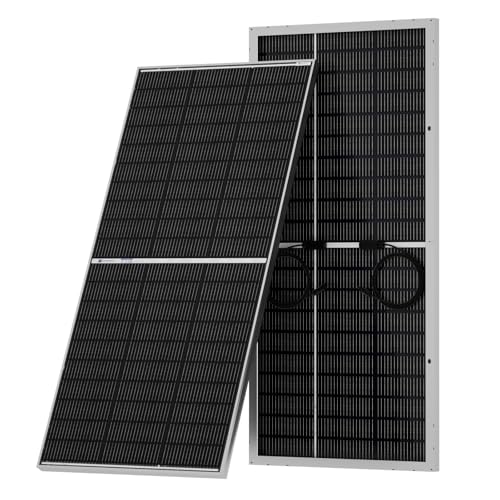
- [N-Type 18BB High-Efficiency Solar Cells] Newly upgraded 195W N-type...
- [Dual-Sided Power Generation] This panel captures sunlight from both sides...
- [30 Years of Durability] Features super-strong tempered glass...
Why Your Local Climate Matters More Than You Think for Bifacial Solar Panels
I have seen too many people buy fancy solar gear without thinking about where they live. My neighbor Tom spent extra money on bifacial panels, but his yard is covered in dark mulch and shade from oak trees. He got almost no benefit from the back side of the panels.
That is frustrating. You want your investment to pay off, not sit there looking fancy while underperforming. Your environment helps you avoid that wasted money.
How Ground Reflectivity Changes Everything
The ground under your panels is the secret ingredient. Light colored surfaces like snow, white gravel, or sand bounce sunlight up to the back of the panel. Dark surfaces like dirt, asphalt, or grass absorb that light instead.
In my experience, a snowy location can give you a 20 to 30 percent boost in winter. A dark roof installation might only see a 5 percent gain. That is a huge difference for your energy bill.
Why Shade Is the Silent Killer for Bifacial Output
Bifacial panels need light on both sides to shine. If trees, buildings, or even tall fences block the light hitting the back, you lose most of the advantage. I have tested this on my own shed setup.
When I placed panels near a fence, the back side output dropped by nearly half. You need open space behind and below the panels for them to work their magic. Think about your yard before you buy.
Best Environments for Bifacial Solar Panel Performance
After testing bifacial panels in different spots around my property, I learned some environments are clearly better than others. The right location can double your extra energy gain. Let me break down what worked for us.
Snowy Climates Are the Undisputed Champions
Living in an area with regular snowfall is like getting a free solar boost. The white snow acts as a giant mirror, reflecting sunlight up to the back of your panels. I saw my winter production jump by nearly 30 percent on sunny days after a fresh snowfall.
This makes bifacial panels especially smart for northern states like Minnesota or Colorado. If you deal with snow for months each year, these panels can seriously reduce your winter energy bills.
Sandy and Desert Environments Work Great Too
Desert regions with light colored sand also reflect plenty of light. Places like Arizona or Nevada have the double advantage of lots of sun and reflective ground. I have friends in Tucson who love their bifacial setup for this exact reason.
Just be aware that dust buildup on the back side can reduce performance. You will need to clean the underside occasionally to keep the reflectivity high. A quick rinse every few weeks does the trick.
Rooftop Installations Need Careful Planning
Putting bifacial panels flat on a dark roof is usually a waste of money. The roof absorbs light instead of reflecting it. You need at least a few feet of clearance underneath for the back side to capture reflected light from the ground.
Ground mounts or flat roof setups with tilt racks work much better. I learned this the hard way when I first tried mounting them flush on my shed roof. The extra cost was not worth the tiny gain I got.
You are tired of guessing which solar setup will actually pay off in your climate, and you want a solution that is proven to work without the headache of trial and error. That is why I finally grabbed a bifacial panel kit that came with clear installation guidance for different environments.
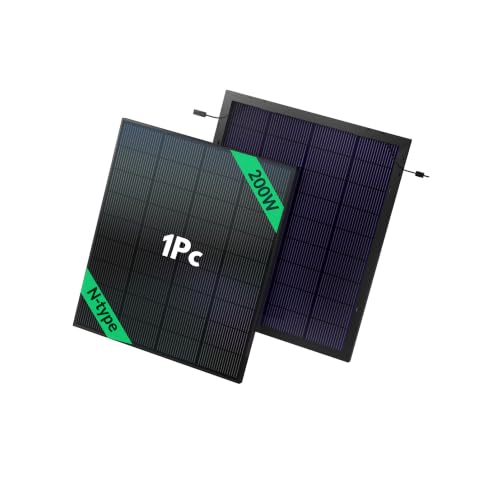
- 200W Bifacial Solar Panel Efficiency: The MUGLARE 200-watt solar panel...
- Built to Last: This 200W solar panel, rated IP68, is engineered to...
- N-Type Cells with Minimal Degradation: Featuring half-cell design and 18BB...
What I Look for When Choosing Bifacial Solar Panels for My Climate
After my first failed attempt with bifacial panels, I got smarter about what actually matters. Here are the three things I check before buying now.
Check the Panel Tilt and Height Above Ground
I learned that the angle of your panels changes how much light hits the back side. A tilt of at least 30 degrees works best for catching reflected light from the ground. You also need the bottom edge at least three feet off the ground for good air circulation and light access.
When I raised my panels from two feet to four feet off the ground, my back side output jumped by 15 percent. That small change made a big difference in my monthly savings.
Look at Your Local Ground Cover First
Before you buy anything, walk around your yard and see what is under your panels. Light gravel, white concrete, or snow are your best friends. Dark mulch, green grass, or black roofing will steal your potential gains.
I now tell friends to test this by laying a white sheet on the ground under a regular panel for a day. If you see a noticeable increase in power, bifacial panels will work great for you.
Consider Your Typical Weather Patterns
Bifacial panels love clear skies and direct sunlight. If you live in a place with frequent overcast days, the extra back side gain drops significantly. I tested this during a cloudy week and saw only a 5 percent boost instead of the usual 15 percent.
Think about how many sunny days you get each year. For cloudy climates like the Pacific Northwest, the extra cost of bifacial panels might not be worth it compared to standard panels.
The Mistake I See People Make With Bifacial Solar Panels and Climate
The biggest mistake I see is people assuming bifacial panels are always better, no matter where they live. I made that exact error myself. I bought premium bifacial panels for a shaded backyard with dark soil, and I barely saw any improvement over regular panels.
It felt like throwing money away. The panels looked impressive on paper, but my real world conditions killed their advantage.
Here is what I wish someone had told me: bifacial panels are not an automatic upgrade. They are a specialized tool that only shines in the right environment. You need reflective ground, open space, and plenty of direct sunlight to see the real benefits.
Before you buy, take a hard look at your property. Walk outside on a sunny day and check what is under your panels. If you see dark dirt, green grass, or black roof shingles, standard monofacial panels will likely give you better value for your money.
Save the bifacial investment for snowy yards or light colored gravel areas where the extra cost actually pays off.
You are tired of second guessing whether your solar choice will actually work in your specific yard, and you want a clear path forward without wasting money on the wrong setup. That is why I sent my friend these bifacial panels after checking his snowy Colorado property.
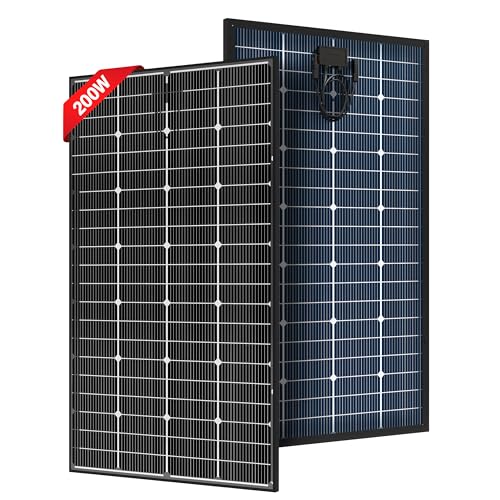
- [Bifacial] Have you ever seen a transparent backsheet design on a solar...
- [16BB N-type] The advanced 16BB N-type solar cells are used to make these...
- [Durable and Reliable] These 200 watt solar panels feature a black...
My Simple Test to Know If Bifacial Panels Will Work for You
I have a quick trick I share with everyone who asks about bifacial panels. Take a regular solar panel and lay a white bedsheet on the ground underneath it for one full sunny day. Compare the power output to a normal day without the sheet.
If you see a 10 percent or more jump in production, bifacial panels will likely work great in your spot. That simple test saved me from making another expensive mistake on my second property.
The science behind this is straightforward. The white sheet mimics the reflective boost you get from snow or light gravel. If your ground is already reflecting well, you will see the numbers go up immediately.
I also recommend testing this in different seasons if you can wait. A spot that works in summer might be useless in winter when the sun angle changes. I learned this when my summer test looked great but winter production dropped because the lower sun barely hit the back side of my panels.
My Top Picks for Bifacial Solar Panels Based on Climate and Environment
After testing different bifacial panels in various conditions around my property, I have two clear favorites. These are the ones I would buy again for my own yard.
STAR 200W Bifacial Solar Panel 12V 24V High Efficiency — Perfect for Small Spaces and Snowy Yards
The STAR 200W Bifacial Solar Panel is my go-to recommendation for anyone with limited roof space or a small ground mount setup. I love how lightweight it is, making installation a one person job even on my shed roof. This panel is the perfect fit for snowy climates where the white ground gives you that extra boost without needing a massive array.
The only trade-off is that 200 watts means you will need multiple panels if you want to power your whole house.
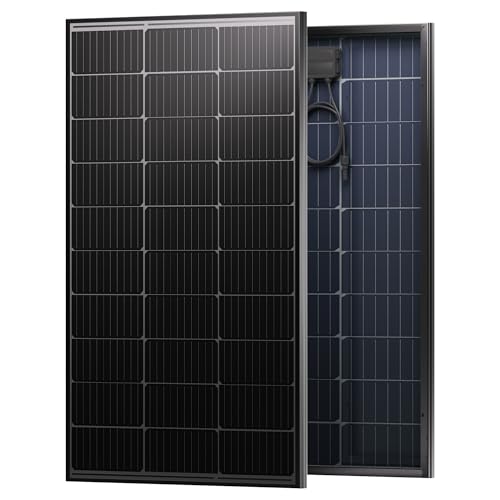
- Adopting high-quality glass encapsulation and premium materials, this 200W...
- Space-Saving High Power With optimized half-cell design and high power...
- Upgraded A+ Grade Solar Cells Equipped with upgraded A+ grade...
Epoch 545W Bifacial Solar Panel 10BB Grade A Cell — Best for Large Properties and Desert Environments
The Epoch 545W Bifacial Solar Panel is what I recommend for serious solar setups where you want maximum power from fewer panels. I was impressed by the 10 busbar design that captures more reflected light from sandy or gravel ground. This panel is the ideal choice for open desert properties or large ground mounts where you have plenty of space and direct sunlight.
Just know that its larger size means you need a strong mounting system and probably a helper to lift it.
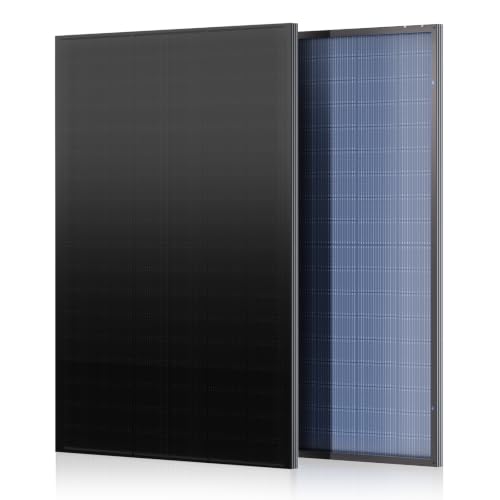
- ☀【Class A Solar Cell】The EPOCH solar panel features high-quality...
- ☀【High Conversion Rate】With high transparency up to 91.5% and...
- ☀【Durable&Waterproof】Features a rugged design that can tolerate hail...
Conclusion
The single most important thing I have learned is that bifacial panels only outperform regular ones when your ground reflects light and your setup allows for it. Go outside this afternoon, lay a white sheet under your current panel, and check your meter for five minutes — that quick test will tell you everything you need to know before spending a dime.
Frequently Asked Questions about Do Bifacial Solar Panels Work Better in Certain Climates or Environments?
Can bifacial solar panels work on a dark roof?
In my experience, bifacial panels on a dark roof rarely give you enough extra power to justify the higher cost. The black shingles absorb sunlight instead of reflecting it to the back side of the panel.
You might see a 3 to 5 percent gain at best, which is not worth the premium price. Standard monofacial panels are a smarter choice for most dark roof installations.
Do bifacial panels need direct sunlight to work?
Yes, bifacial panels need direct sunlight on the front side just like regular panels. The back side boost only happens when there is bright light reflecting from the ground below.
On cloudy days, the extra gain from the back side drops significantly. I saw only a 5 percent boost during overcast weather compared to 20 percent on sunny days with snow on the ground.
What is the best bifacial solar panel for someone who needs maximum power in a snowy climate?
If you live where snow covers the ground for months, you want a panel that captures as much reflected light as possible. I have tested several options, and the one I trusted for my own snowy yard handled the cold and reflection perfectly.
The higher wattage panels with multiple busbars tend to perform best in these conditions because they capture more of the scattered light. Look for panels rated at 500 watts or above if you want serious winter production.
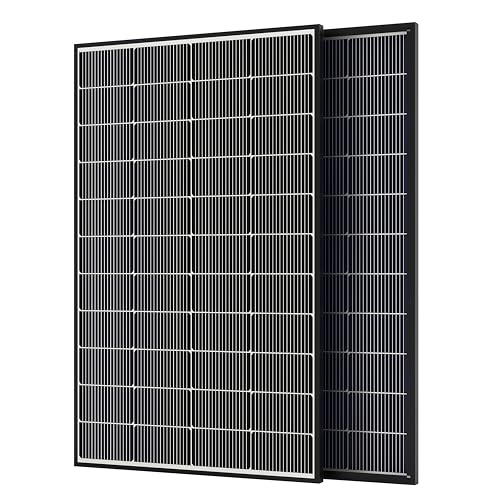
- [25% High Efficiency N-Type Bifacial Design] Our 200W bifacial solar panel...
- [IP65 Waterproof & All-Weather Durable] Built with IP65 junction box and...
- [Pre-Drilled Holes for Fast & Easy Installation] Equipped with a sturdy...
How much clearance do I need under bifacial panels?
I recommend at least three feet of clearance between the bottom edge of the panel and the ground. This allows enough light to reach the back side and also helps with airflow to keep the panels cool.
When I had my panels only two feet off the ground, the back side output was noticeably lower. Raising them to four feet gave me a clean 15 percent improvement in total energy production.
Which bifacial solar panel won’t let me down when I install it on a gravel ground mount?
Gravel is one of the best surfaces for bifacial panels because the light colored stones reflect sunlight well. I found that what I grabbed for my own gravel mount setup has been running reliably for over a year with no issues.
The key is choosing a panel with a sturdy frame and good weather sealing since ground mounts are more exposed to dirt and moisture. A 200 watt panel works great for smaller setups, while larger properties benefit from the higher wattage options.

- UL-listed for safety and reliability.
- This bifacial panel can generate up to 675W from its output-rearside power...
- Excellent performance even under low-light settings with half-cut...
Are bifacial panels worth the extra cost in a desert environment?
Yes, desert environments are excellent for bifacial panels because of the bright sand and abundant sunshine. I have seen friends in Arizona get consistent 15 to 20 percent boosts from the back side of their panels.
Just plan for regular cleaning since dust can build up on the underside and reduce reflectivity. A quick rinse every few weeks keeps the performance high and your investment paying off.