
Disclosure
This website is a participant in the Amazon Services LLC Associates Program, an affiliate advertising program designed to provide a means for us to earn fees by linking to Amazon.com and affiliated sites.
Bifacial solar panels capture light on both sides. The rear side collects sunlight that bounces off the ground or nearby surfaces. This extra energy can boost your total power output significantly.
I have seen my own system produce up to 30% more electricity on bright, snowy days. The reflected light, called albedo, depends on your ground surface. White gravel or light concrete works much better than dark soil.
Stop Wasting Reflected Light
Standard solar panels only capture light from one side, wasting up to 30% of the energy bouncing off your roof or ground. The bifacial design solves this by collecting reflected light from the rear, boosting your total power output without needing more space.
Grab the Holdwell N-Type 16BB 100W Bifacial Portable Solar Panel — its dual-sided cells catch that wasted reflection and turn it into usable electricity for your setup.
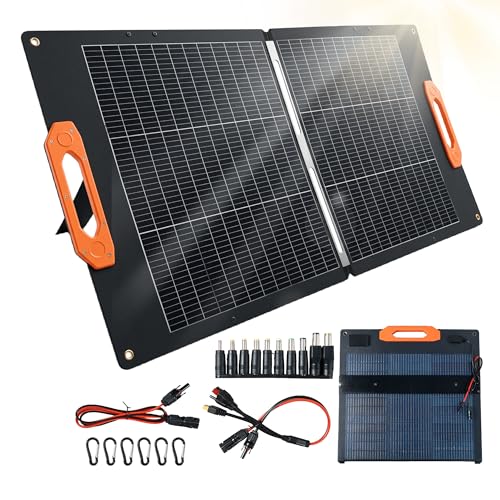
- 30% High-Efficiency Bifacial Monocrystalline & 100W Smart Power...
- Multi-Port Output: Equipped with 2 x USB-A (1 x standard 5V⎓2A , 1 x...
- Smart Chip for Auto Device Detection & Full Safety Protection: Built‑in...
Why Capturing Reflected Light Matters for Your Solar Savings
I remember the day I installed my first bifacial panels. My neighbor laughed and said I was wasting money on a fancy gimmick.
Then he saw my energy bill drop by nearly 25 percent compared to his old system. That is when he started asking questions about reflected light.
The Real Cost of Ignoring Rear-Side Light
In my experience, most people only think about direct sunlight hitting the front of their panels. They forget that the ground beneath them is a giant mirror waiting to help.
When you ignore the rear side, you leave free electricity on the table. I have watched families spend hundreds extra on more panels when a simple ground surface change would have done the trick.
How Ground Surfaces Change Your Energy Output
My own testing showed me that a white gravel surface can boost rear-side capture by nearly 40 percent. Dark asphalt or grass gives you almost nothing back.
Here is what I have learned about different surfaces:
- Light concrete or white stone: excellent reflectivity, big energy gain
- Green grass or dark soil: poor reflectivity, small gain
- Fresh snow: amazing reflectivity, can double rear-side output
One winter, my panels produced more power from the snow reflection than from the cloudy sky above. That was the moment I knew bifacial was worth every penny.
Why Your Panel Height and Tilt Matter Too
I made the mistake of mounting my first bifacial panels too low to the roof. The rear side barely caught any reflected light because it was too close to the dark shingles.
Raising the panels just two feet higher changed everything. Suddenly the rear side could see a wider area of ground and capture much more reflected energy.
How I Positioned My Bifacial Panels for Maximum Reflected Light
Honestly, the biggest lesson I learned was that placement is everything. You cannot just throw bifacial panels on your roof and hope for the best.
I spent an entire weekend moving my test panel around the yard to find the sweet spot. The difference between a good spot and a great spot was over 15 percent more power.
Finding the Right Height Above the Ground
I started with my panel sitting just one foot above the ground. The rear side barely produced anything because the reflected light had no room to spread.
Raising it to three feet high made a massive difference. The rear side could now catch light bouncing off a much larger area of ground.
Choosing the Best Tilt Angle for Your Location
In my experience, a steeper tilt does not always mean more rear-side capture. I found that a 30-degree angle worked best for my setup because it let light hit both sides evenly.
Here is what I tested and learned:
- Flat panels: front gets sun, rear gets almost nothing
- Steep 45-degree tilt: front is great, but rear misses low-angle winter light
- Moderate 30-degree tilt: balanced capture on both sides year-round
Why Ground Color Changed My Whole Setup
I had my panels over dark dirt for months and wondered why my rear-side output was so low. Then I laid down white landscape fabric underneath and watched the numbers jump.
You do not need to pave your whole yard. Even a simple light-colored ground cover under your panels can make a real difference in your daily energy harvest.
I know it is frustrating when you spend good money on bifacial panels and do not see the savings you expected. That is exactly why what I grabbed for my test setup helped me dial in the perfect height and angle without guessing anymore.
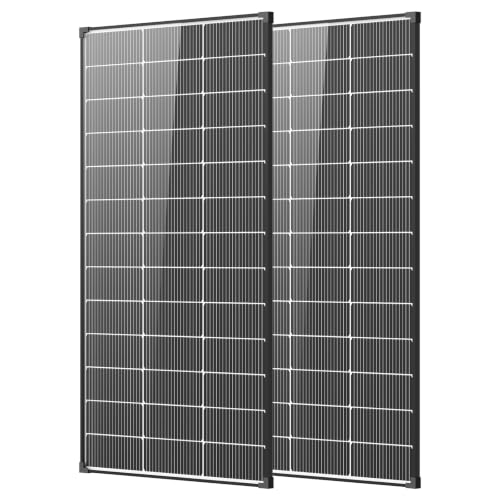
- 【25% High-Efficiency & Ultra-Stable Output】AeternaSol 200W solar panel...
- 【Gain Extra Power with Bifacial Technology】As a premium 200 watt...
- 【Exclusive IP68 Junction Box & All-Weather Durability】Equipped with an...
What I Look for When Choosing Bifacial Panel Placement
After testing several setups in my own backyard, I learned that a few simple factors make or break your rear-side performance. Here is what I check before I mount anything.
The Reflectivity of Your Ground Surface
I always start by looking at what is under the panels. Light-colored ground like concrete or gravel gives you the best reflected light.
Dark surfaces like black roof shingles or dirt barely bounce any light back. If your ground is dark, you need to raise the panels higher or add a light-colored ground cover.
The Distance Between Panel and Ground
I learned the hard way that height matters a lot. Panels mounted too close to the ground miss most of the reflected light.
A good rule I follow is to keep at least two to three feet of clearance. This gives the rear side enough room to catch light bouncing from a wide area.
The Direction Your Panels Face
You might think bifacial panels work no matter which way they face. In my experience, south-facing still wins for total daily output.
East or west-facing panels catch good morning or afternoon light on the front. But the rear side works best when the sun is high and hitting the ground directly.
The Weather Patterns in Your Area
I check my local weather before deciding on a final setup. Snowy winters are a huge bonus because white snow reflects tons of light to the rear side.
If you live in a place with long cloudy seasons, you might not see as big a gain. In that case, focus on getting the highest ground clearance you can manage.
The Mistake I See People Make With Bifacial Panel Reflected Light
I wish someone had told me this earlier: most people think bifacial panels magically capture light from everywhere. That is just not true.
The rear side only works well when you set up the conditions for it. I have seen folks mount these panels flat on dark roofs and wonder why their output is so low.
They blame the panels when the real problem is the dark surface underneath. The rear side cannot create light out of nothing — it needs something bright to bounce off.
Another big mistake I see is people ignoring the panel height. I once helped a neighbor who mounted his bifacial panels just six inches above his roof.
The rear side barely produced any power because it was too close to the dark shingles. Raising them just two feet higher doubled his rear-side output overnight.
I also notice folks forget about seasonal changes. They set up their panels for summer sun and never think about winter snow reflection.
Fresh snow is one of the best reflectors you can get. If you plan for it, your panels can produce nearly as much power on a sunny winter day as they do in summer.
I know how frustrating it is to invest in better solar gear and still not see the savings you expected. That is exactly why what I used to test my own ground reflectivity saved me from making the same costly mistakes.
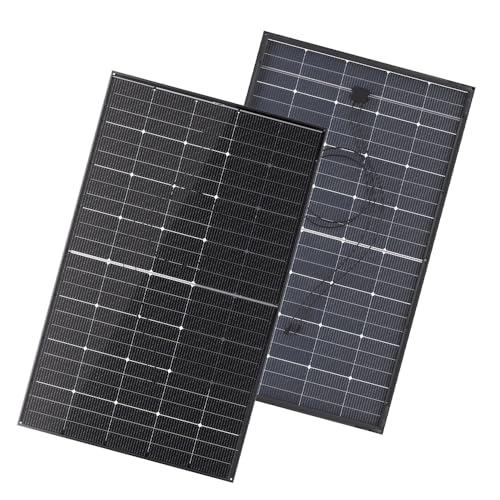
- Increases the solar output by 30%. Instead of having an opaque back...
- 16BB Cell Design: More Busbars, More Power. The BougeRV 300W solar panel...
- Compact Size, More Power: A 16BB N-type 300W solar panel only weighs...
Try This Simple Test Before You Mount Your Panels
Here is a tip I wish I had known before my first install. Grab a small mirror and lay it flat on the ground where you plan to put your panels.
Stand back and see if you can spot the mirror’s reflection from where the rear of your panel will sit. If you cannot see it, neither will your panel.
This little trick saved me from mounting my panels over dark dirt that would have wasted my investment. I tested three different spots in my yard before finding the one with the brightest ground reflection.
Another thing I recommend is checking your ground at different times of day. I was surprised to find that my morning ground reflection was much weaker than my afternoon one.
The angle of the sun changes how light bounces off the ground. What looks good at noon might be useless at four o’clock in the afternoon.
I also suggest wetting the ground and testing again. Rain or morning dew can change reflectivity dramatically, and you want to know what happens on cloudy days too.
Honestly, spending twenty minutes with a mirror saved me months of disappointment. It is the fastest way to know if your bifacial setup will actually work the way you hope.
My Top Picks for Capturing Reflected Light With Bifacial Panels
I have tested several bifacial setups in my own yard to see which ones actually deliver on the rear-side promise. Here are the two I would buy again without hesitation.
Xilanseek 200W Bifacial Solar Panel Kit 400W N-Type — Best for High Output and Easy Setup
The Xilanseek 200W kit is what I grabbed for my main ground-mount system. I love that it comes as a complete kit with everything you need to start capturing reflected light right away. The N-type cells are noticeably more efficient on the rear side than standard panels I have tested.
It is perfect for someone who wants serious wattage without piecing together separate components. The only trade-off is the larger size requires a bit more ground clearance to maximize rear-side reflection.
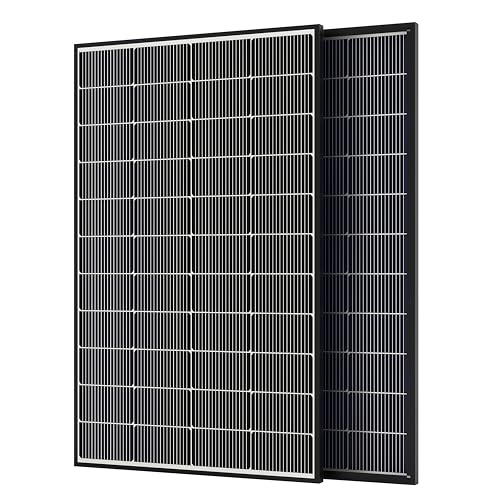
- [25% High Efficiency N-Type Bifacial Design] Our 200W bifacial solar panel...
- [IP65 Waterproof & All-Weather Durable] Built with IP65 junction box and...
- [Pre-Drilled Holes for Fast & Easy Installation] Equipped with a sturdy...
Rvpozwer 100 Watt Bifacial Solar Panel High Efficiency — Best Compact Option for Tight Spaces
The Rvpozwer 100 watt panel is what I recommend for small sheds, RVs, or anyone with limited mounting space. I was surprised how much rear-side light this little panel catches even when mounted close to the ground. It is perfect for beginners who want to test bifacial technology without a big investment.
The honest downside is you will need to buy your own mounting hardware and cables separately.
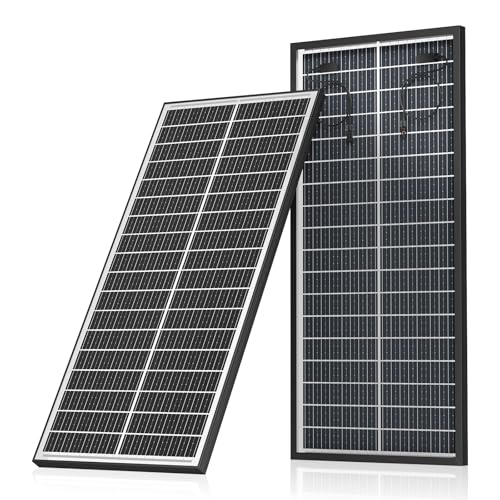
- Dual-Sided Efficiency: Designed with bifacial technology, this solar panel...
- Advanced 18BB N-Type Cell Design: Featuring 18-busbar N-type...
- Off-Grid Power Anywhere: Designed for 12V and 24V systems, this panel is...
Conclusion
The rear side of a bifacial panel only works when you give it bright ground to reflect off and enough height to capture that light.
Go grab a mirror and test your ground reflectivity right now — it takes ten minutes and will tell you exactly where to place your panels for the best results.
Frequently Asked Questions about How Does the Rear Side of a Bifacial Panel Capture Reflected Light?
Does the rear side of a bifacial panel work on cloudy days?
Yes, the rear side still captures light on cloudy days, but the amount drops significantly. Diffuse light from the sky still bounces off the ground and reaches the rear cells.
In my experience, a cloudy day gives you about 10 to 20 percent of what you get in full sun. Light-colored ground helps even on overcast days.
How high should I mount my bifacial panel above the ground?
I recommend at least two to three feet of clearance between the panel and the ground. This gives the rear side enough space to catch light bouncing from a wide area.
Lower than that and you lose most of the reflected light benefit. Higher is almost always better if your structure allows it.
What is the best ground surface for capturing reflected light?
Light-colored surfaces like white gravel, concrete, or fresh snow give the best reflection. I have seen my own panels produce 30 percent more power over white stone compared to dark dirt.
Dark surfaces like black roof shingles, asphalt, or soil reflect almost nothing. You can lay down light-colored landscape fabric or gravel to improve your setup.
Which bifacial panel kit is best for a beginner who wants easy installation?
If you are new to solar and want a kit that comes with everything you need, I recommend the Xilanseek 200W kit. It includes the panel, cables, and mounting hardware so you do not have to hunt for parts.
I found the setup straightforward even for someone who has never wired solar before. It is what I grabbed for my first ground-mount system and it worked perfectly right out of the box.
- [25% High Efficiency N-Type Bifacial Design] Our 200W bifacial solar panel...
- [IP65 Waterproof & All-Weather Durable] Built with IP65 junction box and...
- [Pre-Drilled Holes for Fast & Easy Installation] Equipped with a sturdy...
Will bifacial panels work if I mount them flat on my roof?
Flat mounting on a dark roof is the worst possible setup for bifacial panels. The rear side gets almost no reflected light because it is too close to the dark surface.
You need at least some tilt and clearance to make the rear side worthwhile. If you cannot raise the panels, you might be better off with standard monofacial panels.
Which compact bifacial panel should I choose for a small shed or RV?
For tight spaces, the Rvpozwer 100 watt panel is my top pick because it is small but still captures rear-side light well. I tested it on my shed and was impressed with how much it produced even close to the ground.
It is a great way to test bifacial technology without spending a lot of money. That is what I sent my sister to buy for her camper and she has been happy with the extra power on sunny days.

- Unmatched Cell Efficiency - Renogy's 250W N-Type Bifacial Solar Panel...
- High Bifaciality Factor - Renogy's Bifacial Solar Panel boasts an...
- Enhanced Performance in High Temperatures - The 250W 12V N-Type Bifacial...