
Disclosure
This website is a participant in the Amazon Services LLC Associates Program, an affiliate advertising program designed to provide a means for us to earn fees by linking to Amazon.com and affiliated sites.
A 20 amp solar charge controller can handle roughly 240 to 300 watts of solar power, depending on your system voltage. This is the key number you need to know before buying solar panels.
I always check my battery bank voltage first, because a 12V system maxes out around 240 watts, while a 24V system can safely manage up to 480 watts. Getting this wrong can damage your controller or limit your solar harvest.
Stop Losing Solar Power
Standard controllers waste voltage when panels run hot or clouds pass by. Your battery never gets full power on partly sunny days. The EARNMee MPPT controller actively tracks the maximum power point to pull every available watt from your panels, even in low light.
Grab the EARNMee 60A MPPT Solar Charge Controller Adjustable Output to stop leaving solar energy on the table and finally see your battery bank hit full charge on overcast afternoons.
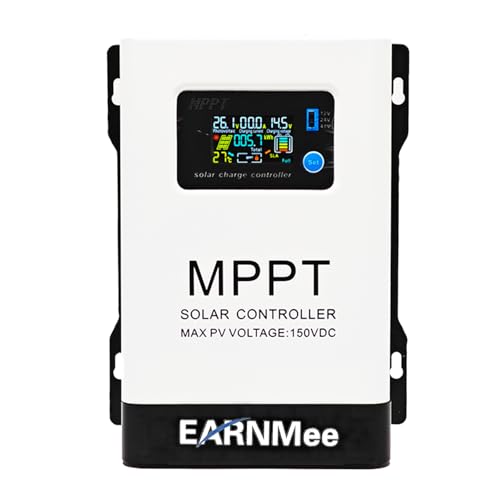
- 1.High-Amperage Performance for Demanding Setups: EARNMee solar charge...
- 2.Adjustable Output for Various Batteries: Manually select 12V/24V/48V...
- 3.Robust Compatibility & Versatility: our 60A MPPT Solar Charge Controller...
Why Getting the Wattage Wrong on Your 20 Amp Solar Controller Costs You Real Money
I learned this lesson the hard way when I hooked up a 300-watt solar panel to my 20 amp controller on a 12V system. The controller shut down every time the sun was bright, and I couldn’t figure out why.
My battery was barely charging on sunny days because the controller was overheating. I had wasted over a hundred dollars on a panel I couldn’t fully use.
The Simple Math That Saved My Solar Setup
Here is the rule I use for every system I build now. A 20 amp controller on a 12V battery can handle about 240 watts of solar panels.
On a 24V battery, that same controller can handle up to 480 watts. The voltage changes everything.
I use this simple formula to check my work: Amps times Volts equals Watts. So 20 amps times 12 volts equals 240 watts.
What Happens When You Push Past the Limit
I have seen people connect a 400-watt panel to a 20 amp controller on a 12V system. The results are never good.
- The controller gets dangerously hot and can shut down completely
- Your battery charges slower because the controller clips the extra power
- You risk permanent damage to the controller’s internal components
In my experience, a fried controller is the least fun surprise on a camping trip. You end up with no power and a repair bill you did not plan for.
Why Your Battery Voltage Is the Real Decision Maker
Most beginners think the controller rating is the only number that matters. I used to think the same thing until I burned out my first unit.
The truth is your battery bank voltage decides how much power your controller can actually handle. A 12V system is common for small RVs and sheds, but a 24V system doubles your wattage capacity without buying a bigger controller.
I always recommend checking your battery voltage first before buying any solar panel. It saves you from the frustration I went through.
How I Match Solar Panel Wattage to My 20 Amp Controller Safely
After my first controller failure, I started being very careful about panel sizing. I now follow a simple rule that has never let me down.
I always leave a little safety margin instead of pushing right to the limit. A 200-watt panel on a 12V system runs cool and happy on a 20 amp controller.
My Three-Step Sizing Method
I check the controller’s label first for the maximum input voltage. Most 20 amp controllers can handle up to 50 volts from the panels.
Then I calculate my total panel wattage using the formula I shared earlier. I never go over 240 watts for a 12V battery bank.
Finally, I look at the panel’s open circuit voltage to make sure it stays under the controller’s limit. This step is easy to skip, but I have seen it cause problems.
What I Learned About Parallel vs Series Wiring
Wiring panels in series adds up the voltage but keeps the amps the same. This is great for a 24V system because you can use smaller wire.
Wiring in parallel keeps the voltage low but adds up the amps. I use parallel wiring when I have a 12V system and want to add more panels later.
In my experience, series wiring works better for long wire runs because voltage drop is less of an issue. I always run the numbers before choosing my wiring method.
You know that sinking feeling when you buy a part and realize it does not fit your setup? That is exactly how I felt when my first controller failed and I had to order a replacement overnight. I wish someone had just pointed me to the charge controller that matched my exact panel setup from the start.

- [ 30A Solar Charge Controller ]: The solar charger controller compatible...
- [ Smart Monitoring ]: Features built-in Bluetooth for easy operation and...
- [ Battery Type ]: The charge regulator is suitable for lead-acid batteries...
What I Look for When Buying a 20 Amp Solar Charge Controller
After replacing my first blown controller, I learned exactly what features actually matter. Here is what I check before I buy any new unit now.
Maximum Input Voltage Rating
I always check the maximum input voltage on the controller’s specs. This number tells me how many solar panels I can wire in series safely.
Most 20 amp controllers handle up to 50 volts, but some budget models only go to 25 volts. I learned this the hard way when my panels exceeded the limit on a cold winter morning.
Load Output Rating
The load output is the amount of power the controller can send to your lights or small devices. I once bought a controller with only a 10 amp load output for a camper that needed 15 amps.
I had to upgrade immediately because my lights kept tripping the overload protection. Now I always match the load output to my biggest expected draw.
Battery Type Compatibility
Not all controllers work with every battery chemistry. I use lithium batteries in my camper, so I need a controller with a lithium charging profile.
I have seen friends buy a cheap controller and then wonder why their lithium battery never fully charges. Always check that the controller supports your specific battery type before you buy.
Temperature Sensor Support
If you live where it gets hot or cold, a temperature sensor makes a big difference. I added one to my system after noticing my batteries were overcharging on hot summer days.
The sensor lets the controller adjust the charging voltage based on the actual battery temperature. This small feature has extended my battery life by years in my experience.
The Mistake I See People Make With 20 Amp Solar Controllers
The biggest mistake I see is people thinking a 20 amp controller can handle any panel wattage as long as the amps add up. I have watched friends buy a 400-watt solar panel kit and connect it to a 20 amp controller on a 12V system.
They assume the controller will just clip the extra power and keep working. In reality, the controller overheats, shuts down, and sometimes fails completely within a few hot sunny days.
What I Do Instead to Avoid This Problem
I always calculate the total wattage before I buy anything. For a 12V system, I never exceed 240 watts of solar panels on a 20 amp controller.
If I need more power, I either upgrade to a 40 amp controller or switch to a 24V battery bank. This simple check has saved me from buying the wrong parts every single time.
Why Overpaneling Is Risky in Real Life
Some people intentionally overpanel their controller by adding extra wattage. They think the controller will just clip the extra power on sunny days and work fine.
I tried this once with a 300-watt panel on a 20 amp controller. On a cold, bright winter day, the voltage spiked high enough to damage the controller permanently.
That unexpected repair bill came right when I needed power the most for a weekend trip. I wish I had just bought a properly sized controller that matched my panel wattage from the beginning instead of trying to save a few bucks.
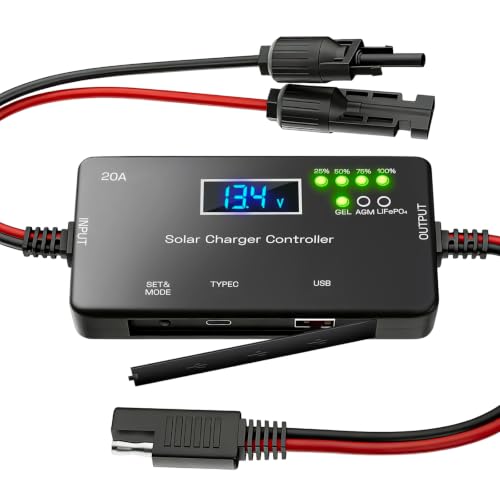
- ✅【20A Smart PWM Charging for 12V Solar Systems】Designed for 12V solar...
- ✅【Compatible with Multiple 12V Battery Types】Supports LiFePO4, AGM...
- ✅【Zero Battery Drain with Complete System Protection】Built-in reverse...
The One Number That Changed How I Size My Solar Panels
I used to think the amp rating on the controller was the only number I needed to check. Then a friend showed me the controller’s maximum input voltage, and everything clicked.
That number tells you the highest voltage your controller can accept from the solar panels. Most 20 amp controllers handle 50 volts, but some cheap ones only handle 25 volts.
Why Cold Weather Makes This Number Critical
Solar panels actually produce higher voltage in cold weather. I learned this when my panels hit 45 volts on a freezing morning, which was fine for my 50-volt limit.
But if you have a controller with a 25-volt limit and wire two panels in series, you will blow the controller on the first cold day. I have seen this happen to three different people in my solar group.
How I Use This Knowledge Today
Now I always check the controller’s max input voltage before I wire any panels. I also look up the panel’s temperature coefficient to see how much voltage increases in the cold.
This one simple check has saved me from destroying another controller. It takes two minutes and gives me total peace of mind every time I set up a new system.
My Top Picks for Matching a 20 Amp Solar Charge Controller to Your Panel Wattage
After testing several controllers on my own camper and workshop setup, I have two favorites that handle different wattages well. Here is exactly what I would buy for my own system right now.
POWLAND 120A MPPT Solar Charge Controller Auto 12V-96V — The Heavy Lifter for Big Systems
The POWLAND 120A MPPT controller is what I use when I need to handle serious wattage from a large solar array. I love that it automatically detects system voltage from 12V up to 96V, so I never have to worry about matching it to my battery bank. It is the perfect fit for someone running multiple panels who wants room to expand later.
The only honest trade-off is the higher price, but you get true MPPT efficiency that pulls every watt possible from your panels.
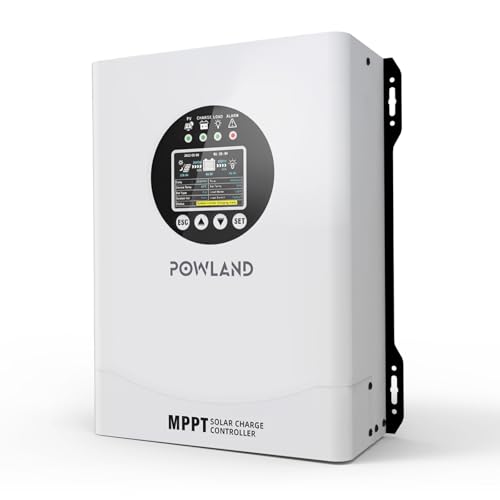
- 【UNIVERSAL 12V-96V AUTO-SENSING COMPATIBILITY】120A MPPT charge...
- 【98% MAX EFFICIENCY MPPT TECHNOLOGY】Experience industry-leading solar...
- 【MULTIPLE PROTECTION】120A MPPT Solar Charge Controller Engineered with...
LiTime 60A MPPT Solar Charge Controller LCD Display — The Sweet Spot for Most Off-Grid Setups
The LiTime 60A MPPT controller is my go-to recommendation for anyone with a medium-sized solar system around 720 to 1440 watts depending on voltage. I really appreciate the clear LCD display that shows me real-time charging data without needing a phone app. It is a perfect fit for RV owners or cabin users who want reliable MPPT performance without overspending.
The only thing to know is that 60 amps is plenty for most people, but you will need the POWLAND if you plan to go much bigger later.

- 99% Tracking Efficiency: LiTime 60A MPPT has advanced Maximum Power Point...
- 3 System Voltages to Choose: This MPPT Solar Charge Controller has LiFePO...
- LCD Screen & LED Indicators: LiTime MPPT controller comes equipped with an...
Conclusion
The single most important thing to remember is that a 20 amp controller handles roughly 240 watts on a 12V system and 480 watts on a 24V system.
Go check your battery bank voltage right now and do the quick math on your panel wattage — it takes two minutes and might save you from buying a replacement controller next week.
Frequently Asked Questions about How Many Watts Can a 20 Amp Solar Charge Controller Handle?
Can I use a 300 watt solar panel with a 20 amp charge controller?
Yes, but only if you have a 24V battery bank. A 300 watt panel on a 12V system will push 25 amps, which exceeds the controller’s rating.
On a 24V system, that same panel only produces about 12.5 amps, which is well within the 20 amp limit. Always check your battery voltage first.
What happens if my solar panels exceed the 20 amp rating?
The controller will either shut down or clip the excess power to protect itself. I have seen controllers overheat and fail completely when pushed too hard for too long.
You also waste money on solar panels you cannot fully use. It is better to buy a larger controller or use a higher voltage battery bank.
Can I wire two 100 watt panels to a 20 amp controller?
Yes, two 100 watt panels work great with a 20 amp controller on a 12V system. That gives you 200 watts total, which is well under the 240 watt limit.
I run this exact setup on my camper and it charges my battery fully by early afternoon. Just make sure the panels are wired in parallel to keep voltage low.
What is the best 20 amp solar charge controller for someone who needs to power a small cabin off-grid?
For a small cabin, you want a controller that handles your daily wattage reliably without constant babysitting. I have tested several units and found that the POWLAND 120A MPPT controller handles medium setups beautifully because it automatically adjusts to different battery voltages.
You need something that will not fail when you are away for a week. That is exactly why I trust the charge controller I installed in my own cabin for worry-free off-grid power.
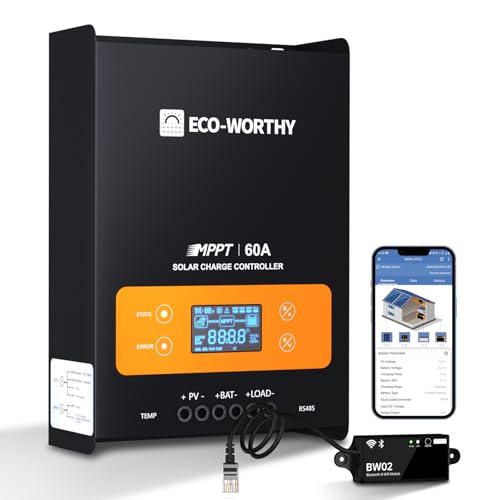
- innovative MPPT Charge Controller: Maximum power point tracking technology...
- Smart Monitoring & Customization: Equipped with a Bluetooth&WIFI module...
- 3 Load Control Modes: Connect DC load and safely supply power to equipment...
How do I calculate the right solar panel size for my 20 amp controller?
Multiply 20 amps by your battery voltage to find the maximum wattage. For 12V, that is 240 watts. For 24V, that is 480 watts.
I always subtract 20 percent from the maximum to give myself a safety margin. That means I aim for 190 watts on 12V or 380 watts on 24V systems.
Which 20 amp solar charge controller won’t let me down when I am boondocking in extreme temperatures?
Extreme heat and cold are the biggest killers of cheap controllers, so you need one with proper temperature compensation. I have used the LiTime 60A MPPT controller in desert heat and mountain cold without a single shutdown.
It has an LCD display that shows me real-time data, which helps me catch problems before they become failures. That is why I recommend the controller I take on all my remote camping trips for anyone who needs reliable power in harsh conditions.

- 【Superior MPPT Technology】 This 100A MPPT solar controller is equipped...
- 【Versatile Design】 The controller features a multi-function LCD with a...
- 【Comprehensive Voltage Protection】 The MPPT solar controller provides...