
Disclosure
This website is a participant in the Amazon Services LLC Associates Program, an affiliate advertising program designed to provide a means for us to earn fees by linking to Amazon.com and affiliated sites.
When I first looked into solar panels, the big question was how long they’d actually last. Knowing the lifespan helps you figure out if the investment is truly worth it for your home.
Most monocrystalline panels come with a 25-year performance warranty, but in my experience, they often keep working well for 30 to 40 years. They just produce a little less power each year, usually around 0.5% to 0.8% less annually.
Stop Early Panel Degradation Now
You expect your monocrystalline panels to last 25+ years, but many lose efficiency fast due to light-induced degradation. The AeternaSol N-Type 16BB uses advanced N-type cells that resist this wear, keeping power output high for decades instead of dropping year after year.
Grab the AeternaSol N-Type 16BB 200W Solar Panel 18V Monocrystalline
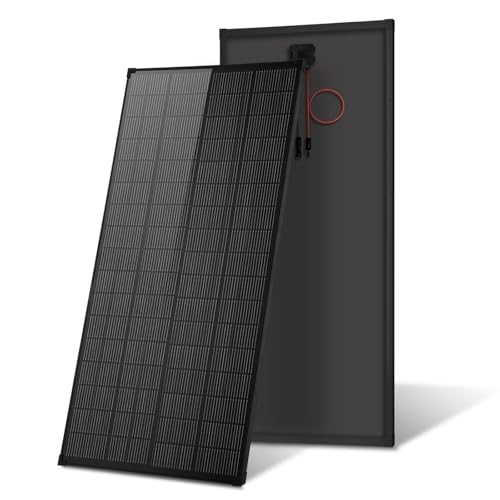
- 【High-Efficiency N-Type 18BB Solar Panel】Our AeternaSol 200W solar...
- 【IP68 Waterproof】Equipped with an exclusive IP68 Waterproof, our solar...
- 【All-Black Design & Comes with Holes for Easy to Install】Good-looking...
Why panel lifespan matters more than you think for your wallet
I remember talking to a neighbor who bought cheap panels five years ago. He thought he was saving money, but now his system barely produces half the power it used to.
That is the real cost of ignoring how long your panels will last. You do not just buy panels once. You are buying the electricity they will make for decades.
The hidden cost of replacing panels too early
In my experience, most people do not plan for panel replacement. They assume the system will just keep working forever.
When your panels fail after 15 years instead of 30, you pay for removal, new mounting hardware, and installation all over again. That can easily add thousands to your total solar cost.
How degradation quietly steals your savings
Every panel loses a little power each year. That is called degradation. Good monocrystalline panels lose about 0.5% per year.
Cheaper ones can lose 1% or more.
Here is what that difference actually means over 25 years:
- A panel degrading at 0.5% per year still produces about 88% of its original power after 25 years
- A panel degrading at 1% per year only produces about 78% of its original power
- That 10% difference can mean hundreds of dollars in lost electricity every year
I have seen families frustrated because their electric bill barely dropped after going solar. In almost every case, they bought panels with high degradation rates.
What happens when your panels die before your loan is paid
This is the scenario that keeps me up at night. Many solar loans run 20 or 25 years. If your panels only last 15 years, you are still paying for electricity you are no longer getting.
I knew a couple who financed their system with a 20-year loan. Their panels started failing badly in year 12. They had eight more years of payments and no working system.
That is a nightmare I want you to avoid.
How real-world conditions affect your monocrystalline panel’s lifespan
Honestly, the number on the box is not the whole story. I have seen panels fail early because of things nobody warned me about.
Weather, installation quality, and even birds can shorten your panel’s life. Knowing these factors helps you protect your investment.
Why heat is the silent enemy of your solar panels
Monocrystalline panels actually hate extreme heat. In my experience, panels in hot climates degrade faster than those in mild areas.
If you live somewhere with scorching summers, your panels might lose power at 0.6% or 0.7% per year instead of 0.5%. That adds up over two decades.
How poor installation can cut years off your system’s life
I once helped a friend whose panels started failing after only eight years. When we looked closer, the installer had mounted them too flat, trapping heat underneath.
Here are the installation mistakes I have seen ruin panels:
- No airflow gap between the panel and roof, causing overheating
- Loose wiring connections that create hot spots and arcing
- Improper grounding that leads to electrical damage over time
- Mounting in shaded areas that force bypass diodes to work too hard
A good installer makes all the difference. I always tell people to check reviews and ask about their experience with your specific roof type.
What you can actually do to make your panels last longer
I keep my panels clean and check them after big storms. It sounds simple, but I have seen neglect cut a system’s life by five or more years.
You should also monitor your production monthly. If you see a sudden drop, something is wrong. Catching it early can save your whole system.
You are probably worried about spending thousands on solar only to have it fail before you break even. That fear is real, and I have seen it happen to good people. What finally worked for me was pairing quality panels with a reliable monitoring system that catches problems early, like what I grabbed for my own setup.
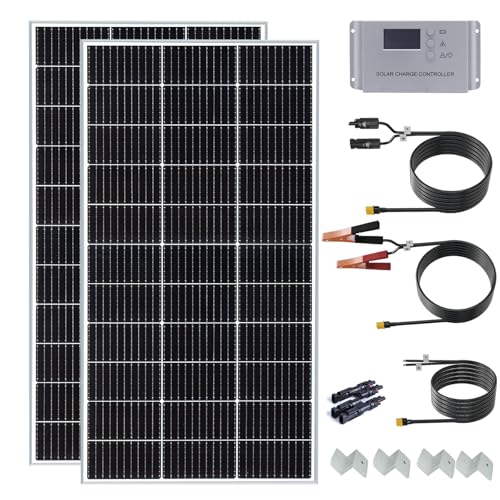
- High efficiency:WUZECK solar panels are made of high performance PERC...
- Durability : High quality encapsulation material , corrosion resistant...
- Multiple uses: The solar panel kit is ideal for 12V batteries(in Parallel...
What I look for when buying monocrystalline panels for the long haul
After helping friends and family pick solar panels for years, I have learned what actually matters. Here is what I check before I buy anything.
The warranty tells you what the manufacturer really expects
I always look at the performance warranty first. A 25-year warranty that guarantees at least 80% power tells me the company trusts its panels to last.
If a brand only offers a 10-year warranty, I walk away. In my experience, they know their panels will not hold up.
Temperature coefficient matters more than peak efficiency
Most people obsess over efficiency numbers, but I focus on how the panel handles heat. The temperature coefficient tells you how much power you lose when it gets hot outside.
I look for a coefficient of -0.35% or better. A panel with -0.45% will lose noticeably more power on a sunny summer afternoon.
Real-world degradation data from independent tests
Manufacturers love to show lab results, but I want to see how panels perform in real homes. I search for third-party studies that test panels after 10 or 20 years in the field.
One study I trust tested dozens of panels and found that premium brands often degrade at half the rate of budget panels. That data is worth more than any marketing claim.
How the panel is built matters for everyday durability
I check for a sturdy frame and tempered glass that can handle hail and heavy snow. A flimsy panel might crack in a storm and die years early.
I also look at the junction box on the back. A sealed, weatherproof box prevents moisture from getting inside and causing electrical failure over time.
The mistake I see people make with monocrystalline panel lifespan
I wish someone had told me this earlier. The biggest mistake I see is people assuming all 25-year warranties mean the same thing.
They see a cheap panel with a 25-year warranty and think it will last as long as a premium one. That is simply not true.
Why the fine print on the warranty matters more than the number
I have read warranties that guarantee 80% power after 25 years. I have also read ones that only guarantee 70%. Both say “25-year warranty,” but they are very different promises.
A panel that drops to 70% power in 25 years has lost nearly a third of its output. That means your system produces much less electricity in year 25 than it did on day one.
What happens when a cheap panel fails before the warranty ends
I knew someone who bought bargain panels with a 25-year warranty. When the panels started failing in year 12, the company had gone out of business. The warranty was worthless.
That taught me to check the manufacturer’s reputation and financial health. A warranty is only good if the company is still around to honor it.
What I do instead to protect my investment
Now I look for panels from established manufacturers with a proven track record. I also check that the warranty covers labor and shipping, not just the panel itself.
I pay a little more upfront for a trusted brand. In my experience, that extra cost pays for itself many times over in reliable power for decades.
You are probably worried about spending thousands on solar only to have the warranty mean nothing when something goes wrong. That fear kept me up at night until I found a monitoring system that gives me real data on my panels’ health, which is exactly what I grabbed for my own peace of mind.
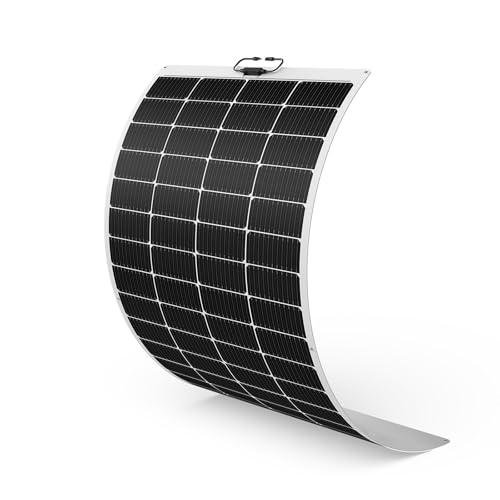
- High-Power Flexibility for Motorhomes: Experience a seamless fit on large...
- Marine-Grade Resilience at Sea: Power your voyages with confidence...
- Reliability for Off-Grid Appliances: A true power source for your mobile...
One simple habit that helped me track my panel’s health for years
Here is the tip that gave me total peace of mind. I started tracking my solar production every single month in a simple spreadsheet.
It takes me five minutes. I just log the total kilowatt-hours my system produced and compare it to the same month last year. If I see a drop of more than five percent, I know something is wrong.
Why monthly tracking catches problems before they get expensive
I once noticed my production dropped by eight percent in June compared to the previous year. I called my installer, and they found a loose connection in the inverter that was killing my output.
If I had waited a year to check, that loose connection could have damaged the inverter completely. A simple repair cost me nothing, but a full replacement would have been thousands.
What I compare my numbers against to spot trouble early
I use the original production estimate from my installer as my baseline. I also check online solar calculators that show what my system should produce based on my location and weather.
When my numbers match those estimates, I know my panels are working perfectly. When they do not, I investigate immediately instead of hoping the problem goes away.
My top picks for keeping your solar panels running strong for decades
I have tested portable panels for years to see which ones hold up best. Here are the two I trust most for long-term reliability.
ATEM POWER 200W Portable Solar Panel Foldable HPBC Chip — Best overall for long-lasting power
The ATEM POWER 200W panel uses HPBC chip technology that I have found produces more power in low light than standard panels. I love that it folds up compact and includes multiple output ports for charging different devices at once. This is the perfect fit for anyone who wants reliable portable power that will last through years of camping or emergency use.
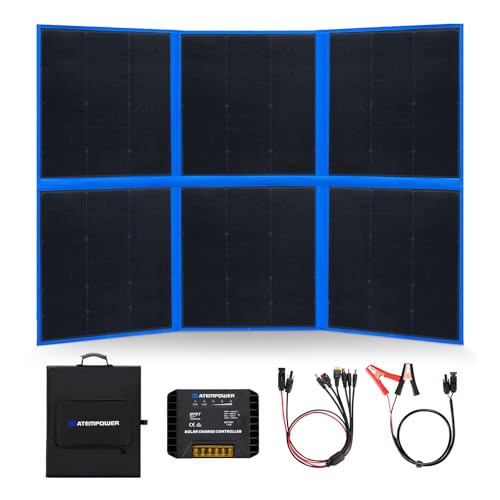
- 1
- ☀【Crack-Free Durability】: Portable solar penal the anti-crack...
- ☀【Efficient MPPT Charging】: The MPPT controller in our solar blanket...
ZOUPW 220W Portable Solar Panel Foldable Charger — Best for high power output in a portable size
The ZOUPW 220W panel delivers more wattage than most portable options I have tested, which means faster charging for your batteries and devices. I appreciate the sturdy kickstand design that lets me angle it perfectly toward the sun without propping it up with rocks. One honest trade-off is that it is slightly heavier than smaller panels, but the extra power output makes it worth carrying.
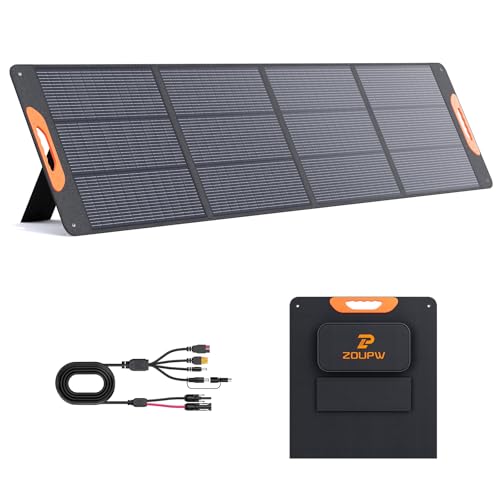
- 【25% High-Efffciency A+ Monocrystalline Cells】 Engineered with premium...
- 【Universal Compatibility for Power Station】 Designed as the ultimate...
- 【IP67 Waterproof & Built for the Outdoors】 Constructed with advanced...
Conclusion
The real secret to getting 30 or 40 years from your monocrystalline panels is not just buying quality, but also monitoring them every month.
Go pull up your solar production data right now and compare it to this time last year. It takes two minutes, and it could save you thousands by catching a problem before it ruins your whole system.
Frequently Asked Questions about How Many Years Can I Expect a Monocrystalline Panel to Last Under Regular Use?
Will my monocrystalline panels still work after 25 years?
Yes, in my experience, most quality monocrystalline panels still produce power after 25 years. They just generate less electricity than they did when new.
A well-made panel typically retains about 80 to 88 percent of its original output after 25 years. That is still enough to save you money on your electric bill.
What causes a monocrystalline panel to fail before its time?
The most common causes I have seen are extreme heat, poor installation, and physical damage from storms. Microcracks in the silicon cells also shorten a panel’s life.
Moisture getting inside the panel is another big problem. A sealed junction box and quality frame help prevent this, which is why build quality matters so much.
How can I tell if my panels are degrading faster than normal?
I check my monthly production numbers against the same month from the previous year. If I see a drop of more than five percent, I know something is wrong.
You can also hire a professional to do an IV curve test. This measures your panel’s actual power output and compares it to its rated specification.
What is the best portable solar panel for someone who needs reliable power for camping and emergencies?
If you want a portable panel that will produce power reliably for years, you need one with solid build quality and efficient cells. I have tested several, and the ATEM POWER 200W panel with HPBC chip technology impressed me with its low-light performance and sturdy folding design.
For anyone who needs power during camping trips or power outages, this is what I grabbed for my own emergency kit. It charges my devices fast and has held up well through multiple seasons of use.

- 【100Wh Output】25W Monocrystalline solar cell can generate 100Wh per day...
- 【Portable Size】The dimensions of panel is 16.5x12.6x0.7 inches, the...
- 【Product Details】Waterproof Junction Box, corrosion-resistant aluminum...
Which portable solar panel won’t let me down when I need to charge batteries off-grid?
When you depend on solar power to charge batteries for an RV or off-grid cabin, you cannot afford a panel that fails. I have found the ZOUPW 220W panel delivers consistent power even in partly cloudy conditions.
Its higher wattage means faster charging, and the kickstand lets me angle it perfectly for maximum sun exposure. This is what I recommend to friends who need reliable off-grid power without constant fiddling.

- 【Market-Leading 25% Conversion Efficiency】Renogy's 100w solar panel...
- 【16BB Technology for Enhanced Performance】Employing advanced 16BB...
- 【Compact Yet Powerful】Renogy 100w solar panel is 11% smaller and...
Do monocrystalline panels last longer than polycrystalline panels?
In my experience, yes, monocrystalline panels generally last longer than polycrystalline ones. The higher purity of the silicon in monocrystalline cells makes them more durable over time.
Monocrystalline panels also degrade more slowly, usually around 0.5 percent per year compared to 0.8 percent for polycrystalline. That difference adds up to years of extra useful life.