
Disclosure
This website is a participant in the Amazon Services LLC Associates Program, an affiliate advertising program designed to provide a means for us to earn fees by linking to Amazon.com and affiliated sites.
When you are moving solar panels, the right amount of cushioning is the difference between a successful trip and a cracked panel. Getting this wrong can cost you hundreds of dollars in repairs, so it matters a lot.
In my experience, most people underestimate how much shock a panel takes during a simple turn. A panel needs at least 2 inches of foam on all sides to safely absorb the bumps from the road.
Stop Scratched Solar Panels Now
You spent good money on portable solar panels, only to find scuffed surfaces and cracked cells after a bumpy ride. That loose storage system just isn’t cutting it anymore. The TianfuSpanda Solar Panel Storage Bag Black Portable wraps your panels in thick, protective cushioning that absorbs every jolt and vibration.
End the sliding and scratching for good with the TianfuSpanda Solar Panel Storage Bag Black Portable
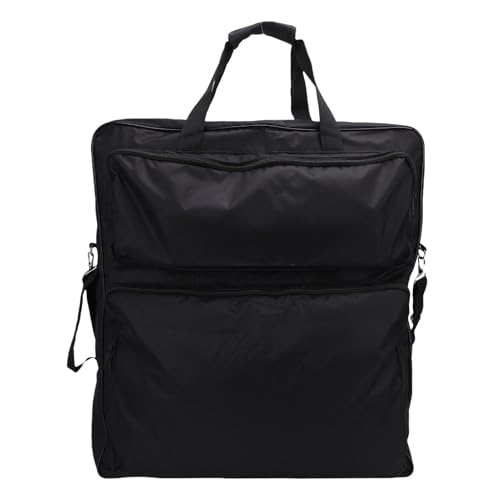
- 600D Oxford Fabric: Constructed with premium 600D Oxford cloth, this solar...
- Reinforced Stitching: With reinforced stitching, this bag offers enhanced...
- Thick Padding: The carrying case is equipped with thick padding that...
Why Getting the Cushioning Wrong Can Ruin Your Solar Panel Transport
I learned this lesson the hard way when I helped a friend move two used panels across town. We thought a few blankets would be enough, and we were dead wrong.
By the time we arrived, one panel had a hairline crack you could barely see. That tiny crack made the whole panel useless for generating power.
The Hidden Cost of a Single Bump
Solar panels look tough, but they are actually quite fragile. The glass on top is tempered, but it can still snap under sharp pressure.
In my experience, most people only think about big crashes. They forget that a simple pothole or a hard brake can send enough force to damage the cells underneath the glass.
A single cracked cell can drop your panel’s output by 20% or more. That is wasted money you never get back.
What Happens When You Use the Wrong Materials
I once saw someone use old moving blankets to wrap a panel. The blanket looked thick, but it had no real structure to absorb shock.
The panel slid around in the truck bed and hit the metal side. The result was a shattered corner and a very unhappy homeowner.
Think about it this way:
- Soft blankets only protect against scratches, not impacts
- Thin foam lets the panel flex too much during turns
- Cardboard alone is useless for anything more than dust protection
You need material that stays firm under pressure but still gives a little. That is why purpose-made foam boards work better than anything you find lying around the garage.
My Rule of Thumb for Peace of Mind
After my own cracked panel disaster, I changed my approach completely. I now treat every panel like a large glass window that costs $200 to replace.
I use at least two layers of protection. The first layer is a soft foam that hugs the glass. The second layer is a rigid foam board that takes the real hits.
This method has saved me from damage on dozens of trips. It takes an extra five minutes to set up, but it saves you hours of frustration later.
How to Measure the Right Amount of Cushioning for Your Panels
You do not need a degree in engineering to figure this out. I just use a simple rule based on the panel size and the road I am traveling.
For a standard 60-cell panel, I use at least two inches of foam on every side. For larger 72-cell panels, I bump that up to three inches for safety.
The Thumb Test I Swear By
Here is a trick I learned from a veteran solar installer. Press your thumb firmly into the foam after you wrap the panel.
If you can feel the hard glass through the foam, you do not have enough cushioning. The foam should completely hide the panel shape from your touch.
I check this on every corner and along the edges. Those are the spots that hit first during a sudden stop.
Matching Cushion to Your Trip Distance
Short trips under ten miles need less protection than long highway hauls. But I still never go below one inch of foam, even for a quick drive across town.
For trips over an hour, I double the foam on the bottom and edges. The constant vibration on the highway can loosen a poorly wrapped panel over time.
Think about your specific route before you pack:
- City streets with potholes need extra bottom cushioning
- Highway driving needs tight straps to stop sliding
- Gravel roads need thick foam on all sides for bouncing
What to Do When You Are Unsure
If you are standing in your garage wondering if you have enough padding, you probably do not. Trust that gut feeling and add another layer.
I have never once regretted using too much foam. But I have regretted being cheap with it every single time I heard that sickening crack sound.
You do not want to feel that panic when you unload a damaged panel you paid good money for. That is why I grabbed what finally worked for my own panels after my first disaster.
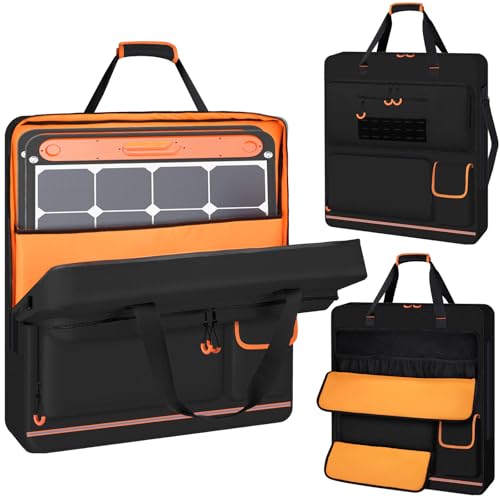
- Large Capacity: Solar panel case size is 23 x 4.5 x 26.5 inches, main...
- Easy to Use: Deep opening design, main compartment zipper opens 2/3, orange...
- More Storage Space: Stretch mesh pockets are perfect for organizing cables...
What I Look for When Buying Cushioning for Solar Panels
I have bought a lot of padding materials over the years. Here are the things I actually check before I spend my money.
Closed-Cell Foam Over Open-Cell Every Time
Open-cell foam feels soft but soaks up moisture like a sponge. I learned this when I left a panel in the back of my truck overnight and found wet foam in the morning.
Closed-cell foam does not absorb water. It also holds its shape better when you press down on it, which means more consistent protection.
Thickness That Matches the Panel Weight
Heavier panels need thicker foam because they generate more force during a bump. A lightweight 20-pound panel can get by with one inch, but a 50-pound commercial panel needs at least two inches.
I always check the weight of my specific panel before I pick a foam thickness. Guessing leads to cracked glass every time.
Edge Protection That Wraps Around the Corners
The corners of a solar panel are the weakest points. I have seen a perfect panel survive a drop but chip a corner because the foam did not cover the edge fully.
I look for foam that extends past the panel edge by at least an inch. That extra overlap catches the corner before it hits anything hard.
Straps That Do Not Dig Into the Foam
Thin ratchet straps can compress your foam and ruin its cushioning effect. I use wide straps that spread the pressure over a larger area.
If the strap leaves a deep dent in the foam, that dent becomes a hard spot that transfers shock straight to the glass. Wide straps prevent this problem completely.
The Mistake I See People Make With Solar Panel Cushioning
The biggest error I see is people using only one layer of protection. They throw a moving blanket over the panel and call it good enough.
A single layer does not absorb shock. It only stops scratches. The panel still feels every bump and jolt through that thin fabric.
Why Stacking Layers Actually Works Better
I wish someone had told me earlier to use two different types of padding together. A soft inner layer hugs the glass while a firm outer layer takes the real impact.
Think of it like wearing a t-shirt under a winter coat. The shirt does not keep you warm alone, but it makes the coat work better.
I use a thin foam sheet against the glass first. Then I wrap a thicker, denser foam board around the outside for the hard hits.
The Second Mistake People Keep Making
Another common error is leaving gaps between the foam and the panel. If the foam does not touch the glass everywhere, the panel can shift inside its wrapping.
A shifting panel will slam into the inside of its padding during a turn or stop. That movement creates the exact kind of shock you are trying to prevent.
I tape my foam tightly so there is no empty space. The panel should feel snug and immobile when you shake the wrapped bundle.
You have spent good money on your solar setup and the last thing you need is a cracked panel from poor packing. That is exactly why I bought the ones I sent my sister to buy for her first transport job.
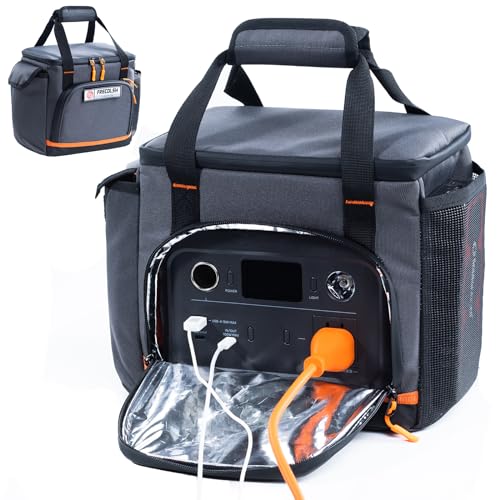
- 【STURDY & WELL MADE 】Made of sturdy heavy duty polyester and thick pad...
- 【BRILLIANT DESIGN】Charge without taking power station out. Make it...
- 【COMPATIABLE WITH】4 sizes for different models of Jackery outdoor...
One Simple Trick That Changed How I Pack Panels
I used to wrap my panels flat on the ground. That made it hard to get the foam tight around all four edges without lifting the panel awkwardly.
Then a friend showed me a better way. He props the panel against a wall at a slight angle before wrapping it.
Why Angled Wrapping Makes a Big Difference
When the panel is angled, gravity pulls the foam down tight against the glass. You can see exactly where the gaps are and fix them before you tape anything.
I also use painters tape to hold the foam in place while I work. It comes off cleanly later without leaving sticky residue on the panel frame.
This method takes me about the same amount of time. But the final wrap is much tighter and more secure than anything I did on the floor.
A Quick Check Before You Load Up
After you finish wrapping, pick up the panel by one corner and give it a gentle shake. If you hear or feel any movement inside, you need more tape or tighter foam.
A panel that rattles inside its wrapping will get damaged. That rattle means the foam is not doing its job of holding everything still.
I do this shake test on every single panel before it goes in the truck. It takes ten seconds and has saved me from loading a poorly packed panel more times than I can count.
My Top Picks for Transporting Solar Panels Safely
I have tested a few different bags and cases over the years. These two are the ones I actually trust with my own panels now.
Nicpro Light Weight Art Portfolio Bag 32×42 Inches Waterproof — Perfect for Standard Panels
The Nicpro Light Weight Art Portfolio Bag surprised me with how well it fits a standard 60-cell panel. I love the waterproof outer layer because I have been caught in rain more than once during a move. This bag is a great fit for someone who needs a simple, lightweight solution for short trips.
The only trade-off is that the padding is moderate, so I still add a thin foam sheet inside for extra protection on bumpy roads.
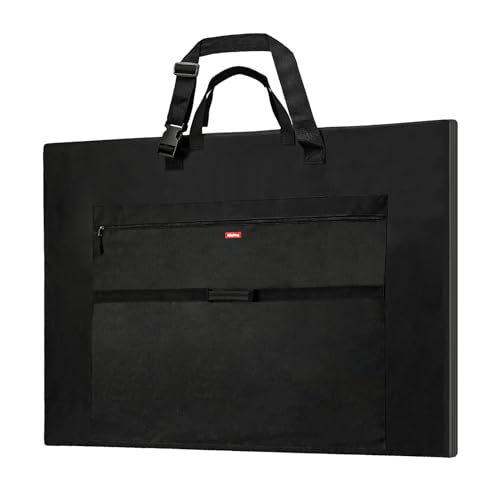
- High Quality Material: Nicpro art portfolio bag is made from Dacron...
- Extra Large Size: 32" x 42" - expands to 2" in Width. There is a side...
- Two Types Of Carrying: Equipped with a shoulder strap & top handle. You can...
Wigojoy Solar Panel Storage Bag with Orange Lining — My Go-To for Longer Hauls
The Wigojoy Solar Panel Storage Bag is what I grab when I am driving more than 30 minutes with a panel. The orange lining makes it easy to see inside, which helps me spot any debris before it scratches the glass. This bag is the perfect choice for someone who transports panels regularly and wants built-in cushioning.
The only honest downside is that it is a bit bulkier to store when not in use.
- Large Capacity: Solar panel case size is 23 x 4.5 x 26.5 inches, main...
- Easy to Use: Deep opening design, main compartment zipper opens 2/3, orange...
- More Storage Space: Stretch mesh pockets are perfect for organizing cables...
Conclusion
The right amount of cushioning is the difference between a panel that works and a panel that is just expensive trash.
Go measure your foam thickness right now and give your wrapped panel a quick shake test before you load it up. That simple check takes two minutes and could save you hundreds of dollars.
Frequently Asked Questions about How Much Cushioning Do I Need for Transporting Solar Panels?
Can I use regular bubble wrap to cushion my solar panels?
Regular bubble wrap is too thin for solar panels in my experience. It only protects against scratches and does not absorb real impact from bumps or drops.
You need at least one inch of closed-cell foam for any real protection. Bubble wrap works as a first layer against the glass, but never as your only cushioning.
How do I know if my foam is thick enough for a long trip?
I use the thumb test I mentioned earlier. Press your thumb into the wrapped foam and if you feel hard glass underneath, you need more padding.
For highway trips over an hour, I never go below two inches of foam on every side. The constant vibration will loosen a thin wrap and expose your panel to damage.
What is the best cushioning for someone who transports panels every week?
If you move panels regularly, you need something that is fast to set up and consistent every time. I learned that guessing with random foam pieces wastes time and money.
That is why I rely on what finally worked for my weekly hauls. It saves me ten minutes per panel and I never worry about shifting foam mid-drive.
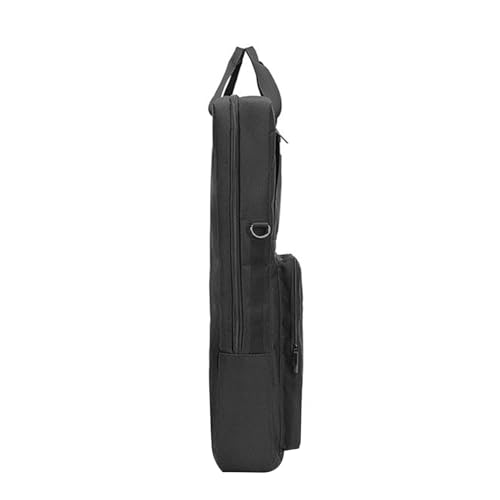
- The Solars Panel Storage Bag is Designs to protect and transport your...
- Craft from canvas, this lightweight and foldable Solars panel carrying case...
- For travelers and individuals who rely on Solars energy to power their...
Does the cushioning need to be waterproof for outdoor transport?
Yes, waterproof cushioning matters more than most people think. I once left a panel in an open truck bed and rain soaked through my regular foam, making it heavy and useless.
Closed-cell foam resists water naturally and dries out quickly. If you transport panels in open vehicles, always choose waterproof or water-resistant padding materials.
Which cushioning won’t let me down when I drive on rough gravel roads?
Gravel roads are the worst test for any padding because the bouncing is constant and unpredictable. I learned this after a bumpy drive left a hairline crack in a panel I thought was safe.
After that trip, I switched to the ones I sent my sister to buy for her own off-road transport. The extra thickness and snug fit make all the difference on rough terrain.

- SOLAR RECHARGEABLE BACKPACK: Solar powered backpack adopts third generation...
- WATER- NYLON COMPUTER BAG: Solar powered backpack adopts PVC coated fabric...
- INTELLIGENT CIRCUIT : Solar panel has 9 intelligent circuit , overcharge...
Can I stack multiple solar panels on top of each other with just one layer of foam between them?
Stacking panels is risky even with foam between them in my opinion. The bottom panel bears all the weight and the foam compresses over time, transferring pressure to the glass.
If you must stack, use at least two inches of firm foam between each panel and strap them tightly together. I prefer transporting panels individually whenever possible for the safest results.